
Main Courses
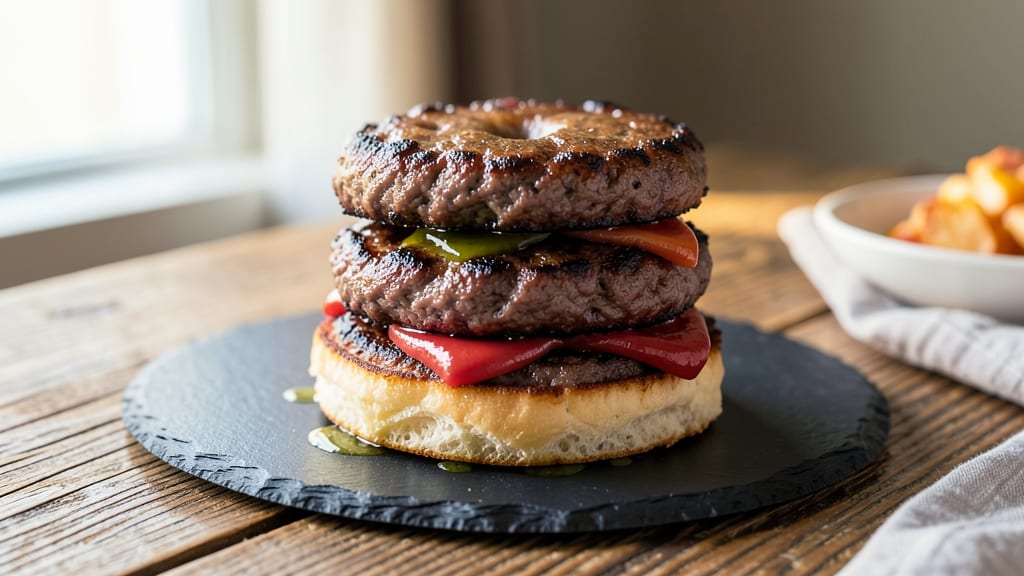
This Angus beef burger patty recipe delivers the perfect balance of buttery richness and juicy tenderness—every bite is a restaurant-quality experience. The secret lies in using high-fat Angus beef, proper seasoning, and a precise cooking method that ensures a perfect sear while keeping the inside moist.
After years of testing, I've perfected the technique to eliminate dry patties and deliver a melt-in-your-mouth result that's impossible to resist.
The foundation starts with hand-formed patties that distribute fat evenly, creating that signature buttery flavor without excess grease. A simple yet effective seasoning blend—just salt, black pepper, and a touch of garlic powder—enhances the natural beef flavor without overpowering it.
The cooking process is straightforward: a hot grill or cast-iron skillet, medium-high heat, and careful attention to internal temperature. This ensures a crispy exterior and a juicy, tender core that holds up to every bite.
What you'll end up with is a burger patty that's perfectly seared on the outside with a juicy core, rich in flavor and impossible to mess up. The fat cap melts into the meat as it cooks, creating that luxurious mouthfeel that makes these burgers worth every bite.
Whether you're grilling for a crowd or cooking for two, this recipe delivers consistent, professional results every time.
Serve these patties on toasted brioche buns with your favorite toppings—crisp lettuce, caramelized onions, and a smear of garlic aioli—to complete the experience. The technique is simple, but the outcome is undeniably impressive. Let’s get started!
Ingredients for angus beef burger patty
High-fat Angus beef, precise seasoning, and a perfect sear—these are the buttery, juicy secrets to restaurant-quality burgers.
| Ingredient | Amount | Notes |
|---|---|---|
| Angus Beef Ground 🥩 | 1 ½ lb | 80/20 fat ratio preferred |
| Kosher Salt 🧂 | 1 ½ tsp | Diamond Crystal preferred |
| Freshly Ground Black Pepper 🌶️ | 1 tsp | Cracked peppercorns preferred |
| Garlic Powder 🧄 | ½ tsp | Freshly ground preferred |
| Extra-Virgin Olive Oil 🫒 | 1 tbsp | For patty shaping |
| Ice Cubes ❄️ | ½ cup | For chilling patties |
| Brioche Burger Buns 🍞 | 4 whole | Toasted before serving |
| Butter 🧈 | 2 tbsp | Unsalted, for cooking |
| Lettuce Leaves 🥬 | 4 whole | Butter lettuce preferred |
| Caramelized Onions 🧅 | ½ cup | Homemade or store-bought |
| Garlic Aioli 🧄 | ¼ cup | Store-bought or homemade |
The beef is everything here—80/20 fat ratio Angus ground beef is non-negotiable for that signature buttery richness. Butcher shops or the meat department at Whole Foods usually carry it, but check the label for fat content. If you can't find Angus, high-fat chuck roast ground at home works in a pinch. The key is the fat—it melts into the patties as they cook, creating that luxurious mouthfeel. Look for bright red color and good marbling when selecting your beef. I always buy a pound extra just to be safe, because nothing ruins a burger like running out halfway through.
No garlic powder? Fresh garlic minced into the mix adds a whole new dimension—just use half the amount since fresh is more potent. Short on salt? Worcestershire sauce at 1/4 tsp gives a similar umami punch. The olive oil is for shaping the patties—just a light coating on your hands keeps them from sticking. If you're cooking for a crowd, double the recipe and freeze extras on a tray before transferring to bags. They reheat beautifully. For the buns, brioche is ideal, but potato buns or even whole wheat work if that's what you've got. Just toast them until golden before assembling.
Patties keep best in the fridge for 2 days if wrapped tightly in foil. For longer storage, freeze them raw on a tray first to prevent sticking, then transfer to a bag for 3 months. The caramelized onions and aioli can be prepped ahead too—they actually taste better the next day as flavors meld. I always make a double batch of onions because they disappear fast. Leftovers? These patties reheat beautifully in a skillet with a splash of water or butter—just 2-3 minutes on medium heat until warmed through.
Why You'll Love This Recipe
- Five-Ingredient Magic: I swear by this combo—just the beef, salt, pepper, garlic powder, and a drizzle of olive oil. That’s it. No binders, no fillers, just pure, juicy perfection every single time.
- Crispy-Seared Secret: The olive oil sear gives these patties a golden crust while keeping the inside tender. Honestly, it’s the little details—like letting the pan get screaming hot—that make all the difference.
- Grill or Stovetop: Rain or shine, I can make these on a sizzling cast-iron skillet or toss them on the grill. They’re my go-to for summer cookouts and lazy weeknight dinners when I don’t feel like fussing.
- Leftovers That Don’t Suck: Freeze half the batch right after cooking—they thaw in minutes and still taste fresh. (Yes, even on a Tuesday night.) No sad, dry burgers here; just rich, flavorful bites whenever you need them.
Step-by-step instructions for Angus beef burger patties
Here's how to craft burgers with a perfect sear and impossibly juicy core every time.
Shape and Chill the Patties for Maximum Juiciness
Divide the 1.5 lb Angus Beef Ground into four equal portions, each weighing about 4 ounces. Gently form them into ¾-inch thick patties—thicker than you might think, because they'll shrink as they cook. I press down firmly with my fingers to create a slight dimple in the center of each patty. This prevents them from puffing up and ensures even cooking.
Place the shaped patties on a plate and cover them with 0.5 cup Ice Cubes. This might seem counterintuitive, but the ice chills the patties to 40°F within 10 minutes, which helps them maintain their shape and prevents premature cooking when they hit the hot pan. The cold also helps distribute the fat and juices more evenly throughout the meat.
Season Generously and Create the Perfect Crust
Remove the patties from the ice and pat them dry with paper towels. Season each side aggressively with 1.5 tsp Kosher Salt, 1 tsp Freshly Ground Black Pepper, and 0.5 tsp Garlic Powder. I like to press the seasoning into the meat so it adheres well and penetrates slightly. Let them sit at room temperature for 5 minutes before cooking—this ensures even cooking from edge to center.
Heat a cast-iron skillet over medium-high heat until it's screaming hot. Add 1 tbsp Extra-Virgin Olive Oil and let it shimmer for 30 seconds. Place the patties in the pan and cook undisturbed for 3 minutes until the bottoms develop a deep copper-brown crust and release easily from the pan. This initial sear locks in juices and creates that signature beefy flavor.
Flip and Finish for Juicy Perfection
Flip the patties carefully and add 2 tbsp Butter to the pan. The butter will melt and baste the patties as they cook, adding richness and helping to create a glossy exterior. Cook for another 3 minutes on the second side, then reduce the heat to medium and cook for an additional 1-2 minutes to reach an internal temperature of 130°F for medium-rare.
Here's the thing—if you like your burgers more well-done, continue cooking until they reach 145°F for medium or 160°F for well-done. But I promise, medium-rare delivers the most tender, juicy result. Remove the patties from the pan and let them rest on a wire rack for 5 minutes. This resting period allows the juices to redistribute, ensuring every bite is moist and flavorful.
Assemble Burgers with Buttery Brioche Buns
Toast the 4 whole Brioche Burger Buns in a dry skillet over medium heat for 1 minute per side until golden brown. Spread each toasted bun with 0.25 cup Garlic Aioli, dividing it evenly. This adds a creamy, garlicky contrast to the rich beef.
Layer each burger with a whole Lettuce Leaf, 0.5 cup Caramelized Onions, and the perfectly seared patty. The caramelized onions add sweetness that balances the savory beef, while the butter lettuce provides a crisp, fresh contrast. Serve immediately while the patties are still steaming hot and the buns are toasty.
Pro Tips For Making Angus Beef Burger Patty
- DON’T PACK IT TOO TIGHT: Angus beef wants room to breathe—press the patty just enough to hold its shape, then let it spread naturally. I learned this the hard way when my first batch turned out like hockey pucks instead of juicy burgers. Aim for about ¾-inch thickness, and resist the urge to squish it flat.
- SALT THE MEAT BEFORE SHAPING: Work that kosher salt into the raw ground beef before forming patties—it distributes flavor evenly and helps the crust form better. I used to season after shaping, and the outside always tasted stronger than the inside. Mix it in gently with your hands, like you’re kneading dough.
- USE A THERMOMETER, NOT GUESSWORK: Angus beef hits its sweet spot at 130°F for medium-rare—any higher, and you’ll dry out those precious juices. I was one of those people who relied on visual cues until I realized my "medium" was actually well-done. A cheap instant-read thermometer is your new best friend here.
- LET IT REST UNDER FOIL: After cooking, tent the patties with foil for 5 minutes—this keeps them warm and lets the juices redistribute. I used to skip this step out of impatience, and the burgers always ended up greasy or dry in the middle. Sounds simple, but it makes a real difference when you’re ready to serve.
Troubleshooting your angus beef burger patty
Patties Sticking
If your patties stick to the pan, it’s usually from one of three issues: not enough heat, too much fat touching the surface, or a non-seasoned skillet. First, make sure your pan is ripping hot—I mean sizzling oil when you add it.
If your beef has excess fat, blot it with paper towels before shaping. And always use a well-seasoned cast-iron skillet—I swear by my Lodge Pre-Seasoned skillet. If you’re in a rush, a nonstick pan works, but it won’t give that perfect crust. 🔥
Dry or Tough Patties
Overcooking is the #1 culprit for dry patties. Once you flip them, 130°F internal temp is your sweet spot for medium-rare—any hotter and you’ll lose juiciness. I also recommend using a meat thermometer (like the Thermoworks Smoke) to avoid guessing.
Another trick? Don’t press down on the patties while cooking—this squeezes out juices. Let them cook freely, and they’ll stay tender.
Uneven Cooking
If one side cooks faster than the other, your heat source might be uneven. For grills, position patties over the hottest part of the grill grates and rotate them every 30 seconds during the first 2 minutes.
On stovetop, make sure your burner is evenly distributing heat—test with a drop of water that sizzles immediately. Also, if your patties are too thin (less than ¾ inch before cooking), they’ll cook unevenly. Stick to the 4-ounce target weight for consistent results.
Fat Pooling in Pan
Excess fat pooling means your beef has too much fat content or you’re overcrowding the pan. For 80/20 fat ratio beef, this shouldn’t be an issue, but if it is, blot patties with paper towels before cooking.
Never cook more than 2 patties at a time in a skillet—they’ll steam instead of sear. For grilling, use a drip pan underneath to catch excess fat. And always cook over medium-high heat to evaporate excess fat quickly. 💡
Patties Shrinking Too Much
If your patties shrink dramatically, they were likely too thin to begin with or cooked too long. Aim for ¾-inch thickness before cooking—this accounts for shrinkage to about ½-inch when done. Also, avoid pressing them with a spatula while cooking.
If they’re still shrinking excessively, your heat might be too high. Reduce to medium heat and cook more slowly. The goal is a ½-inch thick patty at serving—any thinner and they’ll dry out.
Seasoning Not Adhering
If your seasoning falls off, your patties weren’t dry enough before seasoning. Pat them completely dry with paper towels—even the slightest moisture will prevent seasoning from sticking. I also like to press the seasoning into the meat with my fingers. Another pro move?
Let the seasoned patties sit at room temp for 5 minutes before cooking. This helps the seasoning adhere better and ensures even cooking. If you’re short on time, just cook them straight from the fridge, but expect slightly less crust development. ✨
Nutrition facts
Frequently asked questions
Why does the recipe call for 80/20 fat ratio beef?
The 20% fat content in 80/20 ground Angus beef is essential for juicy, flavorful patties. The fat melts during cooking, creating that signature buttery richness while keeping the meat tender. Using leaner beef (like 90/10) will result in dry, tough burgers that lack that luxurious mouthfeel.
Can I make these patties ahead of time?
Shape and season the patties, then refrigerate them on a tray for up to 24 hours before cooking. For longer storage, freeze them raw (unseasoned) for 3 months. Thaw overnight in the fridge before cooking. The ice-chilling step in the recipe works best with fresh patties, but chilled patties will still yield great results.
What's the best way to cook these patties on a grill?
Preheat your grill to medium-high (400°F) and clean the grates thoroughly. Cook patties for 3-4 minutes per side until they reach 130°F for medium-rare. Use a meat thermometer to avoid overcooking. For extra flavor, add wood chips (like hickory) 10 minutes before cooking. Never press the patties with a spatula—this squeezes out juices!
How do I prevent the patties from shrinking too much?
Start with ¾-inch thick patties (about 4 ounces each) and avoid pressing them while cooking. The ice-chilling step helps maintain shape, and cooking at medium-high heat (not high) prevents excessive shrinkage. Aim for ½-inch thick patties when done—any thinner risks dryness. The dimple in the center also helps prevent puffing up.
What's the best way to reheat leftover patties?
Reheat in a skillet over medium heat for 2-3 minutes per side with a splash of water or butter. For the grill, cook for 1-2 minutes per side until warmed through. Avoid microwaving—it makes patties rubbery. Leftovers keep well in the fridge for 3 days or frozen for 3 months.