
Main Courses
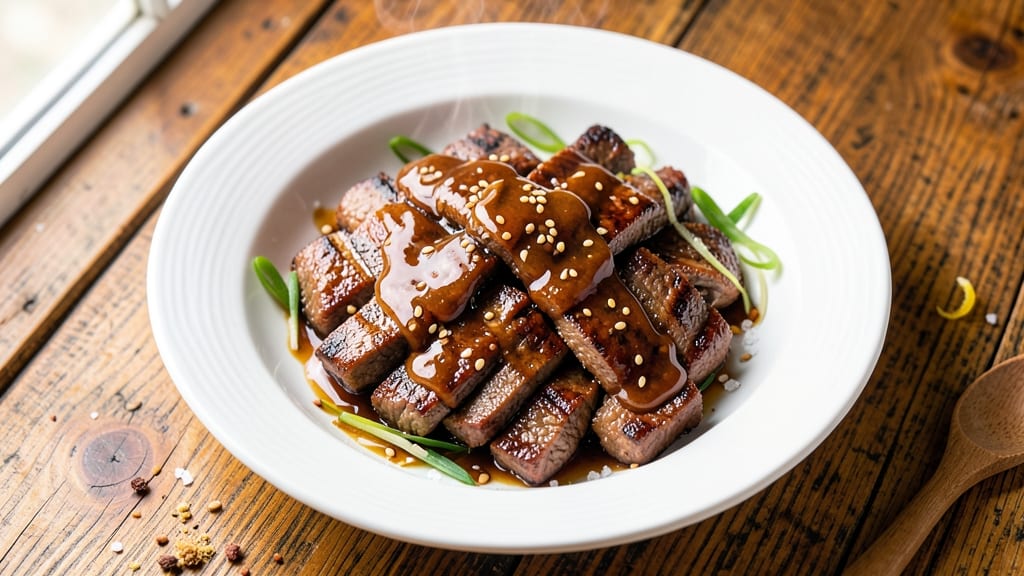
Andy Cooks Mongolian Beef delivers restaurant-quality wok-tossed beef in just 20 minutes—no takeout required. The secret lies in a perfect balance of sweet soy sauce, garlic, and ginger, tossed over thinly sliced beef until caramelized and tender. This recipe transforms a simple weeknight meal into a flavor-packed showstopper that rivals your favorite Chinese restaurant.
The magic happens in the stir-fry itself: high heat, quick cooking, and constant tossing create that signature sweet-soy crunch. We'll start with a quick marinade to tenderize the beef, then sear it in a hot wok until perfectly browned.
The sauce comes together in minutes with pantry staples, and the right technique ensures every bite is packed with bold, savory-sweet flavor.
What you'll end up with is tender, caramelized beef strips glistening with a glossy soy glaze, served over steamed rice or noodles. The aroma alone will have everyone gathering around the table, and the first bite delivers that perfect harmony of sweet, salty, and umami.
This is comfort food at its finest—easy enough for a weeknight but impressive enough for company.
Whether you're feeding a family or craving a quick solo meal, this recipe delivers. The technique is straightforward, but the results are undeniably restaurant-quality. Let's get cooking!
Ingredients for andy cooks mongolian beef
Sweet soy sauce, garlic, and ginger—just 13 ingredients for restaurant-style Mongolian beef.
| Ingredient | Amount | Notes |
|---|---|---|
| Flank Steak 🥩 | 1 ½ lb | Thinly sliced against grain |
| Sweet Soy Sauce 🥄 | ½ cup | Kikkoman preferred |
| Garlic Cloves 🧄 | 6 cloves | Minced for marinade |
| Fresh Ginger 🌿 | 2 tbsp | Finely grated, peeled |
| Sesame Oil 🫒 | 1 tbsp | Toasted for aroma |
| Brown Sugar 🍯 | 2 tbsp | Light or dark |
| Cornstarch 🌾 | 1 tbsp | For sauce thickening |
| Vegetable Oil 🫒 | 2 tbsp | High smoke point |
| Green Onions 🧅 | 4 whole | Sliced, white and green parts |
| Sesame Seeds 🌱 | 1 tbsp | Toasted for garnish |
| White Rice 🍚 | 2 cups | Uncooked, long grain |
| Salt 🧂 | 1 tsp | Diamond Crystal preferred |
| Black Pepper 🌶️ | ½ tsp | Freshly ground |
The beef is everything. Flank steak slices beautifully against the grain, but sirloin or ribeye work too—just ask your butcher to slice it thin. I grab mine from Costco when I'm doing a big batch, but any grocery store has it. Look for good marbling—it keeps the meat tender during the quick cook. The sweet soy sauce? Kikkoman is my go-to, but any good-quality brand works. If you can't find sweet soy, mix 1 tbsp sugar with regular soy sauce—close enough for most people.
No sesame oil? Toasted peanut oil gives a similar nuttiness, though it won't be exact. Short on ginger? Ginger powder at half the amount is a pinch-hitter, but fresh is always better. The cornstarch is non-negotiable for that signature thick sauce—don't skip it. For the rice, jasmine or basmati adds a nice aroma, but long-grain white is fine if that's what you've got. And if you're feeling fancy, swap the green onions for scallions or chives—whatever you've got on hand.
This sauce keeps for 5 days in the fridge, but the beef is best fresh. If you're prepping ahead, cook the rice first, then reheat the beef and sauce separately—toss them together just before serving. The rice reheats beautifully in a rice cooker or steamer. For leftovers, store everything in airtight containers. The sauce freezes well for 3 months, but the beef gets a little dry after reheating. Portion it out so you can grab just what you need.
Why You'll Love This Recipe
- One-Pan Magic: I swear by this for nights when I’m too tired to scrub pots—just sear the steak, toss in the sauce with ginger and garlic, and let it bubble. The sesame oil finishes it with that golden aroma that fills the whole kitchen.
- Umami Bomb: That sweet soy sauce and garlic combo? It’s the kind of flavor that makes you pause mid-bite. The ginger adds a little kick, and the sesame oil ties it all together—like a tiny explosion of good in every forkful.
- Lunchbox Hero: Here’s what sold me—this reheats like a dream. Pack the leftovers with rice, and it’s still tender and packed with flavor the next day. My kids actually ask for it, and that’s saying something.
- Budget Power Move: Flank steak is affordable, and a single pound stretches across meals. Double the batch, freeze half, and you’ve got a weeknight savior that won’t break the bank. Plus, the ingredients? Most are already in my pantry.
Step-by-step instructions for wok-tossed Mongolian beef
Here's how to nail this dish in under 20 minutes—crispy, caramelized beef with a glossy, sweet-savory sauce.
Prep the Marinade and Slice the Steak
In a small bowl, whisk together the 0.5 cup sweet soy sauce, 2 tbsp brown sugar, 1 tbsp sesame oil, 1 tsp salt, and 0.5 tsp black pepper until the sugar dissolves completely. This marinade is the flavor foundation—don't skip the whisking or you'll end up with grainy sugar at the bottom.
While the marinade works its magic, slice the 1.5 lb flank steak thinly against the grain into ¼-inch strips. I use a sharp chef's knife and work in batches to keep the slices even. The thinner the slices, the quicker they'll cook and absorb that amazing marinade flavor. Toss the sliced steak with half of the marinade and let it sit for 10 minutes at room temperature—this jumpstarts the flavor infusion and ensures even cooking.
Cook the Rice to Perfection
Rinse the 2 cups white rice under cold water until the water runs clear, then combine with 4 cups water and 1 tsp salt in a pot. Bring to a boil over high heat, then reduce to a simmer, cover, and cook for 15 minutes. The rice should be tender but still slightly firm—it'll finish cooking while the beef cooks. Don't peek or stir, or you'll disrupt the even cooking process.
Once cooked, fluff the rice with a fork and keep it warm covered. The rice should have a light, fluffy texture with no sticky bits. If it's still undercooked, add another ½ cup hot water and cook for another 5 minutes. Perfect rice is the base that makes this dish shine—don't rush this step.
Stir-Fry the Beef to Crispy Perfection
Heat a 14-inch wok or large skillet over high heat until it's screaming hot. Add the 2 tbsp vegetable oil and swirl to coat the pan. Add the marinated beef in a single layer and let it sear undisturbed for 1-2 minutes until the edges start to brown. Here's the thing—you want maximum surface area touching the pan for that perfect sear.
Once the beef is browned on one side, give it a quick stir and toss continuously for 2-3 minutes until it's 80% cooked but still slightly pink in the center. The beef should be caramelized and starting to crisp at the edges. Remove the beef to a plate and set aside—it'll finish cooking in the sauce.
Build the Glossy Sauce
In the same wok, add the 6 cloves minced garlic and 2 tbsp finely grated ginger and stir-fry for 30 seconds until fragrant—don't let them burn, or they'll turn bitter. Pour in the remaining ½ cup marinade and scrape up all those delicious browned bits from the bottom of the pan with a wooden spoon. This deglazing step captures all the beefy flavor that's stuck to the pan.
Bring the sauce to a boil, then reduce heat to medium and stir in the 1 tbsp cornstarch. Let it simmer for 1-2 minutes until the sauce thickens to a glossy consistency that coats the back of a spoon. If it's too thick, add 1-2 tablespoons hot water to loosen it. The sauce should be smooth, sticky, and just thick enough to cling to the beef.
Finish and Serve with Crunchy Toppings
Return the beef to the wok and toss everything together for 1 minute until the beef is fully cooked and coated in that gorgeous sauce. The beef should be tender but still hold its shape—if it's falling apart, it's overcooked. Stir in the 4 sliced green onions and let them wilt slightly in the sauce.
For the final touch, toast the 1 tbsp sesame seeds in a dry skillet over medium heat for 1 minute until golden and fragrant. Sprinkle them over the beef and rice, then garnish with extra green onions. Serve immediately while the beef is hot and the sauce is glossy—this dish tastes best straight from the wok!
Pro Tips For Making Andy Cooks Mongolian Beef
- CUT STEAK AGAINST THE GRAIN: Flank steak’s fibers run long, and if you slice with them, you’ll end up with chewy, rubbery bites. After cooking, let it rest 5 minutes, then slice perpendicular to the grain—thin, fanned slices that melt in your mouth. I used to rush this and wondered why my Mongolian beef always felt tough.
- GRATE GINGER FINE (NOT CHOP): Pre-chopped ginger from the jar? Skip it. Fresh ginger needs to dissolve into the sauce, not sit as chunks. Use the small holes of a box grater or a microplane—you’ll need about 1 tablespoon of paste for the recipe. I learned this the hard way when my sauce tasted bland but looked "correct."
- DEGLAZE WITH THE SAUCE, NOT WATER: After searing the garlic and ginger in oil, pour in the sweet soy sauce immediately—don’t wait for water. The caramelized bits stuck to the pan (the fond) dissolve into the sauce, adding depth. I used water for years until I realized my sauce lacked that rich, umami punch.
- STIR-FRY IN BATCHES (DON’T CROWD): Throwing all the steak in at once steams it instead of searing. Work in 2 portions: cook half until browned, remove, then repeat. The pan stays hot, and the beef gets that proper char. I was skeptical until I tried it—now my Mongolian beef has actual texture, not mush.
Troubleshooting great andy cooks mongolian beef
Beef Too Tough?
If your beef ends up chewy instead of tender, it's likely overcooked or not sliced thinly enough. Always slice against the grain into ¼-inch strips—thinner slices cook faster and stay tender.
Also, remove the beef from the wok when it's 80% cooked (still slightly pink) and finish cooking in the sauce. Overcrowding the pan causes steaming instead of searing, so cook in batches if needed. 💡
Sauce Too Thin?
A runny sauce usually means the cornstarch didn't thicken properly. Make sure you're using 1 tbsp cornstarch and simmering the sauce for 1-2 full minutes after adding it.
If it's still too thin, mix ½ tsp cornstarch with 1 tsp cold water, stir into the sauce, and cook for another 30 seconds. Avoid adding too much water—this sauce should coat the back of a spoon.
Burnt Garlic/Ginger?
Garlic and ginger burn faster than you think! Stir-fry them for only 30 seconds over high heat until fragrant but still pale. If they darken, remove them immediately and start fresh.
For extra insurance, pre-cook the garlic and ginger in a small pan for 1 minute before adding to the wok. 🌶️
Sticky Rice?
Sticky rice happens when you peek or stir during cooking. Once you add the rice and water, cover the pot immediately and don't disturb it for 15 minutes. If your rice is still undercooked, add ½ cup hot water and cook another 5 minutes covered.
For extra fluffiness, use a fork to gently separate the grains after cooking—never stir vigorously.
Uneven Cooking?
If some beef is raw while other pieces are overcooked, you're likely overcrowding the pan. Cook in two batches if needed, and make sure your wok or skillet is screaming hot before adding beef.
Also, keep stirring continuously—this prevents hot spots. A 14-inch wok is ideal, but a large cast-iron skillet works too. 🔥
Leftover Sauce Too Dry?
If your leftover sauce is dry or grainy, it likely separated during storage. To fix it, whisk in 1-2 tbsp hot water and reheat over medium heat until smooth.
For future leftovers, store the sauce separately from the beef in an airtight container. Reheat the sauce alone first, then toss with beef just before serving to maintain texture.
Nutrition facts
Frequently asked questions
Can I use a different cut of beef?
Yes! While flank steak is ideal, sirloin or ribeye work beautifully too. Just ask your butcher to slice it ¼-inch thick against the grain—this ensures tender results. Avoid tougher cuts like chuck, as they won't cook quickly enough for stir-frying.
What if I don't have sweet soy sauce?
No problem! Mix ½ cup regular soy sauce with 1 tbsp brown sugar to replicate the sweetness. For extra depth, add ½ tsp honey or 1 tsp hoisin sauce. The flavor won't be identical, but it'll still taste delicious.
Can I make this in a regular skillet?
While a 14-inch wok is ideal, a large cast-iron skillet works perfectly. The key is using high heat and keeping the beef in a single layer to prevent steaming. If your pan isn't wide enough, cook in two batches for even browning.
How do I serve this beyond rice?
This dish pairs wonderfully with steamed jasmine rice, but also works with egg noodles, cauliflower rice, or even roasted potatoes. For extra flair, serve over buttered noodles or with a side of steamed bok choy. The beef's bold flavor stands up to many sides!
Why does the sauce need cornstarch?
The cornstarch creates that signature glossy, sticky texture that clings to the beef. Without it, the sauce would be too thin and watery. For a gluten-free option, substitute with arrowroot powder in the same amount. The sauce should coat the back of a spoon when thickened properly.