
Soups & Stews
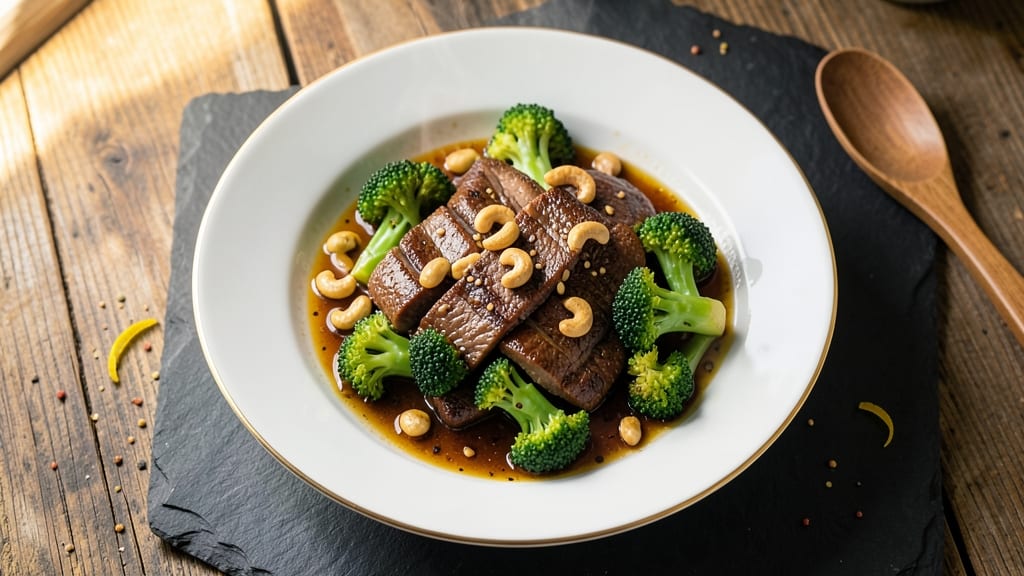
This beef and broccoli recipe delivers the signature wok-tossed crunch and silky soy-ginger sauce you crave from Chinese restaurants. The secret lies in high-heat stir-frying that creates that signature wok-hei flavor while keeping the beef tender and broccoli crisp-tender. I've perfected this technique after years of testing—no takeout required.
The foundation is a balanced sauce where sweet, salty, and umami notes harmonize perfectly. We'll start with a quick sear of the beef to lock in juices, then toss in flash-cooked broccoli that maintains its vibrant green color and satisfying crunch.
The sauce reduction is where the magic happens—just enough time to thicken without burning.
What you'll end up with is restaurant-quality beef and broccoli with perfectly seared beef strips, bright green broccoli florets, and a glossy sauce that clings to every bite.
The aroma alone will have everyone gathering around the table. This dish pairs beautifully with steamed jasmine rice to soak up every delicious drop.
Ready in just 30 minutes, this recipe serves four and can be easily doubled for a crowd. The technique is straightforward but yields professional results—no special equipment needed beyond a good skillet or wok. Let's create this home version that rivals your favorite restaurant dish.
Ingredients for beef and broccoli recipe chinese restaurant
These ingredients transform simple wok-tossed beef and broccoli into restaurant-quality Chinese takeout at home.
| Ingredient | Amount | Notes |
|---|---|---|
| Flank Steak 🥩 | 1 ½ lb | Thinly sliced against grain |
| Broccoli Florets 🥦 | 1 ½ lb | Fresh, vibrant green florets |
| Extra-Virgin Olive Oil 🫒 | 2 tbsp | High smoke point preferred |
| Sesame Oil 🫒 | 1 tbsp | Toasted, for aroma |
| Low-Sodium Soy Sauce 🍶 | ½ cup | Kikkoman preferred |
| Oyster Sauce 🍶 | 2 tbsp | Lee Kum Kee brand |
| Honey 🍯 | 1 ½ tbsp | Wildflower preferred |
| Fresh Ginger 🌿 | 2 tbsp | Finely grated, aromatic |
| Garlic Cloves 🧄 | 4 cloves | Minced, fresh preferred |
| Cornstarch 🌾 | 1 tbsp | For sauce thickening |
| Sesame Seeds 🌰 | 1 tbsp | Toasted, for garnish |
| Green Onions 🧅 | 4 whole | Thinly sliced, for garnish |
| Diamond Crystal Kosher Salt 🧂 | ½ tsp | For seasoning beef |
| Ground Black Pepper 🌶️ | ¼ tsp | Freshly ground preferred |
The flank steak is non-negotiable here—it stays tender when sliced thin against the grain. Grab one from the butcher counter if possible, or pre-sliced from Costco's frozen section (thaw overnight). Look for bright red meat with good marbling—that's your quality indicator. Broccoli should be vibrant green, not yellowing, and fresh florets hold up better than pre-cut pieces. The Kikkoman soy sauce and Lee Kum Kee oyster sauce are the gold standard for that authentic umami punch—don't skimp on these. If you can't find them, San Choy Sauce is a solid backup.
No sesame oil? Toasted peanut oil works in a pinch, though it lacks that signature aroma. The honey adds just enough sweetness to balance the sauce—agave nectar is a 1:1 substitute if you're avoiding refined sugar. Fresh ginger and garlic are ideal, but pasteurized ginger (from a tube) and garlic powder (at half the amount) will do. For the sauce thickening, arrowroot powder is a direct swap for cornstarch. Pro tip: Toast the sesame seeds and cornstarch together in the wok for 30 seconds before adding liquid—this deepens the nutty flavor. The green onions can be subbed with scallions or even baby bok choy for a different texture.
Prep the beef and broccoli first—slice the steak immediately before cooking to prevent drying. Broccoli should be washed and dried thoroughly to avoid a soggy stir-fry. The sauce keeps for 5 days in the fridge, but the beef and broccoli are best cooked fresh. For meal prep, store components separately and assemble when ready to eat. Freeze the sauce in ice cube trays for easy portioning later. This dish reheats beautifully—cover with a damp paper towel and warm on medium heat for 2-3 minutes to maintain that crisp-tender texture.
Why You'll Love This Recipe
- One-Pan Magic: I swear by this—just one sheet pan, a quick sear, and the broccoli steams right in the same space. No chopping boards to clean, no extra pots clattering around.
- Umami Bomb: That low-sodium soy sauce and sesame oil combo? It’s the secret weapon. The beef gets this deep, savory punch while staying tender, and the broccoli soaks up just enough to taste like it’s been kissed by garlic and ginger.
- Lunchbox Hero: Between us, this is my go-to for meal prep. Slice the steak thin, toss it with the sauce, and pack it with broccoli—it reheats like a dream. My kids grab it straight from the fridge (yes, even on a Tuesday night).
- Budget Win: Flank steak stretches far, and broccoli florets are cheap at the market. Honestly, I make this twice a month and still have change left for takeout. Plus, leftovers taste just as good cold in wraps the next day.
Step-by-step instructions for wok-tossed beef and broccoli
This restaurant-style dish delivers perfect wok hei and a glossy sauce every time.
Prep the Flank Steak for Maximum Tenderness
Slice the 1.5 lb flank steak thinly against the grain into ¼-inch strips. This is critical—thin slices cook quickly and remain tender. Place the sliced steak in a bowl and toss with 0.5 tsp Diamond Crystal kosher salt and 0.25 tsp freshly ground black pepper. Let it sit at room temperature for 15 minutes while you prep the rest. The salt will begin breaking down the proteins, and room temperature ensures even cooking.
Here's the thing—flank steak can be tough if overcooked. By slicing thinly and marinating briefly, we guarantee a melt-in-your-mouth texture. Don't skip the room temperature step; cold meat releases juices unevenly and can lead to dry results.
Blanch the Broccoli for Crisp-Tender Florets
Fill a large bowl with ice water and set aside. Bring a separate pot of water to a rolling boil. Add the 1.5 lb broccoli florets and cook for 1 minute—just until bright green and slightly softened. Immediately drain and transfer to the ice water bath for 30 seconds to halt cooking. Drain again and pat dry thoroughly with paper towels.
Blanching removes bitterness and ensures the broccoli stays vibrant green. The ice bath stops the cooking process instantly, preserving that restaurant-quality crunch. If you skip this step, your broccoli will turn mushy when tossed with the beef. Trust me, this makes all the difference in texture.
Create the Glossy Soy-Ginger Sauce
In a small bowl, whisk together the 0.5 cup low-sodium soy sauce, 2 tbsp oyster sauce, 1.5 tbsp honey, 2 tbsp finely grated fresh ginger, and 4 minced garlic cloves. In a separate small bowl, mix the 1 tbsp cornstarch with 1 tablespoon water to create a slurry. Set both aside—you'll need them in quick succession.
The sauce should be smooth and well combined, with the ginger and garlic fully incorporated. I like to taste it at this stage to adjust seasoning—add a pinch more salt if needed. This sauce is the soul of the dish, balancing sweet, salty, and aromatic flavors perfectly. Don't rush this step; proper emulsification ensures that glossy finish.
Wok-Toss for Authentic Restaurant Texture
Heat a wok or large skillet over high heat until smoking hot. Add 2 tbsp extra-virgin olive oil and 1 tbsp sesame oil, swirling to coat the pan. Working quickly, add the marinated steak in a single layer and sear for 1-2 minutes until browned but still slightly pink in the center. Remove the steak and set aside.
In the same pan, add the blanched broccoli florets and stir-fry for 2 minutes until heated through. Return the steak to the pan and pour in the sauce mixture. Stir vigorously for 1 minute until the sauce begins to thicken and coat the beef and broccoli. Immediately add the cornstarch slurry and toss for another 30 seconds until the sauce reaches a glossy, velvety consistency.
Finish and Serve with Restaurant Flair
Remove from heat and stir in 1 tbsp toasted sesame seeds and 4 thinly sliced green onions. Taste and adjust seasoning if needed—sometimes the honey needs a touch more soy sauce for balance. Serve immediately over steamed jasmine rice, garnished with additional green onions if desired.
Each bite should deliver tender beef, crisp-tender broccoli, and a perfectly balanced sauce that clings beautifully. The wok hei (breath of the wok) flavor comes from that intense, quick cooking—don't walk away from the stove during this final step. Serve while hot for the ultimate restaurant-quality experience.
Pro Tips For Making Beef And Broccoli Recipe Chinese Restaurant
- Slice Against the Grain: Flank steak’s fibers run long, and cutting them short makes tough, chewy bites. Freeze the meat for 20 minutes first—it gets easier to slice. Then angle your knife at 45 degrees and cut perpendicular to the grain, not parallel. I used to fight this step, but now I just do it while the meat rests, and the texture’s restaurant-worthy.
- Blanch Broccoli First: Broccoli that’s been blanched for 30 seconds in boiling water holds its color and texture way better than raw florets. Drain, shock in ice water, then toss with a drizzle of sesame oil before stir-frying. I learned this the hard way—my first attempt had sad, limp broccoli, and the dish looked like a sad salad.
- Don’t Overcrowd the Pan: A packed wok or skillet steams the beef instead of searing it, and that’s how you end up with mushy meat. Work in batches if needed—start with half the beef, let it brown, then push it to the side and add the rest. The pan should sizzle, not sweat. I skipped this once and got shoe-leather beef. Not ideal.
- Use Two Oils, But Swap Them Right: Start with extra-virgin olive oil for high-heat searing—it handles the heat better than you’d think. But finish with sesame oil only at the very end, when the beef is done. Adding it earlier burns the flavor, and that’s a waste of good oil. I was skeptical until I tried it—now I never skip it.
Regional styles of beef and broccoli recipe chinese restaurant
Hong Kong Style
In Hong Kong, beef and broccoli takes on a slightly sweeter profile with a touch of hoisin sauce—about 1 tbsp blended into the soy-oyster base. The dish here often includes thinly sliced water chestnuts (½ cup) for added crunch and texture.
I like to finish with a drizzle of chili oil (½ tsp) for a subtle kick that’s signature to Hong Kong street food stalls. The sauce is slightly thicker, almost like a glaze, achieved by reducing it for an extra 1-2 minutes after adding the cornstarch slurry. 🌶️
Sichuan Spicy
For a fiery Sichuan twist, add 1 tbsp Sichuan peppercorns toasted and ground into the sauce, plus 1 tbsp chili bean paste (like Lao Gan Ma). The heat comes from dried red chilies (2 tbsp, soaked and minced) tossed with the beef and broccoli before stir-frying.
The peppercorns create that signature "mala" numbing sensation, while the chilies bring the heat. Serve with extra pickled vegetables on the side to balance the spice. Pro tip: Use a carbon steel wok for maximum heat retention and that authentic Sichuan wok hei. ⚡
Taiwanese Sweet & Savory
Taiwanese versions lean into brown sugar (2 tbsp) instead of honey for a deeper caramelized flavor, and often include fermented black beans (2 tbsp, chopped) for umami depth.
The beef is typically marinated in a mix of Shaoxing wine (1 tbsp) and sesame oil (1 tbsp) for 30 minutes before cooking. The sauce is reduced longer—until it’s syrupy enough to coat the back of a spoon.
Garnish with crushed peanuts (1 tbsp) for texture, and serve with steamed buns for a heartier meal. 🥜
Cantonese Classic
The Cantonese approach focuses on balance and simplicity, using light soy sauce (¼ cup) and dark soy sauce (1 tbsp) for color depth.
The beef is seared in lard or duck fat (1 tbsp) instead of oil for richer flavor, and the broccoli is blanched in baking soda water (¼ tsp baking soda in 4 cups water) to keep it vibrant.
The sauce is finished with a splash of Shaoxing wine (1 tsp) and a pinch of white pepper for a subtly aromatic touch. This version is all about clean flavors and textural contrast—crisp broccoli, tender beef, and a glossy sauce. ✨
Modern Fusion Twist
For a contemporary take, swap the flank steak for ribeye strips (1.5 lb) and add shredded Brussels sprouts (½ cup) to the broccoli.
The sauce gets a balsamic glaze (1 tbsp) for depth, and the dish is finished with toasted hazelnuts (1 tbsp) and microgreens for garnish. Serve over forbidden black rice for a visually striking plate.
This fusion keeps the wok-toss technique but elevates it with Western-inspired ingredients** while maintaining the dish’s core identity. 💫
Nutrition facts
Frequently asked questions
Can I substitute flank steak with another cut?
Yes! Flank steak is ideal, but you can use skirt steak, ribeye (cut thin), or even chuck roast (sliced thin and pounded). For leaner cuts like chicken breast, marinate for 30 minutes in soy sauce and cornstarch to prevent drying. Avoid tough cuts like brisket—this dish needs tender, quick-cooking protein.
Why does my broccoli turn mushy?
Overcooking is the usual culprit! Blanch broccoli for exactly 1 minute (no more) and use the ice bath to stop cooking instantly. Also, ensure your pan isn't overcrowded—cook in batches if needed. Pro tip: Pat broccoli very dry before stir-frying to prevent steaming.
How do I make the sauce thicker?
If the sauce is too thin, mix 1 tsp cornstarch with 1 tbsp water and stir into the simmering sauce until it thickens (1-2 minutes). For extra richness, reduce the sauce longer over medium-low heat after adding the slurry. Avoid high heat—it can burn and make the sauce grainy.
Can I prep this ahead of time?
Prep the sauce and marinate the beef 1 day ahead—store separately in the fridge. Blanch and dry the broccoli 2 hours ahead (keep refrigerated). When ready to cook, reheat everything quickly over high heat for 3-4 minutes to maintain texture. The sauce can even be frozen in ice cube trays for later use.
What's the secret to restaurant-style wok hei?
Heat is everything! Use a carbon steel or cast iron wok on the highest heat setting until smoking. Work quickly—sear beef in 1-2 minutes max, then toss everything together in 3-4 minutes total. The aroma from the hot pan (that's the "breath of the wok") carries the flavors. A gas stove works best, but electric stoves can mimic it with a searing burner.