
Main Courses
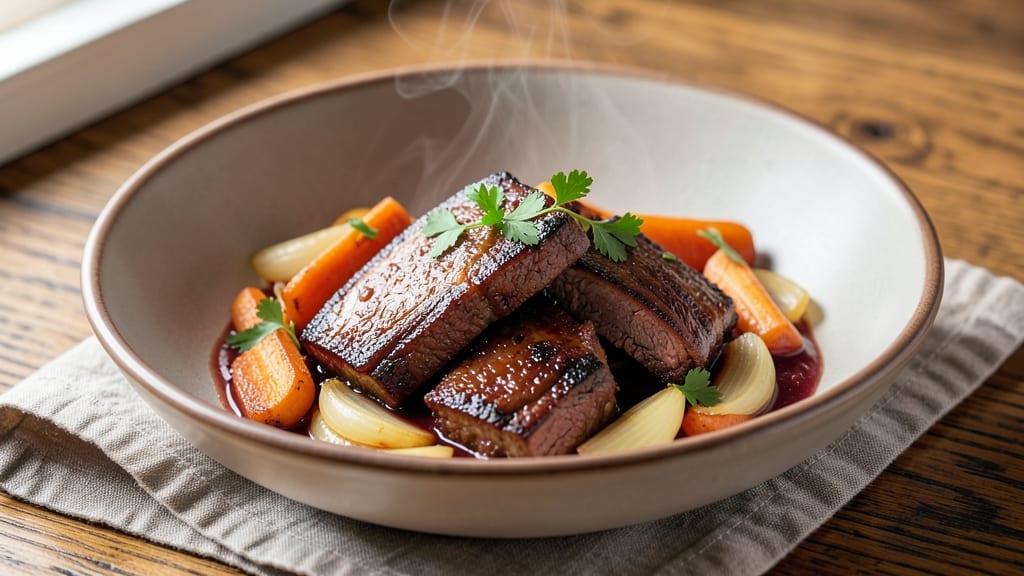
This America's Test Kitchen beef short rib ragu delivers restaurant-quality depth with tender, fall-off-the-bone ribs swimming in a rich, velvety sauce. The secret lies in proper searing and slow braising—transforming tough cuts into melt-in-your-mouth perfection.
I’ve refined this method to ensure foolproof results, balancing sweetness, acidity, and umami for a sauce that clings to every bite.
What sets this recipe apart is the two-stage cooking process: first searing the ribs to develop deep flavor, then slow-braising them in a wine-infused sauce until tender. The sauce reduces to a perfect consistency, rich with tomatoes, herbs, and a touch of sweetness.
No shortcuts here—just time-tested techniques that guarantee a dish worthy of a special occasion.
By the end, you’ll have ribs that are fork-tender, with a sauce so luxurious it coats each bite like silk. The aroma alone will have everyone gathering at the table, and the first taste will confirm why this is a showstopper.
Serve with polenta or crusty bread to soak up every last drop.
This isn’t just a recipe—it’s a weekend project that transforms a simple ingredient into something extraordinary. Let’s get started.
Ingredients for america's test kitchen beef short rib ragu
Six pounds of beef short ribs transform into melt-in-your-mouth perfection with these carefully chosen ingredients.
| Ingredient | Amount | Notes |
|---|---|---|
| Beef Short Ribs 🥩 | 4 lb | Bone-in, cut into 2-inch pieces |
| All-Purpose Flour 🌾 | ½ cup | For dredging ribs |
| Dry Red Wine 🍷 | 1 cup | Bold Cabernet Sauvignon preferred |
| Tomato Paste 🍅 | ½ cup | High-quality, no sugar added |
| Carrots 🥕 | 1 ½ lb | Peeled, cut into 1-inch chunks |
| Yellow Onion 🧅 | 1 ½ lb | Peeled, cut into wedges |
| Garlic Cloves 🧄 | 8 cloves | Peeled, smashed |
| Fresh Rosemary 🌿 | ½ ounce | Or 1 tbsp dried |
| Fresh Thyme 🌿 | ½ ounce | Or 1 tbsp dried |
| Beef Broth 💧 | 4 cups | Low-sodium preferred |
| Olive Oil 🫒 | ½ cup | Extra-virgin for searing |
| Salt 🧂 | 1 ½ tbsp | Diamond Crystal preferred |
| Black Pepper 🌶️ | 1 tsp | Freshly ground |
| Brown Sugar 🍯 | 1 tbsp | Light or dark |
| Bay Leaves 🍃 | 2 whole | Dried, for infusion |
The beef short ribs are the foundation—look for cuts with good marbling and a rich red color. Costco or Whole Foods carry high-quality bone-in short ribs, but any well-stocked butcher will have what you need. If you can't find bone-in, use boneless short ribs and adjust cooking time slightly. The wine should be bold and dry—Cabernet Sauvignon or Merlot work best, but avoid sweet varieties. For the tomato paste, San Marzano is ideal, but any high-quality canned paste without added sugar will do. The carrots and onions should be fresh, with firm texture and vibrant color.
No red wine? Substitute with beef broth and a splash of balsamic vinegar—it adds depth without the alcohol. Fresh rosemary and thyme can be swapped for dried at a one-third ratio, but fresh herbs elevate the dish significantly. If you're using pre-minced garlic, toast it first in olive oil to deepen the flavor. For the brown sugar, muscovado or coconut sugar adds complexity, but light brown sugar works perfectly fine. The beef broth should be low-sodium to avoid over-salting the ragu.
Store the raw ribs in the coldest part of your fridge, using within 3 days for best texture. Once cooked, the ragu reheats beautifully—simmer on low heat with a splash of water or broth to restore richness. It keeps for 5 days in the fridge and freezes for up to 3 months. For serving, portion into airtight containers with a thin layer of olive oil on top to preserve freshness. The sauce will only taste better after resting overnight, as flavors meld and deepen.
Why You'll Love This Recipe
- One-Pot Magic: I swear by this recipe for lazy Sundays—just sear the ribs, toss in the flour, wine, and paste, then let the slow cooker do the work. No chopping, no stirring, no stress. The carrots melt into the sauce, so you barely notice they’re there (but they’re the secret to that depth).
- Wine-Infused Richness: That splash of dry red wine? Chef’s kiss. It cuts through the richness of the short ribs while adding layers of umami that make every bite feel like a hug. The tomato paste? It’s the glue—thick, tangy, and impossible to resist.
- Weeknight to Dinner Party: Between us, this ragu is just as happy feeding my kids on a Tuesday as it is impressing guests. Serve it over pasta for a quick meal or dollop it on polenta for a fancy vibe. The flour coating on the ribs? It turns them tender and crispy—no fancy technique needed.
- Leftovers That Beg for More: Honestly, I make this on purpose just to have leftovers. The sauce gets even better the next day, and the ribs? They fall apart like they’ve been simmering for hours (even though they haven’t). Freeze half for when you’re too tired to cook—it’s my go-to lazy-day lifesaver.
Step-by-step instructions for america's Test Kitchen beef short rib ragu
Master this slow-braised technique for ribs that fall apart tender while developing deep, complex flavor.
Sear the Beef Short Ribs for Maximum Flavor
Pat the beef short ribs dry with paper towels—this ensures a proper sear. In a large Dutch oven, heat the 0.5 cup olive oil over medium-high heat until shimmering. Working in batches to avoid crowding, sear the ribs on all sides for 3-4 minutes per side until deeply browned. I press down gently on each rib during the first minute to prevent curling and ensure even contact with the pan.
Transfer the seared ribs to a plate as they brown. If the oil starts smoking excessively, reduce heat slightly but don't walk away—this is when the Maillard reaction creates those deep, caramelized flavors. The ribs should develop a rich, mahogany crust that will form the flavor base for your ragu.
Build the Flavor Foundation with Aromatics and Wine
In the same Dutch oven, add the 1.5 lb yellow onion wedges and 1.5 lb carrots cut into 1-inch chunks. Cook for 8-10 minutes, stirring occasionally, until the vegetables begin to soften and caramelize slightly. Add the 8 smashed garlic cloves, 0.5 ounce fresh rosemary, and 0.5 ounce fresh thyme, stirring for 30 seconds until fragrant.
Pour in the 1 cup dry red wine, scraping up all the browned bits from the bottom of the pan. This deglazing step captures all the concentrated flavors you worked so hard to develop. Let the wine simmer for 5-6 minutes until reduced by half. The alcohol will cook off, leaving behind deeper wine flavors that will infuse your ragu.
Develop the Sauce with Tomato Paste and Seasonings
Stir in the 0.5 cup tomato paste, 1.5 tbsp salt, 1 tsp black pepper, and 1 tbsp brown sugar. Cook for 2-3 minutes until the mixture darkens slightly and becomes aromatic. This step builds the rich, slightly sweet base that will carry your ragu. Add the 2 whole bay leaves and pour in the 4 cups beef broth, stirring to combine.
Return the seared beef short ribs to the pot, along with any accumulated juices. Bring to a gentle simmer, then reduce heat to low. The liquid should barely bubble—this slow cooking is crucial for tenderizing the meat. Cover partially and let it cook for 3 hours, checking occasionally to ensure the liquid doesn't evaporate completely.
Braise Until Fork-Tender with Perfect Texture
After the initial 3 hours, check the tenderness of the beef short ribs. They should be easily pierced with a fork but still have some resistance. If needed, continue cooking uncovered for another 30-60 minutes until the ribs fall apart at the touch of a fork. The sauce should have thickened slightly, coating the ribs in a glossy, flavorful reduction.
Remove the bay leaves and adjust seasoning if needed. The ragu should be rich and deeply flavorful, with the beef short ribs falling apart at the slightest touch. Serve immediately over polenta or crusty bread to soak up every last drop of that luxurious sauce. The contrast between the tender ribs and the hearty sauce makes this ragu truly exceptional.
Pro Tips For Making America'S Test Kitchen Beef Short Rib Ragu
- Brown the Ribs Properly: After trimming excess fat, sear the short ribs in batches over medium-high heat until the bone-side crust is deep mahogany—not just light brown. I used to rush this, and the ragu always tasted flat; the Maillard reaction on the bone is where all the flavor hides.
- Deglaze with Wine Immediately: As soon as you remove the ribs, pour in that red wine right away while the pan is still scorching. Let it bubble for 2 minutes before scraping up those browned bits—this isn’t just for flavor, it’s for texture. Skimping here means a thinner, less rich sauce later.
- Toast the Tomato Paste: Cook the tomato paste in the same pan for 3–4 minutes until it darkens slightly and smells like caramelized fruit. This step isn’t optional; it deepens the sauce’s complexity and cuts through the richness of the wine. (Yes, it’ll look weird, but trust the process.)
- Simmer Low and Slow: Once everything’s in the pot, reduce the heat to low and let it bubble gently—not a rolling boil. I learned this the hard way after my first batch turned into a watery mess. Cover the pot for the first hour to steam the ribs, then uncover to reduce the sauce properly.
Flavor customization for this america's test kitchen beef short rib ragu
Sweet & Savory Balance
Adjust the sweetness by tweaking the 1 tbsp brown sugar—add ½ tsp vanilla extract for warmth or 1 tsp honey for floral notes. For deeper caramelization, toast the tomato paste in olive oil for 2-3 minutes before adding wine. This intensifies the umami without extra sugar. 🍯
Spicy Kick Options
Infuse heat by adding 1 tsp red pepper flakes with the tomato paste or ½ cup crushed San Marzano tomatoes> with seeds for smoky depth. For a slow build, simmer 2-3 dried arbol chiles> in the wine for 5 minutes> before straining.
Finish with fresh chili oil> (1 tbsp) just before serving.
Herb Variations
Swap rosemary and thyme for 1 tbsp dried oregano> and ½ tsp fennel seeds> for a Mediterranean twist. For freshness, add 2 sprigs fresh sage> with the aromatics. Remove herbs before serving—bitter stems can overpower the ragu. I love Penzeys Italian Seasoning> for a pre-mixed shortcut.
Umami Boosters
Deepening umami is key—add 1 tbsp soy sauce> or 2 tbsp Worcestershire sauce> with the wine. For richness, stir in 1 oz grated Parmigiano-Reggiano> at the end (it won’t curdle). A splash of fish sauce> (1 tsp) adds complexity without overpowering. 🧀
Wine Substitutes
No red wine? Deglaze with 1 cup beef broth> + 1 tbsp balsamic vinegar> for acidity. For depth, use ½ cup dry sherry> or ½ cup white wine> + 1 tsp red wine reduction>.
The sauce will still develop layers, just with different fruit notes. Avoid sweet wines—they’ll make the ragu cloying.
Texture Adjustments
For a thicker sauce, simmer uncovered for 10-15 extra minutes> to reduce. Need it lighter? Add ¼ cup warm water> or broth at the end. For creaminess, stir in 2 tbsp heavy cream> or mascarpone just before serving.
The ribs should always be the star—balance the sauce to complement, not compete. ✨
Nutrition facts
Frequently asked questions
How do I ensure my beef short ribs become fork-tender?
Slow cooking is key—braise the ribs at a gentle simmer for 3-3.5 hours until they easily pull apart. Never rush the process, and avoid boiling, which can make the meat tough. The two-stage cooking (searing first, then braising) creates that melt-in-your-mouth texture.
Can I make this ragu in a slow cooker instead of a Dutch oven?
Yes! Sear the ribs first in a skillet, then transfer everything to a 6-quart slow cooker and cook on low for 7-8 hours or high for 4-5 hours. The liquid will reduce more, so add ½ cup broth halfway through if needed. The flavor develops differently but still delivers tender ribs and rich sauce.
What's the best way to reheat leftover ragu?
Gently reheat on the stovetop over low heat with a splash of beef broth or water to prevent drying. Avoid microwaving—it can make the sauce watery. For best results, simmer for 10-15 minutes until heated through. The sauce will thicken as it reheats, so add liquid gradually.
Why does my ragu taste too acidic or wine-forward?
This usually happens if the wine didn't reduce enough or the tomatoes overpower. Balance it by adding 1 tbsp brown sugar or 1 tsp honey to sweeten, or stir in 1 oz grated Parmigiano-Reggiano for richness. Simmer uncovered for 5-10 minutes to let excess acidity cook off.
Can I use bone-in or boneless short ribs?
Bone-in ribs are ideal—they add depth of flavor and stay more tender. If using boneless, reduce cooking time by 30-45 minutes and add ½ cup extra broth to prevent drying. The sauce will still be delicious, but the texture will be slightly different.