
Side Dishes
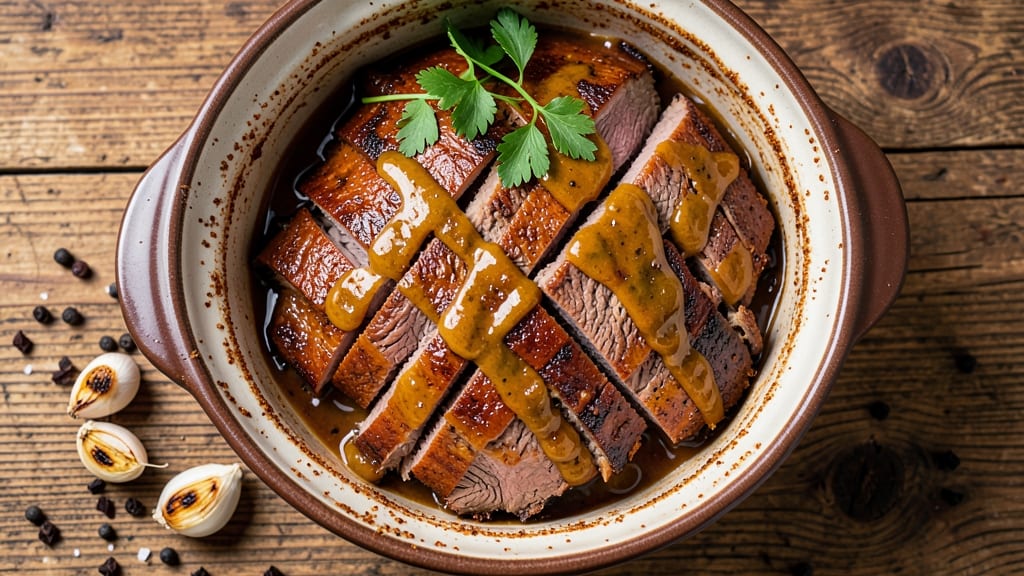
This amazing corned beef recipe transforms tough brisket into melt-in-your-mouth perfection with just a few simple steps. The secret? A long, slow braise that infuses the meat with deep, savory flavors—no fancy techniques required.
I've made this recipe countless times, and it never fails to impress, whether you're feeding a crowd or treating yourself to a cozy Sunday meal.
The process starts with soaking the brisket overnight in a spiced brine, which tenderizes the meat and builds layers of flavor. Then, it's all about patience—simmering the beef until it's fork-tender and the broth is rich enough to serve as a sauce.
The result? Juicy, flavorful slices that hold up perfectly to classic sides like boiled cabbage, potatoes, or a crisp carrot salad.
By the time you're done, you'll have a centerpiece dish that's rich, aromatic, and packed with that signature corned beef taste. The meat will be so tender it practically falls apart, and the aroma alone will have everyone gathering around the table.
It's the kind of meal that feels like a hug—comforting, satisfying, and impossible to resist.
Serve with mustard, rye bread, and pickles for the full experience. This recipe is foolproof, and the results are worth every minute of the wait. Let's get started!
Ingredients for amazing corned beef
Six ingredients make the magic happen—brisket, spices, and patience for melt-in-your-mouth perfection.
| Ingredient | Amount | Notes |
|---|---|---|
| Beef Brisket 🥩 | 4 lb | Flat cut preferred, 1-inch thick |
| Yellow Mustard 🍯 | ½ cup | Dijon or whole-grain preferred |
| Brown Sugar 🍚 | 1 cup | Light or dark, packed |
| Kosher Salt 🧂 | 1 ½ cups | Diamond Crystal preferred |
| Black Peppercorns 🌶️ | 1 tbsp | Freshly cracked preferred |
| Garlic Cloves 🧄 | 8 cloves | Whole, peeled |
| Bay Leaves 🌿 | 4 whole | Fresh preferred |
| Water 💧 | 4 cups | Cold, filtered preferred |
| Beef Broth 🍲 | 2 cups | Low-sodium preferred |
| Onions 🧅 | 2 whole | Yellow, peeled, halved |
| Carrots 🥕 | 4 whole | Medium, peeled, halved |
| Fresh Parsley 🌿 | ¼ cup | Chopped, for garnish |
The brisket is your star, so pick a good cut—flat is ideal, but point cut works too. Look for good marbling at Costco or Whole Foods if you're buying whole. Trim excess fat, but leave some for flavor. The Diamond Crystal kosher salt is key here—it dissolves better than table salt. If you can't find it, regular kosher salt works, but you might need a touch more. Fresh bay leaves add depth, but dried works in a pinch (use half the amount).
No Dijon mustard? Whole-grain mustard is the next best thing. Brown sugar substitutes? Coconut sugar or maple syrup work, but the flavor will shift slightly. The beef broth can be homemade (better) or store-bought (like Kitchen Basics or Pacific Foods). For the veggies, baby carrots or pre-cut onions save time—just peel and halve them. The garlic can be minced ahead, but keep it in the fridge until you're ready to brine the meat.
This recipe rewards patience. The brisket needs 8-10 hours of simmering, so plan ahead. Store the brisket in its brine in the fridge for up to 2 days before cooking. The cooked beef keeps 3-4 days in the fridge or 3 months frozen. The broth freezes beautifully too—portion it into ice cube trays for easy reheating. Leftovers make amazing sandwiches or tacos.
Why You'll Love This Recipe
- Salt-Crusted Simplicity: The brisket gets rubbed with kosher salt and peppercorns—no fancy marinades or hours of prep. Just let it sit overnight, then pop it in the oven while you do your Tuesday night thing.
- Sweet-Savory Magic: That brown sugar glaze caramelizes into something sticky and irresistible, cutting through the richness of the brisket. The mustard adds a tangy kick that makes every bite unforgettable.
- Leftovers That Win: This recipe actually improves the next day—tender, flavor-packed slices that disappear faster than my willpower on a lazy Sunday. (Yes, even the kids beg for seconds.)
- Budget-Boosting Powerhouse: A single brisket feeds a crowd for under $20, and the salt crust keeps it juicy without needing fancy dry rubs. Honestly, it’s my go-to for game days or when I’m broke but still want to impress.
Step-by-step instructions for slow-braised corned beef
This method transforms tough brisket into melt-in-your-mouth perfection with deep, complex flavors.
Prepare the Corned Beef Rub
In a large bowl, combine the 1 cup brown sugar, 1.5 cups kosher salt, 1 tablespoon freshly cracked black peppercorns, 8 peeled garlic cloves, and 4 whole bay leaves. I like to crush the garlic cloves slightly with the flat side of a knife to release more flavor without turning into paste. Mix everything thoroughly until the salt and sugar form an even coating.
This dry rub is what gives our corned beef that signature sweet-savory balance. The brown sugar caramelizes during cooking, creating a glossy bark, while the salt helps tenderize the meat. Spread the brisket flat-side down on a plate and pat it completely dry with paper towels—moisture is the enemy of proper seasoning.
Coat and Cure the Brisket
Generously coat the entire surface of the 4 lb beef brisket with the spice mixture, pressing it into all the crevices and edges. Then, spread 0.5 cup yellow mustard evenly over the top. The mustard acts as a binder and adds subtle tang that cuts through the richness. Place the brisket in a large resealable plastic bag and seal tightly.
Refrigerate the bagged brisket for 24 hours, turning it every 8 hours to ensure even coating. This curing process breaks down the meat fibers, resulting in incredibly tender beef. I know it's tempting to skip this step, but trust me—it makes all the difference in the final texture.
Sear the Brisket for Depth
Remove the brisket from the fridge and let it sit at room temperature for 1 hour before cooking. Heat a Dutch oven over medium-high heat and add 2 tablespoons vegetable oil. Once hot, place the brisket fat-side down and sear for 8-10 minutes until deeply browned. Flip and sear the other side for another 8-10 minutes. You're looking for a rich, caramelized crust here—this adds incredible flavor to the braised meat.
While the brisket sears, peel and halve the 2 whole onions and 4 whole carrots, then add them to the Dutch oven. The onions and carrots will soften during the braising and become part of the flavorful liquid. Remove the brisket and set it aside on a plate.
Braise Until Tender
Pour 4 cups water and 2 cups beef broth into the Dutch oven, scraping up any browned bits from the bottom. Return the brisket to the pot, fat-side up, along with the seared aromatics. Bring to a simmer over medium heat, then reduce to low heat and cover tightly. Braise for 3 hours, turning the brisket occasionally to ensure even cooking.
After 3 hours, check for doneness by inserting a meat thermometer into the thickest part of the brisket—it should read 205°F. If not quite there, continue braising for another 30-60 minutes. The meat should be fork-tender and falling apart easily. The braising liquid should be rich and slightly reduced, with a beautiful caramelized color.
Rest and Serve
Remove the brisket from the pot and transfer it to a cutting board. Tent loosely with foil and let it rest for 15-20 minutes before slicing. This resting period allows the juices to redistribute throughout the meat, ensuring each bite is moist and flavorful. While it rests, skim any excess fat from the braising liquid and keep it warm.
Slice the brisket against the grain into ¼-inch thick pieces. Garnish with 0.25 cup chopped fresh parsley and serve with the braised onions and carrots spooned alongside. The beef should be incredibly tender, with a perfect balance of sweet, savory, and slightly smoky flavors that stand up beautifully to cabbage and mustard-based sides.
Pro Tips For Making Amazing Corned Beef
- USE A DAMP PAPER TOWEL: The brisket’s fat cap needs to render without turning to grease hell. Fold a paper towel damp but not dripping, press it onto the fat cap early—this keeps it shiny and crispy while cooking. I learned this the hard way after my first batch looked like a science experiment gone wrong.
- SALT THE MEAT 24 HOURS EARLY: Kosher salt isn’t just for seasoning—it’s for tenderizing. Sprinkle a generous layer (about 1 tablespoon per pound) all over the brisket and let it sit uncovered in the fridge. The salt breaks down proteins, and the crust forms better when you finally cook it. (Yes, even if you’re impatient like me.)
- WATCH THE MUSTARD BURN: Yellow mustard is the glue, but it’s also the fastest thing to scorch. Once you spread it on the brisket, keep the heat moderate—no blistering. If it starts darkening too soon, pull the pan back a notch. My grandmother swore by this, and she was right: burnt mustard tastes like regret.
- REST IT UNDER FOIL: Cutting into corned beef too soon is a crime. After pulling it from the oven, tent it with foil and let it sit for a solid 10–15 minutes. This keeps the juices from pooling on the cutting board. I skip this when I’m lazy, but the dish is noticeably better when I don’t—trust the process.
Flavor customization for amazing corned beef
Sweet vs. Savory
Adjust the sweetness by tweaking the brown sugar—use ½ cup for a more savory profile or 1½ cups for a sweeter, caramelized finish. For extra depth, add 1 tbsp molasses to the brine.
I find the balance of sweet and salty is what makes corned beef special, but you can lean into either direction based on preference. 🍯
Spicy Kick
For heat lovers, add 1 tbsp cayenne pepper or 2 tbsp smoked paprika to the dry rub. If you prefer a milder spice, swap in 1 tsp ground coriander for warmth without heat. Fresh red pepper flakes can also be sprinkled on top before serving for a final touch. 🌶️
Herb Variations
Swap out bay leaves for thyme or rosemary for a more herbal note. Fresh thyme adds earthiness, while rosemary brings a piney brightness. I like using both—2 sprigs thyme + 1 sprig rosemary—for a balanced aroma. Dried herbs work too (use half the amount).
Umami Boost
Enhance the depth with 1 tbsp soy sauce or 1 tsp fish sauce in the braising liquid. For a vegetarian-friendly twist, add 1 tbsp miso paste to the brine. These additions amplify the savory profile without overpowering the corned beef’s natural flavor. 💫
Citrus Zest
Brighten the dish with 1 tbsp lemon zest or 1 orange peel strip in the brine. The citrus cuts through the richness and adds a refreshing contrast. Remove the peel before serving—it’s all about the aroma, not the texture. I love this for a St. Patrick’s Day twist! 🍊
Smoky Depth
For a smoky flavor without a smoker, add 1 tbsp liquid smoke to the braising liquid. Alternatively, wrap the brisket in butcher paper and place it on a grill for the last 30 minutes of cooking. This adds a charred, smoky crust that’s hard to resist. ⚡
Nutrition facts
Frequently asked questions
Can I use pre-seasoned corned beef brisket instead of making the brine from scratch?
Pre-seasoned briskets save time and still deliver great results. Just sear it as directed, then braise for 2-3 hours until tender. The key is to add 2 cups beef broth and 1 cup water to the pot for moisture. Check for doneness at 205°F—pre-seasoned cuts often cook faster than homemade.
How do I keep the corned beef from getting too salty?
If you're worried about saltiness, reduce the kosher salt to 1 cup and increase the brown sugar to 1.25 cups to balance flavors. For pre-seasoned briskets, rinse briefly under cold water before cooking to remove excess surface salt. Always taste the braising liquid and adjust with a splash of broth or water if needed.
What's the best way to reheat leftover corned beef?
Slice the corned beef and reheat in a skillet with 1 tablespoon butter over medium-low heat for 3-4 minutes until warmed through. For sandwiches, warm the meat with a splash of the original braising liquid. Never microwave—it makes the meat dry. The braising liquid also reheats beautifully for gravy or sauces.
Can I make this recipe in a slow cooker?
Yes! After searing, transfer everything to a 6-quart slow cooker and cook on low for 8-10 hours or high for 5-6 hours. The slow cooker's gentle heat ensures perfect tenderness. Just add 1 cup extra broth to prevent drying. The texture will be slightly more fall-apart than stovetop, but equally delicious.
Why did my corned beef turn out dry?
Dry corned beef usually means it cooked too long or wasn't rested properly. Always aim for 205°F internal temp, not higher. For extra moisture, add ½ cup broth during the last 30 minutes of cooking. Let it rest 20 minutes before slicing—this traps juices. If using a pre-seasoned brisket, reduce cooking time by 1 hour.