
Main Courses
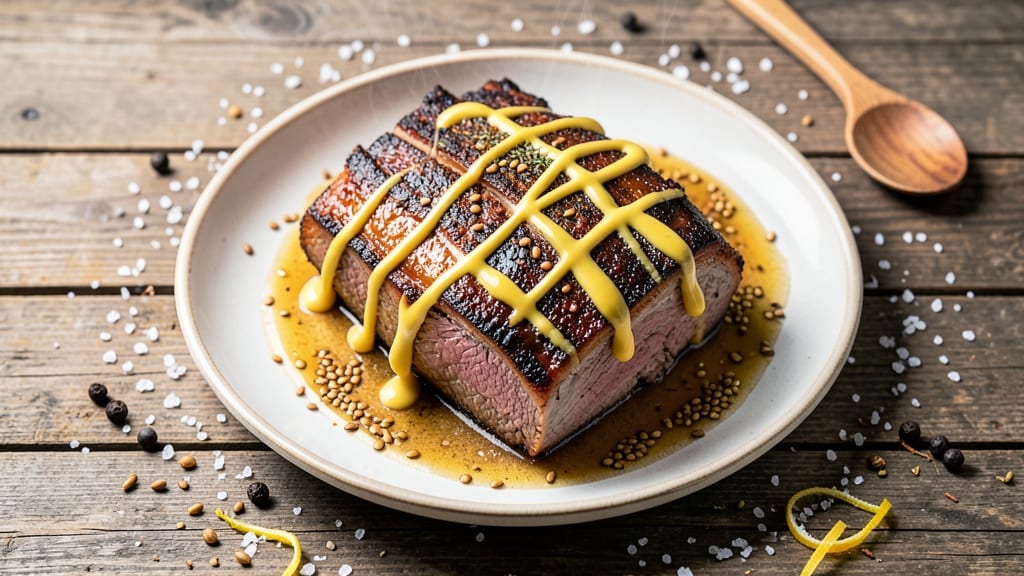
A 7 lb beef brisket transformed into fork-tender perfection with a deep, smoky bark is the centerpiece every cook wants to master. This recipe delivers restaurant-quality results at home, whether you're using a smoker, oven, or grill.
The key lies in patience—low-and-slow cooking breaks down tough connective tissue while rendering fat into flavorful bark that cracks with every bite.
What sets this recipe apart is the precise temperature control and resting technique that ensures juicy meat without drying it out. You'll start with a dry rub that clings to the brisket, creating a flavorful crust while the internal temperature climbs to 203°F—the magic number for melt-in-your-mouth tenderness.
No guesswork, just science-backed results that impress even the most critical barbecue enthusiasts.
The final product is a 7 lb masterpiece that practically falls apart at the touch of a fork, with a dark, crackling bark that adds texture and depth. Serve it sliced thin against warm cornbread, crisp coleslaw, or classic white bread with a drizzle of homemade barbecue sauce.
This isn't just a brisket—it's a showstopper that turns any gathering into a memorable meal.
Ready to tackle this project? The payoff is worth every hour of cooking. Here's how to achieve that perfect balance of smoky flavor, tender meat, and irresistible bark—every time.
Ingredients for 7 lb beef brisket
Precision-crafted ingredients transform a tough 7 lb brisket into a restaurant-quality masterpiece with perfect bark and tender meat.
| Ingredient | Amount | Notes |
|---|---|---|
| Beef Brisket (Whole Packer Cut) 🥩 | 7 lb | Flat or point-whole preferred, well-marbled |
| Yellow Mustard 🍯 | ¼ cup | For rub adhesion, non-spicy preferred |
| Coarse Kosher Salt 🧂 | ½ cup | Diamond Crystal preferred for texture |
| Coarse Black Pepper 🌶️ | ¼ cup | Freshly cracked for optimal flavor |
| Smoked Paprika 🌶️ | 0.1 cup | High-quality Spanish paprika preferred |
| Ground Cumin 🌿 | 1 tbsp | Toasted for deeper aroma |
| Garlic Powder 🧄 | 2 tsp | Freshly ground preferred |
| Onion Powder 🧅 | 2 tsp | Freshly ground for better flavor |
| Ground Coriander 🌿 | 1 tbsp | Adds subtle citrus note |
| Brown Sugar 🍚 | 2 tbsp | Light or dark, for bark development |
| Wood Chips (Hickory or Oak) 🌳 | 4 cups | Soaked for 1 hour minimum |
| Apple Juice or Cider Vinegar 🍎 | 1 cup | For spritzing during cook |
| Beef Tallow or Vegetable Oil 🫒 | 2 tbsp | For fat cap application |
The beef brisket is non-negotiable—look for a well-marbled packer cut with visible fat between the muscles. Local butchers or high-end grocery stores like Whole Foods or Dartmouth Farms carry superior quality. Avoid pre-trimmed briskets; the fat cap is essential for moisture and bark development. For a 7 lb brisket, the flat section should dominate, with the point attached for balanced cooking. If your butcher doesn't have a whole brisket, request the flat cut (5-6 lbs) and add a 1-2 lb point cut separately—this ensures even tenderness. The fat cap should be at least 1/4-inch thick to render properly during cooking.
No smoked paprika? Substitute with 1 tbsp regular paprika plus 1 tsp liquid smoke for depth. The yellow mustard is critical for rub adhesion—Dijon-style works if you prefer tang. For wood chips, hickory dominates flavor while oak adds subtle sweetness; Traeger or Cookshack brands are reliable. The apple juice or vinegar spritz prevents bark from becoming too hard; Trader Joe's sells affordable apple cider vinegar in bulk. If you're cooking in an oven, vegetable oil works fine instead of tallow, though tallow adds richer flavor. The brown sugar can be swapped for white sugar if you prefer a less caramelized bark, though it sacrifices some depth.
Store uncooked brisket in its original packaging in the coldest part of your fridge for up to 5 days. Once rubbed, keep it uncovered on a wire rack for 12-24 hours before cooking to dry the surface for better bark adhesion. Cooked brisket reheats beautifully—wrapped in butcher paper in a 275°F oven for 1-2 hours restores moisture. Portion into vacuum-sealed bags for freezing up to 3 months; thaw overnight in the fridge. The wood chips should be stored in an airtight container in a cool, dark place for up to 6 months. For leftovers, slice against the grain and serve on toasted buns with pickles and onions for optimal presentation.
Why You'll Love This Recipe
- Salt-Crust Magic: I’ll be real—rubbing that whole brisket with kosher salt and smoked paprika before the oven is chef’s kiss effort. No fancy marinades, no messy pastes, just a dry rub that locks in flavor while the crust forms like a dream.
- Mustard’s Secret Weapon: That yellow mustard isn’t just for dipping—it’s the unsung hero here. Brush it on early, and it caramelizes into a sticky, tangy glaze that cuts through the richness. (Yes, even my picky teens go back for seconds.)
- Leftovers That Last: Between us, this brisket begs for leftovers. Shred it for sandwiches, dice it into tacos, or freeze half for next month’s potluck. The flavor only gets better after a day or two—no sad, dry meat here.
- One-Pan Sunday Hero: Honestly, this is my go-to when the in-laws visit. Toss the whole brisket on a sheet pan, set the oven, and walk away. By the time you’re done with dessert, dinner’s ready—no stress, no fuss.
Step-by-step instructions for smoked brisket
Mastering this 7 lb brisket requires patience and precision—follow these steps for perfect bark and fork-tender meat.
Prepare the Brisket and Create the Rub
Begin by trimming the fat cap of the 7 lb beef brisket to about ¼ inch thickness, leaving enough fat to protect the meat during smoking. Pat the entire surface dry with paper towels—this ensures the rub adheres properly and creates that coveted bark. In a large bowl, combine the 0.5 cup coarse kosher salt, 0.25 cup coarse black pepper, 0.1 cup smoked paprika, 1 tbsp ground cumin, 2 tsp garlic powder, 2 tsp onion powder, 1 tbsp ground coriander, and 2 tbsp brown sugar. Mix thoroughly to distribute the spices evenly.
Spread the 0.25 cup yellow mustard evenly over the brisket, then press the spice mixture firmly into every surface, including the fat cap. The mustard acts as a binder, ensuring the rub stays in place during the long cook. Once coated, place the brisket on a wire rack set over a tray and refrigerate uncovered for at least 4 hours, or preferably overnight. This step is critical—it allows the rub to penetrate deeply and the meat to dry slightly, both essential for that perfect crust.
Soak Wood Chips and Set Up the Smoker
Soak the 4 cups wood chips (hickory or oak) in water for at least 1 hour before smoking. This prevents them from burning too quickly and ensures a steady stream of flavorful smoke. Preheat your smoker to 225°F using the soaked wood chips. You'll know it's ready when you see clean, blue smoke—thick white smoke indicates the wood isn't fully ignited yet.
Position the brisket fat-side up on the smoker grate. The fat will render slowly, basting the meat as it cooks. Place a water pan in the smoker to maintain moisture and prevent the bark from drying out too quickly. Close the lid and resist the urge to check on it—each time you open the smoker, you lose heat and extend cook time.
Smoke Low and Slow with Spritzing
Smoke the brisket undisturbed for 4-6 hours, maintaining a consistent temperature of 225°F. Every 90 minutes, spritz all sides with the 1 cup apple juice or cider vinegar using a spray bottle. This keeps the surface moist, preventing a hard crust from forming too early and ensuring even cooking. The brisket will eventually hit "the stall"—a point where the internal temperature plateaus around 165°F. This is normal and occurs as moisture evaporates.
When the stall happens, wrap the brisket tightly in butcher paper (not aluminum foil). This technique, known as the "Texas crutch," helps push the brisket through the stall while preserving the bark. Return it to the smoker and continue cooking until the internal temperature reaches 203°F at the thickest part of the flat. This typically takes an additional 4-6 hours, but always rely on the probe test—when it slides in like butter with no resistance, the brisket is fork-tender.
Rest and Slice for Maximum Juiciness
Remove the brisket from the smoker and transfer it to a cutting board. Tent loosely with foil and let it rest for at least 1 hour, or ideally 2 hours, before slicing. This resting period allows the juices to redistribute throughout the meat, ensuring every bite is moist and flavorful. During this time, the internal temperature will rise another 5-10°F, so don't be alarmed if the thermometer climbs slightly.
Slice the brisket against the grain into ¼-inch thick pieces. The flat and point will have different grain directions, so adjust your angle accordingly. Serve immediately with the rendered juices from the butcher paper. Each slice should be tender enough to pull apart with a gentle tug, with a dark mahogany bark on the outside and a beautiful pink smoke ring just beneath. The result is a brisket that's perfectly balanced—crispy on the outside, tender on the inside, and infused with deep, smoky flavor.
Pro Tips For Making 7 Lb Beef Brisket
- Trim the Fat First: That thick fat cap on a whole packer brisket isn’t just for looks—it’s your flavor shield. Use a sharp knife to trim it down to about ¼-inch thick on the sides before seasoning. I learned this the hard way when my first attempt rendered into a greasy mess instead of a crispy crust.
- Salt in Layers: Don’t just dump salt on top—work it into the crevices. After applying your first coat of kosher salt and smoked paprika, flip the brisket and repeat. The mustard layer (if using) will stick better, and the seasoning won’t slide off when you flip it in the oven. Yes, it’s tedious, but it’s the thing that matters most for even flavor.
- Skip the Crowding: If you’re cooking this in a pan or skillet, resist the urge to stack other proteins around it. A 7 lb brisket needs space to sear properly—give it room to breathe for the first 5 minutes on high heat. I was skeptical until I tried it; the crust forms faster and deeper when it’s not fighting for space.
- Probe Like a Pro: Use a meat thermometer to check the thickest part of the flat (not the point)—aim for 195°F internal temp. If you’re unsure, cut into a small section near the bone; the meat should pull away cleanly but still hold together. Overcooking turns tender brisket into shoe leather, and no one wants that.
Pro cooking tips for perfect results
Temperature Control Secrets
Your smoker's temperature is the single most critical factor for success. I recommend using a dual-probe thermometer like the Meater or ThermoWorks Smoke to monitor both the smoker's air temperature (225°F ± 5°F) and the brisket's internal temperature.
Fluctuations of more than 10°F can lead to uneven cooking or a tough exterior. If your smoker struggles to maintain temperature, try using charcoal chunks instead of wood chips—they burn longer and provide more stable heat. 🌡️
Spritzing Science
Spritzing every 90 minutes with apple juice or cider vinegar is non-negotiable for that perfect bark. I use a spray bottle with a fine mist to avoid soaking the rub. The acidity in the vinegar helps break down the bark slightly, allowing it to develop more evenly.
Pro tip: Keep your spritz liquid room temperature—cold liquid can shock the meat and cause uneven cooking.
The Texas Crutch
When your brisket hits 165°F and stalls, it's time for the Texas crutch. Wrap it tightly in butcher paper (not foil) to trap steam while allowing the bark to stay crisp. I like Pink Butcher Paper from Smoked BBQ Source—it's sturdy enough to handle the weight.
This technique can shave 2-3 hours off your total cook time while maintaining that perfect crust. 🔥
Resting Like a Pro
Never skip the rest! After removing the brisket from the smoker, let it rest for at least 1 hour (I prefer 2 hours) before slicing. During this time, the internal temperature will rise another 5-10°F.
Tent loosely with foil and place on a wire rack to allow air circulation. This step is what transforms your brisket from good to legendary by redistributing juices throughout the meat.
Slicing Against the Grain
Use a sharp boning knife (I recommend the Victorinox 12-inch) to slice against the grain. The flat and point have different grain directions, so rotate your cutting board mid-slice. Aim for ¼-inch thick slices—thinner slices can dry out, while thicker slices may feel tough.
Always slice perpendicular to the muscle fibers for maximum tenderness. The first slice should practically fall apart in your hands. ✨
Equipment Upgrades
Invest in a high-quality meat thermometer—I can't stress this enough. The ThermoWorks Smoke has saved me from overcooked briskets more times than I can count. For smokers, the Traeger Pellet Grill is my go-to for consistency, but a Weber Smokey Mountain works beautifully too.
If you're on a budget, the Masterbuilt 200715** is a solid entry-level option that still delivers great results with proper temperature management.
Nutrition facts
Frequently asked questions
Can I cook a 7 lb brisket in an oven instead of a smoker?
Yes! Use an oven set to 275°F with a water pan on the bottom rack. Place the brisket fat-side up on a rack over the pan, then loosely tent with foil. Cook until the internal temperature reaches 203°F (about 6-8 hours). Spritz with apple juice every 90 minutes and wrap in butcher paper when it hits 165°F to speed up cooking while preserving bark. The oven method works well for indoor cooking but lacks the smoky depth of a smoker.
How do I know when the brisket is done?
Use a meat thermometer inserted into the thickest part of the flat (avoid the fat). The brisket is done when it reaches 203°F internally—this is the "probe test" for perfect tenderness. The meat should pull apart easily with two forks, and the bark should be dark mahogany with a slight crackle. Never rely on time alone; the thermometer is your best tool for accuracy.
Why does my brisket turn out tough?
Tough brisket usually means it didn't cook long enough or was overworked. Ensure you reach 203°F internal temperature and let it rest for 2 hours before slicing. Avoid cutting too soon—juices need time to redistribute. Also, check your smoker temperature: fluctuations above 235°F can dry out the meat. A 225°F steady temp is ideal for breaking down collagen slowly.
What's the best way to reheat leftover brisket?
Wrap slices in butcher paper and reheat in a 275°F oven for 15-20 minutes until warmed through. For larger portions, place the whole brisket in a vacuum-sealed bag and submerge in a 160°F water bath for 1-2 hours. Avoid microwaving—it dries out the meat. The goal is to gently restore moisture without overcooking.
Can I use a different wood chip flavor?
While hickory and oak are traditional, try pecan for a sweeter profile or cherry for fruity notes. Avoid fruitwoods like apple or mesquite—they can overpower the beef. For a balanced flavor, mix 50% hickory with 50% cherry. Just ensure your wood chips are 100% natural and free of additives for the best results.