
Soups & Stews
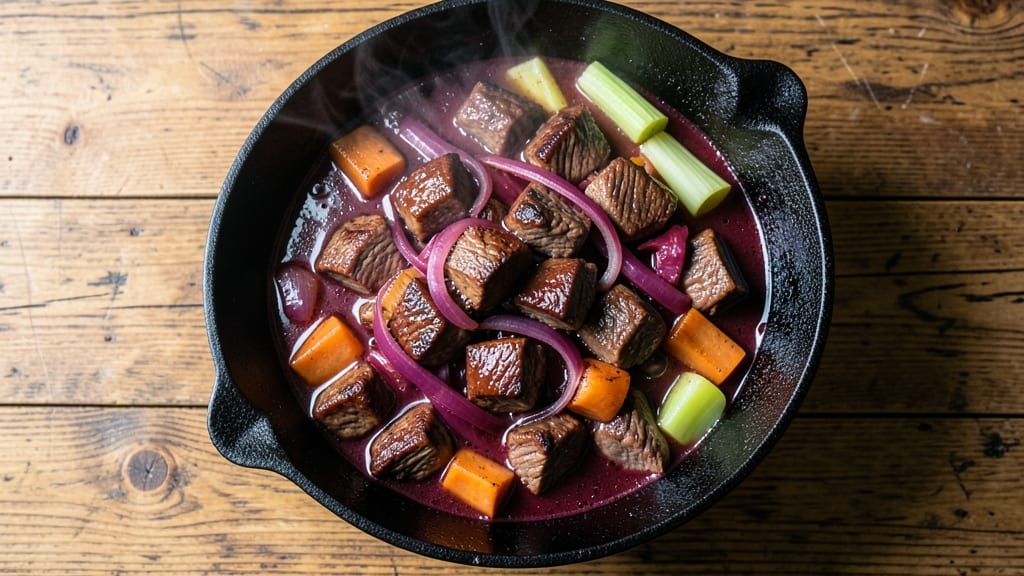
This all-natural beef stew recipe transforms tough cuts into melt-in-your-mouth tenderness using only the finest ingredients and time-honored techniques. The deep-red wine braise creates a rich, complex flavor profile that builds as it simmers, while caramelized root vegetables add natural sweetness and texture.
What sets this recipe apart is the commitment to using only grass-fed, pasture-raised beef and organic vegetables—no preservatives or fillers, just pure, wholesome ingredients that deliver restaurant-quality results at home.
The foundation of this stew begins with proper searing of the beef, which develops a rich crust that forms the flavor base for the entire dish.
Unlike quick-cooking methods, this recipe relies on slow simmering to break down the collagen in the meat, resulting in a velvety broth that coats every bite.
The addition of red wine not only enhances the depth of flavor but also tenderizes the beef naturally, while aromatic herbs and spices work together to create a harmonious balance.
By the time your stew finishes cooking, you'll have a dish that's rich in flavor yet balanced in richness—perfectly tender beef, caramelized vegetables, and a sauce that's thick enough to coat a spoon.
The aroma alone will have everyone gathering around the table, and each bite delivers that satisfying combination of hearty meat, sweet vegetables, and complex wine-infused broth. This is comfort food at its finest, made even better by knowing exactly what's in every ingredient.
The best part? This recipe scales beautifully for any occasion, whether you're feeding a family of four or hosting a dinner party. The slow-cooking method makes it ideal for meal prep as well, as flavors actually improve over time.
Once you try this all-natural version, you'll never go back to store-bought stew again—it's that good. Let's get started on creating your perfect pot of beef stew.
Ingredients for all natural beef stew
Sixteen ingredients for a stew that tastes like a restaurant's finest comfort dish.
| Ingredient | Amount | Notes |
|---|---|---|
| Grass-Fed Beef Chuck Roast 🥩 | 3 lb | Cut into 1.5-inch cubes, trimmed of fat |
| Dry Red Wine 🍷 | 2 cups | Bold variety like Cabernet Sauvignon |
| Beef Broth 💧 | 3 cups | Low-sodium, homemade preferred |
| Yellow Onions 🧅 | 2 whole | Medium size, sliced into wedges |
| Carrots 🥕 | 4 whole | Medium size, cut into chunks |
| Celery Stalks 🌿 | 4 whole | Cut into 1-inch pieces |
| Garlic Cloves 🧄 | 6 cloves | Minced, not pre-minced jar |
| Tomato Paste 🍅 | ½ cup | High-quality, no sugar added |
| Fresh Thyme 🌿 | 2 tbsp | Leaves only, stems removed |
| Fresh Rosemary 🌿 | 1 tbsp | Chopped, woody stems removed |
| Extra-Virgin Olive Oil 🫒 | 3 tbsp | For searing, high smoke point |
| All-Purpose Flour 🌾 | 2 tbsp | For dusting beef cubes |
| Kosher Salt 🧂 | 1 ½ tsp | Diamond Crystal preferred |
| Freshly Ground Black Pepper 🌶️ | 1 tsp | Cracked peppercorns preferred |
| Bay Leaves 🌿 | 2 whole | Fresh if available |
The beef is the star here—grass-fed chuck roast from a trusted butcher or specialty store like Whole Foods makes all the difference. Look for deep red color and good marbling; avoid anything with grayish tones. If you can't find grass-fed, organic chuck is the next best thing. The wine? Cabernet Sauvignon or Merlot—whatever bold red you have open. For the broth, homemade is ideal, but low-sodium store-bought works in a pinch. The root vegetables should be organic if possible, as their skins add texture and flavor to the stew.
No red wine? Substitute beef broth with 1 tbsp balsamic vinegar for depth. Fresh herbs wilt fast—dried thyme and rosemary at half the amount work if needed. Pre-minced garlic lacks flavor; smash whole cloves with the side of your knife for better results. The tomato paste can be replaced with 1 cup crushed tomatoes, but it won't thicken the stew as effectively. For a quicker version, swap carrots and celery for pre-cut stew vegetables—just don't skip the onions, they're the flavor base. The flour is just for dusting; skip it if you prefer a gluten-free version.
This stew tastes even better the next day—make extra portions for leftovers. Store in an airtight container in the fridge for 4-5 days or freeze for 3 months. For reheating, add a splash of broth or water to prevent drying. The wine and broth will reduce as it cooks, so add 1/2 cup water if it gets too thick. The beef should be fork-tender; if not, simmer uncovered for another 30-45 minutes. Serve with crusty bread to soak up all that rich sauce.
Why You'll Love This Recipe
- One-Pot Magic: I swear by this—just toss everything in a Dutch oven and walk away. The grass-fed beef practically melts into tender perfection while you sip that red wine (don’t skip it—the acidity cuts through the richness like a dream).
- Deep, Wine-Kissed Richness: That dry red wine isn’t just for show—it infuses the broth with a velvety depth you won’t find in store-bought versions. The beef? So juicy it falls apart at the touch of a fork, and the carrots stay crisp enough to bite into.
- Leftovers That Beg for More: Between us, this stew only gets better the next day. The flavors meld overnight, and reheating it is just stirring, warming, and instant cozy. Honestly, I make double batches just to have it for lunch—no guilt, all satisfaction.
- Budget-Friendly Luxury: Grass-fed beef might sound fancy, but a single roast stretches across multiple meals. The onions and carrots bulk it up, and the wine? A cheap bottle does the trick. It’s the kind of meal that feels special without breaking the bank.
Step-by-step instructions for deep-red wine braised beef stew
This method transforms tough chuck roast into fork-tender perfection through precise searing and slow braising.
Prepare and Sear the Beef
Pat the 3 lb grass-fed beef chuck roast dry with paper towels and cut it into 1.5-inch cubes, trimming any visible fat. This step is crucial for achieving maximum browning and flavor development.
In a large Dutch oven, heat 2 tablespoons of the extra-virgin olive oil over medium-high heat until shimmering. Working in batches to avoid crowding, add the beef cubes and sear for 2-3 minutes per side until deeply browned. The key here is patience—don't rush the searing or the meat won't develop that rich, caramelized crust that forms the flavor base for your stew.
Remove the browned beef and set aside. Add the remaining 1 tablespoon of extra-virgin olive oil to the Dutch oven and return it to medium heat. Sprinkle the 2 tablespoons of all-purpose flour over the browned bits in the pan and stir vigorously for 30 seconds to create a light roux. This will help thicken your stew later.
Develop the Flavor Base
Add the sliced yellow onions, carrot chunks, and celery stalk pieces to the Dutch oven. Cook for 5-6 minutes, stirring occasionally, until the vegetables begin to soften and the onions turn translucent. This process, called sweating, draws out their natural sugars and flavors.
Stir in the minced garlic cloves and cook for an additional 30 seconds until fragrant. Here's where it gets good—add the 0.5 cup tomato paste and cook for 1 minute, stirring constantly. This step deepens the stew's richness and balances the acidity from the wine.
Pour in the 2 cups of dry red wine, scraping up any browned bits from the bottom of the pot. Let the wine simmer for 3-4 minutes until reduced by about half and the alcohol has mostly evaporated. This reduction intensifies the wine's flavor and prepares the base for the braising liquid.
Braise the Beef to Tenderness
Return the seared beef cubes to the Dutch oven along with the 3 cups of beef broth. Add the 2 whole bay leaves, 1.5 teaspoons of kosher salt, and 1 teaspoon of freshly ground black pepper. Bring the mixture to a gentle simmer, then reduce the heat to low to maintain a bare simmer.
Cover the Dutch oven and transfer it to a preheated 325°F oven. Here's the critical part: braise for 2.5 to 3 hours until the beef is fork-tender. The stew should have reduced slightly, with a thick, velvety sauce that coats the back of a spoon. If the liquid reduces too quickly, add a splash of water or broth to maintain the proper consistency.
About 30 minutes before the stew is done, stir in the 2 tablespoons of fresh thyme leaves and 1 tablespoon of chopped fresh rosemary. These herbs add bright, aromatic notes that complement the deep flavors of the beef and wine.
Adjust and Serve
Remove the stew from the oven and let it rest for 10 minutes. This resting period allows the flavors to meld and the juices to redistribute throughout the beef. Skim off any excess fat that has risen to the surface with a spoon.
Taste the stew and adjust the seasoning if needed. You might need to add a pinch more salt or a splash of wine to balance the flavors. The stew should be rich, with tender beef that falls apart easily and a sauce that coats the vegetables perfectly.
Serve the beef stew hot, ladling it over crusty bread or mashed potatoes. The aroma alone will make your kitchen smell like a rustic European bistro. Each bite should deliver the deep, complex flavors of the wine and beef, balanced by the sweetness of the caramelized vegetables.
Pro Tips For Making All Natural Beef Stew
- SEAR THE CHUCK HARD: Grass-fed beef needs that crust to stay tender later. Hit the roast with high heat—no crowding the pan—and let it brown for 4-5 minutes per side. I used to rush this, and the stew turned out mushy. Don’t skip the smoke.
- SWEAT ONIONS LOW AND SLOW: Chop onions into ½-inch chunks and cook them at 300°F (150°C) for 10 minutes before adding wine. This softens them without burning and deepens their flavor. I learned this the hard way—charred onions ruin the whole dish.
- DEGLAZE WITH BROTH FIRST: After searing the meat, splash in 1 cup of beef broth before adding wine. This loosens the browned bits without thinning the sauce too fast. The wine can come later—this step guarantees a richer base.
- SIMMER COVERED, THEN UNCOVERED: Cook the stew covered for 2 hours, then uncover for the last 30 minutes. This evens out the liquid and lets the wine’s acidity mellow. I skip this, and the stew tastes flat—don’t be lazy.
Serving suggestions for this dish
Crusty Bread Pairing
Nothing beats this stew with a warm, crusty baguette to soak up every last drop of that rich wine-infused sauce. I recommend a freshly baked sourdough or brioche loaf from your local bakery—look for one with a crisp exterior and soft, airy interior.
For extra flair, brush the bread with garlic-infused olive oil and sprinkle with flaky sea salt before serving. The contrast of the sturdy bread against the tender beef creates the ultimate comfort food experience. 🥖
Classic Mashed Potatoes
Creamy mashed potatoes are the ultimate side for beef stew, balancing the deep flavors with their smooth, buttery texture. Use Yukon Gold potatoes boiled until tender, then mashed with butter, warm milk, and a touch of cream.
For extra richness, fold in roasted garlic or crispy bacon bits. The potatoes should be light enough to let the stew's flavors shine through but substantial enough to hold their own. Serve immediately for the best texture.
Fresh Green Salad
A bright, crisp salad cuts through the richness of the stew beautifully. Toss mixed greens with thinly sliced radishes, cucumber, and cherry tomatoes. Whisk together olive oil, lemon juice, Dijon mustard, and a pinch of honey for a tangy dressing.
Add toasted walnuts or pecans for crunch and shaved Parmesan for a salty contrast. The acidity and freshness cleanse your palate between hearty spoonfuls of stew. ✨
Roasted Root Vegetables
For a vegetarian-friendly addition, serve roasted parsnips, sweet potatoes, and beets alongside the stew. Toss them in olive oil, thyme, and a pinch of cinnamon, then roast at 400°F for 30-40 minutes until caramelized.
Their natural sweetness complements the stew's savory depth, and they add vibrant color to the plate. This makes the dish even more satisfying for guests who prefer plant-based sides.
Cheesy Grits or Polenta
For a Southern-inspired twist, prepare creamy stone-ground grits or polenta cooked with butter, cream, and a sprinkle of Parmesan. The grits should have a velvety texture, almost like a thick porridge.
Stir in sharp cheddar cheese for extra richness. This side absorbs the stew's sauce beautifully and adds a comforting, hearty element to the meal. Perfect for cooler evenings! 🌟
Wine and Beer Pairings
To elevate your stew experience, pair it with a bold red wine like Cabernet Sauvignon or Malbec—the same varieties used in the recipe. For beer lovers, a dark ale or stout with caramel and roasted malt notes complements the beef and wine flavors beautifully.
Avoid overly sweet or hoppy beers that might clash with the stew's depth. A chilled glass of sparkling water with lemon also works for those who prefer non-alcoholic options. 🍷
Nutrition facts
Frequently asked questions
Can I use a slow cooker for this all-natural beef stew?
For a slow cooker version, brown the beef in a skillet first, then transfer everything to your slow cooker. Cook on low for 7-8 hours or high for 4-5 hours, adding the fresh herbs during the last 30 minutes. The slow cooker method is perfect for busy days and actually enhances the beef's tenderness through gentle, prolonged cooking.
What's the best cut of beef for this recipe?
This recipe is designed specifically for chuck roast because it has just the right amount of connective tissue that breaks down beautifully during slow cooking. Other suitable cuts include stew beef or chuck shoulder. Avoid leaner cuts like sirloin or tenderloin—they won't develop the same rich, tender texture. Look for beef with good marbling and a deep red color.
How do I make this stew gluten-free?
Simply omit the flour used for dusting the beef and creating the roux. Instead, use cornstarch or arrowroot powder (1-2 teaspoons) mixed with a little cold water to thicken the stew at the end if needed. You can also skip the flour entirely—the stew will still be flavorful, just slightly thinner. The wine and tomato paste will provide plenty of depth without needing the flour base.
Can I prepare this stew ahead of time?
This stew tastes even better the next day! Store it in an airtight container in the fridge for 4-5 days or freeze for 3 months. For reheating, warm it gently on the stove over medium-low heat, adding a splash of broth or water if it becomes too thick. The flavors actually deepen as the stew sits, making it perfect for meal prep.
What if my stew is too watery?
If your stew is too thin, simmer it uncovered for 10-15 minutes to reduce the liquid. For a quicker fix, mix 1 tablespoon cornstarch with 2 tablespoons cold water, stir it into the stew, and cook for another 2-3 minutes until thickened. Avoid adding flour directly to the pot—it can create lumps. The stew should coat the back of a spoon but still be ladle-friendly.