
Main Courses
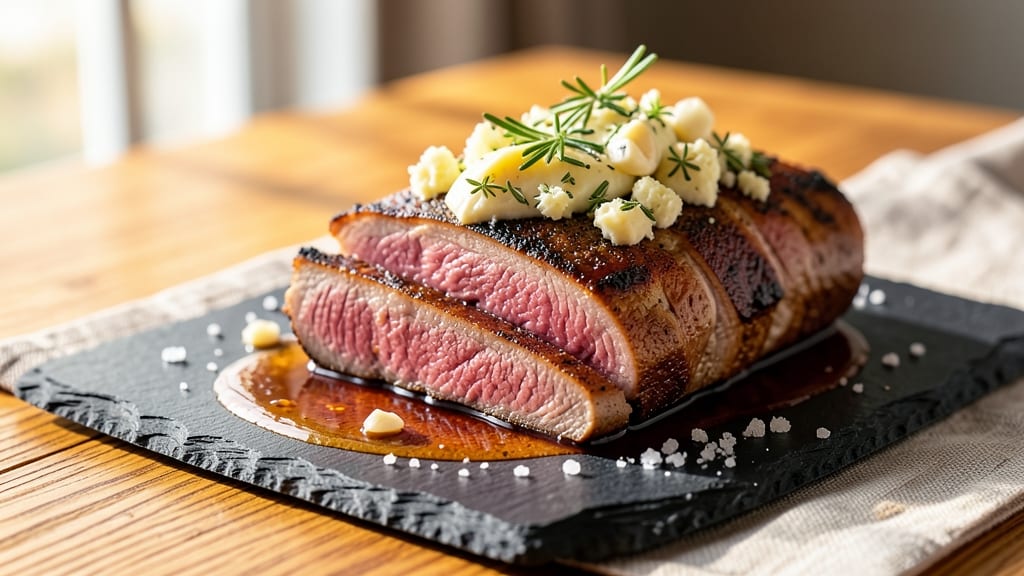
Alex Guarnaschelli's beef tenderloin recipe delivers restaurant-quality results with a foolproof herb-crusted technique that guarantees tender, juicy pink centers every time. The key lies in precise temperature control and a simple herb crust that adds depth without overpowering the beef's natural richness. After perfecting this method for countless dinner parties, I can confidently say this is the only recipe you'll ever need for showstopping tenderloin.
What sets this recipe apart is the reverse sear method, which ensures even cooking and maximum tenderness. You'll start with a low oven temperature to cook the beef gently, then finish with a quick sear in a hot pan for that coveted crust.
The herb crust—made with fresh rosemary, thyme, and garlic—sticks beautifully while adding aromatic complexity that pairs perfectly with the beef's buttery texture.
The result is a beef tenderloin with a golden-brown crust, perfectly pink centers that yield to the knife, and layers of herbaceous flavor in every bite. This technique transforms a simple roast into a centerpiece-worthy dish that impresses even the most discerning guests.
The beauty of this method is its flexibility—it works equally well for special occasions or weeknight dinners when you want to elevate your meal.
Pair it with roasted root vegetables, a crisp white wine reduction, or a simple green salad to complete the plate. The leftovers reheat beautifully, making this a practical choice for meal prep or feeding a crowd. Let's get started on mastering this timeless technique.
Ingredients for alex guarnaschelli beef tenderloin
Six ingredients transform simple beef tenderloin into a restaurant-quality centerpiece with perfect pink centers.
| Ingredient | Amount | Notes |
|---|---|---|
| Beef Tenderloin 🥩 | 4 lb | Center-cut, trimmed of silver skin |
| Fresh Rosemary 🌿 | ½ cup | Finely chopped, stems removed |
| Fresh Thyme 🌿 | ¼ cup | Leaves only, stems discarded |
| Garlic Cloves 🧄 | 8 cloves | Minced, skin-on for maximum flavor |
| Unsalted Butter 🧈 | ½ cup | Cold, cubed for herb crust |
| Diamond Crystal Kosher Salt 🧂 | 1 ½ tbsp | For seasoning and crust |
| Ground Black Pepper 🌶️ | 1 tsp | Freshly cracked for brightness |
| Extra-Virgin Olive Oil 🫒 | 2 tbsp | High-quality, fruity variety |
| All-Purpose Flour 🌾 | 2 tbsp | For dusting cutting board |
| Dry White Wine 🍷 | ½ cup | Sauvignon Blanc preferred |
| Beef Stock 🥄 | ½ cup | Homemade or high-quality store-bought |
| Fresh Parsley 🌿 | ¼ cup | Chopped, for garnish |
The beef tenderloin is the star—center-cut, 4-pound roast with minimal fat ensures tenderness. Source from a trusted butcher or high-end grocery like Whole Foods or Balducci's for optimal marbling and quality. Look for bright red color and firm texture—avoid any with grayish hues or excessive silver skin. The reverse sear method demands precision, so room temperature beef is critical: take it out of the fridge 1 hour before cooking to ensure even doneness. For the herb crust, fresh rosemary and thyme from the grocery's produce section (not dried) deliver maximum aromatic depth—avoid wilting stems by selecting vibrant green sprigs.
No fresh rosemary? Substitute with 1 tablespoon dried rosemary plus 1 teaspoon dried thyme, but expect less complexity. White wine shortage? Use an equal mix of beef stock and apple cider vinegar for acidity. The butter crust is non-negotiable—full-fat, unsalted butter creates that coveted golden-brown sear. For the garlic, skin-on cloves release more flavor when minced, but peeling is optional if you're short on time. Diamond Crystal kosher salt dissolves more easily than table salt—use 1.5 tablespoons for proper seasoning. The olive oil should be extra-virgin with noticeable peppery notes; store-bought brands like California Olive Ranch work perfectly for this technique.
Store leftover beef tenderloin in an airtight container for up to 3 days—it reheats beautifully when sliced thin and warmed in a 350°F oven for 10-15 minutes. For longer storage, vacuum-seal portions and freeze for up to 3 months. The herb crust loses potency after 24 hours, so re-crust slices before reheating if serving cold cuts. Portion leftovers into single servings for easy meal prep—pair with roasted root vegetables or a white wine reduction to recreate the full dining experience. Never overcook: internal temperature should reach 125°F for perfect pink centers.
Why You'll Love This Recipe
- Same recipe, two vibes: toss it on a sheet pan for a stress-free Tuesday dinner, or go all out with a fancy platter for date night. The tenderloin’s simplicity lets it shine whether you’re feeding two or six.
- Two-Ingredient Prep: I swear, this recipe feels like cheating—just season the tenderloin with coarse salt and pepper, then let the butter, garlic, and herbs melt into it while it roasts. No chopping, no fuss, just hands-off perfection.
- Butter-Basted Magic: That moment when the pan juices bubble up and baste the meat? Chef’s kiss. The rosemary and thyme turn fragrant, the garlic mellows into sweetness, and the butter caramelizes into a glossy crust—every bite tastes like a restaurant finish.
- Weeknight or Wow Night: Same recipe, two vibes: toss it on a sheet pan for a stress-free Tuesday dinner, or go all out with a fancy platter for date night. The tenderloin’s simplicity lets it shine whether you’re feeding two or six.
Step-by-step instructions for herb-crusted beef tenderloin
Master this technique and you'll achieve a restaurant-quality roast with flawless pink centers every time.
Prepare the Herb Butter Crust
In a food processor, combine the 0.5 cup cold unsalted butter, 0.5 cup finely chopped fresh rosemary, 0.25 cup fresh thyme leaves, 8 cloves minced garlic cloves, 1.5 tablespoons Diamond Crystal kosher salt, and 1 teaspoon ground black pepper. Pulse until the mixture resembles coarse crumbs with butter pieces no larger than peas. This herb butter will create both flavor and a golden crust.
Transfer the mixture to a bowl and refrigerate while you prepare the beef. The cold butter is essential—it prevents the crust from melting prematurely during roasting. If the mixture feels too soft, chill it for an additional 10 minutes before proceeding.
Season and Crust the Beef Tenderloin
Pat the 4 lb beef tenderloin completely dry with paper towels—this is critical for achieving a crisp crust. Dust the entire surface lightly with 2 tablespoons all-purpose flour, shaking off any excess. This creates a thin barrier that helps the herb butter adhere.
Press the chilled herb butter mixture firmly onto the beef, covering every inch completely. Use your hands to work the mixture into the surface, ensuring even distribution. Place the beef on a plate and refrigerate uncovered for 30 minutes to allow the crust to firm up slightly. This resting period helps the seasoning penetrate the meat.
Roast to Perfect Medium-Rare
Preheat your oven to 425°F with a rack positioned in the center. Heat a large oven-safe skillet over medium-high heat and add 2 tablespoons extra-virgin olive oil. Once shimmering, carefully sear the beef tenderloin on all sides for 2-3 minutes per side until deeply browned. This step develops flavor and helps create a better crust.
Transfer the skillet to the preheated oven and roast for 15-18 minutes for a medium-rare center (125-130°F internal temperature). Rotate the pan halfway through cooking to ensure even browning. The crust should be golden and crisp, while the interior remains tender and pink. For medium doneness, continue roasting for 2-3 additional minutes until reaching 135°F internal temperature.
Rest and Prepare the Sauce
Remove the beef from the oven and transfer it to a cutting board. Tent loosely with aluminum foil and let rest for 15 minutes before carving. This resting period allows the juices to redistribute, ensuring each slice remains moist and flavorful.
While the beef rests, place the skillet with rendered juices over medium heat. Add 0.5 cup dry white wine and simmer for 2 minutes to deglaze the pan. Stir in 0.5 cup beef stock and simmer for 3-4 minutes until slightly reduced. The sauce should coat the back of a spoon—if too thick, add 1-2 tablespoons water to reach desired consistency.
Carve and Serve with Herb Garnish
After resting, slice the beef tenderloin into 1-inch thick medallions against the grain. The meat should be tender with a slight resistance when pierced—this indicates perfect doneness. Arrange the slices on a warm serving platter and spoon the reduced wine sauce over the top.
Garnish each serving with 0.25 cup chopped fresh parsley for a pop of color and freshness. The herb crust should remain intact and crispy, while the interior delivers that coveted pink center. Serve immediately with roasted vegetables or a simple salad to complement the rich flavors of this elegant centerpiece.
Pro Tips For Making Alex Guarnaschelli Beef Tenderloin
- Sear in Two Batches: Tenderloin’s a big hunk of meat—don’t crowd the pan or you’ll steam it instead of searing. Split it into two rounds and cook each side for 3-4 minutes until deep brown. I learned this the hard way when my first attempt turned into a sad, pale slab.
- Smash That Garlic: Skip the minced garlic—it burns fast. Instead, peel and flatten 3-4 cloves with the side of your knife, then toss them whole into the pan with the butter. They’ll soften and infuse flavor without turning bitter.
- Butter Bath Timing: Don’t pour the butter in too early—wait until the meat’s browned and the pan’s hot enough to sizzle. A cold butter bath just makes a greasy mess. I now add it in the last 2 minutes of searing for maximum flavor.
- Rosemary Sprigs, Not Chopped: Whole sprigs of rosemary stay fragrant longer than chopped herbs. Tuck 2-3 sprigs into the butter or tie them with twine around the tenderloin before roasting. You’ll taste the difference—no need for overpowering chopped stems.
Essential equipment for this recipe
Precision Temperature Tools
The most critical piece of equipment is a high-quality meat thermometer—I recommend the ThermoWorks Smoke or Meater for accuracy. These probes monitor internal temperature in real-time, preventing overcooking. For the herb crust, a food processor (like the Cuisinart DFP-14BCNY) blends ingredients evenly, ensuring consistent texture. 🌡️
Oven-Safe Skillet
Use a heavy-duty, oven-safe skillet (I love the All-Clad Stainless Steel) for searing and roasting. It distributes heat evenly and transitions seamlessly from stovetop to oven. Avoid thin pans—they won’t hold heat consistently.
A wire rack (like the Ozeri Pop-Up) placed in the skillet elevates the beef, allowing air circulation for a crispier crust.
Cutting Board Essentials
A large, stable cutting board (I use a Maple Hollow 18x12-inch) is non-negotiable for slicing. Dust it with 2 tablespoons all-purpose flour before placing the beef to prevent sticking.
For garnishing, a sharp chef’s knife (like the Wüsthof Ikon) ensures clean slices. A microplane (for garlic) and small bowl (for herb prep) complete the prep station.
Optional Upgrades
For extra precision, a digital kitchen scale (like the OXO Good Grips) helps portion the herb butter accurately. A tongs set (I prefer Meridian) flips the beef easily during searing.
For sauce reduction, a small saucepan (like Le Creuset’s 1.5-quart) ensures controlled simmering. These tools elevate the process without being essential.
Budget-Friendly Swaps
Skip the food processor? Use a sharp knife and mortar and pestle to finely chop herbs and garlic. A cast-iron skillet (like Lodge’s 10-inch) works perfectly for searing and roasting.
For temperature monitoring, a basic instant-read thermometer (like Thermapen) suffices. The key is precision—even budget tools deliver great results with proper technique. 💡
Nutrition facts
Frequently asked questions
How do I know when the beef tenderloin is perfectly cooked?
Use a meat thermometer for precision—125-130°F for medium-rare pink centers, 135°F for medium. The crust should be golden and crisp, while the interior should feel slightly springy when pressed gently. Never rely on visual cues alone, as color varies by cut and cooking method.
Can I make this recipe with a smaller tenderloin?
Yes! Scale the herb butter proportionally—use ¼ of the recipe per pound of beef. For a 2-pound tenderloin, reduce all ingredients by half. The cooking times remain similar, but check internal temperature more frequently. A smaller roast cooks faster, so plan for 10-12 minutes in the oven instead of 15-18 minutes.
What if my herb crust falls off during cooking?
This usually happens if the beef isn't dry or the herb butter isn't cold enough. Pat the beef completely dry with paper towels and ensure the herb butter mixture is chilled before pressing it on. For extra adhesion, dust the beef with 2 tablespoons flour before applying the crust. If it still falls off, simply add fresh crust to the cooked beef before serving.
How far in advance can I prep this dish?
Prep the herb butter crust up to 24 hours ahead and store it in the fridge. The beef itself should be seasoned and rested at room temperature for 1 hour before cooking—never prep it earlier. For sides like roasted vegetables, chop and season them 1 day ahead and store in the fridge. Reheat vegetables separately before serving.
What's the best way to reheat leftovers?
Slice the beef into ½-inch thick portions and reheat in a 350°F oven for 10-15 minutes until warmed through. For extra crispiness, broil for 1-2 minutes at the end. Avoid microwaving—it makes the crust soggy. Store leftovers in an airtight container for up to 3 days or freeze for 3 months.