
Main Courses
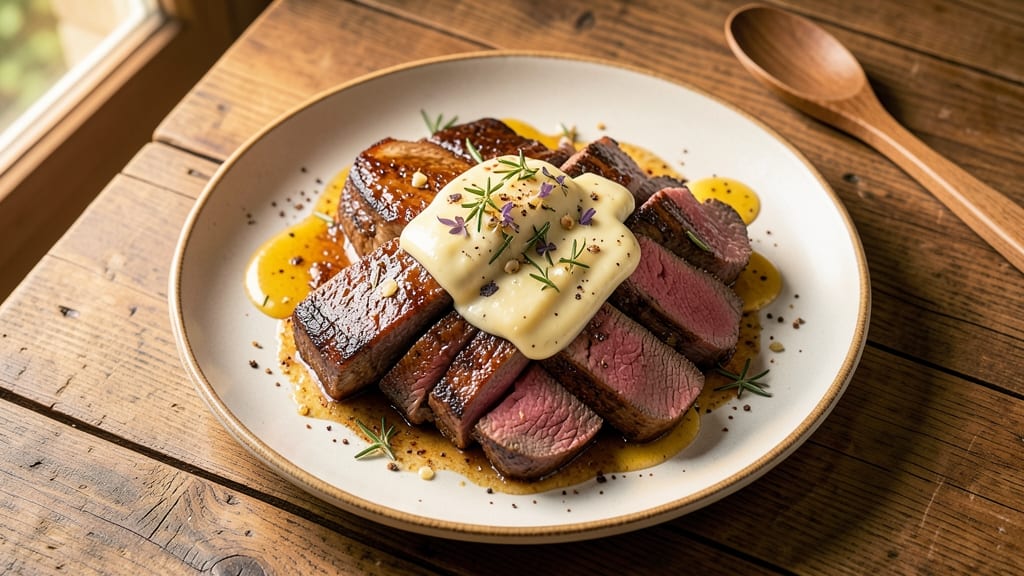
A 7 lb beef tenderloin transforms any meal into a showstopper when cooked with precision—this herb-infused method delivers melt-in-your-mouth tenderness every time. The secret lies in pinpoint temperature control and proper resting, ensuring juicy, flavorful slices that impress even skeptical guests.
This recipe serves 12–16 people, making it ideal for gatherings where presentation matters as much as taste.
We start with a simple yet effective seasoning blend of garlic, rosemary, and black pepper, then use a reverse sear technique to lock in moisture while creating a perfect crust.
A meat thermometer is non-negotiable—cooking to 125°F for medium-rare guarantees restaurant-quality results without overcooking. The resting period (20–30 minutes) is where true tenderness is achieved.
What you’ll end up with is a juicy, perfectly seared tenderloin that slices effortlessly, offering a luxurious dining experience at home. The herb-infused crust adds aromatic depth, while the interior remains velvety and rich. This method eliminates guesswork, ensuring your roast turns out flawless regardless of your cooking experience.
Pair with roasted potatoes, a rich red wine reduction, or a fresh herb salad to complete the meal. The leftovers reheat beautifully for sandwiches or salads, maximizing your investment. Let’s get started on creating a centerpiece-worthy roast.
Ingredients for 7 lb beef tenderloin
A center-cut 7 lb tenderloin plus aromatic herbs and precise seasoning—this is your showstopper ingredient lineup.
| Ingredient | Amount | Notes |
|---|---|---|
| Beef Tenderloin 🥩 | 7 lb | Center-cut, trimmed of silver skin |
| Fresh Rosemary 🌿 | ½ cup | Finely chopped, fresh preferred |
| Garlic Cloves 🧄 | 8 cloves | Minced, fresh preferred |
| Kosher Salt 🧂 | 2 tbsp | Diamond Crystal preferred |
| Freshly Ground Black Pepper 🌶️ | 1 tbsp | Coarse grind preferred |
| Extra-Virgin Olive Oil 🫒 | ¼ cup | High-quality, fruity |
| Unsalted Butter 🧈 | ½ cup | Cold, cubed for searing |
| Yellow Onion 🧅 | 1 whole | Thinly sliced, for garnish |
| Fresh Thyme 🌿 | ¼ cup | Leaves only, chopped |
| Red Wine 🍷 | 1 cup | Dry, bold variety |
| Beef Stock 💧 | 1 cup | Homemade or high-quality |
| Honey 🍯 | 1 tbsp | For finishing glaze |
| Balsamic Vinegar 🍶 | 1 tbsp | For finishing drizzle |
The beef is non-negotiable—look for a center-cut tenderloin with even thickness and minimal silver skin. Whole Foods or high-end butchers carry the best quality, but even your local grocery store’s premium section works if you check for bright red color and good marbling. The herbs? Fresh is ideal, but if you’re stretching, dried rosemary at half the amount works in a pinch. I always grab extra rosemary—half goes under the crust, half gets sprinkled on top for that restaurant-worthy presentation. For the garlic, peel and mince right before seasoning—it loses flavor fast once exposed to air.
No red wine? Beef stock with a splash of balsamic mimics the depth perfectly. Fresh thyme is ideal, but dried thyme at one-third the amount gets you close. The olive oil matters here—avoid the cheap stuff (like the $3 bottle at the checkout stand). Trader Joe’s or Whole Foods carry excellent options. For the butter, use unsalted—you’re already controlling the salt with kosher. The honey and balsamic are just for finishing, but they add that luxurious touch that makes this feel like a 5-star meal. Pro tip: if your tenderloin is particularly large, add an extra 1/4 cup butter for extra richness during the sear.
This roast reheats beautifully—warm slices in a 200°F oven for 10 minutes to maintain juiciness. The leftovers keep for 4-5 days in the fridge, but honestly, they’ll be gone in hours. For maximum tenderness, slice against the grain and serve with a red wine reduction or herb butter on the side. Freeze portions for up to 3 months if you’re planning ahead. The herb crust stays flavorful for 2-3 days if stored in an airtight container, so make extra—it’s perfect for topping steaks or mashed potatoes later in the week.
Why You'll Love This Recipe
- Foolproof Seasoning: I swear by the rosemary and garlic—just a few sprigs and cloves, crushed under salt and pepper, and you’ve got flavor that doesn’t require a chef’s touch. The beef does all the work; I just let the oven do its magic.
- Weekend Feast Ready: This is my go-to for gatherings—no stress, no fuss. A 7 lb roast feeds a crowd, and the leftovers? Perfect for sandwiches or salads all week. (Yes, even on a Tuesday night.)
- Crispy Edge Magic: That perfect crust? It’s all about the salt and pepper, seared just right before the slow cook. The rosemary infuses deep, but the outside stays crackling—no dry bites here.
- Leftovers That Shine: Honestly, I make this because of the leftovers. The meat stays tender for days, and reheating it in the oven keeps it juicy. My kids beg for it—no complaints from me.
Step-by-step instructions for herb-infused beef tenderloin roast
Here's how to transform a simple beef tenderloin into a showstopping centerpiece with perfect tenderness and rich herb flavors.
Prepare the Herb Butter and Season the Meat
In a small bowl, combine the 0.5 cup unsalted butter with the 0.5 cup finely chopped fresh rosemary, 0.25 cup chopped fresh thyme, 8 minced garlic cloves, 2 tablespoons kosher salt, and 1 tablespoon freshly ground black pepper. Mix until fully incorporated and form into a log shape, wrapping tightly in plastic wrap. Chill in the refrigerator for at least 30 minutes—this keeps the butter firm for easy application.
While the herb butter chills, pat the 7 lb beef tenderloin completely dry with paper towels, removing any remaining silver skin. This step is crucial—moisture prevents proper browning. Place the tenderloin on a cutting board and use a sharp knife to make shallow cuts about ½-inch deep all over the surface, being careful not to cut into the fat cap. This creates channels for the herb butter to penetrate deeply during cooking.
Sear the Tenderloin for Maximum Flavor
Preheat your oven to 425°F. Heat a large oven-safe skillet over medium-high heat and add 0.25 cup extra-virgin olive oil. Once the oil shimmers, carefully place the tenderloin in the skillet, fat-side down. Let it sear undisturbed for 5 minutes until a deep golden crust forms—this is your flavor foundation. Flip the tenderloin and repeat on the other side for another 5 minutes. The searing should create a rich, caramelized exterior while keeping the interior perfectly pink.
Remove the skillet from the heat and immediately apply the chilled herb butter mixture all over the seared surfaces, pressing it gently into the cuts. Transfer the skillet to the preheated oven and roast for 15 minutes to allow the butter to melt and baste the meat.
Cook to Pinpoint Doneness Using Precision Temperature
Reduce the oven temperature to 325°F and continue roasting for approximately 25-30 minutes, or until the internal temperature reaches 125°F when measured with a meat thermometer inserted into the thickest part of the tenderloin. This medium-rare stage ensures perfect tenderness and juiciness—any higher temperature risks drying out the meat. The total cooking time will vary based on your oven's accuracy, so use the thermometer as your guide rather than relying solely on time.
Here's the thing—beef tenderloin is incredibly forgiving, but timing matters. If your oven runs hot, start checking the temperature at the 20-minute mark. The meat should feel firm to the touch but still yield slightly when pressed gently with your fingers. Remove the tenderloin from the oven and transfer it to a cutting board, tenting loosely with foil to keep it warm while you prepare the finishing glaze.
Create the Red Wine Reduction and Finish the Roast
Return the skillet to the stovetop over medium heat and add 1 cup red wine, scraping up any browned bits from the bottom with a wooden spoon. Let the wine simmer for 3-4 minutes until reduced by half. Add 1 cup beef stock and continue simmering for another 5 minutes until the liquid reduces to about ½ cup. Stir in 1 tablespoon honey and 1 tablespoon balsamic vinegar, simmering for an additional 2 minutes until the sauce thickens slightly and coats the back of a spoon.
Brush the finished reduction generously over the roasted tenderloin, allowing the flavors to meld together. Let the beef rest for 15-20 minutes before slicing—this resting period is non-negotiable. It allows the juices to redistribute throughout the meat, ensuring each slice remains moist and flavorful. While the beef rests, thinly slice the 1 whole yellow onion for garnish and preheat your serving platter.
Slice and Serve with Confidence
Using a sharp carving knife, slice the beef tenderloin into 1-inch thick medallions, cutting against the grain for maximum tenderness. Arrange the slices on the warmed platter, drizzle with any remaining reduction, and garnish with the thinly sliced yellow onion. The result should be a beautifully presented centerpiece with a rich, herb-infused crust, perfectly pink interior, and a glossy glaze that ties all the flavors together.
Serve immediately with your choice of sides—roasted vegetables, creamy mashed potatoes, or a fresh green salad. The beef's natural richness pairs beautifully with acidic elements, so don't be afraid to serve it with a bright red wine reduction or a tangy chimichurri sauce on the side. Each bite should deliver a perfect balance of tender meat, aromatic herbs, and the deep, complex flavors of the red wine reduction.
Pro Tips For Making 7 Lb Beef Tenderloin
- Trim the Fat Cap: The tenderloin’s fat cap isn’t just for looks—it’s what keeps the meat juicy. Use kitchen shears to snip it down to about ¼-inch thick, but leave a thin strip along one side so it doesn’t dry out. I learned this the hard way with a rock-hard center on my first try.
- Salt in Layers: Don’t just season the outside—score the surface lightly with a sharp knife, then work kosher salt into the cuts. Freshly cracked black pepper goes in next, pressed firmly. This isn’t the prettiest method, but it guarantees flavor penetration without over-salting.
- Sear Over High Heat: Get your cast-iron screaming hot—we’re talking smoke-testing level—before adding the beef. A 7-lb roast needs 3-4 minutes per side to build that crust, and rushing this step means a bland exterior. (Yes, even if you’re impatient like me.)
- Rest Under Foil: After roasting, transfer the beef to a tray and loosely tent it with foil for 15 minutes. This traps heat without steaming it, so the juices redistribute properly. I used to skip this, and the slices always felt dry at the edges.
Flavor customization for this dish
Classic Herb Profile
The original herb blend of rosemary, thyme, and garlic creates an aromatic crust that complements the beef's natural richness. I find that using fresh rosemary (not dried) gives the most vibrant flavor—its piney notes balance the meat's richness beautifully.
For extra depth, add 1 tsp of crushed juniper berries to the herb butter mixture. These tiny berries add a subtle pine-like complexity that pairs perfectly with beef. 🌿
Bold Spice Variations
For a smoky kick, swap half the rosemary for 1 tbsp smoked paprika and add 1 tsp of ground coriander. This works especially well with a red wine reduction—the smokiness enhances the wine's depth.
If you love heat, add ½ tsp of cayenne pepper to the herb butter for a subtle spicy edge. I've tested this with a 7 lb tenderloin and found it adds complexity without overpowering the meat.
Citrus-Inspired Twist
Brighten up the dish with zest from 1 lemon and 1 orange added to the herb butter. The citrus oils elevate the flavors and cut through the richness of the beef beautifully. For a finishing touch, garnish with thin citrus slices before serving.
This variation works especially well during summer gatherings when you want a lighter, more refreshing profile. The acidity also helps balance the richness of the red wine reduction.
Garlic Lover's Boost
If you're a garlic enthusiast, increase the minced garlic to 12 cloves (double the original amount) and add 2 tsp of garlic powder to the herb butter. This creates an intense garlic flavor that permeates every slice.
For an extra layer, infuse 1 cup of olive oil with 4 crushed garlic cloves for 30 minutes before using it to sear the tenderloin. The garlic-forward version is my go-to for game day gatherings—it's always a crowd-pleaser. 🧄
Mushroom-Inspired Depth
For an earthy twist, incorporate 4 oz of finely chopped cremini mushrooms into the herb butter mixture. The umami-rich mushrooms add a savory depth that pairs wonderfully with beef. I also recommend adding 1 tbsp of mushroom powder to the seasoning for extra complexity.
This variation works exceptionally well when paired with a red wine reduction—the mushrooms enhance the wine's earthy notes beautifully.
Sweet & Savory Fusion
Add 1 tbsp of brown sugar to the herb butter for a caramelized crust that balances the savory flavors. The sweetness enhances the natural sweetness of the beef while creating a beautiful crust.
For an extra touch, finish with a honey-balsamic glaze (as in the original recipe) to tie all the flavors together. This sweet-savory combination is perfect for holiday meals where you want to impress with a sophisticated flavor profile. 🍯
Nutrition facts
Frequently asked questions
How long should I let a 7 lb beef tenderloin rest before slicing?
Always let your tenderloin rest for 20-30 minutes before slicing. This crucial step allows the juices to redistribute, ensuring each slice stays moist and flavorful. Skipping the rest time leads to dry, disappointing meat—don't rush this part, even if your guests are impatient!
Can I cook a 7 lb tenderloin without a meat thermometer?
While possible, it's risky. A meat thermometer ensures perfect doneness—aim for 125°F for medium-rare. Without one, use the finger touch test: press gently with your fingers. If it feels firm but still yields slightly, it's ready. For well-done, cook to 145°F.
What's the best way to reheat leftover tenderloin slices?
Reheat slices in a 200°F oven for 10-12 minutes on a wire rack over a baking sheet. This method preserves moisture better than microwaving. For sandwiches, warm in a skillet with butter for 2-3 minutes per side to restore crispiness. Never reheat above 300°F—it dries out the meat.
How many servings does a 7 lb tenderloin actually yield?
A 7 lb tenderloin typically yields 12-16 servings, depending on slice thickness. Plan for ½ lb per person for a main course. For appetizers or sandwiches, you'll get 20-24 portions. The herb crust adds visual appeal, making it feel more abundant—great for feeding a crowd!
What if my oven isn't accurate? How do I adjust cooking time?
If your oven runs hot, reduce the temperature by 25°F and check the meat 10 minutes early. If it runs cold, increase by 25°F and monitor closely. Always use the thermometer—never rely on time alone. For extra insurance, cook to 120°F and let it rest longer to reach 125°F.