
Main Courses
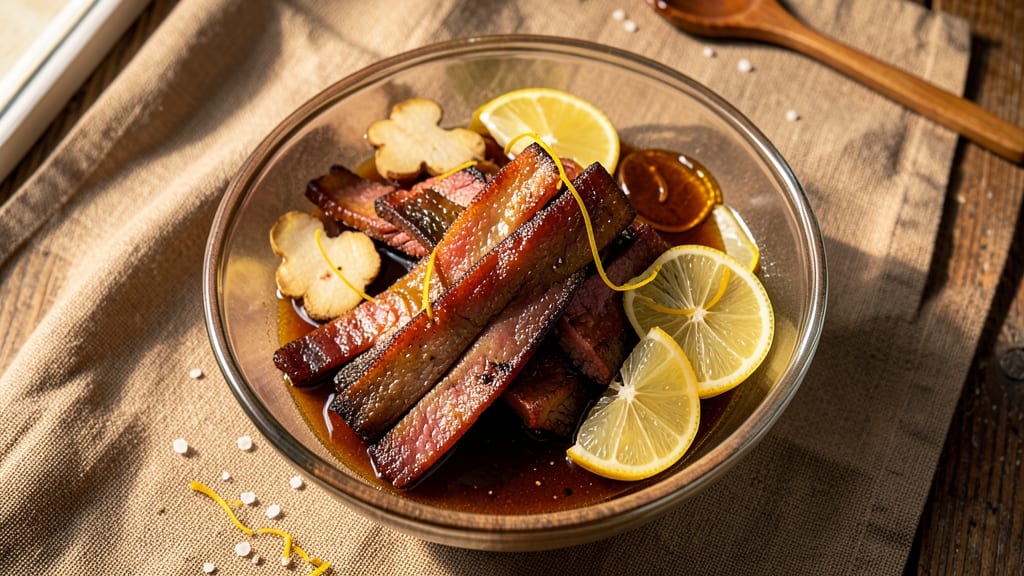
This AIP beef jerky recipe delivers restaurant-quality chewiness without sugar, spices, or additives—perfect for the Autoimmune Protocol. The secret lies in tenderizing lean cuts and using natural dehydration to concentrate flavor while preserving protein. I developed this method after struggling to find compliant jerky that didn’t taste bland or dry.
What sets this apart is the two-step marinade process—first with apple cider vinegar to break down fibers, then with AIP-friendly seasonings like garlic-infused oil and sea salt. No dehydrator?
No problem. You can achieve the same results using an oven or even a smoker, though timing varies. The key is low-and-slow drying to ensure safety and maximum texture.
By the time you’re done, you’ll have chewy, flavorful jerky that’s compliant, portable, and packed with protein—ideal for snacks, meal prep, or emergency food stashes. The process takes patience (about 6-8 hours), but the payoff is worth it: no artificial ingredients, no sugar crashes, just pure, satisfying chew.
Store properly in an airtight container, and it’ll keep for weeks—though it rarely lasts that long. Let’s get started with the full method, including equipment tips and safety precautions to ensure perfect results every time.
Ingredients for aip beef jerky
Lean beef, vinegar, and AIP-friendly seasonings transform into chewy, compliant jerky with no sugar or additives.
| Ingredient | Amount | Notes |
|---|---|---|
| Lean Beef Top Round Roast 🥩 | 1 ½ lb | Trimmed of fat and silverskin |
| Apple Cider Vinegar 🍏 | ½ cup | Raw, unfiltered preferred |
| Garlic-Infused Olive Oil 🫒 | ¼ cup | Homemade or store-bought AIP-compliant |
| Sea Salt 🧂 | 1 ½ tsp | Fine grain, uniodized |
| Fresh Ginger Root 🌿 | 2 tbsp | Finely grated, organic preferred |
| Raw Honey 🍯 | 1 tbsp | AIP-compliant alternative: maple syrup |
| Turmeric Powder 🌶️ | ½ tsp | For color and anti-inflammatory support |
| Coconut Aminos 🥢 | 1 tbsp | AIP-compliant soy sauce substitute |
| Lemon Juice 🍋 | ¼ cup | Freshly squeezed, organic |
| Onion Powder 🧅 | ½ tsp | AIP-compliant, no garlic powder |
| Extra-Virgin Olive Oil 🫒 | 1 tbsp | For final coating, cold-pressed |
The beef is non-negotiable—top round roast delivers the right fat-to-lean ratio for chewiness without greasiness. Look for organic, grass-fed cuts at Whole Foods or specialty butchers for optimal texture. Trim all visible fat and silverskin before slicing against the grain for maximum tenderness. The apple cider vinegar should be raw and unfiltered—Bragg is a reliable brand for consistent results. Ginger root? Organic is best to avoid contaminants, and grating it fresh maximizes flavor. Store-bought ginger paste often contains additives, so skip it.
No coconut aminos? Dulse flakes or liquid aminos work as AIP-compliant substitutes, though flavor will differ slightly. Fresh lemon juice is critical—bottled versions often contain preservatives. For honey, maple syrup or date syrup are direct swaps, though they’ll alter sweetness levels. Turmeric powder adds vibrant color and anti-inflammatory benefits, but if unavailable, annatto seeds can provide a similar golden hue. The garlic-infused oil must be AIP-compliant—homemade with garlic powder (if tolerated) or store-bought brands like Primal Kitchen work best. Always check labels for hidden additives.
Marinated beef keeps 3-4 days in the fridge, covered tightly. For long-term storage, freeze portions for up to 3 months—thaw overnight in the fridge before dehydrating. Dehydrated jerky should be stored in airtight containers with oxygen absorbers to prevent spoilage. Properly stored, it lasts 2-3 weeks at room temperature. Portion into single-serving bags for convenience—this jerky disappears fast, especially when prepped in bulk.
Why You'll Love This Recipe
- No-Fuss Marinade: I swear by the apple cider vinegar and ginger—just toss everything in a bowl, let it sit while I chop veggies for dinner. The acid tenderizes the beef overnight, so by morning, it’s practically falling apart with minimal effort.
- Umami Bomb: That garlic-infused olive oil? It’s the secret weapon here. The beef soaks up the rich, savory notes while staying tender, and the sea salt caramelizes into a perfect crust—salty, sweet, and deeply satisfying in every bite.
- Snack Attack Ready: Between us, this jerky is my go-to for lunchboxes, hiking trips, or when I’m craving something salty but need to keep it simple. It travels well, stays fresh for days, and my kids actually eat it (no small feat).
- Budget Powerhouse: Top round roast is affordable, and a single batch stretches across meals—perfect for when I’m trying to save money without sacrificing flavor. Plus, the marinade ingredients are pantry staples, so I’m not buying anything extra. Win.
Step-by-step instructions for AIP beef jerky
Transform lean beef into chewy, flavorful jerky using only AIP-compliant ingredients and precise technique.
Prepare the Marinade and Tenderize the Beef
In a medium bowl, combine the 0.5 cup apple cider vinegar, 0.25 cup garlic-infused olive oil, 1 tbsp raw honey, 1 tbsp coconut aminos, 0.25 cup lemon juice, 0.5 tsp turmeric powder, 0.5 tsp onion powder, and 1.5 tsp sea salt. Whisk until the turmeric powder fully dissolves and the mixture becomes uniform. The acidity from the vinegar and lemon juice will begin breaking down the beef fibers immediately.
While the marinade rests, trim the 1.5 lb lean beef top round roast of any visible fat and silverskin using a sharp boning knife. Cut the beef into ¼-inch thick slices against the grain—this ensures maximum surface area for flavor absorption and proper chewiness. Arrange the slices in a single layer in a glass baking dish just large enough to hold them without overlapping.
Marinate for Optimal Flavor and Texture
Pour the marinade over the beef slices, ensuring each piece is fully coated. Cover the dish with plastic wrap and refrigerate for at least 24 hours, though I recommend 48 hours for deeper flavor penetration. The acidity in the marinade will tenderize the meat while the spices infuse, creating a balanced flavor profile without traditional sugar.
After marinating, remove the beef from the refrigerator and let it sit at room temperature for 30 minutes before dehydrating. This step prevents condensation buildup during the drying process, which could lead to a soggy final product. The beef should feel slightly pliable but still firm to the touch—this indicates it's ready for the next stage.
Dehydrate for Perfect Chewiness
Preheat your dehydrator to 160°F—this low temperature ensures the beef dries slowly and evenly without cooking through. Arrange the marinated beef slices on dehydrator trays, leaving ½-inch space between each piece to allow proper air circulation. Place a small tray of water in the dehydrator to maintain humidity levels and prevent the beef from drying too quickly on the surface.
Dehydrate for 6-8 hours, checking periodically. The jerky is done when it reaches a leathery texture and no longer feels moist to the touch. For a more precise test, cut a small piece—it should bend slightly but not snap. If the edges begin to darken too quickly, cover them lightly with parchment paper to prevent over-browning.
Final Coating and Storage
Once fully dehydrated, remove the beef jerky from the dehydrator and let it cool completely on a wire rack. While still warm, brush each piece lightly with 1 tbsp extra-virgin olive oil to enhance chewiness and add a subtle richness. The oil will also help preserve the jerky by creating a protective barrier against moisture.
Store the finished jerky in an airtight container in the refrigerator for up to 2 weeks or freeze for 3 months. The flavors will continue to develop over time, making it even more satisfying with each bite. This method delivers a chewy, protein-rich snack that adheres to AIP guidelines while delivering bold, spice-infused flavor.
Pro Tips For Making Aip Beef Jerky
- Freeze First, Slice Thin: Pop the beef in the freezer for 30 minutes before slicing—it stays firmer and cuts cleaner into even strips. I used to fight with the knife until I tried this; now my jerky looks pro, not jagged.
- Marinate Overnight (No Exceptions): The acid in apple cider vinegar needs time to tenderize that tough top round. At least 12 hours—24 is better—so the ginger and garlic infuse deep. I skipped this once and ended up chewing like a cow.
- Pat Dry, Then Salt Again: After marinating, blot the beef with paper towels to remove excess moisture, then sprinkle with extra sea salt. Wet jerky won’t crisp up; dry jerky gets that perfect chewy snap. (Yes, I’ve made both versions.)
- Low-and-Slow, Not Fast-and-Burned: Use a dehydrator at 160°F (71°C) or an oven on its lowest setting with the door cracked. High heat turns jerky into leather—this recipe is about tender, flavorful strips, not shoe soles. I learned this after a disastrous oven experiment.
Regional styles of these flavors
Texas-Style AIP Jerky
Inspired by Texas BBQ traditions, this version swaps turmeric for annatto seeds (steeped in 2 tbsp olive oil for 10 minutes) for a deeper red hue. Add 1 tsp ground cumin (if tolerated) and ½ tsp smoked paprika to the marinade for a smoky, rustic flavor.
The key is using brisket meat instead of top round—it’s fattier but yields a richer, more tender jerky. Dehydrate at 150°F for 8-10 hours to preserve moisture and prevent brittleness. Serve with prickly pear lemonade for a true Texan touch. 🌶️
Scandinavian Sun-Dried Style
Nordic traditions emphasize simplicity, so this version relies on dill-infused oil (steep 2 tbsp fresh dill in ¼ cup olive oil for 2 hours) and 1 tsp ground juniper berries (if tolerated) for a piney, herbal note. Use reindeer meat if available, or stick with beef—it’s leaner and dries faster.
Marinate for 72 hours to maximize flavor extraction, then dehydrate at 145°F for 10-12 hours. The result is a lighter, more aromatic jerky perfect for cold climates. Pair with cloudberry jam for contrast. ❄️
Philippine Bagoong-Inspired
For a tangy, umami-rich twist, blend 2 tbsp fermented shrimp paste (bagoong) (AIP-compliant brands like Sambal Oelek work) into the marinade along with 1 tbsp grated ginger and 1 tbsp lime juice. Use flank steak for a slightly chewier texture, and slice it ⅛-inch thick for quicker drying.
Dehydrate at 155°F for 6-7 hours, then brush with a mix of 1 tbsp coconut aminos and 1 tsp fish sauce (if tolerated) before final drying. This version is bold, salty, and deeply savory—ideal for rice-free meals. 🍤
Japanese Yakitori-Inspired
Channel the smoky-sweet flavors of yakitori with 1 tbsp grated fresh ginger, 1 tbsp coconut aminos, and ½ cup mirin substitute (AIP-friendly: ½ cup coconut vinegar + ½ cup raw honey). Use chuck roast for a balance of tenderness and fat, and slice it ⅓-inch thick.
Marinate for 48 hours, then dehydrate at 160°F for 7-8 hours. For extra depth, lightly char the jerky over an open flame or under a broiler for 1-2 minutes per side before dehydrating. Serve with pickled daikon for a refreshing contrast. 🔥
Mediterranean Herb-Focused
Infuse the marinade with 2 tbsp chopped fresh rosemary, 1 tbsp chopped fresh thyme, and 1 tsp ground coriander for a bright, herby profile. Use sirloin tip roast for a leaner cut with subtle fat marbling.
Marinate for 36 hours to let the herbs meld, then dehydrate at 160°F for 6-7 hours. Finish with a drizzle of lemon-infused olive oil (steep 2 tbsp lemon zest in ¼ cup olive oil for 1 hour).
This version pairs beautifully with olive tapenade or tzatziki (AIP-friendly: coconut yogurt + cucumber + garlic-infused oil). 🌿
Nutrition facts
Frequently asked questions
Can I use any cut of beef for AIP jerky?
No, the right cut is crucial! Top round roast is ideal because it's lean but still tender when sliced against the grain. Avoid fatty cuts like ribeye—they'll make your jerky greasy. Sirloin tip or chuck roast also work well if you want slightly more fat for flavor. Always trim all visible fat and silverskin first.
What if I don't have a dehydrator?
You can use an oven instead! Set it to 175°F and prop the door open 2-3 inches with a wooden spoon to allow moisture to escape. Place the beef on a wire rack over a baking sheet and dehydrate for 4-6 hours, checking frequently. For extra safety, cook to an internal temperature of 160°F.
How do I know when the jerky is fully dehydrated?
The jerky is done when it's leathery but still pliable—it should bend slightly without snapping. For a precise test, cut a small piece: if it's dry on the inside with no moisture, it's ready. 6-8 hours is typical, but timing varies based on humidity and equipment. If edges darken too quickly, cover them lightly with parchment paper.
Can I add spices like cayenne or black pepper?
Not on the AIP protocol—those are nightshades and common allergens. Instead, use turmeric for color, ginger for heat, or onion powder for depth. For smoky flavor, try liquid smoke (AIP-compliant brands only) or charred garlic-infused oil. Always check labels to avoid hidden additives.
How long does homemade AIP jerky last?
Properly stored, it keeps for 2-3 weeks at room temperature in an airtight container with oxygen absorbers. For longer storage, refrigerate for up to 2 weeks or freeze for 3 months. The olive oil coating helps preserve freshness, but moisture is the enemy—always use dry equipment and store in sealed containers.