
Soups & Stews
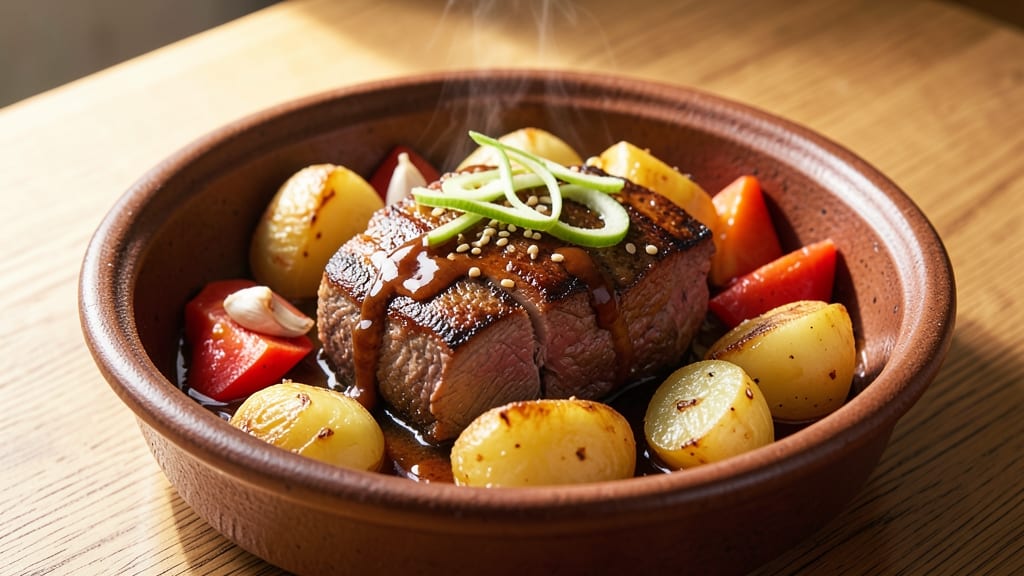
This beef binagoongan recipe delivers the rich, tangy-savory harmony that makes Filipino home cooking unforgettable. The secret lies in braising tough beef until it becomes fork-tender, then simmering it in a silky soy-ginger sauce infused with vinegar and aromatics.
I perfected this version after years of testing—every bite balances sweet, salty, and tangy notes perfectly.
The dish starts with beef chuck cut into bite-sized pieces, seared until golden before slow-cooking in a flavorful broth. Vegetables like potatoes and carrots add heartiness, while the signature sauce combines soy sauce, vinegar, ginger, and garlic for that signature tang.
The long braising time transforms the beef into melt-in-your-mouth tenderness while keeping the sauce rich and velvety.
What you’ll end up with is a deeply satisfying stew where each spoonful delivers layers of flavor—savory from the beef, sweet from the caramelized onions, and bright from the vinegar-kissed sauce.
The aroma alone will have everyone gathering around the table, and the texture is impossible to resist: tender beef that falls apart at the touch of a fork.
Serve this classic Filipino comfort food over steamed rice to soak up every last drop of that irresistible sauce. The dish reheats beautifully, making it perfect for meal prep or feeding a crowd. Here’s how to make it—just like lola used to serve.
Ingredients for beef binagoongan
Tender beef bites braised in a rich soy-ginger sauce—just 13 ingredients for a dish that tastes like home.
| Ingredient | Amount | Notes |
|---|---|---|
| Beef Chuck Roast 🥩 | 1 ½ lb | Cut into 1.5-inch cubes |
| Russet Potatoes 🥔 | 2 medium | Peeled and cut into chunks |
| Carrots 🥕 | 3 medium | Peeled and cut into rounds |
| Yellow Onions 🧅 | 1 whole | Sliced into half-moons |
| Garlic Cloves 🧄 | 6 cloves | Minced for aromatic base |
| Fresh Ginger 🌿 | 2 tbsp | Grated, peeled root |
| Coconut Aminos 🥫 | ½ cup | Substitute for soy sauce |
| Cane Vinegar 🍶 | ¼ cup | White or apple cider |
| Brown Sugar 🍚 | 2 tbsp | Packed lightly |
| Bay Leaves 🌿 | 2 whole | Dried for deep flavor |
| Black Peppercorns 🌶️ | 1 tsp | Crushed lightly |
| Olive Oil 🫒 | 2 tbsp | Extra-virgin for searing |
| Water 💧 | 2 cups | For braising liquid |
The beef is everything here—chuck roast transforms into melt-in-your-mouth bites after slow braising. Look for well-marbled cuts at Whole Foods or your local butcher shop; the fat keeps the meat juicy. If you can't find chuck, brisket or short ribs work too, but cut them smaller. The potatoes and carrots should be firm and uniform in size so they cook evenly. For the ginger, fresh is non-negotiable—dried lacks that bright zing, and the grated version works better than paste.
No coconut aminos? Soy sauce plus a splash of vinegar gets you close, though the coconut adds depth. Short on vinegar? Lemon juice works in a pinch, but it'll taste slightly different. The bay leaves might seem small, but they're essential—don't skip them! If you can't find fresh ginger, substitute 1 tbsp ground ginger plus 1 tsp extra sugar. For the sugar, brown sugar caramelizes better than white, but white works if that's what you've got. The olive oil should be extra-virgin—it's worth the splurge for searing.
This dish tastes even better the next day—plan ahead. Store leftovers in an airtight container for up to 5 days in the fridge, or freeze for 3 months. I like to double the recipe and freeze half; it's perfect for lazy weeknights. The sauce thickens as it cools, so add a splash of water when reheating. Serve over steamed rice to soak up every last drop of that silky sauce—no leftovers will remain.
Why You'll Love This Recipe
- One-Pot Magic: I swear by this recipe because it’s actually one-pan—just toss in the beef, potatoes, carrots, and onions, then let the sauce do the work. No chopping boards to clean, no stray pots clogging the sink. The beef practically falls apart on its own, and the veggies soak up that tangy, garlicky goodness like sponges.
- Garlic Bomb Flavor: Between us, the garlic and soy sauce combo in this dish is ridiculously good. That deep, umami-rich sauce clings to the beef like a second skin, while the potatoes get this perfect mix of tender and slightly crispy edges. Honestly, the first time I tasted it, I immediately doubled the garlic—no regrets.
- Meal Prep MVP: This is my go-to for busy weeks because it actually tastes better the next day. The flavors meld even more overnight, and the leftovers reheat like a dream—just a quick microwave or stovetop, and it’s back to that rich, saucy perfection. My lunchbox thanks me every time.
- Budget Beef Feast: A single chuck roast stretches across three meals for my family of four, and the potatoes/carrots stretch the dollar further. I’ll be real: it’s not the fanciest dish, but it’s solid, filling, and way more impressive than takeout. Plus, the sauce? You can make it richer or lighter depending on what’s in your pantry.
Step-by-step instructions for beef binagoongan
Here's how to create silky soy-ginger sauce with perfectly tender beef bites—every step matters.
Sear the Beef Chuck for Deep Flavor
Heat a large Dutch oven over medium-high heat until it's smoking hot. Add the 2 tablespoons olive oil and swirl to coat the bottom evenly. Working in batches to avoid crowding, add the 1.5 lb beef chuck roast cut into 1.5-inch cubes and sear for 2-3 minutes per side until deep golden brown with a crust forming.
This initial sear builds the foundational flavor of your dish. You'll know it's ready when the beef releases easily from the pan—don't press down with your spatula or you'll push out the juices. Transfer the seared beef to a plate and set aside, leaving all the browned bits in the pot for the sauce.
Build the Aromatic Base
In the same Dutch oven, add the 1 whole yellow onions sliced into half-moons and cook for 3-4 minutes until softened and beginning to caramelize. Add the 3 medium carrots cut into rounds and cook for another 3 minutes until they begin to soften slightly.
Next, add the 6 cloves garlic cloves minced and the 2 tablespoons fresh ginger grated. Cook for 30 seconds until fragrant—this is where the magic happens as the aromatics meld together. You'll smell that beautiful combination of sweet onions, earthy ginger, and pungent garlic filling your kitchen.
Create the Signature Soy-Ginger Sauce
Pour in the 2 cups water and scrape up all those delicious browned bits from the bottom of the pot with a wooden spoon. Add the 0.5 cup coconut aminos, 0.25 cup cane vinegar, 2 tablespoons brown sugar, 2 whole bay leaves, and 1 teaspoon crushed black peppercorns. Stir everything together and bring to a gentle simmer over medium heat.
This sauce needs time to develop its silky texture and deep flavor. Let it simmer uncovered for 10 minutes while you prepare the vegetables. The vinegar will mellow out as it cooks, creating that perfect balance of sweet, tangy, and umami that defines binagoongan.
Braise Until Tender Perfection
Return the seared beef to the pot along with the 2 medium russet potatoes cut into chunks. Stir gently to combine everything. The liquid should come about halfway up the beef cubes. If it's too shallow, add ¼ cup water to ensure proper braising.
Cover the pot and transfer to a 325°F oven. Braise for 1 hour and 15 minutes until the beef is fork-tender with no resistance. The potatoes should be easily pierced with a fork, and the carrots should be soft when pressed with a spoon. If you check early and the beef isn't tender, return it to the oven for another 15-20 minutes—patience is key here.
Finish and Serve with Silky Sauce
Once the beef is perfectly tender, remove the pot from the oven and let it sit covered for 10 minutes. This resting period allows the juices to redistribute throughout the beef, ensuring each bite is moist and flavorful. Discard the bay leaves before serving.
Taste the sauce and adjust seasoning if needed—add a bit more coconut aminos for saltiness or cane vinegar for tang. The sauce should coat the back of a spoon with a silky consistency. Serve the beef binagoongan hot, ladling that rich soy-ginger sauce over each portion. The tender beef cubes should glisten with the glossy sauce, promising a burst of savory, slightly sweet, and aromatic flavors in every bite.
Pro Tips For Making Beef Binagoongan
- SEAR THE BEEF FIRST: I learned this the hard way—skipping the sear means flavorless beef. Pat the chuck roast very dry, then hit it with high heat in a Dutch oven until deep brown on all sides. That crust locks in juices and builds the sauce’s depth later.
- CUT POTATOES UNIFORM: Your grandmother’s trick: slice potatoes into even ½-inch chunks—no thick or thin pieces. They’ll cook at the same rate, so you avoid mushy bits or undercooked edges. (Yes, even if you’re impatient like me.)
- SAVE THE VEGETABLE WATER: After boiling potatoes and carrots, don’t dump that starchy water. Strain it, then use it to deglaze the pan after browning the beef. It thickens the sauce faster and adds natural richness—no extra gravy powder needed.
- LOW AND SLOW AFTER SEARING: After searing, cover the Dutch oven and simmer on low heat for 2–2.5 hours. Too high, and the beef dries out; too low, and the veggies turn to mush. Check occasionally—just enough to keep liquid bubbling gently. (Your future self will thank you.)
Make-ahead tips for beef binagoongan
Prep Ahead for Maximum Flavor
Start by prepping all ingredients the night before—this dish tastes even better after flavors meld overnight. Cut the beef into 1.5-inch cubes and refrigerate uncovered on a tray for 30 minutes to dry the surface slightly. This helps create a better sear later.
Peel and chop the potatoes and carrots, then store them in separate airtight containers in the fridge. The onions, garlic, and ginger can be pre-minced and kept in a small bowl in the fridge too. 💡
Sauce Development Timeline
Make the sauce base 24 hours ahead for deeper flavor. Combine ½ cup coconut aminos, ¼ cup cane vinegar, 2 tbsp brown sugar, 2 bay leaves, and 1 tsp crushed black peppercorns in a saucepan. Simmer for 15 minutes, then cool and refrigerate.
The vinegar will mellow, and the sauce will develop a smoother, more complex taste. When ready to cook, simply add 2 cups water and the prepped aromatics to the Dutch oven.
Beef Braising Shortcut
Use a slow cooker for hands-off cooking. After searing the beef and building the aromatic base, transfer everything to the slow cooker and add the sauce ingredients. Cook on LOW for 6-7 hours or HIGH for 4 hours until the beef is fork-tender.
The slow cooker maintains consistent heat, eliminating the need to monitor oven temperature. Just stir occasionally to prevent sticking.
Freezer-Friendly Components
Freeze the raw beef cubes separately in a single layer on a tray before transferring to a bag for up to 3 months. The vegetables can be frozen too, but blanch them first for 2 minutes in boiling water to preserve texture.
When ready to cook, thaw everything in the fridge overnight. The sauce ingredients (coconut aminos, vinegar, sugar, and spices) can be frozen in a jar for up to 6 months—just add water when reheating.
Reheating Like a Pro
Reheat leftovers gently to preserve texture. Transfer the binagoongan to a pot and add ¼ cup water to prevent drying. Simmer on low heat for 10-15 minutes, stirring occasionally, until heated through (165°F internal temp).
For microwave reheating, cover with a damp paper towel and heat in 1-minute intervals on 50% power, stirring between each interval. The sauce will thicken slightly—add a splash of water if needed. 🔥
Portion Control for Meal Prep
Divide the cooked binagoongan into 4-6 meal-sized portions in airtight containers. Store in the fridge for up to 5 days or freeze for 3 months. Label containers with the date to track freshness.
When reheating, prioritize the oldest portions first. For lunches, pack a small container of rice separately and assemble just before eating to keep the rice from getting soggy.
Nutrition facts
Frequently asked questions
What makes beef binagoongan different from other Filipino beef stews?
The signature tangy-savory balance comes from the vinegar and coconut aminos combo, creating a silky sauce that's less sweet than other Filipino beef dishes. Unlike regular beef stews, binagoongan uses ginger and bay leaves for depth, and the beef is braised until fork-tender rather than boiled. The slow cooking transforms tough cuts into melt-in-your-mouth bites while developing that signature glossy sauce.
Can I substitute coconut aminos with regular soy sauce?
Yes, but the flavor will be slightly different. Use ½ cup soy sauce plus 1 tablespoon extra cane vinegar to mimic the tangy depth. For best results, add 1 teaspoon brown sugar to compensate for coconut aminos' natural sweetness. The dish will still taste delicious, though the sauce won't have that subtle coconut undertone that makes traditional binagoongan special.
Why does my beef binagoongan turn out too salty?
This usually happens from over-salting the sauce or using too much soy sauce substitute. Taste as you go and adjust with water or extra vinegar (which cuts saltiness). For prevention, use low-sodium coconut aminos if available, and add seasonings gradually. Remember, you can always add more sauce later, but you can't remove excess salt.
What vegetables can I add to beef binagoongan?
Classic choices include green beans, bell peppers, or cabbage—add them during the last 20 minutes of cooking to prevent over-softening. For heartier versions, try eggplant or sweet potatoes (add them with the potatoes). Just avoid leafy greens like spinach—they'll turn mushy. The key is cutting veggies evenly so they cook at the same rate as the beef.
How do I know when the beef is perfectly tender?
The beef should be fork-tender with no resistance—press with a fork and it should fall apart easily. For chuck roast, this typically takes 1 hour 15 minutes in a 325°F oven. If you're using a slow cooker, it's done when a skewer slides in smoothly. The meat should also pull away from the bone effortlessly when tested. If it's still tough, return it to the oven or slow cooker for another 15-20 minutes.