
Soups & Stews
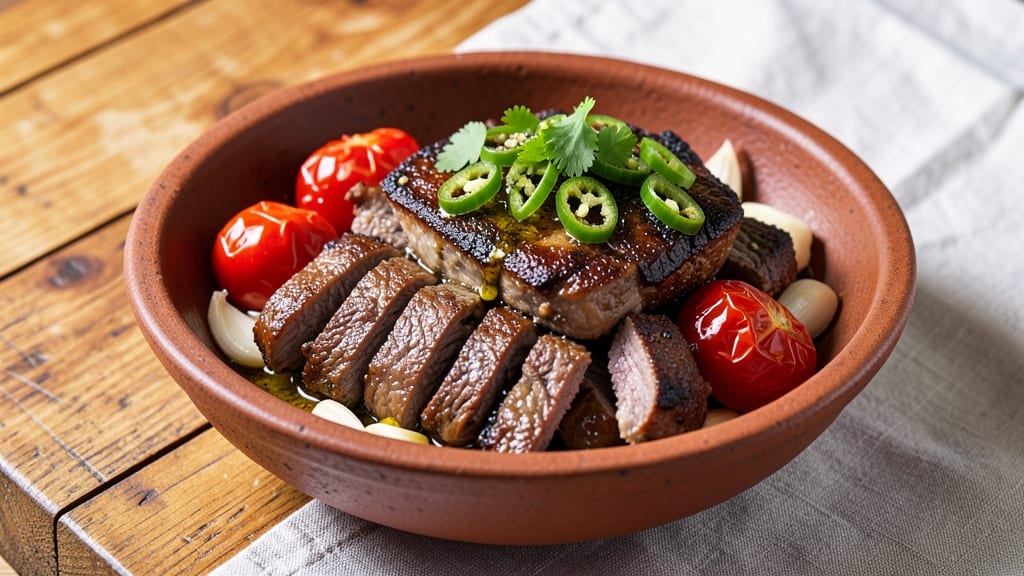
This beef Bengali recipe brings the rich, aromatic flavors of Kolkata straight to your kitchen—deep, spiced tomato gravy that clings to tender beef like a velvety embrace. 💛 The secret lies in slow-cooked spices that develop layers of warmth, balancing sweet, tangy, and earthy notes in every bite.
I first tasted this dish at a bustling Calcutta restaurant, and it’s the one that made me fall in love with Bengali cuisine all over again.
The magic happens in the marinade, where garlic, ginger, and mustard oil work together to infuse the beef with bold flavor before it simmers in a fragrant tomato base.
What sets this apart is the tempering step—whole spices like bay leaves and cardamom sizzle in hot oil, releasing aromas that transform the dish into something restaurant-quality. The result? A gravy so rich and complex, it’ll have everyone asking for seconds.
By the time you’re done, you’ll have perfectly tender beef swimming in a glossy, spiced tomato gravy that’s both hearty and elegant. Serve it with steamed basmati rice and a cooling cucumber raita to balance the heat, or pair it with fluffy naan for dipping.
This is comfort food at its finest—warm, inviting, and packed with the soul of Bengal.
Whether you’re cooking for a family gathering or treating yourself to a special meal, this recipe delivers authenticity without compromise. The slow simmering ensures deep flavor, while the step-by-step instructions make it approachable for home cooks. Let’s get started—your taste buds are in for a treat.
Ingredients for beef bengali
Rich spices, tender beef, and a velvety tomato gravy—this dish delivers restaurant-quality Bengali flavors at home.
| Ingredient | Amount | Notes |
|---|---|---|
| Beef Chuck Roast 🥩 | 1 ½ lb | Cut into 1-inch cubes (pre-cubed saves time) |
| Mustard Oil 🫒 | ¼ cup | Use high-quality, cold-pressed (not refined) |
| Fresh Garlic Cloves 🧄 | 8 cloves | Minced for marinade and tempering |
| Fresh Ginger 🌿 | ½ cup | Grated, packed (about 2-inch piece) |
| Green Chilies 🌶️ | 4 whole | Slit lengthwise for marinade (adjust for heat) |
| Tomatoes 🍅 | 2 whole | Ripe, medium-sized (or 1 cup crushed) |
| Onion 🧅 | 1 whole | Medium, finely chopped (about 1.5 cups) |
| Bay Leaves 🌿 | 2 whole | Dried, for tempering |
| Green Cardamom Pods 🌿 | 6 whole | Lightly crushed for tempering |
| Cumin Seeds 🌶️ | 1 tbsp | Toasted for tempering |
| Ground Cumin 🌿 | 1 tbsp | For marinade (not toasted) |
| Ground Coriander 🌿 | 1 tbsp | For marinade |
| Turmeric Powder 🌶️ | ½ tsp | For marinade |
| Garam Masala 🌶️ | 1 tbsp | For finishing (store-bought or homemade) |
| Salt 🧂 | 1 ½ tsp | Adjust to taste (kosher preferred) |
| Lemon Juice 🍋 | 1 tbsp | Freshly squeezed |
The beef is the star, so chuck roast is your best bet—it stays tender while absorbing all those spices. Most grocery stores carry it pre-cubed, which saves you the chopping. If you're buying a whole roast, ask the butcher to cube it for you. Look for good marbling (those white fat streaks) to keep the meat juicy. For the mustard oil, skip the refined kind—it's flavorless. Patel Brothers or Indian grocery stores have the good stuff, or look for 'high-quality' labels. The green chilies? Bird's Eye chilies if you can find them, but jalapeños work in a pinch—just use fewer for less heat.
No mustard oil? Vegetable oil or ghee works, but the flavor won't be quite the same. Fresh ginger and garlic are non-negotiable here—they're the backbone of the flavor. If you've got a microplane, use it for the ginger to get fine, even shreds. The tomatoes can be fresh or canned (San Marzano if you're fancy), but crush them by hand for that restaurant-quality texture. For the tempering spices, toast the cumin seeds first in a dry pan until fragrant—this releases their aroma. No cardamom pods? Ground cardamom at half the amount will do, but whole pods add that special depth.
This dish tastes even better the next day as the flavors meld. Store leftovers in an airtight container in the fridge for up to 4 days. For longer storage, freeze portions in 1-cup containers—they reheat beautifully. The gravy thickens as it cools, so add a splash of water or milk when reheating. I always make a double batch because it disappears fast—perfect for meal prep. The rice? Cook it separately, but keep it warm in a rice cooker or covered pot. And trust me, the extra 10 minutes of slow simmering makes all the difference.
Why You'll Love This Recipe
- One-Pot Magic: I swear by this recipe when I’m too tired to dirty extra dishes—just brown the beef, toss in the aromatics, and let the mustard oil work its magic. The slow simmer does all the heavy lifting while I read a chapter of my book.
- Flavor Bomb: That first whiff of mustard oil hitting the pan? Instant mood booster. The garlic and ginger caramelize into something so rich, while the green chilies add just enough heat to make every bite feel like a hug. Between us, I’ve had people ask for the recipe after one taste.
- Leftovers Win: This dish actually improves the next day—more tender, flavors deeper. I make a double batch on Sundays, freeze half, and pull it out for lazy nights when I don’t want to cook. (Yes, even on a Tuesday night.)
- Budget Stretch: A chuck roast goes a long way, and mustard oil—when used sparingly—adds serious flavor without breaking the bank. Honestly, this is the kind of recipe that makes me feel like I’m feeding a crowd without sacrificing taste or my wallet.
Step-by-step instructions for beef Bengali gravy
Here's how to transform tough beef into melt-in-your-mouth tender pieces with that signature Bengali tomato gravy.
👨🍳 Step 1: Marinate the Beef for Maximum Flavor
In a large bowl, combine the 1.5 lb beef chuck roast (cut into 1-inch cubes) with 0.5 cup fresh ginger (grated), 8 cloves fresh garlic cloves (minced), 4 whole green chilies (slit lengthwise), 1 tbsp ground cumin, 1 tbsp ground coriander, 0.5 tsp turmeric powder, 1.5 tsp salt, and 1 tbsp lemon juice. Mix everything thoroughly until the beef is evenly coated in the marinade.
Let the beef marinate for at least 30 minutes (I prefer 2 hours in the fridge for deeper flavor). This step breaks down the beef fibers and infuses them with aromatic spices. Don't skip this—it's what makes the final texture so tender. If you're short on time, even 15 minutes will help, but longer is better.
🔥 Step 2: Brown the Beef in Mustard Oil
Heat 0.25 cup mustard oil in a heavy-bottomed pan over medium-high heat. Once the oil is hot (you'll see tiny bubbles forming), add the marinated beef in batches, making sure not to overcrowd the pan. Brown the beef for 3-4 minutes per side until it develops a rich, caramelized crust.
Here's the thing—don't walk away. You want that beef to get deeply browned, which builds layers of flavor. If it sticks, add a splash of water and scrape the bottom to release those flavorful browned bits (they're called fond, and they're pure gold). Once all the beef is nicely browned, remove it from the pan and set it aside.
🍳 Step 3: Build the Aromatic Base
In the same pan, reduce the heat to medium and add 1 whole onion (finely chopped). Sauté for 5-6 minutes until the onions turn golden brown. Add 2 whole tomatoes (chopped) and cook for another 5 minutes until they soften and release their juices.
Now add 2 whole bay leaves, 6 whole green cardamom pods (lightly crushed), and 1 tbsp cumin seeds. Let the cumin seeds sizzle for 30 seconds until they release their aroma—this is where the magic happens. Stir in 1 tbsp garam masala and cook for 1 minute to toast the spices gently. This aromatic base is the foundation of your gravy, so don't rush it.
🥘 Step 4: Simmer the Gravy to Perfection
Return the browned beef to the pan along with any accumulated juices. Add 1 cup water (or enough to just cover the beef) and bring the mixture to a gentle simmer. Cover and cook for 45-50 minutes on low heat, stirring occasionally, until the beef is fork-tender and the gravy has thickened slightly.
Here's how you'll know it's done: the beef should pull apart easily with a fork, and the gravy should coat the back of a spoon with a velvety consistency. If it's too thin, uncover and simmer for another 5-10 minutes to reduce. Taste and adjust the seasoning with more salt if needed. The gravy should be rich, slightly tangy, and perfectly balanced.
⏰ Step 5: Finish and Serve with Freshness
Once the beef is tender, remove the bay leaves and cardamom pods (they've done their job). Give the gravy a final taste and adjust the seasoning if needed. Stir in 1 tbsp lemon juice just before serving to brighten the flavors and cut through the richness.
Serve the beef Bengali gravy hot with steamed rice or crusty bread. The gravy should be thick enough to coat the beef beautifully, with a perfect balance of spicy, tangy, and aromatic flavors. Garnish with fresh cilantro if you like, but the dish is already packed with flavor on its own. Enjoy immediately while it's piping hot!
Pro Tips For Making Beef Bengali
- SEAR THE MEAT FIRST: Hit that chuck roast with mustard oil on high heat until it’s deep brown—this isn’t just for looks. The crust locks in flavor and keeps the beef from drying out later, especially when you’re slow-cooking it. I used to skip this, and the dish always tasted flat.
- GRATE GINGER FINE: No food processor? Use a box grater and scrape off the fibrous bits—you want a paste, not a chunky mess. Fresh ginger in Bengali beef needs to dissolve into the oil, not sit as lumps. I learned this after tasting a version where someone just chopped it, and it was a game-changer.
- DON’T OVERCROWD THE PAN: If you’re frying garlic and green chilies in mustard oil, do it in batches—even if it feels slow. Overcrowding steams the garlic instead of frying it crisp, and that’s when the dish loses its punch. Trust me, your nose will thank you when the aroma hits.
- REST THE BEFORE SLICING: Let the cooked beef sit under foil for 10 minutes after the oven or pot. Cutting it too soon means juices spill everywhere, and the slices turn out dry. I know, it’s tempting to serve immediately, but this step keeps the meat tender and the dish looking restaurant-worthy.
Dietary considerations for this dish
Gluten-Free Adaptations
This beef Bengali recipe is naturally gluten-free, but always double-check your spice blends like garam masala and ground cumin for hidden gluten. I use Bob's Red Mill gluten-free spices to be safe.
The mustard oil and other ingredients are typically gluten-free, but cross-contamination can happen in shared kitchens. For extra caution, toast your cumin seeds in a dedicated gluten-free pan. 🌾
Dairy-Free Considerations
The recipe calls for mustard oil, which is dairy-free, but traditional Bengali cooking sometimes includes yogurt. If you need to avoid dairy, simply omit any yogurt-based raita or garnishes.
The beef marinade and gravy remain completely dairy-free as written. For additional creaminess, stir in coconut milk instead of heavy cream during the simmering phase.
Spice Sensitivity Adjustments
Green chilies and mustard oil can be intense for sensitive palates. Reduce heat by using 2 green chilies instead of 4, or swap them for ½ tsp mild paprika. For mustard oil, heat it gently (medium-low heat) to reduce its pungency.
If you're avoiding mustard oil entirely, use vegetable oil or ghee—just know the flavor will be slightly different.
Vegetarian Substitutions
While this is a beef dish, you can adapt it for vegetarians by replacing beef with chickpeas or paneer. For chickpeas, marinate and brown them the same way, then simmer in the gravy for 20-25 minutes.
For paneer, add it during the final 10 minutes of cooking to prevent it from breaking apart. The tomato gravy base works beautifully with either protein.
Allergen-Friendly Swaps
If you have nut allergies, avoid garam masala blends containing ground nuts. Opt for a nut-free garam masala like MDH or Everest brands, which are widely available.
For shellfish allergies, this recipe is completely safe—just ensure all spices and oils are processed in allergen-free facilities. Always check labels on pre-made spice blends.
Meal Prep Adaptations
This dish reheats beautifully for meal prep, but store components separately to maintain texture. Keep the beef and gravy in one airtight container and rice in another. Reheat the beef and gravy together on the stovetop with 2 tbsp water to restore moisture.
For freezer storage, portion into 1-cup servings—they thaw quickly and taste even better the next day. 💫
Nutrition facts
Frequently asked questions
What makes this beef Bengali gravy different from other beef curries?
The key lies in the mustard oil and tempering technique. Unlike many curries that rely on yogurt or coconut milk, this dish uses a rich tomato base built with whole spices like bay leaves and cardamom pods that are toasted to release maximum aroma. The slow simmering with 1-inch beef cubes creates melt-in-your-mouth texture, while the final lemon juice brightens the deep, spiced flavors.
Can I substitute mustard oil with another oil?
Yes, but the flavor profile will change. For a similar taste, use vegetable oil or ghee. Heat the oil gently (medium-low heat) to reduce its pungency, especially if you're sensitive to strong flavors. Mustard oil adds a unique depth that's hard to replicate, but it's not strictly necessary for the dish to work.
How do I know when the beef is fully cooked?
The beef is done when it's fork-tender and pulls apart easily with minimal resistance. It should have a light pink center (safe for consumption) and the gravy should thicken slightly during the 45-50 minute simmer. If using a meat thermometer, aim for 160°F in the thickest part. Overcooking can make the beef dry, so monitor closely.
What's the best way to store leftovers?
Store in an airtight container in the fridge for up to 4 days. The flavors actually improve overnight as the spices meld! For longer storage, freeze portions in 1-cup containers. When reheating, add 2 tbsp water to prevent drying out. The gravy thickens upon cooling, so adjust consistency with a splash of water or milk when serving.
What sides pair best with this dish?
Traditional pairings include steamed basmati rice or jeera rice (cumin rice) to soak up the rich gravy. For a cooling contrast, serve with cucumber raita or boondi raita. Hearty bread like phulka or naan works well too. The key is balancing the warmth of the beef with something fresh and light.