
Soups & Stews
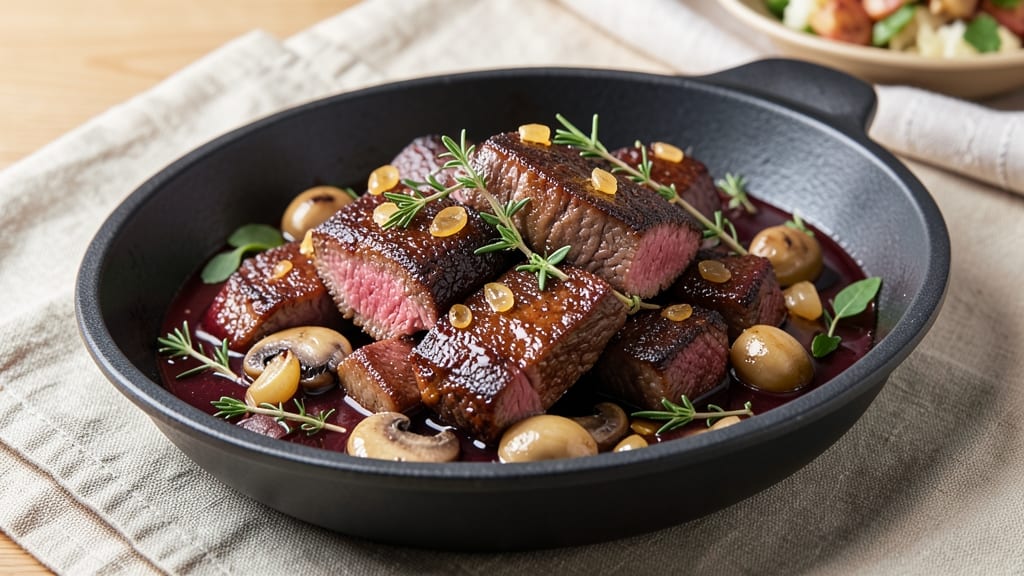
This Beef Barolo recipe transforms simple ingredients into a restaurant-worthy dish where rich Barolo wine and earthy mushrooms create a sauce so velvety it melts into every bite.
The secret lies in slow reduction—simmering until the wine deepens into a glossy, aromatic glaze that clings to tender beef like a second skin. What starts as a bold red wine becomes the heart of this dish, its tannins softened by time and herbs into something luxurious yet approachable.
The key to authentic flavor is patience: browning the beef first for depth, then deglazing with Barolo to capture every caramelized bit. Mushrooms add umami richness, while aromatics like shallots and thyme build complexity without overpowering.
This isn’t just a stew—it’s a celebration of wine’s transformative power in cooking, where the sauce becomes the star alongside perfectly tender beef.
By the time you plate it—over creamy polenta or crusty bread—you’ll have a dish that tastes like a Tuscan trattoria’s finest offering. The wine reduction thickens into a glossy, almost syrupy consistency, coating each bite with layers of savory-sweet flavor.
It’s the kind of meal that makes weeknight dinners feel special without requiring hours in the kitchen.
Pair it with roasted vegetables or a simple arugula salad to balance the richness, and you’ve got a complete, satisfying dinner that impresses even when you’re cooking for guests. The technique is straightforward, but the result is anything but ordinary—proof that great food doesn’t need complexity, just intention.
Ingredients for beef barolo
Rich wine, tender beef, and earthy mushrooms—just 14 ingredients for a dish that tastes like a Tuscan trattoria.
| Ingredient | Amount | Notes |
|---|---|---|
| Beef Chuck Roast 🥩 | 2 lb | Cut into 1.5-inch cubes |
| Dry Barolo Wine 🍷 | 1 cup | Bold, full-bodied variety |
| Shallots 🧅 | 4 whole | Minced, not sliced |
| Garlic Cloves 🧄 | 6 cloves | Crushed, not minced |
| Cremini Mushrooms 🍄 | 16 oz | Sliced into quarters |
| Fresh Thyme 🌿 | ½ cup | Leaves only, stems removed |
| Fresh Rosemary 🌿 | 2 sprigs | Whole sprigs for infusion |
| Unsalted Butter 🧈 | 4 tbsp | Cold, cubed for browning |
| Olive Oil 🫒 | 2 tbsp | Extra-virgin for richness |
| Tomato Paste 🍅 | 2 tbsp | Smooth, not chunky |
| Beef Stock 💧 | 1 cup | Homemade preferred |
| Diamond Crystal Kosher Salt 🧂 | 1 ½ tsp | Adjust to taste |
| Freshly Ground Black Pepper 🌶️ | 1 tsp | Cracked peppercorns preferred |
| All-Purpose Flour 🌾 | 1 tbsp | For thickening sauce |
The Barolo wine is non-negotiable here—look for a bold, dry red from Piedmont, Italy, if you can find it. Trader Joe's often carries a solid budget option, but splurge on E. & J. Gallo or Beringer for better depth. The beef should be chuck roast (not sirloin)—it stays tender through slow cooking. If you can't find Barolo, Cabernet Sauvignon works in a pinch, but it'll lack the same earthy complexity. The mushrooms? Cremini or baby bella add the perfect umami punch—no need for wild varieties unless you're feeling fancy. Fresh thyme and rosemary are ideal, but dried at one-third the amount gets you close if you're in a bind.
No Barolo? Dry red wine like Merlot or Chianti works, but add 1 tsp balsamic vinegar to mimic the acidity. The tomato paste is just for depth—skip it entirely if you're avoiding it, but the dish will be slightly less balanced. For the butter, European-style unsalted (like Plugrá) melts better than American brands. The flour is just for thickening at the end—arrowroot powder works too if you're gluten-free. The beef stock? Homemade is best, but low-sodium store-bought in a pinch. And if you're short on time, pre-minced shallots from the store are fine—just rinse them to remove excess moisture.
This sauce gets better the next day—make extra and freeze portions for up to 3 months. Store leftovers in the fridge for 4-5 days, covered tightly to preserve the wine's aroma. The beef reheats beautifully—just warm through gently with a splash of stock. For serving, creamy polenta or crusty sourdough soaks up every last bit of that velvety sauce. If you're prepping ahead, brown the beef and set it aside before making the sauce—it'll still be tender when you finish cooking.
Why You'll Love This Recipe
- One-Pot Magic: I swear by this recipe on nights when I’d rather not scrub three pans. The Barolo wine does most of the work—simmering down into a rich sauce while the beef and mushrooms melt together. Just sear the roast, toss everything in, and walk away.
- Rich Without Effort: That first sip of the wine reduction? It’s like a little Italian vacation in your mouth. The mushrooms soak up the deep, earthy flavors, and the shallots add this subtle sweetness that balances the boldness. Honestly, I’ve tried fancier cuts of beef, but the chuck roast here stays tender and ridiculously flavorful.
- Weeknight to Dinner Party: Between us, this is my go-to when I need to impress without stressing. Serve it with polenta for a rustic feel, or crusty bread to sop up that sauce—it works for both casual family dinners and when my in-laws drop by unexpectedly. (Yes, even on a Tuesday night.)
- Leftovers That Don’t Suck: Most beef dishes turn dry or boring the next day, but not this one. The Barolo keeps it moist, and the sauce only gets better as it sits. I’ll make a double batch, slice it thin, and pack it for lunches—my coworkers still ask where I get my “fancy deli meat.”
Step-by-step instructions for beef Barolo recipe
Here's how to transform simple ingredients into a restaurant-worthy beef Barolo dish with deep wine richness and earthy mushroom flavor.
Sear the Beef for Maximum Flavor
Heat a heavy Dutch oven over medium-high heat until very hot. Add 2 tablespoons olive oil and let it shimmer for 1 minute. Working in batches to avoid crowding, add the 2 lb beef chuck roast cut into 1.5-inch cubes and sear until deeply browned on all sides, about 3-4 minutes per batch.
This high-heat searing creates the Maillard reaction, which develops that deep, caramelized flavor we want in our Barolo sauce. Don't rush this step—you'll know the beef is ready when it releases easily from the pan and has developed a rich brown crust. Transfer the seared beef to a plate and set aside.
Build the Aromatic Base
In the same Dutch oven, reduce heat to medium and add 4 tablespoons cold cubed butter. Let it melt completely, about 1 minute, then add the 4 whole minced shallots and 6 cloves crushed garlic. Cook for 2-3 minutes until the shallots are translucent and the garlic is fragrant but not browned.
Add the 16 oz sliced cremini mushrooms and cook for another 5-6 minutes until they've released their moisture and are beginning to brown. Here's where the magic happens—the mushrooms will release their umami-rich juices that form the foundation of our sauce. Stir occasionally to ensure even cooking.
Develop the Wine Reduction
Pour in the 1 cup dry Barolo wine and scrape up all those beautiful browned bits from the bottom of the pan with a wooden spoon. This deglazing step captures all the flavor we've built so far. Let the wine simmer for 3-4 minutes until reduced by about half and slightly syrupy in consistency.
Add the 2 tablespoons tomato paste and stir to combine completely. The tomato paste will help balance the acidity of the wine and add depth to the sauce. Let this cook for another 1 minute to meld all the flavors together. This is the moment when all the components come together—wine, mushrooms, aromatics, and beef.
Simmer the Beef in Herbed Sauce
Return the seared beef to the Dutch oven along with any accumulated juices. Add the 1 cup beef stock, 1.5 teaspoons kosher salt, 1 teaspoon freshly ground black pepper, 0.5 cup fresh thyme leaves, and 2 sprigs fresh rosemary. Bring to a gentle simmer, then reduce heat to low and cover partially.
Simmer for 1.5-2 hours until the beef is fork-tender and easily pulls apart. The sauce should have thickened significantly from the beef's natural juices and wine reduction. Check occasionally and add a splash of water if the sauce becomes too thick. The rosemary sprigs will infuse the sauce with their piney aroma, while the thyme adds a subtle earthy note.
Finish and Thicken the Sauce
Once the beef is tender, remove the rosemary sprigs and discard them. Increase heat to medium and let the sauce reduce for another 5-7 minutes to achieve the perfect consistency. If needed, sprinkle in the 1 tablespoon all-purpose flour and stir vigorously for 1-2 minutes to thicken the sauce to a glossy, velvety texture.
The sauce should coat the back of a spoon and cling beautifully to the beef. Taste and adjust seasoning with additional salt or pepper if needed. This final reduction concentrates all the flavors, creating that luxurious mouthfeel that makes this dish truly special. Serve immediately over creamy polenta or crusty bread to soak up every last drop of that rich Barolo sauce.
Pro Tips For Making Beef Barolo
- Sear the Roast Hard: I used to treat searing like a formality—just a quick patina before deglazing. Wrong move. For Barolo beef, crank the heat to medium-high and let that chuck roast develop a deep, caramelized crust. Five minutes per side with a heavy pan (cast iron, if you’ve got it) makes all the difference when the wine reduces later.
- Deglaze Immediately: That browned crust? Don’t let it sit. As soon as you remove the roast, hit the pan with a splash of Barolo—just enough to loosen the bits—then let it bubble hard for 30 seconds before adding the rest. Skimp here, and your sauce turns muddy. Push the pan around to scrape every last bit.
- Slice Shallots Thinly: I learned this the hard way—chunky shallots in a slow braise turn to mush. Use a sharp knife and slice them paper-thin, almost translucent. They’ll soften beautifully without disappearing into the sauce, adding bright, oniony depth that balances the richness of the Barolo.
- Skip the Crowding: Tossing mushrooms and shallots in the same pan with the roast? Resist the urge. Cook the mushrooms first in batches until they release their moisture, then set them aside. Overcrowding steams them instead of browning, and you’ll end up with a watery sauce instead of a glossy, wine-reduced one.
Pro cooking tips for this dish
Wine Reduction Mastery
This is where the magic happens—reducing 1 cup of Barolo wine down to a syrupy consistency transforms it from a drink into a flavor bomb. I recommend using a heavy Dutch oven (like All-Clad) to concentrate the flavors without burning.
After deglazing with wine, simmer uncovered over medium heat for 10-15 minutes, stirring occasionally, until reduced by half. The alcohol burns off, leaving behind deeper, more complex flavors that coat the beef like velvet. 🍷
Pro tip: If your sauce reduces too quickly, add 1-2 tablespoons of beef stock to maintain balance. The goal is a glossy, almost jam-like consistency—not watery, but not thick enough to glue the pan together.
Taste as you go: the wine should taste concentrated but still bright, not bitter or overly tannic.
Beef Browning Secrets
Don’t skip the high-heat sear—this is non-negotiable for depth. Use a cast-iron skillet or Dutch oven (I swear by Lodge) and heat it until smoking hot before adding the beef. Work in single layers to avoid steaming, and let each piece develop a deep mahogany crust before flipping.
The Maillard reaction here creates hundreds of flavor compounds that dissolve into the Barolo sauce later. 🔥
If your beef releases too easily (undercooked) or sticks (overcrowded), adjust your heat or batch size. The ideal sear takes 3-4 minutes per side—no rush! The crust should be crisp and dark, not pale.
Transfer seared beef to a plate and let it rest while you build the sauce—this prevents it from finishing too early.
Herb Infusion Hacks
Fresh herbs like thyme and rosemary infuse their flavors best when added whole and removed before serving. Tuck 2 sprigs of rosemary into the sauce early (after the wine reduction) and let them steep for 30-45 minutes—this extracts their piney, citrusy notes without bitterness.
The thyme leaves can be added later (during the simmer) since they’re more delicate. 🌿
For extra depth, add a bay leaf (remove before serving) or a pinch of crushed fennel seeds—both complement Barolo’s earthy profile. If using dried herbs, reduce to ⅓ the amount (e.g., 1 tsp dried thyme instead of ½ cup fresh).
The key is balance: herbs should enhance, not overpower, the wine’s natural flavors.
Sauce Thickening Tricks
If your sauce isn’t thickening enough, flour or cornstarch are your best friends—but use them wisely. For a gluten-free option, mix 1 tbsp cornstarch with 2 tbsp cold water and whisk into the sauce at the end.
Simmer for 2-3 minutes until it reaches a slightly sticky, spoon-coating consistency. 🥄
Avoid over-thickening: the sauce should still be saucy, not paste-like. If it gets too thick, thin with 1-2 tbsp beef stock or a splash of reduced wine. The ideal texture is velvety yet fluid—like a cross between a stew and a glaze.
Taste as you go: the sauce should cling to the beef but not feel heavy.
Nutrition facts
Frequently asked questions
Can I substitute Barolo wine with another red wine?
Yes, but choose carefully! A bold, dry red wine like Cabernet Sauvignon or Chianti works best. For extra depth, add 1 teaspoon balsamic vinegar per cup of wine to mimic Barolo’s acidity. Avoid sweet wines or those with high tannins, as they’ll overpower the dish. The key is a wine with earthy, fruity notes to complement the beef and mushrooms.
How do I know when the beef is tender enough?
Use the fork test: after 1.5 hours of simmering, pierce a piece of beef with a fork—it should feel fork-tender (almost falling apart) but not mushy. If it resists, cook another 30 minutes. Chuck roast typically reaches perfection at 2 hours. For extra insurance, check the internal temperature with a meat thermometer—it should read 203°F for fall-apart tenderness.
What’s the best way to reheat leftovers?
Gently reheat on the stovetop over low heat with a splash of beef stock to maintain moisture. Avoid microwaving, as it can make the sauce watery. For best results, warm for 5-7 minutes until heated through. The sauce will thicken slightly as it cools, so add a little extra stock if needed. Leftovers taste even better the next day!
Can I make this dish ahead of time?
Prepare the sauce and beef up to 2 days ahead—store in an airtight container in the fridge. Reheat gently, adding stock as needed. For longer storage, freeze the sauce (without the beef) for up to 3 months. The flavors deepen over time, making it perfect for meal prep. Just avoid freezing the beef with the sauce, as it can become mushy.
Why did my sauce turn bitter?
Over-reducing the wine or cooking at too high heat can cause bitterness. Keep the heat at medium-low during reduction and stir occasionally to prevent burning. If the sauce tastes bitter, balance it with a splash of beef stock or a pinch of sugar (just ½ teaspoon max). Avoid adding more wine—it’ll dilute the flavors instead of fixing the issue.