
Soups & Stews
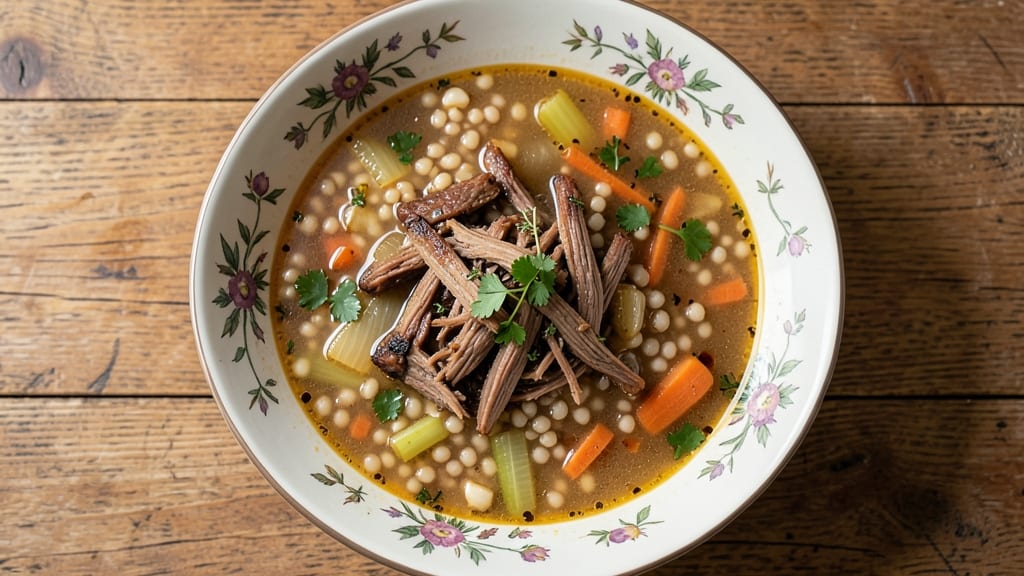
Transforming leftover beef roast into rich, comforting beef barley soup is one of the most satisfying ways to repurpose leftovers. The key lies in slow simmering—where tougher meat becomes tender, and simple ingredients meld into a deeply flavorful broth.
This method turns a simple roast into a hearty, restaurant-quality meal that’s perfect for chilly evenings or meal prep.
What makes this recipe work is the balance of textures and flavors: chewy barley, tender beef, and vegetables that soften just enough to soak up the savory broth.
The slow cooking process allows the beef to break down, infusing the soup with deep, meaty richness while keeping the broth clear and aromatic. No need for complicated techniques—just patience and a few simple ingredients.
The result is a soup that’s both nourishing and deeply satisfying, with each spoonful offering layers of flavor. The barley adds a satisfying chew, while the beef provides hearty substance. This is the kind of meal that feels like a hug in a bowl—simple to prepare but impossible to resist.
Whether you’re using a slow cooker for hands-off cooking or a stovetop for classic simmering, this recipe delivers on comfort and efficiency. Perfect for feeding a crowd or saving leftovers, it’s the ultimate way to make every bite count.
Ingredients for beef barley soup recipe with leftover beef roast
Simple ingredients that transform tough leftover beef into restaurant-worthy soup in one pot.
| Ingredient | Amount | Notes |
|---|---|---|
| Leftover Beef Roast 🥩 | 1 ½ lb | Cut into bite-sized pieces |
| Pearl Barley 🌾 | 1 cup | Uncooked, rinsed well |
| Carrots 🥕 | 3 medium | OR 1 cup chopped |
| Yellow Onion 🧅 | 1 whole | Diced, about 1 cup |
| Celery Stalks 🥬 | 3 whole | Chopped, about 1 cup |
| Garlic Cloves 🧄 | 4 cloves | Minced or pressed |
| Beef Broth 💧 | 4 cups | Low-sodium preferred |
| Water 💧 | 4 cups | For broth dilution |
| Tomato Paste 🍅 | 2 tbsp | OR 1 small can diced tomatoes |
| Dried Thyme 🌿 | 1 tbsp | OR 1 tbsp fresh chopped |
| Bay Leaves 🌿 | 2 whole | Remove before serving |
| Salt 🧂 | 1 ½ tsp | Adjust to taste |
| Black Pepper 🌶️ | ½ tsp | Freshly ground |
| Olive Oil 🫒 | 2 tbsp | For sautéing |
The beef is the star here—leftover roast works best because it's already tenderized. If your roast is bone-in, pick through for meat—the marrow adds richness. For barley, pearl barley is classic, but quick-cooking barley cuts prep time in half. Carrots and celery should be fresh, crisp—no rubbery veggies here. I grab mine from the produce section at Whole Foods when I can, but the regular grocery store stuff works fine. The key is to chop them uniformly so they cook evenly.
No beef broth? Chicken broth plus a splash of soy sauce gets you close. Dried thyme is a must, but fresh thyme works at 1:1 ratio. Short on tomato paste? Canned diced tomatoes with skins removed add body. The onion and celery combo is non-negotiable—it's your flavor base. If you're using pre-chopped veggies, rinse them well to remove excess moisture. For extra depth, toast the barley in olive oil for 2 minutes before adding liquid—it removes the raw taste and adds nuttiness.
This soup tastes even better the next day as flavors meld. Store in an airtight container for 4-5 days in the fridge or freeze for 3 months. I always make a double batch—one for dinner, one for lunch. The barley thickens as it cools, so add a splash of broth when reheating. For meal prep, portion into glass containers—they keep flavors fresher longer. The leftovers reheat beautifully on the stovetop or in the microwave, just until steaming hot.
Why You'll Love This Recipe
- Zero-Waste Hero: I swear by this trick—leftover roast becomes something new instead of mystery meat. That rich, already-braised beef melts into the broth like it was meant to be soup all along, no extra effort.
- Deep Umami Magic: Pearl barley soaks up the beef’s natural juices while the carrots and celery add that classic sweet-savory balance. Honestly, the longer it simmers, the better it gets—like a slow dance of flavors.
- Prep-Ahead Powerhouse: Make a double batch and freeze half for those "I-can’t-even" days. The barley thickens perfectly when reheated, and the veggies hold their texture—no sad mush here.
- Budget Booster: This soup turns a simple roast into a filling, hearty meal for days. Between us, it’s the kind of dish that makes grocery money stretch without sacrificing taste—my wallet thanks me every time.
Step-by-step instructions for hearty beef barley soup
Transform your leftover beef roast into a rich, comforting soup with just one pot.
Sauté the Aromatic Vegetables
Heat the 2 tablespoons olive oil in a large pot over medium heat. Add the diced yellow onion, chopped celery stalks, and chopped carrots. Cook for 5-6 minutes, stirring occasionally, until the vegetables begin to soften and the onion becomes translucent. This step builds the flavor foundation—don't rush it.
Add the minced garlic cloves and cook for another 30 seconds until fragrant. Here's the thing—garlic burns quickly, so keep an eye on it. If it starts to brown too fast, reduce the heat slightly. The vegetables should be tender but not mushy at this stage.
Brown the Leftover Beef Roast
Push the sautéed vegetables to one side of the pot and add the 1.5 lb leftover beef roast in bite-sized pieces. Cook for 3-4 minutes, stirring occasionally, until the beef begins to brown. This step adds depth of flavor through the Maillard reaction—those browned bits are pure umami magic.
Once the beef is well browned, stir it back into the vegetables. Add the 2 tablespoons tomato paste and cook for another 1 minute, stirring constantly. This helps distribute the paste evenly and prevents it from clumping. The mixture should smell rich and aromatic by now.
Simmer the Soup with Barley and Broth
Pour in the 4 cups beef broth and 4 cups water, scraping up any browned bits from the bottom of the pot. Add the 1 cup pearl barley, 1 tablespoon dried thyme, 1.5 teaspoons salt, 0.5 teaspoon black pepper, and 2 whole bay leaves. Bring the mixture to a boil over high heat, then reduce the heat to low and let it simmer.
Simmer uncovered for 45-50 minutes, stirring occasionally, until the barley is tender and the soup has thickened slightly. The barley should be cooked through but still have a slight bite—this ensures it holds its shape. If the soup looks too thin, reduce the heat and let it simmer longer to thicken naturally.
Finish and Serve
Remove the 2 whole bay leaves before serving. Taste the soup and adjust the seasoning with additional salt or black pepper if needed. The soup should be hearty, flavorful, and perfectly balanced—no single ingredient should overpower the others.
Serve the soup hot, garnished with extra black pepper if desired. Each bowl should be packed with tender beef, chewy barley, and a rich broth that warms you from the inside out. This soup is the ultimate way to repurpose leftovers into something even more delicious.
Pro Tips For Making Beef Barley Soup Recipe With Leftover Beef Roast
- CHOP VEGETABLES UNIFORM: The soup’s texture depends on this—aim for ½-inch dice for carrots and celery, and thin slices for onion. I used to eyeball it and ended up with mushy bits in some spots and crunchy chunks elsewhere. A sharp knife and a steady hand make all the difference.
- SIMMER BARLEY LOW AND SLOW: Pearl barley needs patience—bring the soup to a boil first, then drop to a gentle simmer (small bubbles, barely moving). After burning two batches, I finally realized: rushing this step turns the barley into mush instead of tender, chewy bites. Trust the timer, not your frustration.
- SHRED MEAT AGAINST THE GRAIN: Tear the leftover roast into bite-sized pieces by running your fingers against the grain, not with it. This ensures each spoonful has texture, not a chewy, stringy mouthful. I was skeptical until I tried it—now I can’t imagine doing it any other way.
- SALT THE WATER LIKE THE SEA: Use 1½ teaspoons of salt per quart of water (or to taste) when cooking the barley. This isn’t just flavor—it guarantees the barley absorbs liquid evenly and stays firm. I skip this when I’m lazy, but the dish is noticeably better when I don’t. (Yes, even if you’re impatient like me.)
Troubleshooting this recipe
Broth Too Thin?
If your soup ends up watery, don’t panic—simmering longer is your first fix. Reduce heat to low and let it cook uncovered for an extra 15-20 minutes, stirring occasionally. The barley will absorb liquid naturally, thickening the broth.
For an instant boost, mix 1 tablespoon cornstarch with 2 tablespoons cold water, stir into the soup, and simmer 2-3 minutes until it reaches your desired consistency. 💫
Barley Undercooked or Mushy?
Pearl barley needs 45-50 minutes to cook perfectly—any less and it’ll taste raw; too long and it turns mushy. If yours is still firm after simmering, add ½ cup hot water, cover, and cook 10 more minutes.
For mushy barley, drain excess liquid through a fine-mesh strainer before serving. Pro tip: Rinse the barley twice before cooking to remove excess starch, which prevents gumminess.
Beef Not Tender Enough?
Leftover roast should already be tender, but if pieces are still tough, they need more time in the broth. Simmer uncovered for an extra 20-30 minutes—the slow cooking breaks down collagen into gelatin, making the meat fork-tender.
For stubborn pieces, use a slotted spoon to remove them, shred with forks, then return to the pot. A splash of apple cider vinegar (1 tbsp) can also help tenderize the meat.
Vegetables Too Soft or Crunchy?
Carrots and celery should be tender but still hold shape. If they’re mushy, reduce simmering time next batch to 30-35 minutes. For extra crunch, add ½ cup frozen peas in the last 5 minutes of cooking.
To keep veggies vibrant, blanch them in boiling water for 1 minute before adding to the pot—this jumpstarts softening while preserving color.
Flavor Lacking Depth?
Boost umami with 1 teaspoon soy sauce or ½ teaspoon Worcestershire sauce during the final 10 minutes of simmering. A parmesan rind (added with the broth) infuses rich, nutty notes—just remove before serving.
For a smoky touch, add ½ teaspoon smoked paprika or a crushed bay leaf (extra for flavor). Taste as you go—adjust salt, pepper, or herbs gradually.
Soup Too Salty?
Dilute with ½ cup hot water or broth, then simmer 5 minutes to balance flavors. For a fresh twist, stir in ¼ cup plain yogurt or crème fraîche—the acidity cuts saltiness while adding creaminess.
If the issue is tomato paste (which can be salty), reduce it to 1 tablespoon next time and add 1 teaspoon lemon juice at the end for brightness.
Nutrition facts
Frequently asked questions
Can I use any type of leftover beef for this soup?
While this recipe works best with leftover roast, you can absolutely use other tender beef cuts like braised beef, pot roast, or even shredded beef from a slow cooker. The key is that the beef should already be tender—avoid using tough cuts like flank steak or chuck roast that need more cooking time. If using bone-in beef, pick through for meat and use the marrow to enrich the broth.
How can I make this soup in a slow cooker?
Simply combine all ingredients in your slow cooker and cook on low for 6-7 hours or high for 3-4 hours. The slow cooking enhances the beef's tenderness and lets the flavors meld beautifully. Add the barley during the last 30 minutes of cooking to prevent it from becoming mushy. The slow cooker method is perfect for hands-off meal prep!
What if I don't have pearl barley?
No problem! You can substitute with quick-cooking barley (reduce cooking time by 15-20 minutes) or even wild rice blend (follow package instructions). For a gluten-free option, use quinoa or buckwheat, though the texture will differ slightly. The key is to choose a grain that holds its shape well during simmering.
Can I add other vegetables to this soup?
Try adding potatoes (diced), parsnips, or turnips for extra heartiness. For greens, stir in kale or spinach in the last 10 minutes of cooking. Just be mindful of cooking times—hard vegetables need more time, while delicate greens wilt quickly. Add them separately to maintain texture.
How long will this soup keep in the fridge?
This soup tastes even better the next day! Store in an airtight container for 4-5 days in the fridge. The flavors deepen as it sits, and the barley thickens slightly. For leftovers, reheat gently on the stovetop or microwave until steaming hot. If the soup thickens too much, stir in a splash of broth or water to restore consistency.