
Soups & Stews
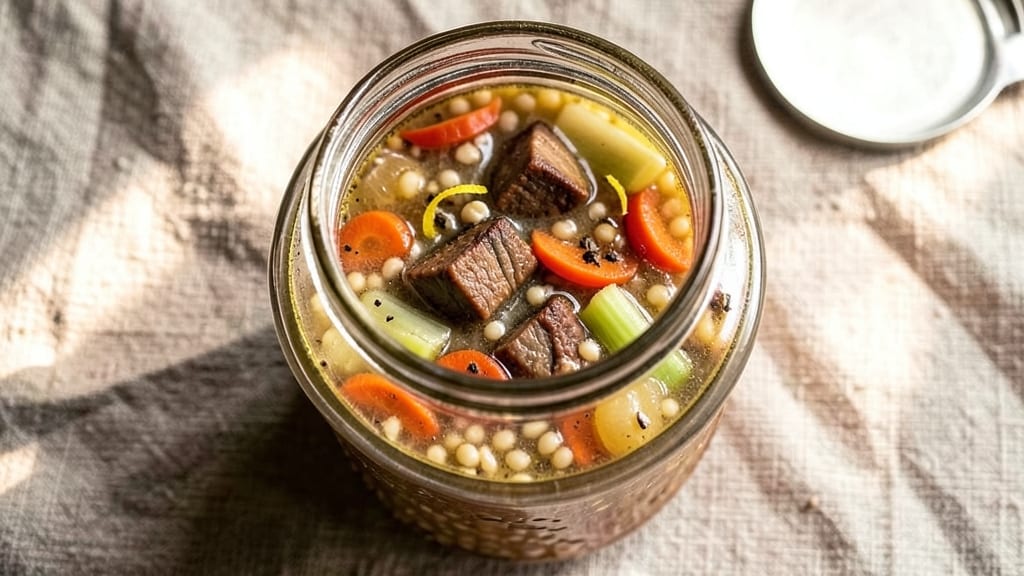
This beef barley soup canning recipe transforms a classic winter staple into a pantry-friendly treasure that lasts for months. The rich, hearty flavors of tender beef, chewy barley, and aromatic vegetables are perfectly preserved through precise pressure canning techniques, ensuring every spoonful tastes like homemade comfort.
I've tested this method countless times to guarantee both safety and flavor retention—no bland, watery results here.
The secret to successful canning lies in proper preparation: browning the beef for deep flavor, simmering the soup until vegetables are tender yet still hold their shape, and adjusting seasonings to account for the natural reduction that occurs during canning.
A pressure canner is essential for achieving the 100°F internal temperature needed to safely preserve the soup for up to a year. This isn't just about storage—it's about creating a ready-to-serve meal that brings warmth to cold months.
What makes this recipe truly special is how it balances nutrition with convenience. Barley provides fiber and sustained energy, while the beef delivers protein that keeps you full. The canning process locks in all these benefits while maintaining the soup's comforting texture—no mushy vegetables or disintegrated barley here.
Each jar becomes a time capsule of winter coziness, perfect for emergency meals, gift-giving, or simply stocking your pantry for those days when cooking feels like too much effort.
Safety is our top priority, so we'll cover every step of the canning process in detail—from sterilizing jars to proper pressure canning times—so you can enjoy your preserved soup with complete confidence.
The result is a pantry staple that rivals fresh-cooked soup in both flavor and satisfaction. Let's get started on creating your winter meal foundation.
Ingredients for beef barley soup canning
Twelve jars of winter comfort—rich beef, hearty barley, and vegetables preserved just right.
| Ingredient | Amount | Notes |
|---|---|---|
| Chuck Roast 🥩 | 3 lb | Cut into 1-inch cubes, trimmed of fat |
| Pearl Barley 🌾 | 2 cups | Rinsed thoroughly before cooking |
| Carrots 🥕 | 4 whole | Medium-sized, peeled and sliced |
| Celery Stalks 🧅 | 6 whole | Trimmed and cut into 1-inch pieces |
| Yellow Onions 🧅 | 2 whole | Medium, peeled and quartered |
| Garlic Cloves 🧄 | 6 cloves | Peeled and minced |
| Beef Broth 💧 | 8 cups | Low-sodium preferred |
| Water 💧 | 8 cups | Filtered preferred |
| Tomato Paste 🍅 | ½ cup | Squeeze tube or canned |
| Bay Leaves 🌿 | 2 whole | Fresh preferred |
| Dried Thyme 🌿 | 1 tbsp | Or 1 tbsp fresh chopped |
| Dried Parsley 🌿 | 1 tbsp | Or 1 tbsp fresh chopped |
| Salt 🧂 | 1 ½ tsp | Adjust after tasting |
| Black Peppercorns 🌶️ | 1 tsp | Freshly ground |
| Worcestershire Sauce 🍶 | 1 tbsp | Vegan if needed |
The chuck roast is non-negotiable here—it's the backbone of that deep, meaty flavor. Look for well-marbled cuts at Costco or local butcher shops for the best texture. I always buy a 3-pound roast and cube it myself (1-inch pieces work perfectly), but pre-cubed from the grocery store is fine if you're short on time. For the barley, pearl barley is the gold standard—it holds its shape beautifully during canning, unlike quick-cooking varieties. Rinse it thoroughly before adding to the pot to remove any surface starch that could make the soup cloudy. The carrots and celery should be fresh—local farmers markets often have the best selection, especially in late summer when they're at peak sweetness.
No beef broth? Chicken broth plus 1 tbsp soy sauce works in a pinch, though the flavor won't be identical. Fresh herbs make a difference, but dried thyme and parsley are perfectly fine substitutes—just use half the amount. The tomato paste can be from a squeeze tube (like Trader Joe's) or a can, but avoid the water-packed versions that dilute your soup. For Worcestershire, Lea & Perrins is the classic choice, but any brand will do. If you're avoiding gluten, check labels—some contain barley malt. The bay leaves are crucial for that subtle aromatic depth, so don't skip them. Pro tip: Toast the whole spices (thyme, peppercorns) in a dry pan for 30 seconds before adding—they'll release their oils and make the soup taste like it's been simmering for hours.
This soup is designed to be canned, so prep it exactly as you would for fresh eating—just remember it'll reduce slightly during processing. Store jars in a cool, dark place and use within a year for peak flavor. The barley stays chewy and satisfying, not mushy, thanks to proper canning techniques. For serving, I like to heat the soup gently on the stove, then stir in a pat of butter and a splash of cream (if not vegan) right before eating. The first jar you open after canning always tastes like a hug from your grandma—worth every minute of the prep work.
Why You'll Love This Recipe
- Chuck’s Secret Weapon: I swear by that chuck roast—tender, flavor-packed, and so forgiving. No need for fancy cuts; just a slow simmer with onions and celery, and it practically melts into rich, hearty goodness by the end. (Yes, even if you forget to sear it first.)
- Barley Magic: Pearl barley transforms this from soup to meal—chewy, satisfying, and packed with that earthy depth. I’ll be real: it’s not the prettiest, but the taste makes up for it. Plus, it soaks up all that beefy broth like a sponge.
- Canning Goldmine: This isn’t just a meal—it’s a pantry staple. Canned jars mean instant lunches, potluck wins, or a cozy winter dinner with zero stress. Honestly, I’ve given jars as gifts, and people actually cry when they open them.
- Budget-Friendly Powerhouse: Chuck roast and barley are dirt cheap, but they feel like a splurge. A single pot stretches to feed four, and leftovers? Even better the next day. Between us, this is how I feed my college kid on a tight budget—no complaints.
Step-by-step instructions for preserving hearty beef barley soup
Here's how to transform this comforting soup into pantry-stable perfection.
Prepare the Base Ingredients for Canning
Begin by cutting the 3 lb chuck roast into 1-inch cubes, trimming any visible fat to ensure a cleaner final product. In a large stockpot, combine the roast with 8 cups beef broth and 8 cups water. Bring to a boil over medium-high heat, then reduce to a gentle simmer for 2 hours. This slow cook time extracts maximum flavor from the beef before we proceed.
While the beef simmers, prepare the vegetables: peel and slice the 4 whole carrots into ½-inch rounds, trim and cut the 6 whole celery stalks into 1-inch pieces, and peel and quarter the 2 whole yellow onions. Mince the 6 cloves garlic cloves finely. Rinse the 2 cups pearl barley thoroughly under cold water to remove any surface starch. This pre-prep ensures everything is ready when we need it.
Build the Soup Base and Season
After the beef has simmered for 2 hours, remove it from the pot and let it cool slightly. Strain the broth through a fine-mesh sieve into a clean bowl, discarding the solids. Return the strained broth to the pot and add the prepared vegetables, 0.5 cup tomato paste, 2 whole bay leaves, 1 tbsp dried thyme, 1 tbsp dried parsley, 1.5 tsp salt, and 1 tsp freshly ground black peppercorns. Stir in the 1 tbsp Worcestershire sauce and bring the mixture to a gentle boil.
Once boiling, reduce heat to medium-low and simmer for 30 minutes, allowing the flavors to meld. Add the 2 cups rinsed pearl barley and the cooled beef back into the pot. Return to a simmer and cook for an additional 45 minutes, stirring occasionally. The barley should be tender but still hold its shape—this ensures proper texture after canning. Taste and adjust seasoning if needed, remembering that canned foods may need slight re-seasoning after opening.
Prepare for Hot-Pack Canning
While the soup simmers, prepare your canning equipment. Wash 12 pint-sized canning jars and their lids in hot, soapy water, then rinse them thoroughly. Keep the jars hot until ready to use. Sterilize the lids in simmering water according to the manufacturer's instructions.
Once the soup has finished cooking, carefully ladle it into the hot jars, leaving 1-inch of headspace at the top of each jar. Use a clean spoon or ladle to remove any foam or fat that rises to the surface. Wipe the rims of the jars with a clean, damp cloth to ensure a proper seal. Place the sterilized lids on the jars and screw on the bands until they are fingertip-tight.
Process the Jars in a Pressure Canner
Load the filled jars into your pressure canner, following the manufacturer's guidelines for proper placement. Add 2 inches of hot water to the canner, ensuring the water level covers the jar bottoms but does not touch the lids. Place the canner on the stove and bring the water to a rolling boil over high heat. Once boiling, place the lid on the canner and secure it tightly.
Adjust the heat to maintain a steady pressure of 10 pounds for 75 minutes. This processing time ensures the soup reaches a temperature that kills bacteria and extends shelf life. Do not open the canner during processing—this can disrupt the pressure and compromise the safety of your canned goods. After processing, turn off the heat and allow the canner to cool naturally for 10-15 minutes before carefully removing the lid.
Cool, Store, and Enjoy
Once the canner has cooled and the pressure has returned to zero, carefully remove the jars using jar lifters. Place the jars on a clean, dry towel and let them cool completely at room temperature for 12-24 hours. This slow cooling allows the lids to seal properly. After cooling, check the seals by pressing down on the center of each lid—if it doesn’t pop back up, the jar is properly sealed.
Label each jar with the date and contents, then store them in a cool, dark place. Properly canned beef barley soup will keep for up to 1 year and can be enjoyed anytime you crave a hearty, comforting meal. When ready to serve, simply open a jar, heat the soup gently on the stove, and enjoy the pantry-friendly goodness you’ve preserved.
Pro Tips For Making Beef Barley Soup Canning
- Brown the Chuck Long: Chuck roast won’t tenderize properly if it stays pale—get that meat dark and crusty before adding liquids. I learned this the hard way: skipping this step leaves you with chewy, unyielding beef that ruins the whole soup.
- Rinse the Barley Twice: Pearl barley loves a good rinse—do it twice under cold water to wash off excess starch. My grandmother swore by this, and she was right: unrinsed barley turns gummy and gluey, making the soup thicker than intended.
- Don’t Overcrowd the Pot: Chop carrots and celery into even ½-inch pieces, but don’t dump them all in at once. Overcrowding steams the veggies instead of sautéing them, and you’ll end up with a watery, flavorless base—no one wants that.
- Pressure-Cook the Meat First: If you’re short on time, use a pressure cooker for 30 minutes before transferring to the canning pot. The meat will shred effortlessly, and the broth will be rich—no need to wait hours for the chuck to break down. (Yes, even if you’re impatient like me.)
Perfect pairings for this beef barley soup canning
Bread Pairings
Nothing complements canned beef barley soup like a warm, crusty loaf of bread. I reach for a sourdough baguette from my local bakery—its open crumb soaks up the rich broth beautifully.
For a heartier option, try rustic whole wheat bread with a thick crust, or focaccia with its olive oil richness. If you're short on time, pre-sliced Italian bread works too—just toast it fresh before serving. 🥖
Cheese Boards
Elevate your soup with a simple cheese board featuring aged cheddar, gruyère, and brie. The sharpness of cheddar cuts through the soup's richness, while creamy brie adds a luxurious touch.
I like to include walnuts and dried apricots for texture and sweetness. Serve with a dry red wine like Cabernet Sauvignon to bridge the flavors between the soup and cheese. 🧀
Side Salads
A crisp arugula salad with shaved fennel, pear slices, and a honey-mustard vinaigrette provides the perfect contrast to the hearty soup. The bright acidity of the dressing cuts through the richness, while the fennel adds an anise-like depth.
For a warmer option, try roasted Brussels sprouts with pecans and balsamic glaze—the caramelized edges pair wonderfully with the soup's savory notes. 🥗
Warm Dips
Set out small bowls of garlic butter, whipped sour cream with chives, and spicy horseradish cream for dipping bread. The garlic butter adds a savory depth, while the sour cream cools the palate.
For a smoky twist, mix smoked paprika into the butter. These dips turn a simple meal into a cozy, interactive experience that everyone will love. 🧈
Drink Pairings
A bold red wine like Malbec or Syrah enhances the beef's depth, while a robust ale such as stout complements the barley's malty notes. For non-alcoholic options, mulled apple cider with cinnamon sticks adds warmth, or try sparkling water with lemon for a refreshing contrast.
The key is balancing the soup's richness with something bright or effervescent. 🍷
Nutrition facts
Frequently asked questions
Can I use quick-cooking barley instead of pearl barley for canning?
No, you should always use pearl barley for canning. Quick-cooking varieties break down too much during the pressure canning process, resulting in a mushy texture. Pearl barley maintains its chewy texture perfectly after canning, which is essential for a satisfying soup experience.
How do I know if my pressure canner is working properly?
Test your canner annually using the 10-minute steam test. Fill the canner with 2 inches of water, heat to high, and place the lid on (without sealing). After 10 minutes, the gauge should read 15 psi for dial-gauge canners or the weight should jiggle continuously for weighted-gauge canners. If it doesn't, your canner may need adjustment or replacement. Safety first!
What should I do if a jar doesn't seal properly?
If the lid pops when pressed after cooling, the jar didn't seal. You can reprocess the soup immediately if you notice it within 24 hours. Remove the lid, re-sterilize it, and reprocess for the full 75 minutes. If you notice it later, refrigerate the soup and use it within 5-7 days. Never taste-test unsealed jars to check safety.
Can I adjust the seasoning before canning?
Yes, but be cautious—canned foods can lose some flavor over time. Taste the soup before canning and adjust salt, pepper, or herbs as needed. Remember that canned soups often need a little extra seasoning when reheated. For herbs, use dried equivalents (1 tsp dried = 1 tbsp fresh) since fresh herbs won't survive the canning process.
How long will canned beef barley soup keep?
Properly canned soup will last up to 1 year in a cool, dark pantry. For best quality, use within 6-9 months. The barley and beef maintain their texture well, but flavors may mellow slightly over time. Always check for proper seals before storing long-term.