
Soups & Stews
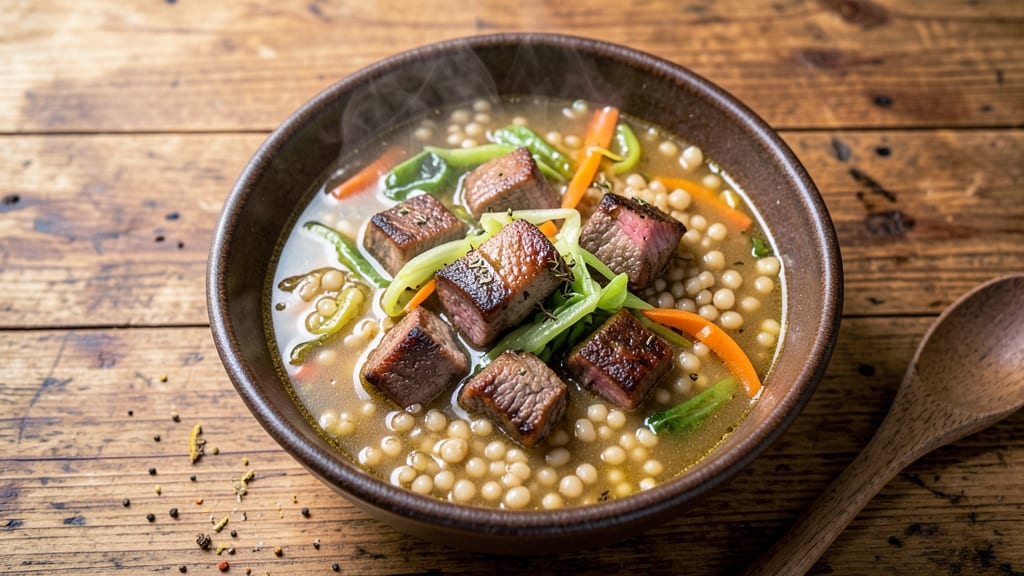
This beef barley and cabbage soup recipe delivers the kind of soul-warming comfort that turns a chilly evening into a cozy tradition. The secret lies in slow-simmered beef that becomes fork-tender, barley that absorbs all the rich flavors, and cabbage that softens into sweet, melt-in-your-mouth perfection.
I've perfected this recipe over years of winter cooking—each ingredient plays a crucial role in creating depth that store-bought versions simply can't match.
The beauty of this soup is in its balance: hearty enough to satisfy on its own but light enough to pair with crusty bread. You'll start with caramelized onions and garlic as the flavor foundation, then build layers through seared beef, toasted barley, and simmered vegetables.
The result is a stew that tastes even better the next day, when all the flavors have time to meld and intensify.
What makes this recipe truly special is how it transforms simple ingredients into something extraordinary through proper technique. The beef develops rich, savory notes as it simmers, the barley becomes chewy and satisfying, and the cabbage releases its natural sweetness.
Every spoonful delivers that perfect combination of textures and flavors that define a true comfort food classic.
Perfect for meal prepping, feeding a crowd, or simply treating yourself to a homemade meal. The instructions are designed to guide you through each step with confidence, ensuring you achieve restaurant-quality results in your own kitchen.
Let's get started on creating this hearty winter staple that will become a family favorite.
Ingredients for beef barley cabbage soup
This hearty soup starts with simple ingredients that transform into something extraordinary through slow simmering.
| Ingredient | Amount | Notes |
|---|---|---|
| Chuck Roast 🥩 | 2 lb | Cut into 1-inch cubes |
| Yellow Onions 🧅 | 2 whole | Medium size, sliced thin |
| Garlic Cloves 🧄 | 4 cloves | Peeled and minced |
| Pearl Barley 🌾 | 1 cup | Rinsed before cooking |
| Green Cabbage 🥬 | 1 lb | Cored and chopped |
| Carrots 🥕 | 4 whole | Medium size, sliced |
| Celery Stalks 🥬 | 3 whole | Trimmed and chopped |
| Beef Broth 💧 | 6 cups | Low-sodium preferred |
| Tomatoes 🍅 | 2 whole | Ripe, diced |
| Bay Leaves 🌿 | 2 whole | Fresh or dried |
| Thyme 🌿 | 1 tbsp | Dried or 1 tbsp fresh |
| Black Peppercorns 🌶️ | 1 tsp | Freshly cracked |
| Salt 🧂 | 1 ½ tsp | Adjust to taste |
| Olive Oil 🫒 | 2 tbsp | Extra-virgin preferred |
| Tomato Paste 🍅 | 2 tbsp | Smooth consistency |
The chuck roast is the star here—it's cheaper than sirloin but delivers that melt-in-your-mouth texture when cooked low and slow. Costco or Walmart usually have it pre-cut, which saves time. If you're buying a whole roast, ask the butcher to cube it for you—1-inch pieces cook evenly. The pearl barley needs rinsing to remove excess starch, which prevents it from getting mushy. I grab mine from the bulk section at Whole Foods or the regular supermarket—just make sure it's labeled 'pearl' not 'quick' barley. For cabbage, look for heads that feel heavy for their size—green or purple both work, but green is more common.
No beef broth? Vegetable broth plus 1 tbsp soy sauce works in a pinch. Fresh thyme is ideal, but dried at half the amount gets you close. The tomato paste can be swapped for 1 cup crushed tomatoes if you're in a hurry—just add a pinch of sugar to balance the acidity. Carrots and celery can be prepped ahead and stored in the fridge for 3 days. The onions and garlic should be caramelized until golden—don't rush this step—it builds the base flavor. If you're short on time, sauté them quickly but add a splash of balsamic vinegar at the end for depth.
This soup tastes even better the next day as flavors meld. Store leftovers in the fridge for 5-6 days or freeze for 3 months. I portion mine into containers with a layer of broth on top—prevents a crust from forming. The barley thickens as it cools, so add a splash of broth when reheating. For extra richness, stir in a dollop of Greek yogurt or a sprinkle of Parmesan when serving. The leftovers make great lunches—just microwave until piping hot.
Why You'll Love This Recipe
- One-Pot Magic: I swear by this recipe when I’m too tired to scrub pots—just brown the chuck roast, toss everything in one pot, and walk away. The barley softens while the cabbage wilts, and honestly? That’s all the effort it takes.
- Deep, Savory Richness: Between the slow-cooked chuck roast and the caramelized onions, this soup has layers of flavor you won’t find in lighter broths. The garlic cloves? They’re the secret—sizzled in the pot until fragrant, then simmered just enough to melt into every bite.
- Meal Prep MVP: I make a double batch on Sundays and freeze half. The barley keeps it hearty, and reheating it later? It’s like the first time—no soggy cabbage or bland broth here. Perfect for lazy nights or when company drops by unexpectedly.
- Budget-Friendly Powerhouse: Chuck roast is cheap, cabbage lasts forever, and barley stretches the meal. I’ll be real: this soup feeds my family of four for under $10, and we still ask for seconds. That’s a win in my book.
Step-by-step instructions for beef barley and cabbage soup
This hearty stew comes together in layers of flavor—start with the beef, build the aromatic base, then let everything simmer into rich perfection.
Sear the Chuck Roast for Deep Flavor
Heat the 2 tablespoons olive oil in a large Dutch oven over medium-high heat until shimmering. Add the 2 lb chuck roast cut into 1-inch cubes, working in batches if needed to avoid crowding. Let each piece sear for 2-3 minutes per side until deeply browned—this creates the rich, caramelized foundation for the soup.
Don't rush this step. You want those browned bits (fond) that dissolve into the broth later. Once all pieces are golden, remove the beef and set aside. I like to sprinkle a pinch of salt over the browned bits in the pot before adding broth—this helps lift them off the bottom for maximum flavor extraction.
Build the Aromatic Base
In the same Dutch oven, add the 2 whole yellow onions sliced thin, 4 whole carrots sliced, and 3 whole celery stalks chopped. Cook for 5-6 minutes until softened and slightly caramelized. Add the 4 cloves garlic cloves minced and cook for 30 seconds until fragrant—this prevents the garlic from burning while still releasing its flavor.
Stir in the 2 tablespoons tomato paste and cook for 1 minute to deepen the color. Here's the thing—this step transforms the soup from good to extraordinary. The tomato paste adds a subtle sweetness that balances the earthy barley and cabbage, while the vegetables form the flavor backbone of the entire dish.
Simmer the Beef and Vegetables
Pour in the 6 cups beef broth, scraping up any browned bits from the bottom. Return the seared beef to the pot along with the 2 whole bay leaves and 1 tablespoon thyme. Bring to a boil, then reduce heat to low and cover partially. Simmer for 1 hour, stirring occasionally, until the beef is fork-tender and nearly falling apart.
This long simmer is crucial—it breaks down the tough chuck roast into melt-in-your-mouth texture while infusing the broth with deep, savory flavor. If the liquid reduces too much before the beef is tender, add a splash of water to maintain the right consistency. The soup should have a rich, meaty aroma by this point.
Add Barley and Cabbage for Hearty Texture
Rinse the 1 cup pearl barley under cold water to remove any surface starch, then add it to the pot along with the 1 lb green cabbage chopped. Stir gently to combine. Increase heat to medium and simmer uncovered for 30-40 minutes until the barley is tender and the cabbage is wilted but still vibrant.
Here's where the soup transforms from simple stew to comforting bowl of goodness. The barley should be al dente—just tender enough to bite into but not mushy. The cabbage should soften but retain some texture. If you prefer softer barley, add a few extra minutes of simmering time.
Finish with Seasoning and Tomatoes
Stir in the 2 whole tomatoes diced, 1 teaspoon black peppercorns cracked, and 1.5 teaspoons salt. Taste and adjust seasoning—you want the soup to be rich and savory, with a balance of earthy and slightly sweet notes. Simmer for an additional 10-15 minutes to let all the flavors meld together.
This final step is about harmony. The tomatoes add brightness to cut through the richness of the beef, while the peppercorns add a subtle heat. The soup should coat the back of a spoon with a velvety texture. Serve immediately with crusty bread to soak up every last drop of that hearty broth.
Pro Tips For Making Beef Barley Cabbage Soup
- SEAR THE ROAST FIRST: Chuck roast needs a deep, dark crust to stay tender—don’t skip the sear. Slice it against the grain into ½-inch chunks, pat dry, and hit the pan with 2 tablespoons of oil on high heat. Let it sit undisturbed for 3-4 minutes until browned, or you’ll end up with mushy beef later.
- SOAK THE BARLEY (OR SKIP IT): Pearl barley swells faster when soaked for 20 minutes in warm water, but if you’re short on time, just add it dry. The key? Use 1 cup barley to 4 cups broth—too much water dilutes the flavor, and you’ll be left with sad, watery soup.
- CHOP CABBAGE SMALL AND UNIFORM: Big cabbage chunks stay crunchy and undercooked. Cut the wedges into ½-inch strips, then slice those into matchsticks—this ensures even cooking and a better texture. (Yes, it takes a few extra minutes, but your soup won’t taste like you rushed it.)
- ADD BARLEY LAST, NOT FIRST: I used to toss barley in at the start, only to have it turn to mush by the end. Instead, add it 20 minutes before serving—it’ll still soften enough to be edible but stay chewy. If you’re worried, test a piece early; it should hold its shape but yield slightly.
Common mistakes when making this dish
Skipping the Sear
One of the biggest mistakes is skipping the sear on the beef. That golden crust creates fond, which dissolves into the broth and adds deep, meaty flavor. If you're in a hurry, you might think browning isn't necessary, but it's what transforms a simple soup into something extraordinary.
I've made this mistake early on—trust me, the difference is night and day. 🔥
Undercooking the Beef
Chuck roast needs at least 1 hour of simmering to become fork-tender. Checking for doneness too early is a common error. The beef should pull apart easily, almost falling off the bone.
Use a meat thermometer to confirm it reaches 195°F—this ensures maximum tenderness. I've seen people rush this step and end up with chewy, unsatisfying bites.
Ignoring Barley Rinse
Pearl barley contains starch that can make your soup mushy if not rinsed first. Skipping this step is a rookie mistake that ruins the texture. Rinse the barley under cold water before adding it to the pot.
This removes excess starch and ensures you get that perfect al dente bite. I always rinse mine—it's a quick step that makes a huge difference.
Overcrowding the Pot
Adding all your ingredients at once can lead to uneven cooking and steaming instead of simmering. The soup needs room to develop flavors properly. Cook the beef in batches if needed, and build your aromatics gradually.
I like to work in stages—first the beef, then the vegetables, then the barley—to maintain proper heat control and texture.
Using Quick Barley
Pearl barley takes 30-40 minutes to cook properly, while quick barley can turn your soup into a gluey mess. Make sure you're using the right type—check the package label.
If you accidentally grab quick barley, you'll end up with a soup that lacks the satisfying chewy texture we all love. Always double-check before starting.
Over-salting Early
Adding all the salt at the beginning can make your soup too salty by the end, with no way to fix it. Instead, taste as you go and adjust gradually.
The broth will reduce slightly, concentrating the flavors, so you might need to add a pinch more salt at the end. I always add salt in stages—this gives me control over the final seasoning. 🧂
Nutrition facts
Frequently asked questions about beef barley and cabbage soup
Can I substitute beef with another protein?
Yes, you can use chicken thighs or pork shoulder instead of beef. Both work well, though cooking times may vary slightly. Chicken typically needs 20-25 minutes less simmering time, while pork requires about the same as beef. The flavor profile will be lighter with chicken and slightly sweeter with pork.
How can I make this soup vegetarian?
Swap the beef for mushrooms or lentils and use vegetable broth instead. Sauté 8 oz mushrooms with the onions and garlic for a meaty texture. Add 1 cup cooked lentils along with the barley. The soup will have a heartier plant-based base while keeping all the comforting flavors.
What's the best way to reheat leftovers?
Reheat gently on the stove over low heat with a splash of water or broth to prevent drying out. Stir occasionally and add more liquid if needed. Microwaving is fine too—cover with a damp paper towel and heat in 1-minute intervals, stirring between each. The soup thickens as it cools, so always add liquid when reheating.
Can I make this soup in a slow cooker?
Brown the beef first, then transfer everything to your slow cooker. Cook on low for 7-8 hours or high for 4-5 hours. The slow cooker's gentle heat enhances the flavors even more. Just stir occasionally and adjust seasoning at the end since flavors concentrate during cooking.
Why does my barley turn mushy?
Mushy barley usually means either overcooking or not rinsing it first. Always rinse pearl barley under cold water before adding to remove excess starch. Also, check your cooking time—it should be 30-40 minutes maximum. If you're using an Instant Pot, cook for 20 minutes on high pressure then quick-release.