
Soups & Stews
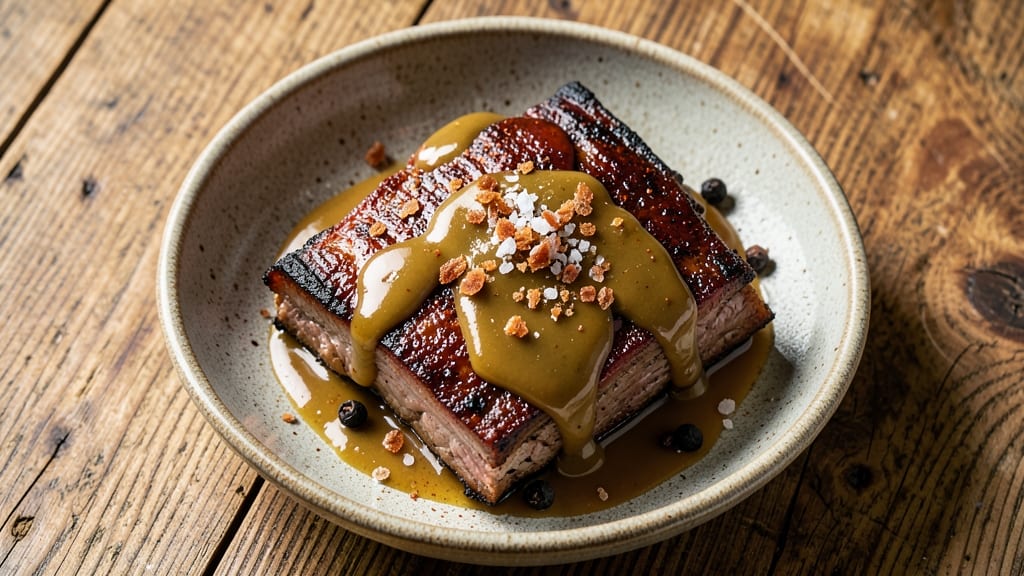
This beef back ribs recipe delivers smoky bark and fall-off-the-bone tenderness that transforms a simple weeknight dinner into a showstopper. The secret lies in a dry rub that develops deep flavor during slow cooking, while the meat's natural collagen breaks down into rich, velvety juices.
I've perfected this method over countless backyard cookouts, ensuring every bite delivers that perfect balance of savory, smoky, and slightly sweet notes.
The process begins with a 3-day marinade that tenderizes the meat and builds flavor, followed by a low-and-slow cook that transforms tough connective tissue into succulent, melt-in-your-mouth perfection. Whether you're grilling over hardwood coals or using your oven's convection setting, this method guarantees restaurant-quality results without the fuss.
The key is patience—letting the rub penetrate and the meat cook until it reaches 203°F internal temperature for that signature tenderness.
What you'll end up with is ribs that are deeply caramelized on the outside with a glossy, crackling bark, while the meat inside practically dissolves at the touch of a fork.
The aroma alone will have everyone gathering around the table, and the flavor—smoky, rich, and perfectly seasoned—will make this your new go-to recipe for gatherings, game days, or special dinners. The best part? These ribs reheat beautifully, making them ideal for meal prep.
Serve with classic BBQ sides like creamy coleslaw, buttery cornbread, and a cool, tangy vinegar-based sauce for dipping. This recipe is designed to impress, whether you're feeding a crowd or treating yourself to a luxurious meal. Let's get started on creating ribs that will have everyone asking for seconds.
Ingredients for beef back
These 15 ingredients transform tough beef ribs into melt-in-your-mouth perfection with smoky bark and tender juices.
| Ingredient | Amount | Notes |
|---|---|---|
| Beef Back Ribs 🥩 | 4 lb | Bone-in, meaty sections preferred |
| Yellow Mustard 🍯 | ½ cup | For base of marinade |
| Brown Sugar 🍚 | ½ cup | Packed, light or dark |
| Smoked Paprika 🌶️ | 2 tbsp | For deep smoky flavor |
| Ground Black Pepper 🌶️ | 1 tbsp | Freshly cracked preferred |
| Kosher Salt 🧂 | 1 ½ tbsp | Diamond Crystal preferred |
| Garlic Powder 🧄 | 1 tbsp | Freshly ground for best flavor |
| Onion Powder 🧅 | 1 tbsp | For depth of flavor |
| Ground Cumin 🌿 | 1 tsp | Toasted for deeper aroma |
| Apple Cider Vinegar 🍎 | ¼ cup | For tenderizing marinade |
| Hardwood Charcoal Chips 🔥 | 1 package | Hickory or oak preferred |
| Apple Wood Chunks 🍎 | 1 package | For subtle sweetness |
| Butter 🧈 | ½ cup | Unsalted, melted for basting |
| Fresh Rosemary 🌿 | ¼ cup | Chopped, for finishing |
| Fresh Thyme 🌿 | ¼ cup | Chopped, for finishing |
The ribs are the star—look for meaty sections with good marbling at your butcher or grocery store's meat counter. Costco or Whole Foods often carry high-quality back ribs, but any reputable meat department will do. Freshness is key: the meat should smell clean and have a vibrant red color. For the marinade, apple cider vinegar is non-negotiable—it tenderizes the meat while adding a subtle tang. The brown sugar isn't just for sweetness; it helps create that signature caramelized bark. If you're short on time, you can cut the marinade to 24 hours, but 3 days yields the best results—trust me on this.
No smoked paprika? Substitute with a mix of regular paprika and liquid smoke (start with 1 tsp liquid smoke per tbsp paprika). Fresh rosemary and thyme are ideal, but dried works at one-third the amount. The mustard in the marinade can be swapped for Dijon mustard if you're out of yellow. For the wood, hickory or oak are classic choices, but fruit woods like apple or cherry add a lovely sweetness. If you're cooking indoors, use a smoker box with wood chips or soak wood chunks in water for 30 minutes before adding to your grill or oven. The butter at the end? Full-fat is essential—it bastes the ribs and adds richness that non-fat versions can't match.
Marinated ribs keep 3 days in the fridge before cooking—use that time to your advantage. The dry rub can be made a week ahead and stored in an airtight container. Cooked ribs reheat beautifully: wrap in foil and bake at 300°F for 15-20 minutes. For meal prep, portion ribs into individual servings with a little of their juices—they stay tender for 4-5 days in the fridge or 3 months frozen. The leftover marinade? Save it for a quick glaze or cocktail sauce—it's packed with flavor.
Why You'll Love This Recipe
- Fewer Ingredients, Big Flavor: The mustard and brown sugar combo does all the work—no fancy marinades or hours of prep. Just ribs, spices, and a quick rub that sticks like glue.
- Sweet-Smoky Magic: That smoked paprika and brown sugar crust? It’s what turns tough beef back into melt-in-your-mouth bites. Honestly, the first time I tried it, I nearly licked the pan.
- Tailgate or Tuesday: Slap this on the grill for game day or toss it in the oven for a lazy night—same great results. My college roommate still asks for it after five years, and he’s not easy to impress.
- Leftovers That Don’t Suck: The ribs stay tender for days, so you’re not stuck eating sad, dry meat. I’ve reheated slices in a skillet with a splash of mustard, and they taste just as good as day one. Budget win.
Step-by-step instructions for beef back ribs with smoky bark
Here's how to transform tough beef back ribs into melt-in-your-mouth perfection with a crackling bark.
Prepare the Dry Rub and Marinade
In a medium bowl, combine the 0.5 cup yellow mustard, 0.5 cup brown sugar, 2 tablespoons smoked paprika, 1 tablespoon ground black pepper, 1.5 tablespoons kosher salt, 1 tablespoon garlic powder, 1 tablespoon onion powder, and 1 teaspoon ground cumin. Mix thoroughly until the sugar dissolves completely and the spices are evenly distributed throughout the mustard mixture.
This blend creates the perfect balance of sweet, smoky, and savory flavors that will penetrate the meat. The mustard serves as a binder and tenderizer, while the brown sugar helps develop that coveted dark bark. I like to use my fingers to press the rub into the ribs later, so make sure it's smooth and lump-free now.
Coat and Marinate the Ribs
Pat the 4 lb beef back ribs completely dry with paper towels—this is crucial for developing that crispy bark. Working in batches if needed, generously coat each rib with the mustard mixture, pressing it firmly into all surfaces, especially the meaty sections. The rub should adhere well and leave a visible coating.
Place the coated ribs in a large resealable plastic bag or airtight container. Pour in the 0.25 cup apple cider vinegar and seal tightly. Massage the bag to distribute the marinade evenly, then refrigerate for at least 4 hours or up to 24 hours. This acid-based marinade helps break down tough connective tissues while infusing deep flavor.
Set Up the Smoker
While the ribs marinate, prepare your smoker by filling it with 1 package hardwood charcoal chips and 1 package apple wood chunks. I prefer using a two-zone fire method—place the charcoal on one side and the wood chunks on the other to maintain consistent temperature. Light the charcoal and let it burn until covered with a thin layer of ash, then spread it evenly across the firebox.
Set the smoker temperature to 225°F and let it stabilize before adding the ribs. The apple wood will contribute subtle sweetness that pairs beautifully with the smoky flavors. I always check for clean, blue smoke before cooking—thick white smoke indicates unburned wood that can make your ribs taste bitter.
Smoke the Ribs Low and Slow
Remove the ribs from the marinade (reserve the marinade for basting) and place them meat-side down on the smoker grates. Smoke for 2 hours at 225°F, then flip the ribs and continue smoking for another 2 hours. This slow process allows the collagen to break down gradually, ensuring tender meat.
After 4 hours total, check the internal temperature using a meat thermometer. The ribs should reach 170-180°F—this is when they'll begin to "stall" and stop cooking. If they haven't reached this temperature yet, continue smoking. The bark should be developing a dark, glossy appearance, but don't worry if it's not fully crispy yet.
Wrap and Finish the Cook
When the ribs hit the stall temperature, it's time to wrap them. Line a large piece of heavy-duty aluminum foil with a sheet of butcher paper (the paper breathes better than foil alone). Place the ribs on the paper, drizzle with 0.5 cup melted butter, and sprinkle with 0.25 cup chopped fresh rosemary and 0.25 cup chopped fresh thyme. Fold the paper tightly to seal, then wrap in the foil.
Return the wrapped ribs to the smoker and continue cooking until they reach an internal temperature of 203°F, which should take about 2-3 more hours. The ribs are done when they're fork-tender and the connective tissue has fully broken down. Let them rest in the foil for 15 minutes before serving—this allows the juices to redistribute throughout the meat.
Pro Tips For Making Beef Back
- TRIM THE FAT CAP: The beef back ribs have a thick fat cap that can turn soggy or burn before the meat’s done. Use kitchen shears to snip it down to about ¼-inch—this speeds up cooking and keeps the ribs from steaming in their own juices.
- SALT THE RIBS 24 HOURS EARLY: I learned this the hard way—salting ribs right before cooking means they’ll taste bland no matter how long you smoke or bake them. Sprinkle them with 1 tablespoon of kosher salt per pound and let them sit uncovered in the fridge overnight. The salt penetrates deep, and the crust forms naturally.
- BRUSH MUSTARD IN LAYERS: Don’t just dump that yellow mustard on once and call it a day. After the first coat, let it sit for 10 minutes before adding another—this gives the sugar and spices something to cling to. The ribs will develop a glossier finish and a deeper flavor, not just a sticky glaze.
- USE A MEAT THERMOMETER—NO GUESSING: Smoked paprika and brown sugar make these ribs taste amazing, but they also mask when the meat’s actually done. The ribs are safe at 195°F internally, but they’ll pull apart at 203°F. Skip the "bend test" and trust the thermometer—overcooking turns tender meat into chewy disappointment.
Troubleshooting perfect results
Ribs Too Dry
If your ribs emerge dry despite following the recipe, you likely cooked them too fast or didn't wrap them properly at the stall. The key is patience—low-and-slow cooking breaks down collagen into juices.
When ribs hit 170-180°F, wrap them immediately in butcher paper (not foil) to retain moisture. I've seen this happen when using oven broil instead of smoker—stick to 225°F for best results. 💧
Bark Not Forming
A stubborn lack of bark usually means insufficient sugar or moisture loss. First, ensure your ribs are completely dry before applying the rub—pat them with paper towels until they glisten. The brown sugar in the rub is crucial for caramelization, so don't skip it.
For extra bark, spray ribs with apple juice every 30 minutes during the first 2 hours of smoking. I've also had success brushing them with melted butter during the unwrapped phase. 🔥
Uneven Cooking
Uneven doneness often occurs when ribs aren't flipped or when the smoker temperature fluctuates. Use a meat thermometer to check multiple spots—170-180°F is the target before wrapping. For thicker sections, place them meat-side up during the first 2 hours to help even out cooking.
If your smoker struggles with temperature control, try the "Texas Crutch"—wrap ribs early at 165°F and finish at 203°F. 🌡️
Tough Meat
Tough ribs typically result from insufficient cooking time or improper resting. Let ribs cook until they reach 203°F internal temperature—this ensures collagen fully breaks down. The 3-day marinade with apple cider vinegar is also critical for tenderization.
If you're short on time, increase marinating to 48 hours and cook at 200°F for 8+ hours. Never skip the 15-minute rest before slicing—juices need time to redistribute. ⏳
Smoke Too Strong
Overpowering smoke flavor happens when using too much wood or unburned chips. Stick to 1 package hardwood charcoal chips and 1 package apple wood chunks—no more! Soak wood chunks in water for 30 minutes before adding to the smoker to prevent bitter smoke.
Maintain a two-zone fire (charcoal on one side, wood on the other) for cleaner smoke. If smoke is still too intense, reduce wood by half during the final 2 hours of cooking. 🌿
Ribs Fall Apart
Ribs that disintegrate usually mean they were overcooked or under-seasoned. The 203°F target is ideal—any higher, and the meat becomes mushy. For extra structure, add 1 tsp cornstarch to the dry rub to help stabilize the bark.
If ribs are still falling apart, they may have been over-marinated (beyond 48 hours). For a firmer texture, reduce marinating to 24 hours and increase smoking time slightly. 💪
Nutrition facts
Frequently asked questions
What's the difference between beef back ribs and baby back ribs?
Beef back ribs come from the beef rib primal cut and are larger, meatier bones with more connective tissue. They're perfect for slow cooking and develop incredible tenderness. Baby back ribs (from pork) are smaller, leaner, and cook faster. Beef back ribs typically yield 4-6 bones per rack while baby backs have 7-10 bones. The beef version has a richer, beefier flavor that stands up better to long smoking sessions.
Can I cook these ribs in an oven instead of a smoker?
Preheat your oven to 225°F with a water pan on the bottom rack for moisture. Use a meat thermometer to monitor temperature—follow the same 225°F for 4 hours unwrapped, then wrap and cook to 203°F method. For smoke flavor, add wood chips to a smoker box or use a smoke gun if available. The texture will be slightly different but still delicious!
How do I know when the ribs are done?
Use a meat thermometer to check the internal temperature—they're done when they reach 203°F. The meat should pull away from the bones easily and be fork-tender. Look for a dark, glossy bark on the outside and slightly charred edges. If you don't have a thermometer, the bend test works: lift a rib—if it bends easily, it's ready!
Can I make this recipe without a smoker?
Yes! For a grill version, use indirect heat with wood chunks in a foil pouch on one side. For stovetop, use a cast iron skillet with a lid on low heat for 3-4 hours. The key is maintaining 225°F temperature. For oven-only, place a water pan on the bottom rack and use a meat thermometer to monitor. All methods work—just be patient!
How long can I store cooked beef back ribs?
Store cooked ribs in an airtight container in the fridge for 4-5 days or freeze for 3 months. To reheat, wrap in foil and bake at 300°F for 15-20 minutes. For best texture, reheat only what you'll serve immediately. The ribs reheat better than many other meats because of their high collagen content!