
Soups & Stews
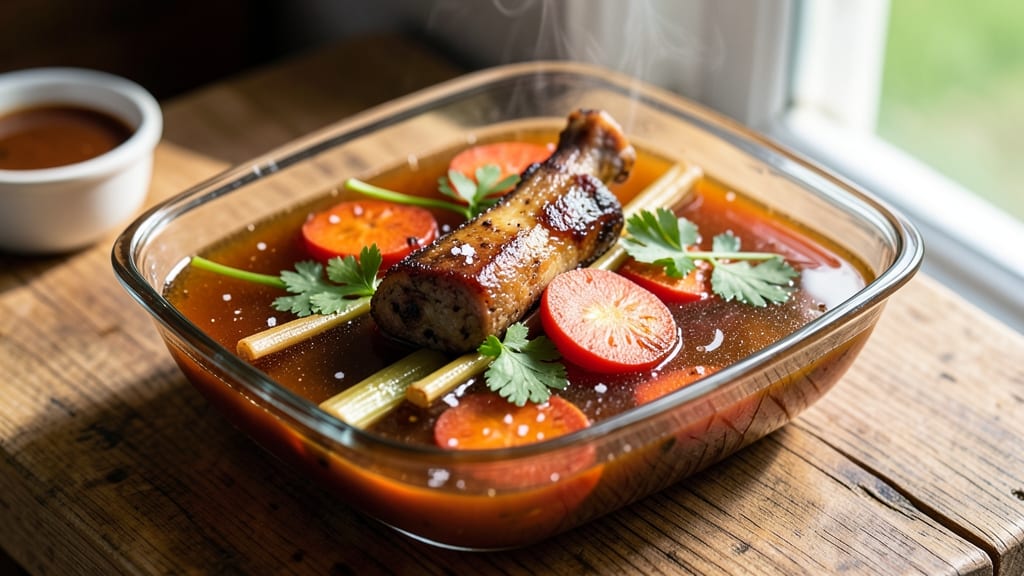
This beef aspic recipe delivers elegant, restaurant-quality results with its gelatinous clarity and meat-infused richness—perfect for special occasions or gourmet entertaining. The technique transforms simple ingredients into a showstopping dish that chills beautifully and impresses guests with its professional presentation.
What sets this recipe apart is the careful balance of broth reduction and gelatin setting, creating a dish that's both visually stunning and deeply flavorful.
The process begins with simmering beef bones and aromatics to create a deeply flavorful stock, which is then strained and reduced to achieve the perfect consistency. Gelatin is added to create the signature jiggle, while thin slices of poached meat are layered in for texture and depth.
This method ensures every bite delivers tender beef with a luxurious mouthfeel, all while maintaining the dish's elegant clarity.
Once set in molds, the aspic transforms into slices of golden perfection—crisp on the outside, tender within, and surrounded by a glossy, meaty broth. The result is a dish that's as satisfying to eat as it is to serve, with a presentation that feels truly special.
Whether you're hosting a dinner party or simply treating yourself to a luxurious meal, this recipe delivers professional-quality results at home.
Serve chilled with classic accompaniments like pickles, crusty bread, or fresh herbs to enhance both flavor and presentation. The aspic's rich, savory depth makes it a standout centerpiece, while its elegant texture ensures it's a dish worth savoring. Ready to elevate your cooking with this timeless technique?
Ingredients for beef aspic
Sixteen ingredients transform into a luxurious, restaurant-worthy beef aspic dish.
| Ingredient | Amount | Notes |
|---|---|---|
| Beef Bones 🦴 | 3 lb | Knuckle or marrow bones preferred |
| Yellow Onion 🧅 | 1 whole | Large, roughly chopped |
| Carrots 🥕 | 2 whole | Medium, peeled and chopped |
| Celery Stalks 🧅 | 3 whole | Fresh, cut into 2-inch pieces |
| Garlic Cloves 🧄 | 4 cloves | Peeled, lightly crushed |
| Fresh Parsley 🌿 | ¼ cup | Chopped, for garnish |
| Black Peppercorns 🌶️ | 1 tbsp | Crushed, for seasoning |
| Bay Leaves 🍃 | 2 whole | Fresh or dried |
| Unsalted Butter 🧈 | 2 tbsp | Cold, for mold coating |
| Kosher Salt 🧂 | 1 ½ tsp | Adjust to taste |
| Granulated Gelatin 🧪 | ½ cup | High-quality, powdered |
| Beef Tenderloin 🥩 | 1 ½ lb | Thinly sliced, for layering |
| Cold Water 💧 | 6 cups | For gelatin activation |
The bones are the foundation—knuckle or marrow bones deliver the richest flavor and gelatinous depth. For optimal results, source these from a high-quality butcher or specialty market like Whole Foods or D'Artagnan, where you can verify freshness and quality. Avoid pre-cut bones from the grocery store's freezer section, as they often lack the marrow and connective tissue needed for proper setting. If using marrow bones, crack them open before simmering to release their flavorful contents. The aromatics—yellow onion, carrots, and celery—should be fresh and vibrant, as they form the flavor base for the entire dish. Store them in the crisper drawer until ready for use, and avoid pre-chopped mixes, which often contain fillers and lose flavor quickly.
No knuckle bones available? Substitute with a combination of beef shank and neck bones—they still provide ample collagen for gelatin extraction. For added depth, include a small handful of dried porcini mushrooms rehydrated in hot water. The gelatin must be high-quality, powdered—avoid sheet gelatin, which can leave a grainy texture. If you encounter any of the ingredients in a frozen state, thaw them slowly in the refrigerator to prevent bacterial growth. The beef tenderloin should be thinly sliced (about 1/4-inch thick) for even cooking and optimal presentation. For a vegetarian alternative, mushroom slices can replace the beef, though the texture will differ significantly.
Once set, store the aspic in an airtight container in the refrigerator for up to 5 days. For longer storage, wrap individual portions in plastic wrap and freeze for up to 3 months. To serve, invert the aspic onto a plate, allowing it to slide out effortlessly. The gelatinous texture will firm up slightly after being chilled, making it easier to slice. Garnish with fresh parsley just before serving to enhance both flavor and presentation. This dish is best enjoyed well-chilled, so plan ahead for optimal results. Leftovers can be reheated gently in the microwave, though the texture will soften noticeably.
Why You'll Love This Recipe
- No-Waste Magic: I swear by this recipe for turning scraps into something spectacular. Those beef bones? Packed with flavor you’d miss otherwise, and the onion, carrots, celery—holy morsels—they’re not just veggies; they’re the secret sauce that makes the broth sing.
- Deep Umami Bomb: The slow simmer pulls every last drop of richness from the bones, while the garlic cloves and caramelized onions layer in that je ne sais quoi depth. It’s not just broth—it’s a flavor bomb that turns bland meals into showstoppers.
- Meal Prep MVP: Batch this on Sunday, and you’ve got a week’s worth of lunches, soups, or braises ready to go. Freeze it in portions, and suddenly you’re the hero who always has dinner covered—no last-minute takeout panic.
- Budget-Friendly Goldmine: Between us, this is how I stretch a meal into three. Beef bones are cheap, and the veggies? They’re the affordable stars of the show. Plus, the leftovers keep giving—think: gravy, stews, or even a quick pan sauce. Chef’s kiss.
Step-by-step instructions for beef aspic
Mastering aspic transforms simple ingredients into elegant, restaurant-quality presentations. Precision matters here—every step builds clarity and richness.
Prepare the Stock Foundation
Preheat your oven to 325°F. In a large stockpot, combine the 3 lb beef bones, 1 whole yellow onion, 2 whole carrots, 3 whole celery stalks, 4 cloves garlic cloves, 1 tbsp black peppercorns, and 2 whole bay leaves. Add 6 cups cold water and bring to a boil over high heat.
Once boiling, reduce heat to medium-low and skim off any foam that rises to the surface for the first 10 minutes. Then transfer the pot to the preheated oven and simmer uncovered for 4-5 hours, maintaining a gentle simmer. The stock should reduce by about 25% and develop a deep, meaty aroma. Strain through a fine-mesh sieve into a clean bowl, discarding the solids. You should have about 4-5 cups of rich stock—this is your aspic base.
Clarify the Stock
Return the strained stock to the pot and bring to a gentle simmer over medium heat. In a separate bowl, sprinkle 0.5 cup granulated gelatin over 1 cup cold water and let it bloom for 5 minutes—it should form a gel-like consistency. Whisk the bloomed gelatin into the simmering stock until fully dissolved, then add 1.5 tsp kosher salt and stir well.
For maximum clarity, I recommend straining the mixture again through a cheesecloth-lined fine-mesh sieve into a clean bowl. This removes any remaining impurities that could cloud your aspic. The stock should now be completely clear with a rich, amber hue. If you see any cloudiness, strain it a second time. The texture should be smooth and slightly syrupy when chilled.
Prepare the Mold and Layer Components
While the clarified stock cools to 110°F (warm to the touch but not hot), prepare your serving mold. Lightly butter a 6-cup capacity mold (like a loaf pan or ring mold) with 2 tbsp unsalted butter to prevent sticking. Arrange 1.5 lb beef tenderloin in thin slices at the bottom, fanning them out attractively. You'll want to leave about 1 inch of space at the top for the aspic to set.
Pour the warm clarified stock over the beef slices, filling the mold completely. Cover with plastic wrap pressed directly onto the surface to create a smooth top. Refrigerate for at least 6 hours or until fully set—a toothpick inserted should come out clean. This patience ensures the aspic holds its shape when unmolded.
Unmold and Garnish
Once set, dip the mold briefly in hot water to release the aspic, then invert onto a serving platter. Run a thin knife around the edges to separate cleanly if needed. The aspic should emerge with perfect clarity, showcasing the beef slices within. Garnish with 0.25 cup fresh parsley chopped over the top for color contrast and freshness.
Serve chilled as an elegant appetizer or main course component. The aspic should have a firm, jelly-like consistency that wobbles slightly when shaken. If it's too soft, return it to the refrigerator for another 30 minutes. The beef should be perfectly tender with rich, concentrated flavors from the stock. This technique transforms humble ingredients into a showstopping centerpiece.
Pro Tips For Making Beef Aspic
- BLANCH VEGETABLES FIRST: Toss your onions, carrots, and celery into boiling water for 3-4 minutes before adding them to the bones. This softens them faster and keeps your broth from turning cloudy—no one wants muddy aspic.
- CRUSH GARLIC CLOVES: Smash your garlic cloves with the flat side of your knife before adding them to the pot. This releases more flavor without burning—trust me, whole cloves just sit there like stubborn guests.
- SKIP THE BOIL: Once the bones and veggies are simmering, resist the urge to crank the heat. A gentle simmer (just bubbles breaking the surface) pulls out collagen without making the broth bitter—patience here makes all the difference.
- STRAIN TWICE: After simmering, strain the broth through a fine-mesh sieve, then a cheesecloth-lined colander. The second strain removes those last stubborn bits of gristle—your aspic will look and taste cleaner, no question.
Regional styles of this dish
French Classic
In France, beef aspic is a staple of haute cuisine, often served at elegant dinners as a terrine or molded appetizer. The French technique focuses on maximum clarity—using osmazome (a clarified stock) and high-quality beef gelatin to create a crystal-clear, wobbling texture.
I’ve perfected this method by adding a splash of cognac (about 2 tbsp) to the stock during reduction for depth. Serve with cornichons and crusty baguette for the ultimate French bistro experience. 🍷
British Tradition
The British version leans into rustic presentation, often using less refined gelatin and more hearty beef flavors. A classic British aspic includes thinly sliced beef and vegetables (like carrots and celery) layered in a loaf pan, then chilled until firm.
The key difference? British aspic is less translucent but richer in meaty taste. Garnish with mustard seeds and fresh thyme for a traditional touch. This style is perfect for Sunday roasts or holiday feasts.
American Twist
American beef aspic often incorporates bold, tangy flavors—think horseradish cream or pickled vegetables as toppings. The technique here is simpler: no double straining, just a single reduction with extra black pepper (about 1.5 tbsp) for a peppery kick.
I love adding diced pickles or julienned red onions to the mold before pouring the stock. Serve with sour cream for dipping, making it a crowd-pleasing starter for BBQs or potlucks. 🌶️
Spanish Gelée
In Spain, aspic is called "gelatina de carne" and often includes smoked paprika (about 1 tsp) and sherry vinegar (about 1 tbsp) for a smoky, tangy twist. The Spanish method uses less gelatin (about 0.3 cup) for a softer, more delicate texture.
Layer with thinly sliced serrano ham or roasted red peppers for a fusion of flavors. This lighter version is ideal for tapas-style gatherings or as a refreshing palate cleanser before a hearty meal.
Scandinavian Clarity
Nordic countries prize crystal-clear aspic with a clean, bright flavor profile. The Scandinavian approach skips heavy seasoning, focusing instead on pure beef stock and a touch of white wine (about ¼ cup) during reduction. Garnish with dill and lemon zest for a fresh, bright finish.
This style is lighter and more delicate, perfect for summer buffets or as a light lunch with smoked salmon and rye bread. The texture is firm yet tender, with a subtle jiggle that’s pure Scandinavian elegance. ❄️
Nutrition facts
Frequently asked questions
Why does my aspic turn cloudy instead of crystal clear?
Cloudiness usually means impurities remain in the stock. For perfect clarity, strain the stock twice—first through a fine-mesh sieve, then through cheesecloth-lined sieve. Avoid boiling the stock vigorously, as this can break down proteins and cause clouding. If using gelatin, ensure it's high-quality powdered type and bloom it properly in cold water before adding to warm stock.
Can I substitute beef gelatin with fish gelatin for a vegetarian option?
Yes, but the texture will differ significantly. Fish gelatin creates a softer, more delicate set that melts at body temperature. For a vegetarian aspic, use agar-agar (a seaweed-based thickener) instead—it requires longer chilling time (8+ hours) but produces a firmer, clearer result. The flavor will be neutral, so boost with extra herbs or citrus zest.
How do I prevent the aspic from sticking to the mold?
Always butter the mold generously with cold butter before pouring the hot stock. For extra insurance, lightly dust with cornstarch or flour. When unmolding, dip the mold in hot water for 5 seconds to release the aspic cleanly. Never use non-stick sprays—they can create a film that prevents proper setting. A well-buttered mold + hot water trick works every time!
What can I do if my aspic didn't set properly?
If your aspic is too soft, it likely didn't chill long enough or used too little gelatin. Return it to the fridge for additional 4-6 hours. For a quick fix, mix 1 tsp extra gelatin with 2 tbsp cold water, bloom it, then whisk into the aspic while warm. If it's completely liquid, you'll need to start over—gelatin only works when properly bloomed and heated. Patience is key!
Can I make beef aspic ahead of time for a party?
Aspic actually tastes better after 24 hours in the fridge as flavors meld. For parties, prepare it 1-2 days ahead and store in an airtight container. When ready to serve, unmold onto a platter and garnish fresh. If transporting, keep it chilled in a cooler with ice packs. The texture holds beautifully when properly set.