
Sauces & Condiments
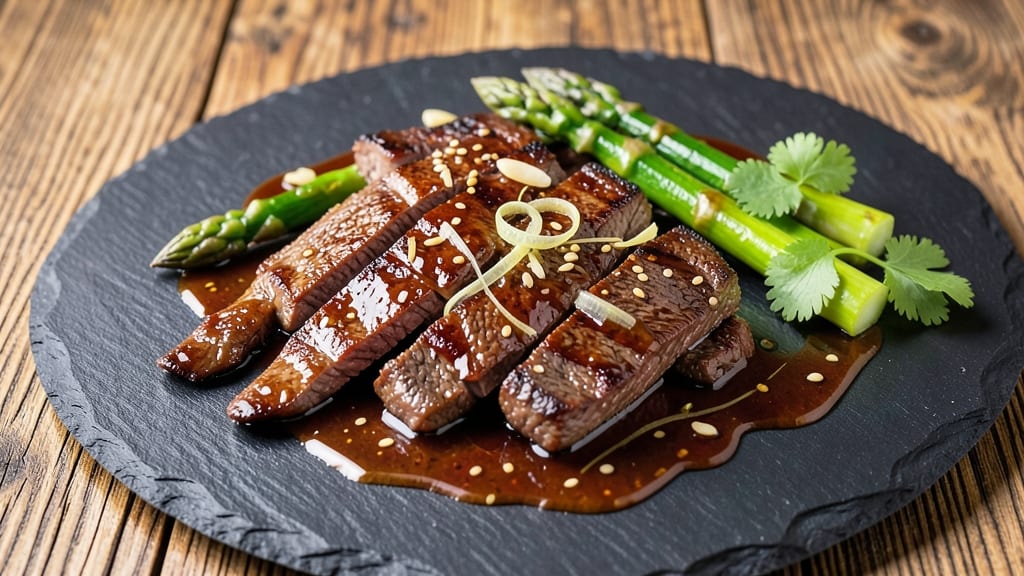
This beef asparagus oyster sauce recipe delivers restaurant-quality umami harmony in just 20 minutes, transforming simple ingredients into a dish that balances tender beef, crisp asparagus, and rich oyster sauce.
The secret lies in high-heat wok tossing—quick searing locks in juices while the sauce caramelizes into a glossy, savory glaze that coats every bite. I developed this after years of perfecting stir-fry techniques, and it never fails to impress, even with minimal prep.
The magic happens in three phases: first, searing the beef to medium-rare perfection, then blistering the asparagus until just tender-crisp, and finally tossing everything in a velvety oyster sauce that's thickened with cornstarch for that signature cling.
No fancy equipment needed—just a sturdy skillet and proper timing. The beef stays juicy while the asparagus retains its vibrant snap, creating a textural contrast that makes every bite satisfying.
What you'll end up with is a dish that's bold yet balanced—deep umami from the oyster sauce, sweetness from the asparagus, and rich beef flavor that ties it all together.
The sauce isn't just a glaze; it's the star, infused with garlic, ginger, and a touch of sesame oil that elevates the dish from ordinary to extraordinary. Serve it over steamed jasmine rice or egg noodles to soak up every last drop of that glossy, flavorful sauce.
This recipe is designed for weeknight dinners but feels special enough for company—minimal effort, maximum impact. The asparagus should be bright green with crisp tips, the beef perfectly seared with a caramelized crust, and the sauce thick enough to coat a spoon. Let's get cooking—your taste buds will thank you.
Ingredients for beef asparagus oyster sauce
Restaurant-quality stir-fry starts with these 14 ingredients—simple but powerful.
| Ingredient | Amount | Notes |
|---|---|---|
| Flank Steak 🥩 | 1 lb | Thinly sliced against grain |
| Asparagus Spears 🌱 | 1 lb | Trimmed, tough ends removed |
| Oyster Sauce 🍜 | ½ cup | High-quality, like Lee Kum Kee |
| Sesame Oil 🫒 | 1 tbsp | Toasted, for aroma |
| Garlic Cloves 🧄 | 4 cloves | Minced, fresh preferred |
| Fresh Ginger 🌿 | 1 tbsp | Grated, peeled |
| Cornstarch 🌾 | 1 tbsp | For sauce thickening |
| Vegetable Oil 🫒 | 2 tbsp | High smoke point |
| Soy Sauce 🍶 | 1 tbsp | Light or dark preferred |
| Sesame Seeds 🌰 | 1 tsp | Toasted, for garnish |
| Salt 🧂 | ½ tsp | Diamond Crystal preferred |
| Black Pepper 🌶️ | ¼ tsp | Freshly ground |
| Green Onion 🧅 | 2 whole | Sliced, for garnish |
| Jasmine Rice 🍚 | 1 ½ cups | Uncooked, for serving |
The beef is non-negotiable here. Flank steak is ideal—it's lean but tender when sliced thin against the grain, and you'll find it pre-sliced at Costco or your local Asian market. If you're slicing yourself, freeze it for 20 minutes first to make it easier. Asparagus should be bright green with crisp tips—Trader Joe's has great organic bundles year-round. For the oyster sauce, Lee Kum Kee is the gold standard, but any high-quality brand with no additives works. The sesame oil? Toast it in a dry pan for 30 seconds before using—that aroma is everything.
No oyster sauce? Soy sauce with a splash of fish sauce gets you close, though you'll lose some depth. Fresh ginger and garlic are musts, but if you're in a pinch, powdered ginger at half the amount works. The cornstarch is key for that signature glossy sauce—don't skip it. For extra umami, add a dash of MSG (optional but game-changing). The jasmine rice should be steamed to perfection—slightly sticky but not mushy. And if you're worried about the beef being too tough, marinate it for 20 minutes in soy sauce before cooking—trust me on this.
Prep everything before you start cooking—this dish moves fast. The asparagus keeps for 3-4 days in the fridge, wrapped in damp paper towels. Store the cooked beef and sauce separately in airtight containers for up to 3 days. The sauce reheats beautifully—just add a splash of water to loosen it. Freeze portions for up to 2 months. Pro tip: Double the sauce recipe and freeze half—it's perfect for quick stir-fries later. And always toast your sesame seeds fresh before serving; they lose flavor fast once opened.
Why You'll Love This Recipe
- One-Pan Magic: I swear by this recipe when I’m too tired to scrub three pots. Flank steak and asparagus roast together—no flipping, no fuss—while the oyster sauce caramelizes into a glossy, sticky finish. That’s how you turn a Tuesday into a “maybe I’ll wear pants” night.
- Umami Bomb: The moment garlic hits the hot pan, then gets drowned in oyster sauce? My mouth waters just typing it. That deep, salty-sweet punch from the sauce cuts through the beef’s richness, and the asparagus soaks up just enough to make every bite taste like a little flavor party.
- Leftover Hero: Between us, this dish begs to be made extra. The beef stays tender for days, and the asparagus reheats like it’s fresh—no sad, rubbery spears here. Pack it for lunches or freeze portions; it’s my go-to when I need to feed a crowd without stressing.
- Budget Flex: Flank steak’s affordable, and asparagus is cheaper than it looks in season. A splash of sesame oil and a few cloves of garlic stretch that jar of oyster sauce into three meals. Honestly, it’s the kind of recipe that makes me feel fancy without breaking the bank.
Step-by-step instructions for beef asparagus oyster sauce
Here's how to create a restaurant-quality stir-fry with perfectly tender beef and crisp-tender asparagus.
Prepare the Beef and Asparagus
Slice the 1 lb flank steak thinly against the grain for maximum tenderness. I like to cut it into ¼-inch thick strips that will cook quickly in the hot wok. Trim the tough ends from the 1 lb asparagus spears and cut them into 2-inch pieces—this size ensures they cook evenly without becoming mushy.
Season the beef strips with the 0.5 tsp salt and 0.25 tsp black pepper, tossing gently to coat. Set both the seasoned beef and prepared asparagus aside while you get your wok ready. This prep work ensures everything cooks at the same pace and absorbs flavors perfectly.
Build the Flavor Base
Heat the 2 tbsp vegetable oil in a wok or large skillet over high heat until shimmering. Add the 4 cloves minced garlic and 1 tbsp grated fresh ginger, stirring constantly for 30 seconds until fragrant—you should smell that pungent, fresh aroma. Add the 1 tbsp soy sauce and let it sizzle for another 20 seconds.
This quick cooking step develops the aromatic foundation. If the garlic starts to brown too quickly, reduce the heat slightly but keep it hot enough to maintain that sizzle. The high heat drives off the raw flavor while concentrating the essential oils that make this dish sing.
Cook the Beef to Perfect Doneness
Add the beef strips to the wok in a single layer, stirring constantly for 2-3 minutes until they turn a deep brown color. The beef should be cooked through but still slightly pink in the center—this ensures it remains tender. Remove the beef to a plate and set aside.
Here's the thing—don't overcrowd the wok. Cooking in batches ensures proper searing rather than steaming. If your wok is large enough, you can cook all the beef at once, but be prepared to stir constantly to prevent sticking.
Stir-Fry the Asparagus
Return the wok to high heat and add the asparagus spears in a single layer. Stir-fry for 2-3 minutes until they turn bright green and develop a slight blister on the edges. The asparagus should remain crisp-tender with a satisfying snap when bitten.
Watch carefully—overcooking turns asparagus into a sad, limp pile. You want that bright color and just a hint of resistance. If your wok isn't large enough, cook the asparagus in batches and keep them warm in a separate bowl while you finish the sauce.
Create the Signature Oyster Sauce
Pour the 0.5 cup oyster sauce into the wok and stir vigorously for 1 minute to combine with the garlic-ginger base. In a small bowl, whisk together the 1 tbsp cornstarch with 2 tablespoons water until smooth. Add this slurry to the wok and stir constantly for 1-2 minutes until the sauce thickens to a glossy consistency.
This is where the magic happens—the oyster sauce transforms from a thin glaze into a rich, velvety coating. You'll know it's ready when the sauce coats the back of a spoon and leaves a slight sheen on the vegetables. If it thickens too quickly, add a splash of water to adjust the consistency.
Combine and Finish
Return the beef to the wok and toss everything together for 1-2 minutes until the beef is evenly coated in the sauce. Drizzle with the 1 tbsp sesame oil and toss again. Garnish with the 1 tsp toasted sesame seeds and sliced 2 whole green onions.
Serve immediately over the 1.5 cups cooked jasmine rice. The dish should be vibrant with deep umami flavors from the oyster sauce, sweetness from the caramelized beef, and freshness from the asparagus. Each bite should deliver perfect texture contrast—tender beef, crisp asparagus, and that glossy sauce clinging to every strand of rice.
Pro Tips For Making Beef Asparagus Oyster Sauce
- Slice Against the Grain: Flank steak’s muscle fibers run long and tough—cutting perpendicular to them turns chewy meat into tender bites. Grab a sharp knife and slice at a 45-degree angle after resting, not before. I used to rush this and wondered why my beef always felt like shoe leather.
- Blanch Asparagus First: Toss asparagus in boiling water for 30 seconds before stir-frying—it softens faster and keeps its bright green color. Skip this, and you’ll end up with a pile of limp, sad spears fighting for space in the pan. (Yes, even if you’re impatient like me.)
- Don’t Crowd the Pan: High heat is your friend here, but a packed wok or skillet will steam your steak instead of searing it. Cook in batches if needed—two thin strips of flank steak at a time, not a solid wall. After burning three batches, I finally figured out this was the thing that matters most.
- Finish with Sesame Oil Late: Drizzle sesame oil in the last 10 seconds of cooking—it burns fast and turns bitter if you add it early. A quick toss at the end gives that nutty aroma without sacrificing the crisp edges on the beef. Sounds weird, but it works: the flavor pops like it’s supposed to.
Essential equipment for this dish
Wok Essentials
A carbon steel wok is my go-to for this dish—it heats up fast and retains heat beautifully, which is crucial for that perfect sear. If you don’t have one, a heavy-bottomed cast iron skillet (like a Lodge 10-inch) works just as well.
Avoid nonstick pans—they can’t handle the high heat needed for proper searing and stir-frying. 🔥
Heat Control Tools
Invest in a high-quality thermometer to monitor your wok's temperature—aim for 450-500°F for optimal searing. I use a Meater thermometer because it’s fast and accurate. A tongs set (like OXO Good Grips) is essential for tossing ingredients without overcrowding. Avoid metal utensils that can scratch your wok.
Sauce Thickening Kit
For that signature glossy sauce, you’ll need a small mixing bowl and whisk to create your cornstarch slurry. A ladle (preferably silicone) helps transfer the sauce without spilling. Keep a small bowl of water nearby to thin the sauce if it thickens too quickly—this is a lifesaver for beginners. ✨
Prep Station
A sharp chef’s knife and cutting board are non-negotiable for slicing the beef and asparagus efficiently. I like a Wüsthof 8-inch for precision. A fine-mesh strainer helps drain any excess liquid from the asparagus, ensuring it stays crisp. Prep all ingredients before cooking—this dish moves fast! 💡
Garnish & Serve
Toast your sesame seeds in a dry pan for 30 seconds until fragrant—this adds depth to the dish. A small bowl for garnishes keeps everything organized. Serve immediately over steamed jasmine rice in a wide, shallow bowl to showcase the vibrant colors and textures. 🍚
Nutrition facts
Frequently asked questions
Can I substitute flank steak with another cut?
Yes! Sirloin or ribeye work well—just slice them thinly against the grain. For leaner options, try chuck roast (marinate for 30 minutes first). Avoid tough cuts like flank steak's tougher cousin, skirt steak, unless you're willing to braise it longer. The key is thin slices for quick cooking.
How do I make the sauce thicker or thinner?
For a thicker sauce, add ½ tsp more cornstarch mixed with 1 tsp water. For a thinner sauce, add 1 tbsp warm water while stirring. The sauce should coat the back of a spoon but still be pourable. If it curdles, whisk in 1 tsp cold water to smooth it out.
Can I make this recipe without oyster sauce?
Mix ¼ cup soy sauce, 1 tbsp fish sauce, 1 tsp sugar, and ½ tsp MSG (optional) for a similar umami depth. For a vegetarian version, use ½ cup vegetable broth + 1 tbsp soy sauce + 1 tsp mushroom powder. The texture will be lighter, but the flavors will still shine.
Why does my asparagus turn mushy?
Overcooking is the culprit! Asparagus should cook for 2-3 minutes max—it should stay bright green with crisp tips. If your wok isn't hot enough, the asparagus steams instead of searing. Use a large enough pan to avoid crowding, and cook in batches if needed. A splash of ice water after cooking can also help preserve crispness.
How do I reheat leftovers?
Reheat in a skillet over medium heat with 1 tbsp water to loosen the sauce. Stir for 2-3 minutes until warmed through. For the rice, microwave with 1 tbsp water covered for 1 minute. Avoid reheating in the microwave alone—the sauce may separate. Store leftovers in airtight containers for 3 days.