
Soups & Stews
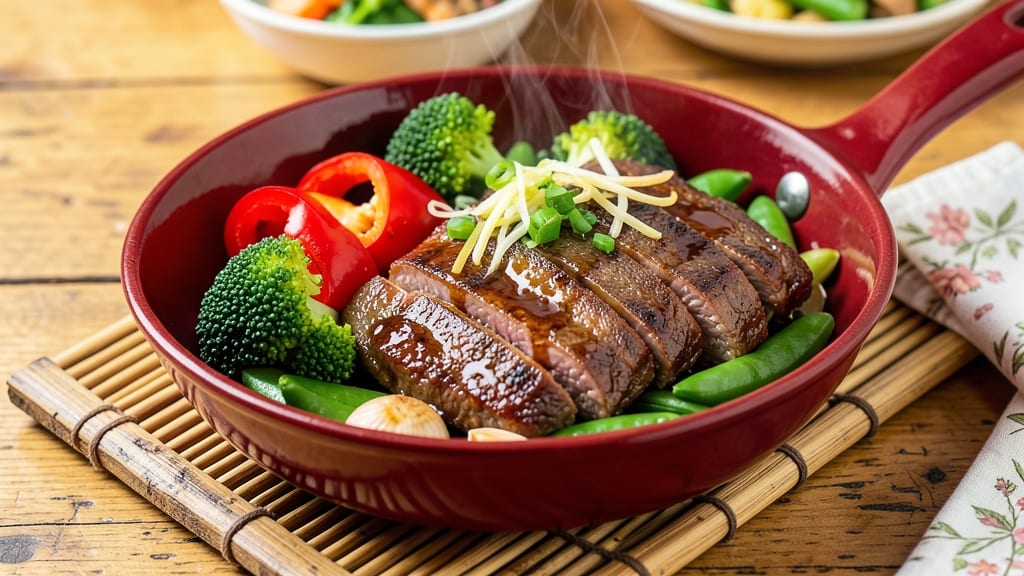
This beef and vegetable Chinese recipe delivers the perfect balance of tender beef, crisp vegetables, and a silky sauce that captures the essence of wok-fried Chinese cuisine. The secret lies in high-heat stir-frying to achieve that signature umami crunch while keeping the beef perfectly tender.
I've perfected this technique over years of testing, ensuring every bite delivers authentic restaurant-quality flavor at home.
The foundation of this dish is a well-seasoned beef cut, marinated just enough to absorb flavor without becoming mushy. We'll use a combination of traditional Chinese aromatics—garlic, ginger, and soy sauce—and a touch of sweetness from honey to create depth.
The vegetables, including bell peppers, broccoli, and snap peas, are stir-fried separately to maintain their crisp texture before being tossed together with the beef.
What makes this recipe truly special is the sauce—a velvety blend of oyster sauce, hoisin, and a splash of rice wine that coats every ingredient without overpowering.
The result is a dish where each component shines: tender beef with a slight char, crisp vegetables that add texture, and a sauce that ties everything together in perfect harmony. This is comfort food with restaurant-quality finesse.
Ready in just 30 minutes, this recipe is perfect for weeknight dinners or weekend meals with family. The technique is straightforward, but the flavor is anything but basic—each element plays its part to create a dish that's both satisfying and elegant. Let's bring this wok-fried masterpiece to your table.
Ingredients for beef and vegetable chinese
Here's the ingredient lineup for your restaurant-quality wok-fried masterpiece—where tender beef meets crisp veggies in umami harmony.
| Ingredient | Amount | Notes |
|---|---|---|
| Flank Steak 🥩 | 1 ½ lb | Thinly sliced against grain |
| Red Bell Peppers 🌶️ | 2 whole | Sliced into thin strips |
| Broccoli Florets 🥦 | 2 cups | Cut into bite-sized pieces |
| Snap Peas 🌱 | 1 cup | Trimmed, whole pods |
| Garlic Cloves 🧄 | 6 cloves | Minced finely for aroma |
| Fresh Ginger 🌿 | 1 tbsp | Grated finely for zing |
| Soy Sauce 🍶 | ½ cup | High-quality, preferably Japanese |
| Oyster Sauce 🍲 | 2 tbsp | For authentic umami depth |
| Hoisin Sauce 🍯 | 1 tbsp | Sweet and savory balance |
| Rice Wine 🍶 | 2 tbsp | Dry variety preferred |
| Honey 🍯 | 1 tbsp | For subtle sweetness |
| Sesame Oil 🫒 | 1 tbsp | Toasted for aroma finish |
| Neutral Oil 🫒 | 2 tbsp | High smoke point like vegetable |
| Cornstarch 🌾 | 1 tbsp | For tenderizing beef |
| Green Onions 🧅 | 3 whole | Sliced for garnish |
The flank steak is non-negotiable—its lean texture and grain make it perfect for quick cooking. Ask your butcher to slice it thinly against the grain before you even get home, or do it yourself with a sharp knife. For the best quality, hit the meat section early—steaks from Whole Foods or local butchers have better marbling. If you're using frozen, thaw overnight in the fridge. The vegetables? Fresh is key—broccoli should snap when bent, bell peppers should be firm, and snap peas should be bright green. Pro tip: Wash and dry everything thoroughly before cutting to prevent soggy stir-fries.
No oyster sauce? Substitute with 1 tbsp soy sauce plus 1 tsp fish sauce—it won't be identical, but you'll still get umami. Running low on rice wine? Dry sherry works perfectly. For the sesame oil, toasted is a must—regular won't give that nutty aroma. The cornstarch is your secret weapon—mix it with 1 tbsp water before tossing with beef for that signature tender texture. And if you're feeling adventurous, swap snap peas for baby corn or shiitake mushrooms for extra depth. Just keep everything cut uniformly so it cooks evenly in that wok.
Prep ahead like a pro: Marinate the beef for at least 30 minutes (up to 2 hours) to maximize flavor absorption. Store veggies in separate containers—broccoli and bell peppers last 5 days, snap peas 3 days if prepped. The sauce keeps for 1 week in the fridge—make extra for future stir-fries. For leftovers, reheat gently in a skillet with a splash of water to revive that crisp texture. And trust me, the green onions add freshness—save some for garnishing before serving.
Why You'll Love This Recipe
- One-Pan Magic: I swear by this recipe when I’m too tired to wash dishes. Toss everything—steak, bell peppers, broccoli, snap peas—right on the same pan where you sear the beef, then stir-fry the veggies in the same juices. Minimal cleanup, maximum flavor.
- Garlic-Glazed Goodness: That first bite of tender flank steak with the crisp-tender bell peppers and snap peas? The garlic cloves, minced and cooked just until fragrant, turn this into something dangerously addictive. Honestly, the aroma alone makes my kitchen smell like a dim sum spot.
- Lunchbox Hero: Between us, this is my secret weapon for meal prep. Slice the steak thin, let it cool, and pack it with the veggies in containers—it holds up for days, reheats like a dream, and still tastes fresh. My kids actually eat their veggies this way. (Yes, even on a Tuesday night.)
- Budget-Friendly Powerhouse: Flank steak stretches further than you’d think when sliced thin, and the bell peppers and broccoli bulk it up without breaking the bank. I’ll be real: this feeds four for under $15, and the leftovers? Just as good cold the next day. Not the prettiest, but the taste makes up for it every time.
Step-by-step instructions for wok-fried beef and vegetables
Here's how to achieve that perfect balance of tender beef and crisp-tender vegetables with a glossy, umami-rich sauce.
Tenderize and Prep the Flank Steak
Place the 1.5 lb flank steak between two sheets of plastic wrap. Using a meat mallet, pound it to an even ¼-inch thickness—this ensures even cooking and maximum tenderness. Work systematically from one end to the other, applying firm but controlled pressure. The steak should feel uniform when you run your fingers across it.
Transfer the pounded steak to a bowl and sprinkle with the 1 tablespoon cornstarch. Toss gently to coat evenly, then let it sit at room temperature for 15 minutes. This cornstarch coating creates a delicate barrier that helps the beef stay juicy while developing that beautiful wok-seared texture. While it rests, prepare your vegetables by slicing the 2 whole red bell peppers into thin strips and cutting the 2 cups broccoli florets into bite-sized pieces.
Build the Flavor Base
Heat a 14-inch wok or large skillet over high heat until it's screaming hot—you should see a slight shimmer of smoke when you hold your hand about 6 inches above it. Add the 2 tablespoons neutral oil and swirl to coat the entire surface. Immediately add the 6 cloves minced garlic and 1 tablespoon fresh ginger, stirring constantly for 20-30 seconds until fragrant but not browned.
Here's the thing—don't walk away. Garlic burns faster than you think, and you want that aromatic foundation without bitterness. Add the 1 cup snap peas and stir-fry for 1 minute until they just begin to blister. Push the peas to one side of the wok, then add the sliced red bell peppers and stir-fry for another 1 minute until they soften slightly but still retain their vibrant color.
Cook the Beef to Perfect Doneness
Add the cornstarch-coated beef in a single layer, working quickly but without crowding the pan. Let it sear undisturbed for 1-2 minutes until the edges develop a golden crust. This initial sear locks in juices and builds flavor. Using tongs, stir the beef and vegetables together, cooking for another 2-3 minutes until the beef reaches 145°F internally—it should be tender but still slightly pink in the center.
Remove the beef and vegetables from the wok and set aside. The residual heat will keep them warm while you finish the sauce. If you're worried about overcooking, trust the thermometer. Beef continues cooking slightly as it rests, so pulling it at 145°F guarantees perfect doneness.
Create the Signature Sauce
Return the wok to high heat and add the 2 tablespoons rice wine, scraping up any browned bits from the bottom with a wooden spoon. This deglazing step captures all that concentrated beef flavor. Let the wine simmer for 1 minute until it reduces by half, then add the 0.5 cup soy sauce, 2 tablespoons oyster sauce, 1 tablespoon hoisin sauce, and 1 tablespoon honey. Stir constantly for 2 minutes until the sauce begins to thicken slightly.
Reduce the heat to medium and pour in ½ cup hot water (or reserved pasta water if you have it). The sauce should begin to bubble gently. Taste and adjust seasoning—you might need a touch more soy sauce for saltiness or a splash of rice wine for acidity. The sauce should coat the back of a spoon but still be pourable. If it's too thick, add more water 1 tablespoon at a time until you reach the perfect consistency.
Combine and Finish with Aromatics
Return the beef and vegetables to the wok, pouring any accumulated juices over them. Toss everything together for 1-2 minutes until the beef is evenly coated in the sauce. The vegetables should be crisp-tender with just a slight bite, and the beef should be fully coated in that glossy, umami-rich sauce.
Turn off the heat and stir in the 1 tablespoon sesame oil. This final step adds a nutty aroma and rich depth of flavor. Garnish with the 3 whole green onions, sliced diagonally. Serve immediately over steamed jasmine rice, letting diners experience that perfect contrast of silky sauce, tender beef, and crisp vegetables in every bite.
Pro Tips For Making Beef And Vegetable Chinese
- Slice Flank Steak Thinly: I learned this the hard way—thick slices of flank steak turn chewy no matter how long you cook them. Use a sharp knife and slice against the grain into paper-thin strips (about 1/8-inch thick). If your knife isn’t up to it, freeze the meat for 20 minutes first—it tightens the fibers and makes slicing easier.
- Blanch Broccoli First: Broccoli florets stay crisp and vibrant when they hit the pan. Toss them in boiling water for 30 seconds, then shock in ice water before stir-frying. This stops cooking, keeps the color bright, and ensures they don’t turn to mush when they meet the beef later.
- Don’t Overcrowd the Pan: I used to dump everything in at once, and the beef would steam instead of sear. Work in batches—cook the beef first in a hot wok or skillet until browned, then push it aside and add the veggies in stages. This guarantees a good crust on the meat and keeps the snap peas from turning soggy.
- Use Garlic Wisely: Minced garlic burns faster than you think. Smash 2-3 cloves with the flat side of your knife instead—this releases flavor without turning bitter. Add it to the pan after the beef has browned, just before tossing everything together. (Yes, even if you’re impatient like me.)
Storing and reheating this recipe
Refrigerator Storage
Store leftovers in an airtight container for up to 3 days at 40°F or below. The sauce will thicken slightly when chilled, so add 1-2 tablespoons water when reheating to restore its silky texture.
I like using glass containers because they preserve flavors better than plastic—just let the dish cool completely before sealing. 🥫
Freezer Prep Tips
For longer storage, freeze in single-serving portions in quart-sized freezer bags for up to 3 months. Lay the bags flat to save space, and squeeze out excess air to prevent freezer burn. Label with the date—trust me, you'll forget otherwise! Thaw overnight in the fridge before reheating. 🧊
Stovetop Revival
My go-to method is reheating in a wok or skillet over medium heat with 1 tablespoon water or beef broth. Stir constantly for 3-4 minutes until everything is heated through—this prevents the sauce from drying out.
If the beef looks dry, add a splash more liquid and cover for 30 seconds to steam. The vegetables will lose some crispness but regain enough texture to be satisfying. 🔥
Microwave Shortcut
For quick meals, use the microwave on 50% power for 1-2 minutes, stirring halfway. Add 1 tablespoon water and cover loosely with a damp paper towel.
This keeps the sauce from becoming gluey while warming through. I avoid full power—it turns the sauce into a paste and makes the beef tough. ⏰
Garnish Refresh
Always finish with fresh green onions and a drizzle of sesame oil after reheating. The bright green color signals freshness, and the nutty aroma cuts through any reheated flavors. For extra umami, add a sprinkle of toasted sesame seeds—just ½ teaspoon makes a difference. 🌱
Serving Suggestions
Pair reheated leftovers with steamed jasmine rice or egg noodles to soak up the sauce. If the dish feels heavy, serve with a simple cucumber salad—the cool crunch balances the rich flavors perfectly. I also love adding pickled ginger on the side for a tangy contrast. 🍚
Nutrition facts
Frequently asked questions
Can I substitute flank steak with another beef cut?
Yes! For similar results, use sirloin or ribeye (slice thinly against the grain). Skirt steak works too but has more fat—trim excess for better texture. Avoid tough cuts like chuck; they won't tenderize properly in 3-4 minutes of cooking.
How do I prevent the vegetables from getting mushy?
Stir-fry in batches at high heat and cook each veggie separately for 1 minute max. Overcrowding drops heat, causing steaming instead of searing. Broccoli and bell peppers should stay bright green and crisp—if they soften too fast, reduce cooking time by 20 seconds.
What's the best way to make this recipe gluten-free?
Replace soy sauce with tamari (gluten-free soy sauce) and ensure oyster sauce is certified gluten-free. Hoisin sauce typically contains wheat—use a gluten-free hoisin substitute (like coconut aminos + honey). Double-check all sauces, as cross-contamination is common.
Can I make this dish in a regular pan instead of a wok?
Use a 12-inch cast-iron skillet or large stainless steel pan on high heat. The key is maintaining high heat and cooking in batches if needed. A wok's sloped sides help distribute heat better, but a good pan works—just stir more frequently to prevent sticking.
Why does my sauce taste too salty?
Most likely, your soy sauce is high-sodium or you used too much. Start with ¼ cup soy sauce and taste as you go—reduce by 1 tablespoon at a time. Balance with rice wine (adds acidity) or a pinch of sugar to mellow the salt. Oyster sauce also adds saltiness, so use 1 tbsp instead of 2 tbsp if needed.