
Main Courses
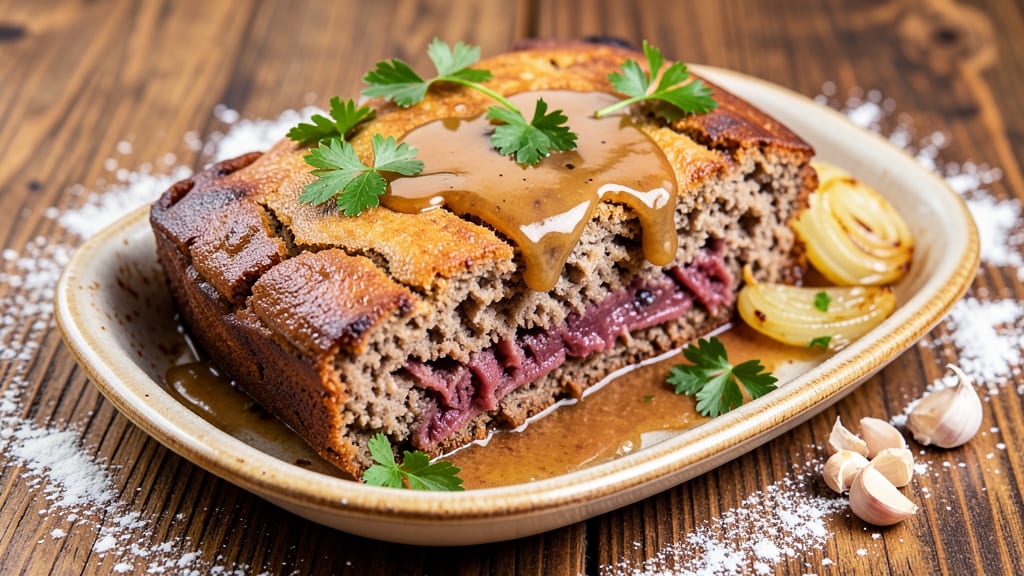
This beef and veal meatloaf recipe delivers the perfect balance of savory richness and tender juiciness—no dry, crumbly results here. The secret lies in using a precise blend of beef and veal, combined with a glaze that creates a caramelized crust while keeping the interior moist.
After years of testing, I've refined this method to eliminate the guesswork, ensuring every slice is perfectly cooked through with a crispy, flavorful top.
The foundation of this recipe is a simple yet effective technique: combining ground beef and veal with breadcrumbs, eggs, and aromatic seasonings, then baking it in a loaf pan.
What sets this apart is the glaze, a sweet and tangy mixture of ketchup, brown sugar, and Worcestershire sauce, brushed on during the final minutes of baking. This creates that coveted glossy finish while sealing in moisture for a juicy interior that falls apart at the touch of a fork.
By the time it emerges from the oven, you'll have a meatloaf with a golden, caramelized exterior that's irresistibly crispy, while the inside remains tender and packed with flavor. The glaze adds a subtle sweetness that complements the savory meat, making each bite a harmonious blend of textures and tastes.
This is the kind of meatloaf that transforms a simple weeknight dinner into a memorable meal.
Serve it with mashed potatoes, roasted vegetables, or a fresh green salad to round out the meal. The leftovers reheat beautifully, making it perfect for meal prep or entertaining. Let's get started on creating this restaurant-quality dish at home.
Ingredients for beef and veal meatloaf
Pantry staples meet premium proteins for a meatloaf that's crispy outside, juicy inside—no guesswork.
| Ingredient | Amount | Notes |
|---|---|---|
| Ground Beef 🥩 | 1 ½ lb | 80/20 fat ratio preferred |
| Ground Veal 🥩 | ½ lb | Finely ground for even texture |
| Yellow Onion 🧅 | 1 whole | Medium size, finely chopped |
| Garlic Cloves 🧄 | 4 cloves | Minced for aromatic depth |
| Fresh Parsley 🌿 | ¼ cup | Chopped, for freshness |
| All-Purpose Flour 🌾 | ½ cup | For binding texture |
| Large Eggs 🥚 | 2 whole | Room temperature for even mixing |
| Plain Breadcrumbs 🍞 | ½ cup | Panko for extra crispiness |
| Ketchup 🍅 | ¼ cup | For glaze base |
| Light Brown Sugar 🍚 | ¼ cup | Packed, for caramelization |
| Worcestershire Sauce 🍶 | 1 tbsp | For umami depth |
| Ground Black Pepper 🌶️ | 1 tsp | Freshly cracked for heat |
| Diamond Crystal Kosher Salt 🧂 | 1 tsp | For seasoning balance |
| Mustard 🥬 | 1 tbsp | Dijon for tangy kick |
The beef-veal ratio is key here—80/20 ground beef gives moisture while finely ground veal keeps it tender. Grab these from the butcher counter if possible; pre-packaged blends often have inconsistent fat ratios. For the onion, medium size works best—smaller onions can dry out the mix. Fresh parsley adds brightness, but dried works at one-third the amount if needed. The breadcrumbs? Panko creates that perfect crispy crust without making the meatloaf too dense.
No Worcestershire? A splash of soy sauce plus a pinch of sugar mimics the umami-sweet combo. Subbing veal? Extra ground pork works in a pinch, but texture will differ slightly. The ketchup can be any brand—Heinz or Hunt's are reliable—but avoid low-sodium versions. Brown sugar is non-negotiable for caramelization; light muscovado adds depth if you're feeling fancy. For the mustard, Dijon gives the best tang, but yellow mustard in a pinch won't ruin it. Pre-chopped onions? Freshly minced makes all the difference in flavor.
This meatloaf reheats beautifully—350°F for 15 minutes with a splash of water in the pan. Leftovers keep 4-5 days in the fridge or 3 months frozen. Wrap tightly in foil before freezing to prevent freezer burn. For meal prep, portion into individual servings before freezing—thaw overnight in the fridge for even cooking. The glaze mixture can be prepped 2 days ahead; just store it covered in the fridge.
Why You'll Love This Recipe
- One-Bowl Wonder: I swear by this recipe—just mix, shape, and bake. No fussing with separate bowls or measuring cups; the ground beef and veal blend like a dream with finely minced onion and garlic right in the pan.
- Rich Umami Bomb: That veal adds a depth you won’t find in regular meatloaf. The parsley brightens it up just enough to make every bite feel like a little celebration—no fancy ingredients, just pure satisfaction.
- Weeknight Hero: Between us, this is my go-to when I’m too tired to plan. It reheats beautifully for lunches, and honestly? The leftovers taste even better the second day—crispy crust, juicy inside, no complaints.
- Budget-Friendly Luxury: You’re getting two high-quality meats for the price of one, and the onion/garlic combo stretches flavor without breaking the bank. My daughter calls it “fancy cheap food,” and she’s not wrong.
Step-by-step instructions for beef and veal meatloaf
Avoid the dense, dry meatloaf of old-school recipes. This method guarantees a juicy interior with a perfectly glazed crust.
👨🍳 Step 1: Prepare the Glaze and Prep Ingredients
In a small bowl, combine the 0.25 cup ketchup, 0.25 cup light brown sugar, 1 tbsp mustard, 1 tbsp Worcestershire sauce, 1 tsp ground black pepper, and 1 tsp Diamond Crystal kosher salt. Mix until the sugar dissolves completely—this creates the glaze that will caramelize beautifully on top. Set aside.
Finely chop the 1 whole yellow onion and mince the 4 cloves garlic cloves. Chop the 0.25 cup fresh parsley and set aside. The finer you chop these aromatics, the more evenly they'll distribute throughout the meatloaf. I like to use a food processor for the onion and garlic, but a sharp knife works too if you're comfortable with it.
🥘 Step 2: Mix the Meat and Binder Components
In a large mixing bowl, combine the 1.5 lb ground beef and 0.5 lb ground veal. Using your hands, gently mix the meats together until they're evenly distributed. This prevents any one area from becoming too dense or dry. Don't overwork the meat—just enough to blend.
Add the 0.5 cup all-purpose flour and 0.5 cup plain breadcrumbs to the meat mixture. These ingredients create the perfect texture—flour binds while breadcrumbs add moisture and structure. In a separate bowl, beat the 2 whole large eggs until lightly frothy but not fully emulsified. This ensures they'll distribute evenly without making the mixture too wet.
Gently fold the beaten eggs into the meat mixture, followed by the chopped onion, garlic, and parsley. Mix just until combined—you want to preserve as much moisture as possible. Overmixing develops gluten in the flour, which can make the meatloaf tough. The mixture should hold together when pressed but still look slightly shaggy.
🍳 Step 3: Shape and Glaze the Meatloaf
Transfer the meat mixture to a lightly greased loaf pan or shape it directly on a parchment-lined baking sheet. For even cooking, I press the mixture gently into a 9x5-inch loaf shape, about 2 inches high. Don't pack it down too tightly—this prevents a dense interior.
Spread the prepared glaze evenly over the entire surface of the meatloaf, including the sides if you're using a loaf pan. This ensures maximum caramelization and prevents the top from drying out. The glaze should coat the meatloaf in a thin, even layer—don't be tempted to use extra glaze, as it can make the crust too sweet.
🔥 Step 4: Bake to Perfect Doneness
Preheat your oven to 375°F. Place the meatloaf on the center rack and bake for 50-60 minutes. The internal temperature should reach 160°F when measured with a meat thermometer in the thickest part. I check the temperature at the 45-minute mark—if it's still below 150°F, I add another 10-15 minutes of baking time.
During the last 10 minutes of baking, the glaze should turn a deep, glossy amber color and bubble slightly. If it's not caramelizing enough, you can broil the meatloaf for 1-2 minutes at the end—just watch it closely to avoid burning. The meatloaf is done when the edges pull away from the pan slightly and the glaze is thick and sticky.
⏰ Step 5: Rest and Serve for Maximum Juiciness
Remove the meatloaf from the oven and transfer it to a wire rack. Let it rest for 10-15 minutes before slicing. This resting period allows the juices to redistribute throughout the meatloaf, ensuring every slice is moist and flavorful. If you slice too soon, you'll lose those precious juices.
Slice the meatloaf into ½-inch thick portions and serve immediately. The interior should be tender and juicy, with a deep caramelized glaze on top. If you prefer a slightly firmer texture, you can serve it at room temperature, but it's best enjoyed warm straight from the oven.
Pro Tips For Making Beef And Veal Meatloaf
- CHOP ONION FINE: Don’t go for quick, uneven slices—this isn’t a stir-fry. Dice that onion into tiny, even pieces (about 1/8-inch). I learned this the hard way when my meatloaf tasted like raw onion chunks instead of melting flavor. The smaller the pieces, the faster they cook and the more they blend into the mix.
- MIX IN PARSLEY LAST: Fold in the fresh parsley right before shaping the loaf. It’s delicate and wilts fast, turning your bright green garnish into sad, mushy bits. Plus, it adds a fresh pop that gets lost if you mix it in too early—like adding mint to a smoothie after it’s already been blended.
- USE A MEAT THERMOMETER: Pull the meatloaf out at 150°F—yes, before it hits 160°F. It’ll carry over to the perfect 160°F while resting, and you’ll avoid that dry, overcooked texture that ruins everything. I used to eyeball it and always ended up with a sad, rubbery loaf.
- COOL IT BEFORE SLICING: Let the meatloaf rest for at least 10 minutes after baking—no peeking, no cutting. Slicing too soon means juices will spill out, leaving you with a dry, crumbly mess. (Yes, even if you’re starving and impatient like me.)
Common mistakes when making this dish
Overmixing the Meat
I can't stress this enough—overmixing the meat mixture is the #1 culprit behind dense, dry meatloaf. When you work the meat too vigorously, you develop gluten in the flour and eggs, creating a tough, rubbery texture.
Instead, handle the meat gently with your hands just until combined, about 10-12 strokes max. The mixture should hold together when pressed but still look slightly uneven. 💡
Skipping the Resting Time
Cutting into meatloaf too soon after baking is a rookie mistake that drains all the juices. Always let it rest for 10-15 minutes on a wire rack before slicing. This allows the internal temperature to stabilize and juices to redistribute.
I've seen people slice immediately and end up with dry, crumbly results that taste nothing like the tender version you want. 🍴
Using Too Much Glaze
That sweet, tangy glaze is what makes this meatloaf special—but too much can create a sticky, overly sweet crust that masks the meat's flavor. Stick to the ¼ cup ketchup + ¼ cup brown sugar ratio and spread it evenly.
Any extra glaze should be saved for brushing on during the final 10 minutes of baking, not all at once. Trust me, less is more here. 🍯
Incorrect Meat Temperature
Using cold meat straight from the fridge slows down cooking and can lead to uneven doneness. Let your ground beef and veal sit at room temperature for 20-30 minutes before mixing.
This ensures even cooking and prevents the center from staying undercooked while the edges overbake. Pro tip: I place the packages on the counter while I prep other ingredients. ⏱️
Ignoring Internal Temp
Guessing when meatloaf is done is how you end up with either raw centers or overcooked edges. Always use a meat thermometer and aim for 160°F in the thickest part.
I check at 45 minutes—if it's below 150°F, I add another 10-15 minutes rather than risking dryness. A thermometer is your best friend here. 🌡️
Wrong Pan or Shape
Using a non-greased pan or shaping the meatloaf incorrectly can cause sticking and uneven cooking. Always grease your 9x5-inch loaf pan lightly with oil or butter, and shape the meatloaf to be 2 inches high at most.
A taller loaf takes longer to cook through and risks drying out. I find parchment paper under the meatloaf makes cleanup a breeze too. 🧼
Nutrition facts
Frequently asked questions
Why mix beef and veal instead of just beef?
The veal adds delicate sweetness and tenderness that beef alone lacks. Using 1.5 lb beef to 0.5 lb veal creates the perfect balance—beef provides structure while veal keeps the texture melt-in-your-mouth. This combo also reduces gamey flavors that can develop in all-beef loaves.
Can I make this meatloaf without a loaf pan?
Shape it on a parchment-lined baking sheet into a 9x5-inch loaf (about 2 inches high). For extra crispiness, brush the sides with a little oil before baking. Just avoid making it too tall—thicker loaves take longer to cook through and can dry out.
What's the best way to reheat leftovers?
Slice leftovers and reheat in a 350°F oven for 15 minutes with a splash of water or broth in the pan. For microwave reheating, cover with a damp paper towel and heat in 30-second bursts until warmed through. Avoid high heat—it'll dry out the meatloaf.
How do I adjust the recipe for a larger crowd?
Double all ingredients and bake two 9x5-inch loaves simultaneously for even cooking. For a single large loaf, use a 10x6-inch pan and increase baking time by 10-15 minutes. The key is maintaining the same height (2 inches max) to prevent uneven doneness.
What if I can't find ground veal?
Substitute with extra ground pork (50/50 ratio with beef) or ground lamb for a richer flavor. If using pork, reduce baking time by 5 minutes—pork cooks faster. For a lighter option, use extra ground chicken** (but texture will be less tender).