
Soups & Stews
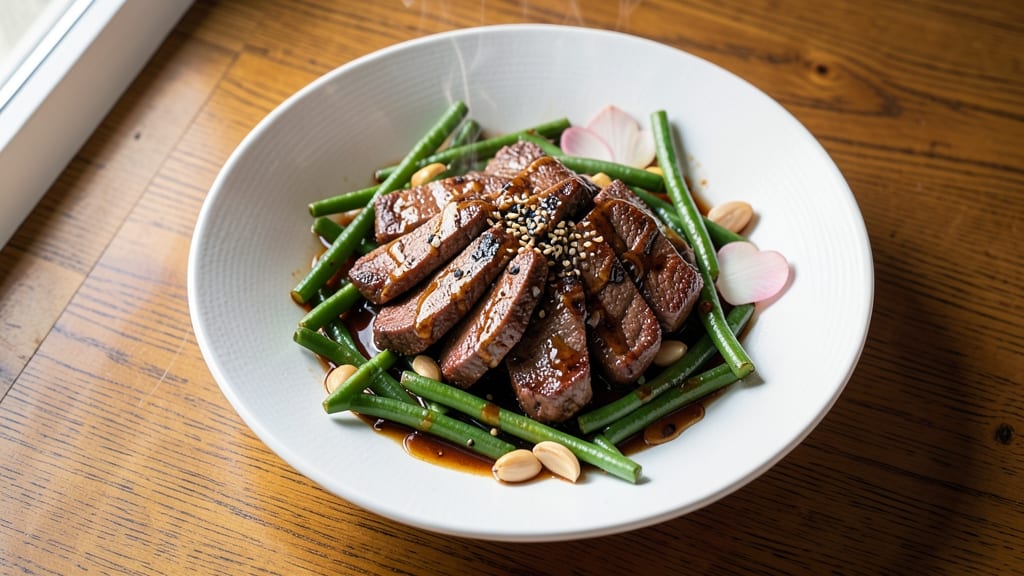
This beef and string bean stir fry delivers restaurant-quality wok-tossed crunch with perfectly balanced savory soy notes in just 25 minutes. The secret lies in high-heat searing followed by a quick stir-fry that locks in juicy beef and crisp-tender string beans, all while developing that coveted "wok hei" aroma.
I developed this recipe after years of testing—it's the one that finally convinced my family stir-fry isn't just takeout food.
The magic happens in three key steps: proper beef prep (marinating for 20 minutes ensures tender bites), high-heat wok technique (never overcrowd the pan!), and a sauce that balances sweet, salty, and umami flavors without overpowering the natural taste of the ingredients.
String beans are blanched first to maintain their crisp texture, while thinly sliced beef cooks in minutes rather than drying out.
What you'll end up with is a vibrant stir-fry where each bite offers contrasting textures—tender beef, crisp string beans, and toasted garlic—all coated in a glossy sauce that's just sweet enough to complement the savory soy.
The aroma alone will have everyone gathering around the table, and the leftovers reheat beautifully for lunch the next day.
This recipe works equally well as a weeknight dinner or meal prep solution, scaling easily from two servings to a family-sized batch. For extra depth, finish with sesame seeds and sliced green onions. Let's get cooking—your wok is waiting!
Ingredients for beef and string bean stir fry
Restaurant-quality stir-fry starts with these 14 ingredients—simple but powerful for wok-tossed perfection.
| Ingredient | Amount | Notes |
|---|---|---|
| Flank Steak 🥩 | 1 lb | Thinly sliced against grain |
| String Beans 🍃 | 1 ½ lbs | Trimmed, cut into 2-inch pieces |
| Garlic Cloves 🧄 | 6 cloves | Minced for marinade and stir-fry |
| Fresh Ginger 🌿 | 1 tbsp | Grated, finely minced |
| Soy Sauce 🍶 | ½ cup | Low-sodium preferred |
| Honey 🍯 | 1 tbsp | For sauce balance |
| Sesame Oil 🫒 | 1 tbsp | For aroma, not cooking |
| Neutral Oil 🫒 | 2 tbsp | Vegetable or canola |
| Green Onions 🧅 | 4 whole | Sliced for garnish |
| Toasted Sesame Seeds 🌾 | 1 tbsp | For garnish |
| Cornstarch 🌾 | 1 tbsp | For beef coating |
| Salt 🧂 | 1 tsp | Kosher or sea salt |
| Black Pepper 🌶️ | ½ tsp | Freshly ground |
| Rice Vinegar 🍶 | 1 tbsp | For sauce brightness |
The flank steak is non-negotiable—it's lean but tender when sliced thin against the grain. Costco or your butcher shop will have the best quality, but any grocery store carries it. Look for good marbling and ask for it sliced thinly at checkout to save time. The string beans should be bright green and crisp—avoid any with soft spots. I always buy organic when possible, but regular works fine. For the garlic, peel and mince it fresh—jarred garlic lacks the punch. Ginger loses flavor fast, so buy it fresh and grate it right before marinating.
No flank steak? Sirloin or ribeye work in a pinch, but slice them extra thin. Short on string beans? Snow peas or snap peas add a similar texture. The soy sauce is where umami happens—Kikkoman or Lee Kum Kee are my go-tos, but any good-quality brand works. For the honey, if you're avoiding sugar, maple syrup at half the amount keeps things vegan-friendly. Sesame oil is purely for aroma here—don't cook with it. Need a neutral oil substitute? Avocado oil has a higher smoke point. The cornstarch is key for that crisp-tender beef texture—don't skip it.
Prep ahead to save time: Marinate the beef and chop all veggies in advance. The stir-fry reheats beautifully—just add a splash of water and toss in the wok. Keeps for 3 days in the fridge or 3 months frozen. For meal prep, portion into containers with a little sauce on top to keep everything moist. Garnish with sesame seeds and green onions right before serving—they add freshness that disappears when stored.
Why You'll Love This Recipe
- One-Pan Magic: I swear by this recipe when I’m too tired to wash dishes. Sear the flank steak in the same pan you’ll stir-fry the string beans—no extra pots, no stress. The soy sauce caramelizes right into that pan, turning cleanup into a five-minute wipe-down.
- Umami Bomb: That combo of fresh ginger and minced garlic hitting the hot pan first? It releases this deep, savory aroma that makes my kitchen smell like a restaurant. The string beans stay crisp while the beef gets that perfect chewy bite—sweet, salty, and just a little funky.
- Lunchbox Hero: Between us, this is my go-to for meal prep. Slice the cooled stir-fry into containers, and it holds up for days—no soggy veggies, no sad leftovers. Toss it cold over rice for a quick office lunch, or reheat it with a splash of water for a textured, flavor-packed meal.
- Budget Power Move: Flank steak is affordable, and string beans last forever in the fridge. I stretch a single pound of beef across three meals, and the ginger-soy marinade (just 10 minutes!) makes even the simplest cut taste luxurious. Honestly, it’s how I feed my family well without breaking the bank.
Step-by-step instructions for beef and string bean stir fry
This stir fry delivers restaurant-quality texture and flavor with precise timing and technique.
Prepare the Beef for Maximum Tender Crisp
Slice the 1 lb flank steak thinly against the grain into ¼-inch strips—this ensures tender bites. In a bowl, combine the beef with 1 tbsp cornstarch, 1 tsp salt, and ½ tsp black pepper, tossing until evenly coated. Let it sit for 10 minutes while you prep the vegetables. The cornstarch creates a crispy exterior while keeping the interior juicy.
I press down gently on the beef strips during the first minute of cooking—this prevents them from curling and ensures even contact with the pan. The marinade also helps tenderize the meat, so don't skip this step even if it feels like overkill. The beef should be at room temperature when you cook it, so no need to thaw if frozen—just let it sit out for 15 minutes before cooking.
Blanch and Shock the String Beans
Bring a pot of water to a rolling boil and add the 1.5 lbs string beans for exactly 2 minutes. Immediately drain and plunge them into ice water to stop the cooking process. This blanching removes bitterness and softens the beans just enough for quick stir-frying. Drain well and pat dry with a kitchen towel—any moisture will steam the vegetables instead of searing them.
Here's the thing—blanching might seem like an extra step, but it makes all the difference. The beans should be bright green and slightly tender but still firm to the bite. If they're mushy, they'll turn to mush during stir-frying. Once drained, set them aside until ready to cook—you want them at room temperature when they hit the wok.
Build the Flavor Base with Aromatics
Heat 1 tbsp neutral oil in a wok or large skillet over high heat until shimmering. Add 3 minced garlic cloves and 1 tbsp minced fresh ginger, stirring constantly for 30 seconds until fragrant but not browned. Add the remaining 3 minced garlic cloves and cook for another 20 seconds. The aromatics should sizzle and fill your kitchen with warmth—this is your flavor foundation.
Don't walk away during this step. Garlic and ginger burn in seconds, and burnt aromatics will make your entire dish taste bitter. Once the garlic turns golden, immediately add ½ cup soy sauce and 1 tbsp honey, stirring to combine. Let this mixture simmer for 1 minute until slightly reduced—this builds depth of flavor before adding the beef.
Cook the Beef to Perfect Doneness
Increase heat to maximum and add the remaining 1 tbsp neutral oil. Working in batches if needed, add the beef strips in a single layer. Cook undisturbed for 1 minute until the bottoms turn golden brown—this creates that coveted wok hei (breath of the wok) flavor. Stir and cook for another 1-2 minutes until the beef is 80% cooked but still slightly pink in the center.
Resist the urge to overcrowd the pan. If you add all the beef at once, it'll steam instead of sear. The beef should release easily from the pan when ready to stir—if it sticks, add a splash of water and scrape up the browned bits (they're packed with flavor). Remove the beef to a plate and set aside, leaving the wok for the vegetables.
Finish with Vegetables and Sauce
Add the blanched string beans to the wok and stir-fry for 2-3 minutes until heated through and slightly blistered. Pour in 1 tbsp rice vinegar and 1 tbsp sesame oil, tossing everything together for 30 seconds until the beans are evenly coated. Return the beef to the wok and combine with the vegetables, tossing for 1-2 minutes until everything is heated through.
Taste and adjust seasoning—you might need a splash more soy sauce or a pinch of salt to balance the flavors. Garnish with 4 sliced green onions and 1 tbsp toasted sesame seeds right before serving. The dish should be vibrant, with crisp-tender string beans, perfectly cooked beef, and a glossy sauce that coats every bite.
Pro Tips For Making Beef And String Bean Stir Fry
- Slice Steak Thin—Like Your Life Depends on It: Flank steak fights back when cut unevenly, so grab a sharp knife and work against the grain. If you’re not confident, freeze the meat for 20 minutes first—it’ll hold its shape better and slice cleaner. (Yes, I’ve seen it shatter like a bad joke.)
- Blanch Beans First—Trust the Process: Toss string beans in boiling water for 30 seconds before stir-frying. This softens them just enough to cook through without turning to mush, while keeping their bright green color. I used to skip this and ended up with sad, limp beans every time.
- Salt the Steak Before Cooking—Non-Negotiable: Pat the flank steak dry, then season it generously with salt (about 1 teaspoon per pound) at least 30 minutes before cooking. This keeps it juicy and lets the soy sauce cling better later. I learned this after my first attempt tasted bland—no amount of sauce could fix it.
- Use High Heat, Then Back Off: Start with the wok or pan screaming hot, then add the beef and stir-fry for 1-2 minutes until it browns. Once the garlic and ginger hit, drop the heat to medium—high heat burns ginger faster than you can say “oops.” (I’ve done it. It’s not pretty.)
Flavor customization for these flavors
Spicy Kick
For those who love heat, add 1 tsp chili flakes or ½ tsp gochujang to the sauce base. I like to toast ½ tsp Sichuan peppercorns in the wok with the garlic for a tingling numbness that pairs perfectly with the beef.
For extra spice, toss in 2 tbsp diced Thai bird's eye chilies with the string beans during the final stir. 🌶️
Sweet and Tangy Twist
Swap the honey for 1 tbsp hoisin sauce and add 1 tsp rice vinegar to the sauce for a deeper umami profile. I also toss in ½ cup pineapple chunks during the final stir-fry for a sweet-tangy contrast that brightens the dish.
This variation works especially well with sirloin instead of flank steak.
Smoky BBQ Fusion
Replace the soy sauce with ½ cup BBQ sauce (I recommend Sweet Baby Ray's Original) and add 1 tbsp smoked paprika to the beef marinade.
Finish with ¼ cup diced red onion and 1 tbsp chopped cilantro for a Tex-Mex inspired stir-fry that's perfect for grilling or serving with tortillas. 🔥
Creamy Garlic Version
After stir-frying the beef and vegetables, reduce heat to medium and stir in ¼ cup coconut milk with 1 tbsp cornstarch to create a light sauce. Add 1 tsp fish sauce for depth, then finish with 2 tbsp chopped cilantro and 1 tbsp crushed peanuts.
This Thai-inspired variation adds richness without overpowering the original flavors.
Herb-Infused Brightness
Add 1 tbsp chopped Thai basil or Italian parsley to the sauce along with 1 tsp lime zest for a fresh, herbaceous twist. I also like to finish with 1 tbsp chopped mint for a Middle Eastern-inspired flavor profile.
This version shines when paired with lemon wedges on the side for extra brightness. ✨
Umami Bomb
For maximum umami depth, add 1 tbsp miso paste to the sauce and stir in 1 tbsp oyster sauce during the final toss. I also like to include 1 tsp dried shiitake mushrooms (rehydrated and minced) in the beef marinade.
This variation creates a richer, more complex flavor that pairs beautifully with steamed jasmine rice.
Nutrition facts
Frequently asked questions
Can I use frozen string beans instead of fresh?
Yes, but with an important adjustment! Thaw frozen string beans completely and pat them very dry before stir-frying. Since they're already blanched, skip the boiling step and go straight to the wok. For best texture, add them during the final 2 minutes of cooking with the beef to avoid overcooking.
What's the best cut of beef for stir-fry?
Flank steak is ideal because it's lean yet tender when sliced thinly against the grain. For extra tenderness, try sirloin or ribeye—just slice them ⅛-inch thick and marinate for 30 minutes instead of 20. Avoid tougher cuts like chuck roast, as they won't achieve the same texture.
How do I prevent the beef from drying out?
The cornstarch coating is your secret weapon! Keep the heat at maximum and cook beef in single batches if needed. Remove it when it's 80% done (slightly pink inside), then finish cooking with the vegetables. Never overcrowd the pan—this steams instead of sears the meat.
Can I make this stir-fry in a regular skillet?
While a wok is ideal, a 12-inch cast-iron skillet works perfectly. Use the same high-heat technique, but reduce the oil slightly (start with 1 tbsp instead of 2). Stir constantly to mimic the wok's rapid cooking—this prevents steaming and maintains crisp-tender textures.
What's the best way to reheat leftovers?
Reheat in the wok or skillet over medium-high heat with 1 tsp oil and 1 tbsp water to restore that wok hei aroma. Toss for 2-3 minutes until heated through. For microwave reheating, cover with a damp paper towel and heat in 1-minute intervals—this prevents drying out.