
Sauces & Condiments
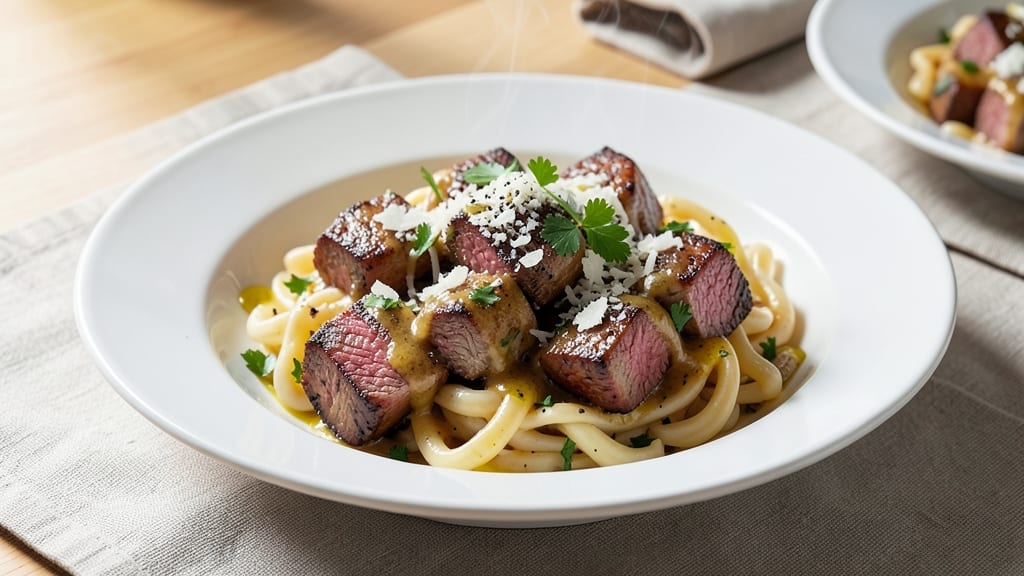
This beef and rotini in garlic parmesan sauce transforms a simple weeknight dinner into a restaurant-worthy meal with just one pan and 30 minutes of hands-on time.
The secret lies in searing the beef until deeply caramelized—those rich, umami-packed browned bits form the foundation of the sauce—while the al dente rotini absorbs the creamy garlic-parmesan blend without turning mushy. Every bite delivers tender beef, perfectly cooked pasta, and a sauce so velvety it clings to every strand.
What sets this dish apart is the balance of flavors: the bold garlic and nutty parmesan create a rich base, while a splash of heavy cream adds luxurious texture without overwhelming the beef's natural depth.
The technique is straightforward—brown the beef first, then build the sauce in the same pan while the pasta cooks—but the result is anything but basic. This isn't your childhood mac and cheese; it's a one-pan pasta with layers of complexity that make it feel like a special occasion.
The final touch? A sprinkle of fresh parsley and extra parmesan that transforms the dish from comforting to elevated. The sauce should be thick enough to coat the pasta generously but still silky enough to drizzle over the top.
Serve immediately while the edges are still bubbling, and watch as everyone at the table reaches for seconds. This is the kind of meal that turns a Tuesday into a night to remember.
Best of all, it scales effortlessly—double the ingredients for a crowd, or halve it for a cozy dinner for two. The leftovers reheat beautifully, making it the ultimate make-ahead meal for busy weeks. Ready to master this foolproof technique? Let's get started.
Ingredients for beef and rotini in garlic parmesan sauce
The foundation of this restaurant-style pasta lies in these 13 carefully selected ingredients—each playing a crucial role in creating depth and richness.
| Ingredient | Amount | Notes |
|---|---|---|
| Chuck Roast 🥩 | 1 ½ lb | Trimmed of excess fat, cubed into 1-inch pieces |
| Rotini Pasta 🍝 | 12 oz | Uncooked, medium or whole wheat |
| Extra-Virgin Olive Oil 🫒 | ½ cup | High-quality, fruity variety |
| Garlic Cloves 🧄 | 6 cloves | Fresh, minced finely |
| Heavy Cream 🥛 | ½ cup | Full-fat for optimal richness |
| Parmesan Cheese 🧀 | 1 cup | Freshly grated, high-quality |
| Dry White Wine 🍷 | ½ cup | Sauvignon Blanc or Pinot Grigio |
| Beef Broth 🥄 | 1 cup | Low-sodium preferred |
| Fresh Parsley 🌿 | ¼ cup | Chopped finely for garnish |
| Salt 🧂 | 1 ½ tsp | Diamond Crystal kosher salt |
| Black Pepper 🌶️ | ½ tsp | Freshly ground preferred |
| Dried Thyme 🌿 | 1 tsp | Or 1 tbsp fresh thyme leaves |
| Red Pepper Flakes 🌶️ | ½ tsp | Adjust for heat preference |
The chuck roast is non-negotiable here—its marbling and connective tissue break down beautifully during searing, creating those umami-packed browned bits that form the sauce's backbone. Look for cuts with visible fat marbling at your local butcher shop or Costco's bulk meat section, where you can often find pre-cubed chuck at a better price. If using a whole roast, cube it yourself for consistent pieces. The rotini should be medium or whole wheat for better texture retention—avoid the pre-cooked varieties that turn mushy. For the Parmesan, invest in a block from a specialty cheese shop rather than pre-grated; the difference in flavor and texture is dramatic. The garlic should be fresh, with vibrant cloves that smell pungent when peeled—no sad, shriveled bulbs from the back of the fridge.
No white wine on hand? Substitute with additional beef broth—just reduce the amount by 2 tbsp to maintain balance. Fresh thyme unavailable? Dried works at one-third the quantity, but toast it in the pan for 30 seconds first to deepen its flavor. The heavy cream adds luxurious texture, but if you're avoiding dairy, full-fat coconut milk provides a similar richness. For the olive oil, use something with fruity notes—cheap oils can taste bitter and overpower the dish. The red pepper flakes are optional but recommended; if you prefer no heat, simply omit them. All ingredients should be at room temperature before cooking for even searing—take the beef and cream out 30 minutes ahead of cooking.
This dish reheats beautifully—better the next day as flavors meld further. Store leftovers in an airtight container in the fridge for up to 4 days, or freeze for 3 months by portioning into individual servings. The sauce thickens as it cools, so add a splash of beef broth or water when reheating. For meal prep, cook the pasta separately and assemble everything fresh when ready to eat—this prevents the rotini from becoming gummy. The Parmesan keeps well in the fridge for weeks when wrapped tightly in parchment, while the fresh parsley should be used within 5 days of purchase for maximum vibrancy.
Why You'll Love This Recipe
- One-Pot Magic: I swear by this recipe for lazy nights—just brown the chuck roast, toss in the rotini, and let the garlic-parmesan sauce do the work. No extra pans, no fuss, and that rich beef flavor seeps right into every bite of pasta.
- Garlic-Parmesan Bliss: That first bite? Chef’s kiss. The heavy cream softens the garlic into a velvety sauce, while the parmesan adds a salty, nutty punch. Honestly, the smell alone makes me forget to eat anything else for a week.
- Weeknight Workhorse: Between us, this feeds my whole family and leaves enough for leftovers—no sad, wilted salads here. Double the batch on Sunday, and you’ve got dinner covered for three nights. (Yes, even on a Tuesday night.)
- Budget-Friendly Luxury: Chuck roast stretches for miles, and the heavy cream makes it feel fancy without breaking the bank. I’ll be real: it’s the kind of dish that makes me feel like I ordered takeout, but better—and for way less.
Step-by-step instructions for beef and rotini in garlic parmesan sauce
This one-pan method builds rich umami flavor through precise timing and layering.
Sear the Chuck Roast for Deep Flavor
Heat a large Dutch oven over medium-high heat until hot. Add 0.25 cup of the extra-virgin olive oil and swirl to coat. Working in batches to avoid crowding, add the 1.5 lb chuck roast in 1-inch cubes and sear for 2-3 minutes per side until deeply browned. The meat should develop a rich crust that forms the flavor base for the entire dish.
As you sear, remove the cooked beef and set it aside on a plate. This step is critical—don't skip it. The Maillard reaction happening here creates complex flavors that no amount of simmering could replicate. If your pan gets too crowded, reduce the heat slightly to prevent steaming instead of searing.
Build the Garlic-Thyme Foundation
In the same Dutch oven, reduce heat to medium and add the remaining 0.25 cup extra-virgin olive oil. Add the 6 cloves minced garlic and 1 tsp dried thyme, stirring constantly for 30-45 seconds until the garlic becomes fragrant but doesn't brown. You're looking for a warm, sweet aroma that signals the garlic is ready to release its full flavor.
Immediately add 0.5 cup dry white wine and scrape up any browned bits from the bottom of the pan. This deglazing step captures all the meaty flavors that would otherwise stick. Let the wine simmer for 2 minutes until reduced by half, intensifying its flavor profile before the next components are added.
Simmer with Pasta and Broth
Add the 12 oz rotini pasta and 1 cup beef broth to the Dutch oven. Stir gently to combine, then bring to a gentle boil. Once boiling, reduce heat to medium-low and let it simmer uncovered for 12-15 minutes, stirring occasionally, until the pasta is al dente and the liquid has mostly reduced. The pasta should be tender but still have a slight bite.
This is where the magic happens—the pasta absorbs the rich flavors while the broth reduces to create a velvety sauce. If the mixture looks too dry before the pasta is fully cooked, add 2-3 tablespoons of water to maintain the proper consistency. The key is to keep the pasta moving so it cooks evenly and doesn't stick to the bottom.
Finish with Cream and Cheese
Return the seared beef to the Dutch oven and stir to combine with the pasta. Add the 0.5 cup heavy cream, 1 cup freshly grated parmesan cheese, 1.5 tsp salt, 0.5 tsp black pepper, and 0.5 tsp red pepper flakes. Stir well to distribute the cheese evenly and let the mixture simmer for 3-4 minutes until the sauce thickens slightly and coats the pasta.
Here's where the dish comes together—the cream adds luxurious richness while the parmesan creates a velvety texture. If the sauce becomes too thick, add 1-2 tablespoons of pasta water to loosen it. The red pepper flakes add a subtle heat that balances the richness, while the black pepper enhances the overall depth of flavor. Taste and adjust seasoning if needed.
Garnish and Serve Immediately
Remove the Dutch oven from heat and stir in the 0.25 cup chopped fresh parsley. Let the dish rest for 2 minutes to allow the flavors to meld together. The parsley not only adds freshness but also brightens the rich, cheesy sauce with its vibrant color and clean flavor.
Serve immediately in deep bowls, ensuring each portion gets a generous helping of the flavorful sauce. The dish should be hot, with each bite delivering tender beef, al dente pasta, and a creamy garlic-parmesan sauce that clings perfectly. This one-pan method creates a satisfying meal with minimal cleanup and maximum flavor impact.
Pro Tips For Making Beef And Rotini In Garlic Parmesan Sauce
- Sear the Chuck Roast First: I learned this the hard way—skipping the sear means bland beef. Pat the roast dry, then hit it with high heat in olive oil until deep brown on all sides. That crust locks in flavor and keeps the meat juicy when it slows later.
- Minced Garlic, Not Sliced: After burning three batches, I finally figured out: fresh minced garlic cooks faster and doesn’t turn bitter. Use about 6 cloves, finely chopped, and add them to the pan after the beef is browned but before the cream. Stir immediately—garlic burns faster than you think.
- Save the Pasta Water: Don’t dump that starchy water! Reserve at least ½ cup before draining the rotini. When tossing the pasta with the sauce, add a splash back in—it helps the sauce cling and makes the dish silky instead of dry.
- Simmer the Cream Low: Heavy cream scalds easily, and once it curdles, you’re screwed. After adding the cream to the pan, reduce heat to low and let it warm gently for 3–4 minutes, stirring often. If it starts to bubble too fast, pull it off the heat for a minute—patience here keeps the sauce smooth.
Pro cooking tips for beef and rotini in garlic parmesan sauce
Sear Like a Pro
For maximum flavor, sear the beef in batches to avoid crowding—this ensures a deep, golden crust through the Maillard reaction. Use a large Dutch oven (I love the All-Clad Stainless Steel) and maintain medium-high heat until you see those irresistible browned bits.
If your pan loses heat, let it recover before adding more beef. A meat thermometer helps confirm doneness—aim for 145°F internal temperature for medium-rare beef. 🔥
Deglaze with Precision
The wine deglazing step is where flavor magic happens. After searing, add ½ cup dry white wine immediately and scrape every last bit from the bottom with a wooden spoon—those browned bits are pure flavor gold.
Let the wine reduce by half (about 2 minutes) before adding pasta. This concentration intensifies the garlic and thyme flavors. Pro tip: Use a Sauvignon Blanc for its crisp acidity that cuts through the richness.
Pasta Timing Tricks
Cook the rotini directly in the sauce to prevent drying out, but don't overcrowd the pan. Stir every 2-3 minutes to ensure even cooking and prevent sticking. If the pasta looks dry before it's al dente, add 2 tbsp pasta water—this keeps the sauce silky.
For perfect al dente, test a piece after 12 minutes of simmering. The pasta should have a slight resistance but still be tender. 🍝
Cheese Melting Secrets
When adding the freshly grated parmesan, stir constantly over low heat to prevent clumping. The cheese should melt into a velvety sauce that coats the pasta perfectly. If the sauce thickens too quickly, add 1 tbsp pasta water to maintain consistency.
For extra richness, I sometimes add 1 tbsp butter at the end—it adds a luxurious finish without altering the flavor profile.
Sauce Consistency Control
The ideal sauce should be thick enough to coat but still silky enough to drizzle. If it's too thick, add 1-2 tbsp pasta water while stirring. If too thin, simmer uncovered for 1-2 minutes to reduce.
The sauce should cling to the pasta without making it soggy. Taste as you go—adjust salt, pepper, or red pepper flakes to balance flavors before serving. 💫
Garnish for Freshness
Finish with fresh parsley just before serving—it adds a bright, herbaceous note that cuts through the richness. I also like a final sprinkle of extra parmesan and a crack of black pepper for visual appeal.
Serve immediately in deep bowls with a side of garlic bread to soak up every last bit of sauce. The contrast of warm pasta and fresh garnishes makes this dish feel restaurant-quality.
Nutrition facts
Frequently asked questions
Can I substitute ground beef for cubed chuck roast?
Yes, but the texture and flavor will differ. Ground beef works best when browned thoroughly to mimic the deep, caramelized crust of seared chuck. Use 80% lean ground beef and cook it until it reaches 165°F to ensure safety. For best results, form the meat into small patties before browning to maximize surface area for flavor development.
How do I adjust this recipe for a gluten-free diet?
Replace rotini with gluten-free pasta like brown rice or chickpea rotini. Ensure your beef broth is also gluten-free, and check that all seasonings (like thyme and red pepper flakes) are certified gluten-free. The rest of the recipe remains the same—just monitor the pasta cooking time, as gluten-free varieties often require 1-2 minutes less than traditional wheat pasta.
Why did my sauce turn out too thick or too thin?
Sauce consistency depends on timing and liquid balance. If too thick, add 1-2 tablespoons of pasta water while stirring. If too thin, simmer uncovered for 1-2 minutes to reduce. The key is to taste as you go—adjust gradually. For extra insurance, reserve ¼ cup pasta water before draining to have on hand for adjustments.
Can I make this ahead of time?
Cook the pasta and sauce separately, then refrigerate in airtight containers for up to 3 days. Reheat gently on the stove with a splash of beef broth or water. For best texture, add fresh parsley and extra parmesan just before serving. The flavors actually improve overnight as the sauce melds further.
What's the best way to reheat leftovers?
Reheat in a skillet over low-medium heat with 1-2 tablespoons of beef broth to restore moisture. Stir frequently to prevent sticking. For microwave reheating, cover with a damp paper towel and heat in 30-second intervals, stirring between each. Avoid high heat, which can make the pasta mushy. The sauce should be warm but still silky, not greasy.