
Soups & Stews
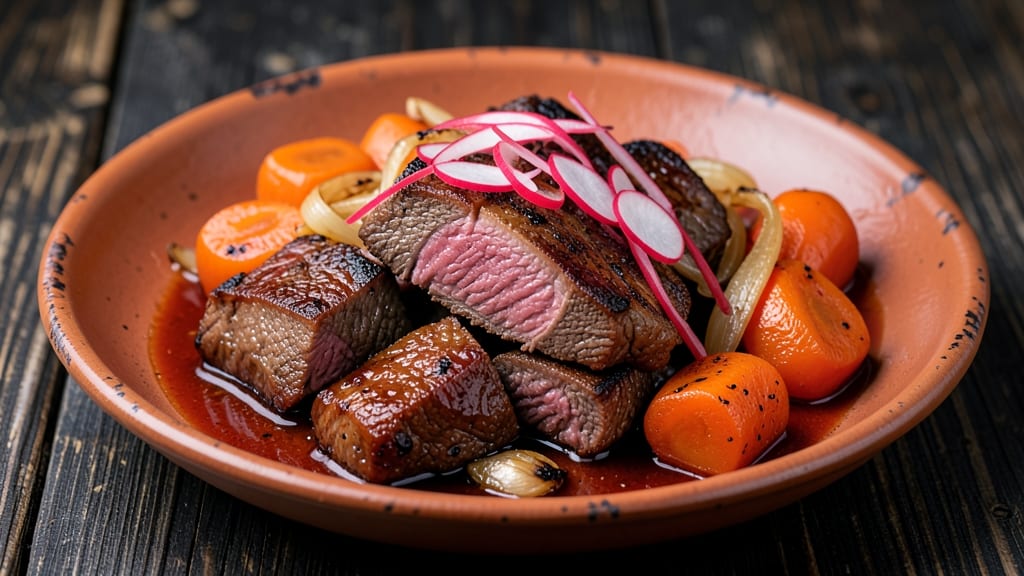
This beef and radish recipe transforms humble ingredients into a deeply satisfying stew where tender beef and crisp radishes create a perfect balance of earthy umami and refreshing crunch. The secret lies in slow-braising the beef until it melts in your mouth while preserving the radishes' vibrant texture—no soggy sides here. I developed this dish after discovering how radishes elevate hearty stews with their peppery bite and natural sweetness, turning a simple meal into something memorable.
What makes this recipe stand out is the technique: beef simmers in a rich, aromatic broth until fork-tender, while radishes are added late to maintain their crispness. The result is a harmonious blend of textures—silky beef, tender vegetables, and that satisfying crunch from the radishes.
Perfect for chilly evenings, this stew delivers restaurant-quality depth without requiring fancy ingredients or complicated steps.
The beauty of this dish is its versatility—serve it with crusty bread to soak up every last drop of flavorful broth, or pair it with a simple green salad for a complete meal.
The radishes add a surprising freshness that cuts through the richness of the beef, making each bite balanced and satisfying. Whether you're cooking for family or treating yourself, this recipe proves that simple ingredients can create something extraordinary.
Ready in under 2 hours with minimal active time, this stew is ideal for weeknight dinners or meal prep. The flavors only deepen as it sits, so it tastes even better the next day. Here’s how to make it—simple, foolproof, and packed with flavor.
Ingredients for beef and radish
Earthy beef and vibrant radishes create the perfect balance in this rich, umami-packed stew.
| Ingredient | Amount | Notes |
|---|---|---|
| Beef Chuck Roast 🥩 | 2 lb | Pre-cut into 1.5-inch cubes |
| Radishes 🥕 | 1 ½ lb | Medium size, halved lengthwise |
| Yellow Onion 🧅 | 1 whole | Medium size, diced |
| Garlic Cloves 🧄 | 4 cloves | Peeled, smashed |
| Carrots 🥕 | 4 medium | Peeled, cut into chunks |
| Tomato Paste 🍅 | ½ cup | High-quality, no sugar added |
| Red Wine 🍷 | 1 cup | Bold dry variety like Cabernet |
| Beef Broth 💧 | 4 cups | Low-sodium preferred |
| Olive Oil 🫒 | 2 tbsp | Extra-virgin, for searing |
| Fresh Thyme 🌿 | 2 sprigs | Plus 1 tbsp leaves |
| Fresh Rosemary 🌿 | 1 sprig | Woody stems removed |
| Bay Leaves 🍃 | 2 whole | Dried, standard size |
| Salt 🧂 | 1 ½ tsp | Diamond Crystal preferred |
| Ground Black Pepper 🌶️ | 1 tsp | Freshly ground |
| All-Purpose Flour 🌾 | 2 tbsp | For thickening broth |
The beef selection is critical here—chuck roast delivers that melt-in-your-mouth texture when slow-braised. Costco or Whole Foods carry excellent cuts, but any butcher will have it if you ask for 'chuck for stew.' Look for good marbling, which means visible fat flecks throughout the meat. Radishes should be firm and crisp with vibrant color—avoid any with soft spots. For the broth, low-sodium options prevent over-salting, though you can always dilute homemade stock if needed. Fresh herbs elevate the dish significantly, so if you're using dried, reduce to one-third the amount.
No red wine? Substitute with beef broth and 1 tbsp balsamic vinegar for depth. Carrots can be swapped for parsnips if preferred, though they'll have a slightly different texture. The tomato paste adds richness, but if you're avoiding it, 1 cup crushed tomatoes works too. For a quicker version, use pre-cut beef and radishes—just ensure the radishes are uniform in size so they cook evenly. The flour is purely for thickening at the end; if you're avoiding gluten, cornstarch is a perfect substitute.
This stew tastes even better the next day as flavors meld. Store in an airtight container in the fridge for up to 5 days, or freeze portions for 3 months. For meal prep, double the recipe and freeze half—just thaw overnight in the fridge before reheating. The radishes will soften slightly when reheated, so always add them fresh when serving. Garnish with extra thyme leaves and a drizzle of olive oil for restaurant-quality presentation.
Why You'll Love This Recipe
- One-Pot Magic: I swear by this recipe because it’s one pan—no chopping boards, no extra dishes. Just toss in the beef chuck, radishes, onions, and carrots, let the slow cooker (or oven) do the work, and boom. Minimal effort, maximum flavor.
- Radish Secret Weapon: Between us, radishes add this crisp, peppery bite that cuts through the richness of the beef. They’re not just garnish—they’re the star. My kids even ask for them by name now.
- Weeknight to Dinner Party: This dish works anywhere. Throw it together for a lazy Tuesday or dress it up with fresh herbs for a dinner party. The beef stays tender, the veggies caramelize, and it’s always a crowd-pleaser.
- Budget-Friendly Feast: A beef chuck roast stretches forever—I feed six for the price of takeout. Plus, radishes and carrots are cheap, and the leftovers? Even better the next day, reheated with a splash of broth.
Step-by-step instructions for earthy umami stew with crunchy roots
This method delivers deep, layered flavors where tender beef meets perfectly cooked radishes.
Sear the Beef Chuck Roast for Rich Foundation
Heat the 2 tablespoons olive oil in a heavy Dutch oven over medium-high heat until shimmering. Working in batches to avoid crowding, add the 2 lb beef chuck roast cut into 1.5-inch cubes, searing each side for 2-3 minutes until deeply browned. You're building flavor here—those caramelized crusts will dissolve into the stew later.
As you sear, remove the beef and set aside on a plate. Don't drain the browned bits—they're packed with flavor. The goal is golden-brown sear on each piece, which ensures maximum umami extraction during simmering. If your pan gets too crowded, work in two batches but keep the heat consistent.
Develop Aromatics and Base
In the same Dutch oven, add the 1 whole yellow onion and 4 medium carrots cut into chunks. Sauté for 5 minutes until softened and just beginning to color. Add the 4 cloves garlic cloves and cook for 30 seconds until fragrant—this prevents them from burning.
Stir in the 0.5 cup tomato paste and cook for 1 minute to deepen its flavor. Pour in the 1 cup red wine, scraping up any browned bits from the bottom. Let it simmer for 2 minutes until reduced by half. This step creates the flavor backbone of your stew—don't rush it.
Simmer with Herbs and Seasonings
Return the seared beef to the pot. Add the 4 cups beef broth, 1.5 teaspoons salt, 1 teaspoon ground black pepper, 2 sprigs fresh thyme, 1 sprig fresh rosemary, and 2 whole bay leaves. Bring to a gentle boil, then reduce heat to low and cover partially. Simmer for 1.5 hours until the beef is fork-tender.
Halfway through cooking, add the 1.5 lb radishes halved lengthwise. This timing ensures they absorb flavor without becoming mushy. The beef should pull apart easily when pierced with a fork, and the liquid should have thickened slightly from the natural reduction. If it's too thin, uncover and simmer uncovered for another 10 minutes to reduce further.
Thicken and Finish with Flour
Remove the 2 sprigs fresh thyme and 1 sprig fresh rosemary (discard stems), keeping the bay leaves in. Sprinkle the 2 tablespoons all-purpose flour over the stew and stir vigorously for 1 minute to remove any lumps. Let it simmer uncovered for 5-7 minutes until the sauce thickens to a velvety consistency.
Taste and adjust seasoning—you might need an additional ½ teaspoon salt or ¼ teaspoon black pepper depending on your broth. The radishes should be tender but still hold their shape slightly, with a pleasant crunch. The beef should be falling apart with just gentle pressure from your fork, and the sauce should coat the back of a spoon.
Rest and Serve
Remove the 2 whole bay leaves and let the stew rest for 10 minutes before serving. This allows flavors to meld and the radishes to absorb any remaining liquid. Serve in deep bowls, garnished with an extra sprinkle of fresh thyme leaves for brightness.
The perfect bowl delivers tender beef with deep umami flavor, complemented by the earthy sweetness of radishes and carrots. Each spoonful should balance rich beef, bright radish crunch, and the complex notes from the wine and tomato base. Pair with crusty bread to soak up every last bit of sauce.
Pro Tips For Making Beef And Radish
- SEAR THE ROAST HARD: Chuck roast needs a deep, dark crust to stay juicy—don’t be shy with the heat. After patting it dry, sear it in a hot pot for 3-4 minutes per side until it’s browned to the point of near-blackness. I used to rush this, and the beef always ended up dry. Now I let it sit in the fridge uncovered for 30 minutes first so the crust forms faster.
- SLICE RADISHES LENGTHWISE: Radishes cook faster than beef but turn mushy if overcrowded. Cut them into ¼-inch thick half-moons lengthwise—this keeps them intact and lets them absorb flavors without falling apart. Skip the cross-cut, or you’ll end up with a radish mush instead of tender slices.
- ADD CARROTS LAST: Carrots take longer to soften, so toss them in only after the beef and radishes have cooked for 45 minutes. This way, they finish at the same time without turning into a sad, overcooked pulp. I learned this after serving a batch where the carrots were still rock-hard while everything else was done.
- USE COLD WATER FOR RADISHES: Plunge freshly sliced radishes in ice water for 10 minutes before cooking—they’ll stay crisp and vibrant instead of bleeding color into the dish. Drain well before adding them to the pot. It’s a tiny step, but it makes a real difference in how fresh they taste.
Common mistakes when making perfect results
Overcooking Radishes
Radishes are delicate and will turn mushy if added too early or cooked too long. I’ve ruined this dish before by adding them with the beef—don’t make that mistake! Add the radishes only in the final 30 minutes of cooking, when the beef is nearly tender.
Their texture should be fork-tender with a slight crunch, not soft like boiled potatoes. If they start looking sad, remove them early and serve them on the side. 🥕
Skipping the Sear
Skipping the beef sear is the fastest way to make your stew taste flat. Those browned crusts on the beef are packed with flavor—Maillard reaction magic—that dissolves into the broth during simmering. Work in batches if needed, but sear each piece until deeply golden.
If your pan gets crowded, lower the heat slightly to avoid steaming instead of browning. The extra 5-10 minutes spent searing makes all the difference. 🔥
Using the Wrong Cut of Beef
Not all beef cuts are created equal for stews. Chuck roast is your best friend here because of its fat and connective tissue, which breaks down beautifully during slow cooking. Avoid leaner cuts like sirloin—they’ll dry out.
If you’re using a different cut, like short ribs, increase the cooking time by 30-45 minutes to ensure tenderness. Always check for marbling (visible fat) at the butcher counter. 🥩
Ignoring the Resting Time
Rushing to serve the stew right after cooking is a common mistake. Let it rest for 10-15 minutes before serving—this allows the radishes to soak up any remaining broth and the flavors to meld.
I’ve learned this the hard way: serving it too soon means watery radishes and a thinner sauce. Use this time to garnish with fresh thyme or a drizzle of olive oil while you wait. ✨
Over-Salting the Broth
Using high-sodium broth or adding too much salt early can make your stew inedible. Taste the broth after adding the beef and adjust gradually—¼ teaspoon at a time. If you’re unsure, err on the side of less salt and add more later.
Remember, you can’t unsalt, but you can always dilute with water or broth. I keep a small bowl of water nearby for this exact purpose. 🧂
Not Deglazing the Pan
The browned bits (fond) stuck to your Dutch oven are flavor gold. After searing the beef, scrape them up with the wine or broth—this step extracts maximum flavor. If you skip it, you’re missing out on 30-50% of the depth in your stew.
Use a wooden spoon to scrape vigorously, even if it means getting a little messy. Trust me, your taste buds will thank you. 💫
Nutrition facts
Frequently asked questions
Can I substitute radishes with another vegetable?
Yes! If radishes are unavailable, try daikon radish (milder flavor) or turnips (slightly sweeter). For a peppery kick, use watercress or bitter greens like endive, but reduce cooking time to 10-15 minutes to maintain texture. Avoid potatoes—they absorb too much liquid and lose their shape.
How do I make this recipe gluten-free?
Simply replace the 2 tablespoons flour with 2 tablespoons cornstarch or arrowroot powder. Mix it with 1 tablespoon cold water first to prevent clumping, then stir into the stew. The thickening effect will be identical, and the flavor remains neutral.
What’s the best way to reheat leftovers?
Gently reheat on the stovetop over low heat for 5-7 minutes, stirring occasionally. Avoid microwaving—it makes radishes mushy. For best results, add 1-2 tablespoons beef broth to loosen the sauce. If the stew seems too thick after reheating, thin it with a splash of warm water or broth.
Can I use ground beef instead of chuck roast?
Ground beef works, but the texture will be different—expect smaller, crumbly pieces instead of tender chunks. Use 1.5 lbs ground beef (80/20 fat ratio) and reduce simmering time to 45-60 minutes. The flavor will still be rich, but the traditional stew texture will change. For a compromise, try ground chuck instead of lean ground beef.
Why does my stew taste too salty?
Most likely, your beef broth was high-sodium. To fix it, add ½ cup hot water and stir, then taste again. If still too salty, mix 1 tablespoon milk or cream with 1 tablespoon flour, stir into the stew, and simmer for 2 minutes—this dilutes the salt while thickening. Prevention tip: Use low-sodium broth or homemade stock.