
Soups & Stews
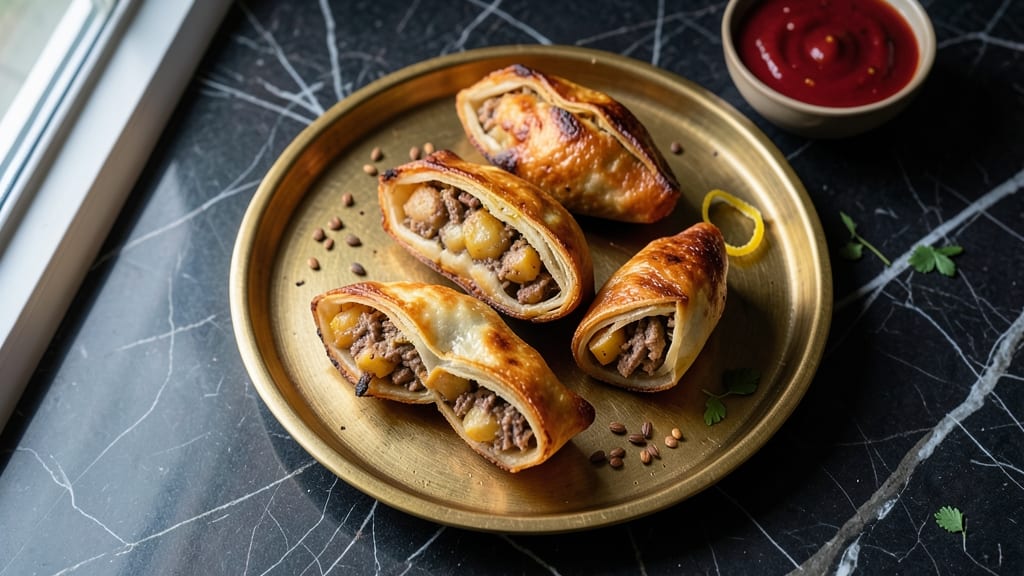
This beef and potato samosa recipe delivers the perfect balance of crispy golden pastry and flavorful spiced filling that will transport you straight to a bustling Indian street market.
The secret lies in a well-spiced potato and beef mixture that stays tender while the dough achieves that signature shatteringly crisp exterior—no shortcuts, just traditional techniques refined for home kitchens.
What sets this recipe apart is the layered approach: first preparing the aromatic filling with cumin, coriander, and garam masala, then crafting the dough with just the right amount of oil for that satisfying crunch.
The filling cooks down just enough to hold its shape while maintaining moisture, while the dough rests to develop its structure before being rolled paper-thin for perfect frying.
By the time you take your first bite, you'll experience that satisfying contrast of crispy pastry giving way to tender, spiced filling—each component working in harmony. The aroma alone will have everyone gathering around your kitchen, and the taste will make them forget about takeout forever.
Whether you're serving these as appetizers for a dinner party or packing them for a picnic, this recipe delivers restaurant-quality results with just a few key techniques. Let's get started on creating samosas that will become your new signature dish.
Ingredients for beef and potato samosa
These 14 ingredients bring together the perfect balance of crispy pastry and spiced filling for authentic samosas.
| Ingredient | Amount | Notes |
|---|---|---|
| Ground Beef 🥩 | ¾ lb | Lean ground beef preferred |
| Russet Potatoes 🥔 | 2 medium | Peeled and diced small |
| All-Purpose Flour 🌾 | 2 cups | For dough, sifted preferred |
| Ghee or Vegetable Oil 🫒 | ½ cup | For dough and frying |
| Water 💧 | ¼ cup | Room temperature for dough |
| Cumin Seeds 🌿 | 1 tsp | Toasted for aroma |
| Ground Cumin 🌿 | 1 tsp | Freshly ground preferred |
| Ground Coriander 🌿 | 1 tsp | For earthy flavor |
| Garam Masala 🌶️ | 1 tsp | Warm spice blend |
| Turmeric Powder 🧂 | ½ tsp | Brightens filling |
| Salt 🧂 | 1 tsp | Adjust to taste |
| Green Chilies 🌶️ | 2 whole | Finely chopped, optional |
| Fresh Cilantro 🌿 | ¼ cup | Chopped for garnish |
| Lemon Juice 🍋 | 1 tbsp | Freshly squeezed |
The potatoes need to be Russet—they hold their shape better than other varieties when cooked. Pat them dry completely after peeling to avoid soggy filling. For the beef, ground chuck works best (lean ground beef dries out). If you can't find ghee, vegetable oil is fine for frying, but ghee gives that authentic flavor. The dough should feel like wet sand—if it's too sticky, add a bit more flour; if too dry, a splash of water. Indian grocery stores carry pre-made samosa dough, but making it from scratch is half the fun.
No garam masala? Mix 1/4 tsp each of cinnamon, cardamom, cloves, and black pepper for a DIY version. Fresh cilantro? Dried works at half the amount, but fresh adds that bright pop. The green chilies are optional—skip if you prefer mild flavor. For the dough, all-purpose flour is standard, but some recipes use whole wheat for a nuttier taste. If you're short on time, pre-made puff pastry can be a shortcut (just brush with oil before frying). The key is keeping everything cold until frying—warm filling makes the pastry soggy.
Store the dough in an airtight container with a damp towel for up to 2 days in the fridge. The filling can be made ahead and refrigerated for 3 days or frozen for 3 months. For frying, deep-fry at 350°F—too hot and they burn before cooking through. Serve warm with mint chutney or tamarind sauce for the full experience. Leftovers? Reheat in a 350°F oven for 10 minutes to restore crispiness.
Why You'll Love This Recipe
- One-Pot Wonder: I swear by this recipe—just boil the potatoes, brown the beef, and toss it all with flour and spices. No chopping, no fuss, and the dough comes together faster than you can say "crispy golden edges."
- Spiced Comfort Bomb: That deep, earthy cumin and coriander blend with the rich beef and starchy potatoes? It’s the kind of flavor that sticks with you. Honestly, the first bite makes you forget it’s a weeknight dinner.
- Party or Pantry: Make a double batch and freeze half—they reheat like a dream. Perfect for game day snacks, potlucks, or when you’re too tired to cook but still want something impressive.
- Budget Hero: Ground beef and potatoes stretch for miles, and flour is always cheap. Between us, this recipe feeds four for under $10 and leaves you with leftovers that taste just as good cold as they do hot.
Step-by-step instructions for beef and potato samosa
Let's bring these golden, crispy samosas to life with perfectly spiced fillings and flaky pastry.
Prepare the Spiced Filling
Heat 0.5 cup ghee or vegetable oil in a large skillet over medium heat. Add 1 tsp cumin seeds and toast them for 30 seconds until they sizzle and release their aroma. This is where the magic begins—the toasted cumin seeds will infuse the entire filling with warmth.
Add the 0.75 lb ground beef and cook until it loses its raw color, breaking it apart with a wooden spoon. You'll see the meat change from pink to brown as it releases its juices. Drain any excess fat if needed, but leave about 1 tablespoon for flavor.
Add the 2 medium peeled and diced russet potatoes, 1 tsp ground cumin, 1 tsp ground coriander, 1 tsp garam masala, 0.5 tsp turmeric powder, and 1 tsp salt. Stir well to coat everything in the spices. Cook for 8-10 minutes until the potatoes are tender and the mixture is well combined. The filling should be moist but not soupy—if it's too dry, add 1 tablespoon water at a time until just combined.
Remove from heat and stir in the 2 finely chopped green chilies (if using) and 1 tbsp lemon juice. Let the filling cool completely before shaping—this prevents steam from making your pastry soggy. Here's the thing: the lemon juice brightens all those warm spices and keeps the filling from getting too heavy.
Make the Samosa Dough
In a large mixing bowl, combine 2 cups all-purpose flour and 1 tsp salt. Whisk to break up any lumps, then make a well in the center. Pour in 0.5 cup ghee or vegetable oil and 0.25 cup room temperature water. Mix with your hands or a fork until it forms a shaggy dough.
Knead the dough on a lightly floured surface for 5-7 minutes until smooth and elastic. If it's too sticky, add a little more flour; if too dry, add a few drops of water. The dough should be soft but not sticky—it should hold together when pressed gently. Wrap it in plastic wrap and let it rest for 30 minutes at room temperature. This resting period relaxes the gluten, making it easier to roll out later.
Assemble and Shape the Samosas
Divide the rested dough into 8 equal balls (about 1.5 ounces each) and roll each one into a thin circle, about 5 inches in diameter. I like to use a rolling pin, but if you don't have one, press down gently with your palm. The thinner you roll it, the crispier your samosas will be.
Cut each circle in half diagonally to make 2 triangles. Place 1 tablespoon of the cooled filling near the wide end of one triangle. Fold the other triangle over it to form a cone shape, pressing the edges firmly to seal. Crimp the edges with your fingers or a fork to create a decorative pattern—this prevents filling from leaking out during frying.
For extra crispiness, I brush the sealed samosas lightly with a little water using a pastry brush. This creates a golden crust when fried. Arrange them seam-side up on a plate and let them sit for 10 minutes before frying. This resting time helps them hold their shape better in the hot oil.
Fry to Crispy Perfection
Heat 2-3 inches of oil in a deep skillet or Dutch oven over medium heat until it reaches 350°F. You'll know it's ready when a small piece of dough sizzles and floats when dropped in. Fry 2-3 samosas at a time, being careful not to overcrowd the pan. This ensures even cooking and maintains the oil temperature.
Fry for 3-4 minutes per side until they turn a deep golden brown color. The key here is patience—rushing will make them greasy instead of crispy. You'll see little bubbles form on the surface, and the samosas will float when they're done. Drain on a paper towel-lined plate to remove excess oil.
For an extra touch, sprinkle with 0.25 cup chopped fresh cilantro right after frying while they're still warm. Serve immediately with mint chutney or tamarind sauce for dipping. The contrast of the cool, tangy sauce with the hot, crispy samosas is what makes this dish truly special.
Pro Tips For Making Beef And Potato Samosa
- Boil Potatoes Until Fork-Tender: I learned this the hard way—samosa fillings need potatoes that mash into a smooth, thick paste, not a watery sludge. Boil russet potatoes until they’re so soft they collapse under a fork (about 15-20 minutes less than package instructions), then drain completely before mashing. No one wants a soggy filling.
- Brown the Beef First: Skipping this step makes your samosa taste like it’s missing something. Cook the ground beef in ghee or oil over medium-high heat until it’s deeply browned—those bits pack serious flavor. Just don’t overcrowd the pan, or you’ll steam it instead of sear it.
- Chill the Dough Before Rolling: I used to roll out the flour dough right after mixing, and it always stuck to the rolling pin. Fix this by letting the dough rest in the fridge for at least 30 minutes—it firms up enough to handle without tearing. Pro tip: dust your work surface with flour and a little ghee for extra crispness.
- Fry in Batches at 350°F: Cram too many samosas into the oil at once, and they’ll turn greasy instead of golden. Keep the oil at a steady 350°F (use a thermometer) and fry 2-3 at a time—crowding drops the temperature and makes them soggy. A splatter screen is your friend here.
Wine and beer pairings for these flavors
Crispy Spice Match
Samosas pack a punch of warm spices like cumin, coriander, and garam masala that pair beautifully with dry, aromatic red wines. I recommend a Gewürztraminer from India's Nashik region—its lychee and spice notes complement the samosas' earthy flavors while cutting through the richness.
The wine's slight sweetness balances the heat and acidity, creating a perfect harmony. 🍷
Light Beer Balance
For beer lovers, a German Helles or Pilsner works wonders with samosas. The crisp, clean maltiness of a Spaten Optimator or Weihenstephaner Original cleanses your palate between bites, while the subtle hop bitterness contrasts nicely with the filling's spice.
Avoid heavy stouts or IPAs—they'll overwhelm the delicate pastry and spice profile.
Citrusy White Wine
If you prefer white wine, try a Chenin Blanc from South Africa or Loire Valley. The wine's natural acidity and citrus notes mirror the lemon juice in the filling, while its slight honeyed character enhances the samosas' caramelized crust.
I like Oyster Bay Chenin Blanc for its perfect balance of brightness and body.
Craft Beer Alternative
For a more adventurous pairing, consider a Belgian Witbier like Hoegaarden or Stella Artois Wit. The coriander and orange peel notes in these beers echo the samosas' spice profile while adding a refreshing citrus twist. Serve slightly chilled for the best experience.
Non-Alcoholic Options
Don't overlook sparkling lime soda or mango lassi for a refreshing, non-alcoholic pairing. The effervescence cleanses your palate, while the tropical flavors of mango complement the samosas' spiced filling. For a traditional touch, serve with mint chutney on the side—it's the perfect accompaniment to any pairing.
Nutrition facts
Frequently asked questions
Can I make these samosas ahead of time?
Yes, but with a few key adjustments. Prepare the filling and dough separately up to 2 days ahead and store in airtight containers. For the dough, wrap it with a damp towel to prevent drying. When ready to fry, assemble and let the samosas rest for 10 minutes before cooking. The filling can also be frozen for 3 months—just thaw completely before using. The secret to crispy samosas is frying them fresh, so don't freeze the assembled ones.
What if my samosa dough cracks while frying?
Cracking usually happens when the dough is too thin or the oil isn't hot enough. For next time, roll the dough slightly thicker (about 1/8-inch) and ensure your oil reaches 350°F. If cracks appear during frying, use tongs to gently press them down—this helps seal the pastry. Also, make sure your filling isn't too wet, as excess moisture can cause steam pressure that leads to cracks.
Can I bake these samosas instead of frying?
Preheat your oven to 400°F and brush the assembled samosas with oil (not water). Bake for 15-20 minutes until golden brown, flipping halfway. For extra crispiness, broil for 1-2 minutes at the end. The texture will be slightly different but still delicious. Just note that baked samosas won't be as crispy as fried ones—expect a softer pastry with a similar flavor.
How do I make the filling less greasy?
To reduce greasiness, drain excess fat from the beef after cooking and avoid overcrowding the pan when frying. For the filling itself, squeeze out excess moisture from the potatoes after cooking by pressing them gently through a sieve or paper towels. Adding 1 tbsp lemon juice at the end helps balance flavors and absorb some of the oil. If the filling still seems too rich, add 1/4 cup finely chopped onion to the initial cooking for better texture.
What's the best way to reheat leftover samosas?
For crispy results, reheat in a 350°F oven for 10-12 minutes on a wire rack (not directly on the tray) to allow air circulation. If using an air fryer, cook at 375°F for 3-4 minutes—this restores crispiness without making them soggy. Avoid microwaving, as it turns the pastry rubbery. For extra crunch, brush with a little oil before reheating.