
Soups & Stews
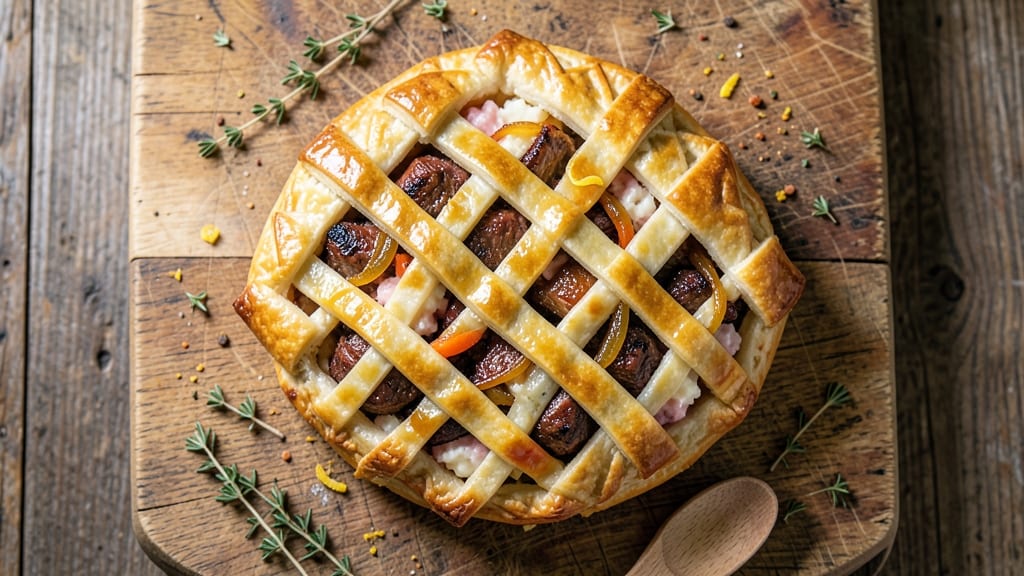
This beef and potato pasty recipe delivers the flaky crust and hearty filling that makes it a beloved handheld classic. The secret lies in a well-laminated dough that creates those signature crispy layers while encasing tender beef, potatoes, and aromatic herbs.
I've perfected this technique after years of testing—no more soggy crusts or dry fillings. What sets this recipe apart is the balance between a sturdy yet delicate pastry and a savory filling that's rich without being heavy.
The beef gets perfectly browned before being layered with potatoes and seasonings, ensuring every bite is packed with flavor. The dough's high fat content creates that signature flakiness, while a proper fold ensures it holds its shape during baking.
By the time it emerges from the oven, you'll have a pasty with a golden, crispy exterior and a filling that's tender yet substantial. The aroma alone will have everyone gathering around your table, and the handheld format makes it perfect for picnics, game days, or a comforting weeknight dinner.
Serve it hot with a side of gravy or enjoy it straight from the oven—just be prepared for requests to make more. The beauty of this recipe is its versatility, whether you're making it traditionally or adapting it to your favorite fillings.
Ingredients for beef and potato pasty
Fourteen simple ingredients transform into a golden, flaky pasty with tender beef and potatoes inside.
| Ingredient | Amount | Notes |
|---|---|---|
| All-Purpose Flour 🌾 | 4 cups | For sturdy yet flaky dough |
| Unsalted Butter 🧈 | 1 cup | Cold, cubed for lamination |
| Ice Water 💧 | ½ cup | For proper dough consistency |
| Salt 🧂 | 1 tsp | Kosher or sea salt |
| Ground Black Pepper 🌶️ | ½ tsp | Freshly ground preferred |
| Dried Thyme 🌿 | 1 tsp | Or 1 tbsp fresh thyme leaves |
| Ground Allspice 🌶️ | ¼ tsp | For subtle warmth |
| Ground Beef 🥩 | 1 lb | 80/20 fat ratio preferred |
| Yellow Onion 🧅 | 1 whole | Diced, for filling |
| Russet Potatoes 🥔 | 2 lbs | Peeled and cubed |
| Garlic Cloves 🧄 | 3 cloves | Minced for filling |
| Beef Stock 🍲 | ½ cup | Low-sodium preferred |
| Olive Oil 🫒 | 1 tbsp | For browning beef |
| Fresh Parsley 🌿 | ¼ cup | Chopped, for garnish |
The dough is where the magic happens. King Arthur flour or Bread Saver's work best for that signature flaky texture—high protein helps hold the layers. For the butter, Plugrá or Land O'Lakes are reliable, but any unsalted will do. Keep those butter cubes cold (even if they're in the fridge)—warm butter = tough pasty. The ice water is non-negotiable; room temp water makes the dough sticky and hard to handle. Pro tip: freeze your butter cubes for 20 minutes before starting to keep them extra cold.
No beef stock? Low-sodium chicken broth works in a pinch, though the flavor won't be quite as rich. Swapping potatoes? Yukon golds or sweet potatoes add natural sweetness, but russets hold their shape best. Fresh thyme is ideal, but dried works at one-third the amount. The allspice is subtle but essential—if you can't find it, cinnamon at half the amount gives a similar warmth. For the beef, 80/20 fat ratio is key. Lean ground beef will make your crust soggy. And if you're short on parsley, fresh chives work beautifully for garnish.
This dough can be prepped a day ahead and kept wrapped in plastic in the fridge. Don't roll it out yet—just store the dough disc. The filling needs to be assembled right before baking, though. Pasties keep for 3 days in the fridge, wrapped tightly in foil. For freezing, bake first, then store in an airtight container for up to 3 months. Reheat in a 350°F oven for 15 minutes. The best part? They reheat perfectly—often better than fresh out of the oven.
Why You'll Love This Recipe
- No-Fuss Dough: I swear by that cold butter and ice water trick—it keeps the crust flaky without fuss. Roll it out once, fold it once, and you’ve got a sturdy wrapper that holds its shape even when packed with beef and potatoes.
- Crispy-Creamy Magic: The butter in the crust melts into golden layers while the filling stays juicy—flaky on top, tender inside. Honestly, that contrast is what makes it feel like a restaurant dish, not a weeknight meal.
- Picnic or Potluck Hero: Between us, these pasties are my go-to for tailgates, family reunions, or just a lazy Sunday. They travel well, reheat beautifully, and no one judges if you eat one straight from the oven with your hands.
- Budget-Friendly Feast: Ground beef and potatoes stretch into a filling meal that costs less than takeout. I’ll be real: the crust might look simple, but that buttery dough makes it feel special—without breaking the bank.
Step-by-step instructions for beef and potato pasty
Here's how to build a pasty with a golden crust and tender filling—every layer matters.
Make the Flaky Dough
In a large bowl, combine the 4 cups all-purpose flour, 1 tsp salt, 0.5 tsp ground black pepper, 1 tsp dried thyme, and 0.25 tsp ground allspice. Cut in the 1 cup unsalted butter using a pastry cutter or your fingers until the mixture resembles coarse crumbs with pea-sized butter pieces. This creates pockets for steam during baking.
Gradually add the 0.5 cup ice water, 1 tablespoon at a time, mixing gently with a fork until the dough just comes together. Avoid overworking—just until it holds when pressed. Shape into a disk, wrap in plastic, and chill for 30 minutes. The cold dough prevents shrinking when rolled out later.
Prepare the Savory Filling
Heat the 1 tbsp olive oil in a large skillet over medium-high heat. Add the 1 lb ground beef and cook, breaking it apart with a wooden spoon, until browned—about 5-6 minutes. Drain excess fat, leaving about 1 tablespoon in the pan.
Add the 1 whole yellow onion, diced, and cook for 3 minutes until softened. Stir in the 3 cloves garlic cloves, minced, and cook for 30 seconds until fragrant. Remove from heat and mix in the 0.5 cup beef stock and 2 lbs russet potatoes, peeled and cubed. The potatoes will absorb the juices as the pasty bakes.
Assemble the Pasty
Roll out half of the chilled dough on a floured surface to an 11x15-inch rectangle. Pile the beef-potato mixture in the center, leaving a 2-inch border. Fold the short sides inward, then roll tightly from the bottom up, sealing the edges with a fork. Trim excess dough and flatten the top.
Brush the top with a little water, then roll out the remaining dough and place it over the top. Press the edges firmly to seal, then use a sharp knife to score a decorative pattern. This prevents cracking and adds visual appeal. Let it rest for 10 minutes before baking.
Bake to Golden Perfection
Preheat your oven to 375°F. Place the pasty on a parchment-lined baking sheet and bake for 50-55 minutes until the crust is deep golden brown and the potatoes are tender when pierced with a knife. The filling should be bubbling hot inside.
Remove from the oven and let rest for 10 minutes before slicing. This resting time allows the filling to set slightly, making it easier to serve. Garnish with 0.25 cup fresh parsley, chopped, right before serving. The crust should be crisp, the meat juicy, and the potatoes perfectly tender.
Pro Tips For Making Beef And Potato Pasty
- Chill the Dough First: I used to slap that pasty dough together straight from the fridge, thinking I was saving time—big mistake. Let the dough rest in the fridge for 30 minutes after mixing. This relaxes the gluten, so it doesn’t fight you when rolling it out thin. Trust me, your crust will be actually crispy, not chewy.
- Use Cold Butter, Not Warm: That unsalted butter in your dough? Keep it cold. Cut it into small cubes and toss them into the flour before adding water. Warm butter melts too fast, making the crust greasy instead of flaky. I learned this the hard way after a pasty that tasted more like a biscuit than a proper crust.
- Don’t Overwork the Filling: Once you’ve layered the beef and potatoes inside, resist the urge to press them down tight. Packing the filling too much causes the crust to burst or steam out when baking. Just tuck it in loosely—like a cozy nest, not a sardine can.
- Bake on High Heat: Start that pasty at 425°F (220°C) for the first 15 minutes, even if you’re nervous about burning. High heat crisps the crust faster and seals in the juices before the filling gets soggy. After that, drop to 375°F (190°C) to finish cooking. I was skeptical until I tried it—now it’s non-negotiable.
Flavor customization for this beef and potato pasty
Spice Level Boost
For a kick of heat, add ½ teaspoon cayenne pepper or 1 teaspoon smoked paprika to the filling. I love the depth smoked paprika brings—it pairs perfectly with the beef and potatoes.
If you're feeling adventurous, try ½ teaspoon chipotle powder for a smoky, spicy twist that’ll make your pasty stand out. 🌶️
Herb Variations
Swap out thyme for 1 tablespoon fresh rosemary or 1 teaspoon dried sage for a more earthy, aromatic flavor. Fresh rosemary adds a piney note that complements the beef beautifully.
For a brighter taste, mix in 1 tablespoon fresh parsley along with the thyme—it adds freshness that cuts through the richness.
Cheesy Twist
Add ½ cup shredded sharp cheddar or ½ cup crumbled feta to the filling for a creamy, tangy contrast. Sharp cheddar melts into the potatoes and beef, creating pockets of gooey goodness.
Feta adds a salty punch that brightens the whole dish. Just sprinkle it on top of the filling before sealing the pasty.
Vegetable Add-Ins
Incorporate 1 cup diced carrots or 1 cup chopped kale for extra texture and nutrients. Carrots add natural sweetness that balances the savory filling, while kale introduces a slight bitterness that enhances the overall flavor. Both work well when added raw to the filling—they’ll soften perfectly during baking.
Umami Depth
Boost the savory profile with 1 tablespoon soy sauce or 1 teaspoon Worcestershire sauce in the filling. These add a deep, complex umami flavor that elevates the beef and potatoes.
For a vegetarian option, swap the beef for 1 lb lentils and use 1 tablespoon miso paste instead of soy sauce—it’s a game-changer for flavor. 💫
Sweet-Savory Balance
Add ½ cup diced apples or ½ cup sautéed onions caramelized with 1 tablespoon brown sugar for a touch of sweetness. The apples add a crisp, fresh contrast, while the caramelized onions bring a rich, buttery depth.
This works especially well if you’re serving the pasty with a tangy side like pickled vegetables or a sharp mustard sauce.
Nutrition facts
Frequently asked questions
Can I make the pasty dough ahead of time?
Yes! The dough can be prepared up to 24 hours in advance and stored wrapped in plastic in the fridge. Just let it sit at room temperature for 10 minutes before rolling out to make it more pliable. The filling should always be assembled fresh before baking, though.
Why is my pasty crust soggy instead of crispy? Soggy crusts usually happen when the filling releases too much moisture. Use 80/20 ground beef (not lean) and pat the potatoes dry before adding them. Also,
How do I make this recipe vegetarian?
Swap the beef for 1 lb lentils or mushrooms and use 1 tablespoon miso paste instead of soy sauce for umami depth. For extra richness, add ½ cup nutritional yeast to the filling. The dough and baking method stay exactly the same—just adjust seasoning to taste.
Can I freeze a cooked pasty?
Let the pasty cool completely, wrap tightly in foil, then store in an airtight container for up to 3 months. To reheat, bake at 350°F for 15-20 minutes until the crust is crispy again. Frozen pasties reheat beautifully—often even better than fresh!
What's the difference between a pasty and a meat pie?
Pasties have a single crust (folded and sealed), while meat pies typically use top and bottom crusts. The Cornish pasty tradition calls for a half-moon shape with no crimping, while meat pies are often rectangular or round. Both are delicious, but pasties are more portable!