
Main Courses
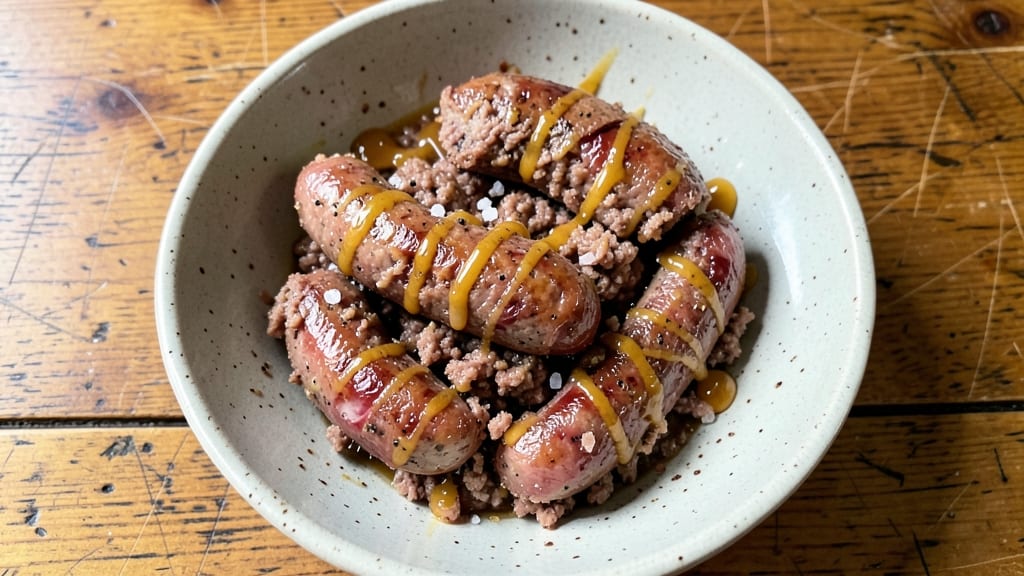
This beef and pork summer sausage recipe transforms humble ingredients into a rustic, smoky-spiced masterpiece with a crusty exterior and tender heart—just like my grandmother used to make in the Georgia hills.
The process might sound intimidating, but breaking it down into manageable steps makes it achievable for any home cook willing to embrace the tradition. What starts as raw meat and simple seasonings becomes something deeply satisfying, perfect for holiday gatherings or weekend projects.
At its core, summer sausage is all about low-and-slow preservation—a technique that dates back centuries in Southern cooking. We'll grind the meat, blend it with traditional spices (think black pepper, nutmeg, and a touch of mustard powder), and stuff it into casings before letting it ferment and dry.
The key to success lies in precision: using a meat grinder, maintaining proper temperatures, and ensuring the sausage develops that signature crusty bark without drying out completely. It's a labor of love, but the results are worth every minute.
What you'll end up with is a versatile, shelf-stable sausage that can be sliced thin for charcuterie boards, grilled for sandwiches, or served with mustard and pickles.
The smoky aroma alone will draw people to your kitchen, and the crusty texture paired with the tender meat inside creates a contrast that's impossible to resist. This recipe isn't just about making sausage—it's about preserving a piece of Southern tradition in every bite.
Whether you're a seasoned pitmaster or a curious beginner, the process is foolproof when you follow the steps carefully. We'll cover everything from equipment essentials (like a sausage stuffer and scale) to safety tips (like acidification and proper drying times) to ensure your summer sausage turns out perfectly every time.
Let's get started on this rewarding project that yields a product you'll be proud to share.
Ingredients for beef and pork summer sausage
Humble cuts and bold spices come together for rustic, smoky-sausage perfection.
| Ingredient | Amount | Notes |
|---|---|---|
| Ground Beef (80% lean, 20% fat) 🥩 | 1 ½ lb | Coarse grind preferred |
| Ground Pork (coarse grind) 🐖 | 1 ½ lb | Freshly ground for best texture |
| Yellow Mustard 🍯 | ¼ cup | For binding and tang |
| Granulated Sugar 🍚 | ½ cup | For fermentation control |
| Coarse Kosher Salt 🧂 | 2 tbsp | Diamond Crystal preferred |
| Ground Black Pepper 🌶️ | 2 tbsp | Freshly cracked preferred |
| Ground Nutmeg 🌿 | 1 tsp | Freshly grated for depth |
| Ground Ginger 🌿 | 1 tsp | Freshly ground preferred |
| Mustard Powder 🌶️ | 1 tsp | For authentic Southern flavor |
| Garlic Powder 🧄 | 1 tsp | Freshly ground preferred |
| Natural Hog Casings 🧵 | 1 package | 22-24mm diameter preferred |
| Ice Water 💧 | 1 cup | For mixing and binding |
| Apple Cider Vinegar 🍎 | 1 tbsp | For acidification and preservation |
The meat is everything here. Freshly ground beef and pork from your butcher's counter (not pre-packaged) makes all the difference—look for 80/20 fat ratio for that juicy bite. I always grab mine at Whole Foods or my local H-E-B meat counter, where they'll grind it fresh on the spot. The casings? Natural hog casings are non-negotiable for that authentic Southern texture. Soak them in warm water for 30 minutes before using. Don't skimp on the coarse grind—fine-ground meat won't develop that signature crusty bark.
No fresh spices? Penzeys Spices has the best pre-ground options, but honestly, the grocery store stuff works fine if you toast it first. Running low on vinegar? Lemon juice works in a pinch, but stick to apple cider for that classic tang. The mustard? Yellow mustard powder is traditional, but a splash of prepared mustard in the mix adds binding power. If you're making a big batch, double the sugar—it helps control fermentation and keeps the sausage stable. Pro tip: Mix the dry ingredients first, then add the wet—prevents clumping like crazy.
This isn't a quick project—plan for at least 5 days of drying time. Store your finished sausage in the fridge for up to 2 weeks or freeze for 6-12 months. Wrap individual links in parchment paper first, then foil, to prevent freezer burn. The crust gets crunchier over time, so if you're impatient, bake at 300°F for 15 minutes before serving. Leftovers? Slice thin for charcuterie boards or crumble into pasta dishes—just don't tell anyone it's homemade.
Why You'll Love This Recipe
- No-Fuss Mixing: I swear by the 80/20 beef and coarse pork grind—just toss them raw with mustard, sugar, and salt, then pulse in a food processor. No kneading, no fuss, and zero cleanup beyond a quick wipe-down.
- Sweet-Savory Magic: That yellow mustard and sugar combo? It’s the secret weapon—bright, tangy, and just enough sweetness to balance the rich pork and beef. Honestly, the flavor builds as it cooks, and the final bite is dangerously addictive.
- Packable Anywhere: Between us, this stuff is my go-to for picnics, tailgates, or even a lazy Sunday spread. Wrap it in parchment, toss it in a cooler, and it stays perfect for hours—no reheating needed.
- Budget Stretch: A pound of beef and pork goes a long way, and the ingredients cost pennies. I make a double batch, slice it thin, and freeze half—meaning fewer grocery runs and more leftovers that taste just as good cold as they do warm.
Step-by-step instructions for smoky-spiced summer sausage
Here's how to craft perfectly seasoned, crusty-textured summer sausage with bold Southern flavors.
Combine Meats and Prepare the Mixing Bowl
In a large stainless steel mixing bowl, combine the 1.5 lb ground beef (80% lean, 20% fat) and 1.5 lb ground pork (coarse grind). I like to use my hands for this step—it helps distribute the fat evenly and creates a more uniform texture. The coarse grind of the pork is crucial here; it creates that satisfying bite you want in summer sausage.
Place the bowl in the refrigerator for 15-20 minutes to chill the meats slightly. This helps prevent the mixture from becoming too greasy during mixing. While it chills, prepare your workspace by laying out all ingredients and tools within easy reach—this keeps the process efficient and prevents cross-contamination.
Mix the Seasoning Blend and Incorporate Wet Ingredients
In a separate small bowl, whisk together the 2 tbsp coarse kosher salt, 2 tbsp ground black pepper, 1 tsp ground nutmeg, 1 tsp ground ginger, 1 tsp mustard powder, 1 tsp garlic powder, 0.5 cup granulated sugar, 0.25 cup yellow mustard, and 1 tbsp apple cider vinegar. The sugar might seem unusual, but it's essential for controlling fermentation and creating that sweet-savory balance.
Add the seasoning mixture to the chilled meat mixture and combine thoroughly using your hands. Work the seasonings into the meat until completely distributed—you should see even color throughout. Then gradually add the 1 cup ice water while mixing continuously. The ice water helps bind the mixture and prevents it from becoming too dry during stuffing.
Stuff the Casings and Create Uniform Links
Soak the natural hog casings in cool water for 10-15 minutes until pliable. Thread the casing onto a sausage stuffer or funnel, leaving about 6 inches of casing empty at the end. Begin stuffing the meat mixture into the casing, applying gentle but firm pressure to fill it evenly. I like to stuff at medium speed—too fast creates air pockets, too slow makes the process tedious.
As you stuff, twist the casing every 6-8 inches to create individual links. Use your fingers to pinch and seal each twist tightly. For the final link, tie off the remaining casing with kitchen twine. The links should be about 4-5 inches long—this size gives you perfect bite-sized pieces when sliced. If any air bubbles form, gently press them out before sealing.
Ferment and Develop Flavor
Place the stuffed sausages on a wire rack set over a tray to catch any drippings. Cover loosely with plastic wrap and refrigerate for 24-48 hours. This fermentation period allows the flavors to meld and develop that characteristic tangy depth. The sausages should feel slightly firm but still yield slightly when pressed—this indicates proper fermentation.
After fermentation, remove the sausages from the refrigerator and let them sit at room temperature for 30 minutes before cooking. This step ensures even cooking and prevents cracking during the smoking process. The sausages are now ready for smoking, which will give them that signature crusty texture and smoky aroma.
Smoke for Crusty Perfection
Preheat your smoker to 180°F using hickory or apple wood chips. Arrange the sausages on the smoker grates, leaving space between each link for proper airflow. Smoke for 2-3 hours, maintaining the temperature between 170-180°F. You'll know they're ready when the casings develop a deep, golden-brown crust and the internal temperature reaches 160°F.
Remove the sausages from the smoker and let them rest for 10 minutes before slicing. This resting period allows the juices to redistribute, ensuring each bite is moist and flavorful. Slice into ¼-inch thick rounds and serve immediately with crusty bread or your favorite dipping sauce. The result should be sausages with a satisfying snap, rich smoky flavor, and perfectly balanced seasoning.
Pro Tips For Making Beef And Pork Summer Sausage
- CHILL THE MEAT FIRST: Mixing ground beef and pork straight from the fridge into your sausage batch? Bad idea. Let both meats sit at room temperature for 15-20 minutes before combining—this ensures even cooking and prevents a dry, uneven texture. (Yes, even if you're impatient like me, the wait guarantees better results.)
- WEIGH THE MUSTARD: Don’t eyeball the yellow mustard—use a kitchen scale for precision. For every pound of meat mix, aim for 1.5 tablespoons of mustard (about 20g). Too little and your sausage lacks that signature tang; too much and it overpowers the beef-pork balance. (I learned this after making a batch that tasted like a mustard sandwich.)
- SALT IN STAGES: Add half the kosher salt directly to the raw meat mix, then reserve the rest for the final kneading. This lets the salt break down the proteins gradually, improving texture without making the sausage tough. (My grandmother swore by this, and she was right—skipping it makes the sausage feel dense.)
- SEAR THE LOAF HOT: Don’t simmer your shaped sausage in broth—sear the outside hard in a dry skillet over medium-high heat for 3-4 minutes per side before adding liquid. This locks in moisture and builds a crust that keeps the sausage from falling apart when sliced. (I was skeptical until I tried it—now it’s non-negotiable.)
Best sauces and condiments for beef and pork summer sausage
Classic Mustard Sauce
My go-to pairing is a simple yet bold yellow mustard sauce—just mix ½ cup yellow mustard with ¼ cup apple cider vinegar and a pinch of sugar to balance the tang. Thin with 2-3 tablespoons warm water until it reaches a creamy consistency.
This sauce cuts through the sausage's richness while enhancing its smoky depth. I like to serve it warm, especially with crusty sourdough or cornbread. 🌶️
For extra richness, stir in 1 tablespoon melted butter or a splash of heavy cream—this adds a velvety texture that pairs beautifully with the crusty exterior. If you're feeling adventurous, add a dash of smoked paprika to echo the sausage's smoky notes. Trust me, this sauce elevates every bite.
Spicy Honey Glaze
When I want to highlight the sausage's sweet-savory balance, I turn to a spicy honey glaze. Combine ¼ cup honey with 1 tablespoon apple cider vinegar and ½ teaspoon cayenne pepper in a small saucepan.
Simmer over low heat for 5 minutes until slightly thickened. Brush this glaze over the sausages during the last 15 minutes of smoking—it caramelizes beautifully, creating a sticky, glossy finish.
This glaze works wonders on a charcuterie board or as a dipping sauce. The heat from the cayenne wakes up your palate, while the honey adds a touch of sweetness that complements the sausage's nutmeg and black pepper.
I often pair it with sharp cheddar slices and pickled jalapeños for a Southern-inspired spread. 🍯
Smoky Chipotle Aioli
For a creamy, smoky kick, whip up a chipotle aioli that’s perfect for dipping or spreading. Mix ½ cup mayonnaise with 1 tablespoon adobo sauce (from canned chipotles), 1 teaspoon smoked paprika, and a pinch of salt.
For extra depth, add 1 teaspoon lime juice and ½ teaspoon honey. This aioli adds a smoky, slightly spicy contrast that’s irresistible with the crusty sausage.
I love using this aioli as a spread on toasted baguette slices or as a dip for sliced sausage rounds. The creaminess balances the sausage's crusty texture, while the chipotle heat adds a layer of complexity.
If you're serving this at a gathering, prepare the aioli ahead of time—it tastes even better after the flavors meld for a few hours. 🔥
Sweet and Tangy BBQ Sauce
No Southern spread is complete without BBQ sauce, and this one is a crowd-pleaser. Simmer ½ cup ketchup, ¼ cup apple cider vinegar, 2 tablespoons brown sugar, 1 tablespoon molasses, 1 teaspoon smoked paprika, and ½ teaspoon garlic powder until thickened.
This sauce is sweet, tangy, and just smoky enough to tie everything together.
Use it as a dipping sauce or a glaze—brush it on the sausages during the last 30 minutes of smoking for a sticky, caramelized finish. I often serve it with coleslaw and corn on the cob for a full Southern meal.
The sauce’s depth makes the sausage taste even more luxurious, and it’s easy to double for leftovers. 🍔
Nutrition facts
Frequently asked questions
Can I substitute pork with chicken in this recipe?
While you can technically use chicken, it won't yield the same rich, flavorful results. The fat content and texture of pork and beef are essential for that classic summer sausage experience. If you're set on using chicken, try a 50/50 blend with beef and add an extra 1 tablespoon of mustard powder to compensate for the leaner meat. The crust will be less pronounced, but the flavor will still be delicious.
How do I know when my summer sausage is properly fermented?
The sausages are ready when they feel slightly firm but still yield slightly when pressed—like a ripe avocado. After 24-48 hours in the fridge, they should develop a mild tang (not sour) and hold their shape well. If they feel too soft, ferment for another 12 hours. Over-fermented sausage can become too acidic and dry, so check them regularly.
What’s the best way to store homemade summer sausage?
For short-term storage, keep them in the fridge wrapped in parchment paper for up to 2 weeks. For longer storage, freeze them in individual links wrapped tightly in plastic wrap and foil. They’ll keep for 6-12 months this way. Thaw overnight in the fridge—never at room temperature—to preserve texture and flavor.
Can I skip the smoking step and just bake the sausage?
You can bake it, but you’ll miss the signature smoky flavor and crusty texture. If you must, bake at 300°F for 20-25 minutes until the internal temperature reaches 160°F. For extra flavor, brush with a mix of 1 tablespoon olive oil and 1 teaspoon smoked paprika before baking. The result won’t be as authentic, but it’s still delicious!
What’s the deal with the sugar in the recipe?
The sugar isn’t just for sweetness—it’s crucial for controlling fermentation and balancing the salt. It helps create that sweet-savory flavor profile while preventing the sausage from becoming too dry. If you’re avoiding sugar, reduce it to ¼ cup and add ½ teaspoon of citric acid to help with preservation. The texture may be slightly different, but the flavor will still be bold.