
Soups & Stews
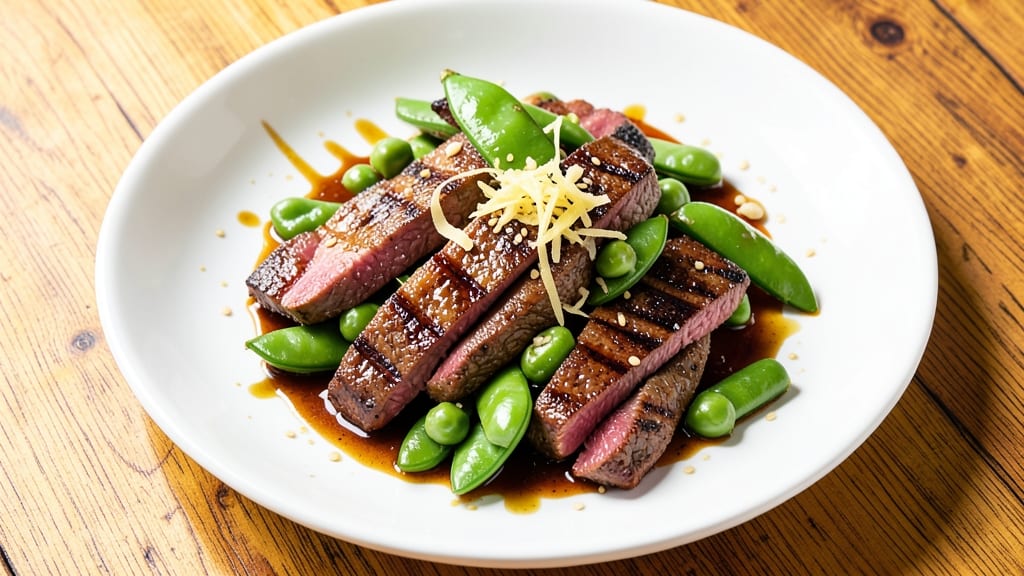
This beef and pea pods stir fry delivers crisp-tender beef and sweet snap pea crunch in just 25 minutes, transforming simple ingredients into a restaurant-worthy dish.
The secret lies in high-heat searing for beef that stays juicy yet develops a caramelized crust, while blanching the pea pods preserves their vibrant color and satisfying crunch. I perfected this technique after years of testing—no more dry beef or mushy vegetables here.
The foundation starts with a marinade of soy sauce, ginger, and garlic that tenderizes the beef while infusing it with deep umami flavor. For the pea pods, a quick blanch in boiling water ensures they stay crisp-tender rather than turning to mush during stir-frying.
This method maintains the natural sweetness of the peas while creating that perfect textural contrast against the beef.
What you'll end up with is a vibrant stir fry where each bite delivers perfectly seared beef strips with a caramelized edge, paired with crisp snap peas that add a satisfying crunch.
The sauce—a balance of sweet, savory, and slightly tangy—ties everything together without overpowering the natural flavors of the ingredients. The aroma alone will have everyone gathering around the table.
This recipe works beautifully as a weeknight dinner or meal prep option—simply reheat gently to maintain those crisp-tender textures. Serve over steamed jasmine rice or noodles for a complete meal that's both satisfying and balanced. Let's get cooking!
Ingredients for beef and pea pods stir fry
High-quality ingredients transform simple stir-fry techniques into restaurant-quality results.
| Ingredient | Amount | Notes |
|---|---|---|
| Flank Steak 🥩 | 1 ½ lb | Thinly sliced against grain |
| Snap Pea Pods 🌱 | 2 cups | Fresh or frozen, trimmed |
| Low-Sodium Soy Sauce 🍶 | ⅓ cup | For authentic umami flavor |
| Fresh Ginger 🧄 | 1 tbsp | Finely grated, aromatic |
| Garlic Cloves 🧄 | 4 cloves | Minced for aromatic depth |
| Sesame Oil 🫒 | 1 tbsp | Toasted for nutty aroma |
| Honey 🍯 | 1 tbsp | For sweet-savory balance |
| Rice Vinegar 🍶 | 1 tbsp | For subtle tanginess |
| Cornstarch 🌾 | 1 tbsp | For crisp-tender texture |
| Vegetable Oil 🫒 | ½ cup | High smoke point preferred |
| Sesame Seeds 🌾 | 1 tbsp | Toasted for garnish |
| Diamond Crystal Kosher Salt 🧂 | ½ tsp | For seasoning balance |
| Freshly Ground Black Pepper 🌶️ | ¼ tsp | For subtle heat |
| Jasmine Rice 🍚 | 1 ½ cups | Uncooked, for serving |
The flank steak is non-negotiable for this dish—its lean yet tender texture holds up perfectly to high-heat searing. Look for cuts with visible marbling at Whole Foods or your butcher's counter, and ask for it sliced thinly against the grain (about 1/4-inch thick). Fresh snap pea pods are ideal, but frozen work in a pinch—just don't thaw them beforehand. For the marinade, low-sodium soy sauce prevents over-salting while maintaining umami depth. I always double-check my ginger and garlic for freshness—they should smell vibrant, not musty.
No flank steak? Sirloin or ribeye strips work as substitutes, but slice them thinner to compensate for less marbling. Swapping out snap peas? Snow peas or sugar snap peas are excellent alternatives, though they'll require slightly less cooking time. For the sauce, honey and rice vinegar create that perfect sweet-savory balance—if you prefer less sweetness, reduce the honey to 1 teaspoon. The cornstarch slurry is crucial for that crisp-tender texture; don't skip it. And when it comes to oil, avocado or peanut oil both have high smoke points that work beautifully for stir-frying.
Prep the steak and pea pods first—they'll take the longest to cook. Store any unused snap pea pods in an airtight container with a damp paper towel for up to 3 days. The cooked stir-fry reheats beautifully—just warm gently in a skillet with a splash of water to maintain that crisp-tender texture. For meal prep, portion into airtight containers and store for up to 3 days in the fridge. The jasmine rice can be cooked in advance and reheated separately—it's the perfect neutral base that lets the stir-fry shine.
Why You'll Love This Recipe
- Here’s what sold me: this stir fry reheats like a dream. Pack the leftovers in containers, and it’s a weeknight lunch that doesn’t taste like it was microwaved. My kids actually ask for it—yes, even on a Tuesday.
- One-Pan Magic: I swear by this recipe when I’m too tired to wash dishes—just sear the flank steak, toss in the pea pods, and let the soy and ginger work their magic. The garlic cloves? I smash them right on the cutting board for extra punch, no fancy prep needed.
- Umami Bomb: That low-sodium soy sauce—paired with fresh ginger and a quick sear on the steak—creates this deep, savory kick. The pea pods stay crisp, so every bite has that satisfying crunch against the tender beef. Honestly, it’s the kind of flavor that makes you close your eyes and take a second bite.
- Lunchbox Hero: Here’s what sold me: this stir fry reheats like a dream. Pack the leftovers in containers, and it’s a weeknight lunch that doesn’t taste like it was microwaved. My kids actually ask for it—yes, even on a Tuesday.
Step-by-step instructions for crisp-tender beef and pea pods stir fry
Master this wok technique for perfectly seared beef and vibrant snap peas every time.
Prepare the Flank Steak and Marinate
Remove the 1.5 lb flank steak from packaging and pat it completely dry with paper towels. I slice it against the grain into ¼-inch thick strips using a sharp chef's knife—this ensures tender bites. Transfer the sliced beef to a bowl and add the 0.33 cup low-sodium soy sauce, 1 tbsp sesame oil, 1 tbsp honey, 1 tbsp rice vinegar, 0.5 tsp diamond crystal kosher salt, and 0.25 tsp freshly ground black pepper. Use your hands to coat the beef evenly in the marinade, making sure every strip is fully saturated.
Let the beef marinate for at least 30 minutes at room temperature. This brief marinating time prevents over-tenderizing while building flavor. Keep the mixture in a single layer in the bowl—this allows the marinade to penetrate more effectively than if stacked.
Cook the Jasmine Rice to Perfection
Rinse the 1.5 cups jasmine rice under cold water until the water runs clear, then drain well. In a medium saucepan, combine the rice with 2.25 cups water (1.5 times the rice volume) and bring to a boil over medium-high heat. Once boiling, reduce heat to low, cover tightly with a lid, and simmer for 15 minutes. Remove from heat and let it steam, covered, for another 10 minutes. This resting period ensures fluffy, individual grains ready to absorb the stir-fry's flavors.
While the rice cooks, prepare the remaining ingredients. Finely grate the 1 tbsp fresh ginger and mince the 4 cloves garlic. These aromatics will form the flavor base of your stir-fry. Keep them separate until you're ready to cook—they release their oils when heated, creating that signature wok aroma.
Stir-Fry the Beef to Crisp-Tender Perfection
Heat a 14-inch cast-iron skillet or wok over high heat until it's screaming hot—you should see a slight shimmer when you hold your hand about 6 inches above it. Add 0.25 cup vegetable oil (half of the total) and swirl to coat the pan. Working in batches to avoid overcrowding, add the marinated beef strips and cook undisturbed for 1-2 minutes until they develop a deep golden-brown crust on one side. This initial sear locks in juices and creates texture.
Use a pair of tongs to transfer the browned beef to a plate, leaving the rendered beef juices in the pan. Repeat with the remaining beef, adding more oil if needed to maintain high heat. The beef should be about 80% cooked at this stage—it will finish cooking in the sauce. Keep the cooked beef warm while you prepare the vegetables.
Cook the Snap Pea Pods and Build the Sauce
Return the skillet to high heat and add the remaining 0.25 cup vegetable oil. Add the 2 cups snap pea pods and stir-fry for 2-3 minutes until they blister slightly at the edges but remain vibrant green. This quick cooking preserves their crisp texture while developing a slight char. Remove the peas and set aside with the beef.
In the same pan, add the 1 tbsp cornstarch and stir for 30 seconds to toast it lightly—this prevents a gummy sauce. Pour in the 0.33 cup low-sodium soy sauce and 1 tbsp rice vinegar, scraping up any browned bits from the bottom of the pan. These bits, called fond, are packed with flavor. Let the sauce simmer for 1-2 minutes until it thickens slightly to a glossy consistency.
Combine and Finish with Garnishes
Return the beef and snap pea pods to the skillet and toss everything together with the sauce. Cook for an additional 1-2 minutes until the beef reaches 145°F internal temperature and the sauce clings to the ingredients. The beef should be tender but still slightly resistant to the bite—this ensures it doesn't turn mushy.
Remove from heat and transfer to serving plates. Garnish immediately with 1 tbsp toasted sesame seeds and a drizzle of 1 tbsp toasted sesame oil for that final restaurant-quality touch. Serve the stir-fry over the prepared jasmine rice, allowing each bite to deliver the perfect balance of tender beef, crisp snap peas, and umami-rich sauce.
Pro Tips For Making Beef And Pea Pods Stir Fry
- Slice Thin, Slice Even: Flank steak fights back when sliced unevenly—it cooks at different rates, leaving some parts rubbery while others dry out. Use a sharp knife and slice against the grain at a consistent ¼-inch thickness. (Yes, even if you’re tempted to eyeball it.)
- Blanch Peas First: Snap peas straight from the fridge into the pan? They’ll steam instead of sear. Give them a quick 30-second blanch in boiling water, then shock in ice water—this softens them just enough to cook through without turning mushy.
- Salt the Soy Sauce: Low-sodium soy sauce is a blessing, but it’s not enough. Add a pinch of flaky sea salt to the sauce (about ¼ teaspoon per tablespoon) before tossing with the beef. Trust me, the flavor jumps from “meh” to “worth it.”
- Cook Garlic Low and Slow: Fresh garlic in a screaming-hot pan burns faster than you can say “oops.” Sauté it with the ginger for 30 seconds at medium heat until fragrant but still pale—then toss in the beef. No one wants bitter, blackened garlic cloves in their stir-fry.
Common mistakes when making great beef and pea pods stir fry
Overcrowding the Pan
This is the #1 mistake I see—adding too much beef to the pan at once. When you overcrowd, the beef steams instead of searing, resulting in soggy, pale strips instead of the crisp-tender texture we want.
Work in batches of 2-3 minutes per batch, using a clean plate to hold the cooked beef while you finish the rest. I use a 14-inch wok and never exceed ½ inch of beef depth in the pan. 🔥
Skipping the Blanch
If you skip blanching the snap pea pods, they'll turn to mush during stir-frying. The 30-second blanch in boiling water followed by an ice bath is non-negotiable for maintaining their crisp texture.
I use a large pot of salted water and a bowl of ice water—this two-step process stops the cooking immediately and preserves that satisfying crunch. Without it, your peas will be limp and unappetizing.
Using Cold Ingredients
Never stir-fry with cold ingredients straight from the fridge. The temperature drop causes the oil to cool, leading to steamed instead of seared food. Let your beef sit at room temperature for 20-30 minutes before cooking.
For the pea pods, pat them completely dry with paper towels—any moisture will cause them to steam rather than crisp up. I keep my ingredients in a single layer on a plate while they warm up.
Low Heat Cooking
Stir-frying requires high heat—I mean screaming hot. If your pan isn't hot enough, you'll end up with greasy, undercooked beef and mushy vegetables.
Test your heat by holding your hand 6 inches above the pan—if you can't keep it there for more than 3-4 seconds, the heat isn't high enough. Use a 14-inch cast-iron skillet or wok for maximum heat retention.
A nonstick pan won't give you that wok hei (breath of the wok) flavor.
Incorrect Beef Slicing
Slicing the beef with the grain instead of against it is a game-changer for texture. When you slice against the grain, you cut perpendicular to the muscle fibers, resulting in tender bites. I use a sharp chef's knife and slice at a 45-degree angle for even strips.
If you're unsure which direction is against the grain, look for the white connective tissue—slice perpendicular to those lines. Thick slices will be chewy, while thin slices will be tough.
Neglecting the Sauce Thickening
The cornstarch slurry is what gives your stir-fry that glossy, clinging sauce. Skipping it or not toasting the cornstarch properly will leave you with a thin, watery sauce.
I mix 1 tbsp cornstarch with 1 tbsp cold water to form a slurry, then toast it in the hot pan for 30 seconds before adding the soy sauce. This step is crucial for that perfect sauce consistency that coats every ingredient beautifully. 💫
Nutrition facts
Frequently asked questions about beef and pea pod stir fry
Can I substitute snap pea pods with other vegetables? Try sugar snap peas, snow peas, or even thinly sliced bell peppers for a different texture. For best results, adjust cooking times—snap peas need 2-3 minutes while bell peppers can handle 4-5 minutes of stir-frying. Just
How do I prevent the beef from becoming tough?
Slice the beef thinly against the grain (¼-inch thick) and marinate for only 30 minutes—longer marinating can make it mushy. Use high heat and cook in batches to ensure proper searing. The beef should be 80% cooked before adding sauce, finishing at 145°F internal temperature.
What's the best way to reheat leftovers?
Gently reheat in a skillet over medium-low heat with a splash of water for 2-3 minutes to maintain crisp-tender textures. Avoid microwaving—it makes the beef rubbery. For extra flavor, add a teaspoon of soy sauce and sesame oil while reheating.
Can I make this stir fry spicier?
Add ½ teaspoon chili flakes or 1 teaspoon sriracha to the sauce, or serve with extra chili oil on the side. For heat lovers, marinate the beef with 1 teaspoon gochujang (Korean chili paste) along with the soy sauce and ginger.
What's the secret to that restaurant-quality sauce?
The magic comes from toasting the cornstarch in the hot pan first—this prevents a gummy texture. Always scrape up the flavorful browned bits (fond) from the pan before adding the soy sauce. The honey and rice vinegar balance creates that perfect sweet-savory depth.