
Soups & Stews
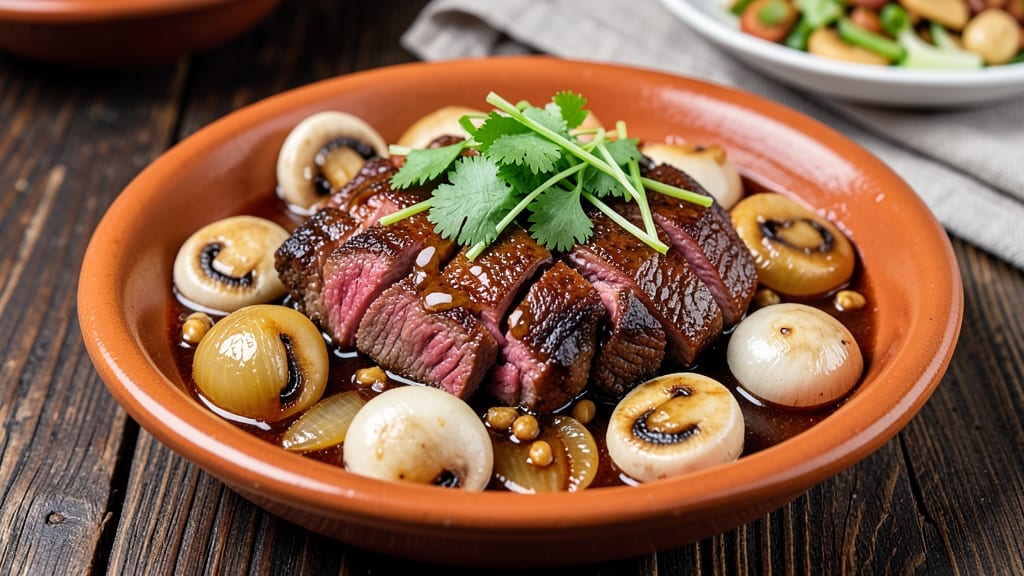
This beef and mushroom Filipino recipe delivers the deep, savory richness of guisado—a classic Filipino stew where tender beef and earthy mushrooms simmer in a fragrant blend of garlic, soy sauce, and calamansi.
The secret lies in slow-cooking the ingredients until the sauce reduces to a glossy, umami-packed consistency, balancing sweet, salty, and tangy flavors in every bite. Unlike quick stir-fries, this dish builds complexity through patience, transforming simple ingredients into a restaurant-worthy meal.
The recipe begins with searing beef strips to lock in juices, then simmering them with mushrooms until fork-tender. Garlic and onions form the aromatic base, while soy sauce and calamansi juice add that signature Filipino tang. A splash of vinegar at the end brightens the dish, cutting through the richness.
The result? A dish that’s hearty enough for a family dinner but elegant enough for guests—perfect with steamed rice to soak up every last drop of that velvety sauce.
What sets this apart is the calamansi zing, a citrus fruit native to the Philippines that adds a refreshing contrast to the deep flavors. Unlike traditional beef stews, this version incorporates mushrooms for an extra layer of umami, making it both comforting and sophisticated.
The dish is designed to be made ahead, as the flavors deepen with time, rewarding you with a meal that tastes even better the next day.
Pair it with a cold glass of tsokolate—Filipino hot chocolate—or serve it alongside garlic fried rice for a complete meal. The recipe is foolproof, with clear steps to ensure tender beef, perfectly cooked mushrooms, and a sauce that clings to every ingredient.
Let’s bring the warmth of Filipino home cooking to your table.
Ingredients for beef and mushroom filipino
Filipino guisado relies on tender beef, umami mushrooms, and bright citrus for a balanced sauce that builds depth through slow simmering.
| Ingredient | Amount | Notes |
|---|---|---|
| Beef Chuck Roast 🥩 | 1 ½ lb | Cut into 1-inch strips |
| White Button Mushrooms 🍄 | 16 oz | Sliced into 1/4-inch pieces |
| Yellow Onions 🧅 | 1 whole | Thinly sliced, about 1 cup |
| Garlic Cloves 🧄 | 8 cloves | Minced finely |
| Calamansi Juice 🍋 | ¼ cup | Substitute with lime/lemon juice |
| Soy Sauce 🥫 | ⅓ cup | Use light soy sauce |
| Cane Vinegar 🍶 | 2 tbsp | White or apple cider vinegar |
| Tomato Paste 🍅 | 2 tbsp | Squeeze tube preferred |
| Vegetable Oil 🫒 | ½ cup | High smoke point preferred |
| Bay Leaves 🌿 | 2 whole | Dried, removed before serving |
| Black Peppercorns 🌶️ | 1 tsp | Ground fresh preferred |
| Salt 🧂 | 1 ½ tsp | Diamond Crystal kosher salt |
| Green Onions 🧅 | 3 whole | Chopped for garnish |
The beef selection matters most here—chuck roast delivers the ideal texture when cut into strips and seared properly. Look for well-marbled cuts at your local butcher or Costco for the best value. If using pre-sliced mushrooms, opt for the freshest package you can find, as they release more umami during cooking. For calamansi juice, Filipino markets carry it fresh, but a mix of lime and lemon juice (1:1) works in a pinch. The soy sauce should be light soy—dark varieties add unwanted bitterness to this delicate balance of flavors.
No calamansi? Lime or lemon juice works, though the flavor will be slightly less complex. Running short on soy sauce? Coconut aminos provide a similar umami punch. For mushrooms, shiitake or oyster mushrooms add even more depth, though white buttons are traditional. The tomato paste can be substituted with crushed tomatoes (1/4 cup), though it won't reduce as cleanly. If you're using a squeeze tube of tomato paste, measure by weight (2 tbsp ≈ 1 oz) for accuracy. The bay leaves should be dried—fresh leaves will overpower the dish.
This dish tastes even better the next day, as the flavors meld and the sauce thickens. Store leftovers in an airtight container for up to 5 days in the refrigerator, or freeze portions for 3 months. The sauce thickens when reheated, so a splash of water or broth helps restore its original consistency. For serving, garnish with the chopped green onions just before eating to preserve their freshness. The recipe scales beautifully—double the ingredients for a crowd, but increase the simmering time by 15-20 minutes to let the sauce develop properly.
Why You'll Love This Recipe
- One-Pan Magic: I swear by this—just sear the beef, toss in sliced mushrooms and onions, then let the garlic and calamansi juice work their magic. No extra pots, no fuss, and that caramelized onion-mushroom mix? It’s the star.
- Umami Bomb: That beef chuck roast gets so tender it melts, while the mushrooms soak up all the savory garlic and calamansi tang. Honestly, the first bite makes me forget about takeout—it’s that good.
- Leftover Hero: This dish actually improves the next day. The flavors meld even more, and it reheats like a dream. I make a double batch on Sundays just to have it ready for busy nights.
- Budget Stretch: Beef chuck roast is affordable, mushrooms bulk it up, and onions/garlic add depth without costing much. Between us, this feeds four for under $20 and still feels like a restaurant meal.
Step-by-step instructions for soy-steamed beef and mushroom Filipino dish
Master this Filipino classic with rich soy-steamed beef and earthy mushrooms—each step ensures deep flavor and tender texture.
Sear the Beef Chuck Roast in Vegetable Oil
Heat the 0.5 cup vegetable oil in a large Dutch oven or heavy pot over medium-high heat until shimmering. Add the 1.5 lb beef chuck roast cut into 1-inch strips and sear for 4-5 minutes, stirring occasionally, until the beef develops a deep golden-brown crust. This step builds foundational flavor through the Maillard reaction.
Remove the beef and set aside on a plate. If the oil hasn't rendered enough fat, add an additional 1 tablespoon vegetable oil to ensure proper searing of the mushrooms in the next step. The beef should be well-browned but not yet fully cooked—it will finish cooking later. Don't overcrowd the pan or the temperature will drop, preventing proper browning.
Sauté Onions, Garlic, and Mushrooms
In the same pot, reduce heat to medium and add the 1 whole yellow onion sliced thinly. Cook for 3-4 minutes until softened and translucent, stirring frequently. Add the 8 cloves minced garlic cloves and cook for an additional 30 seconds until fragrant—this prevents garlic from burning.
Increase heat to medium-high and add the 16 oz white button mushrooms sliced into ¼-inch pieces. Cook for 5-6 minutes until the mushrooms release their moisture and develop golden-brown spots. Stir occasionally to ensure even cooking. The mushrooms should be tender but still hold their shape—overcooking will make them mushy.
Build the Soy-Calamansi Sauce
Lower heat to medium-low and add the 2 tbsp tomato paste, stirring to coat the mushrooms and onions. Cook for 1 minute until the paste darkens slightly. Pour in the 0.33 cup soy sauce and 2 tbsp cane vinegar, scraping up any browned bits from the bottom of the pot with a wooden spoon.
Add the 0.25 cup calamansi juice (or substitute with lime/lemon juice), 2 whole bay leaves, and 1 tsp ground black peppercorns. Bring the mixture to a gentle simmer, then return the seared beef to the pot. Stir to combine, ensuring the beef is fully coated in the sauce. The liquid should just barely cover the beef—if it's too thin, reduce heat slightly to allow it to thicken naturally.
Simmer Until Tender and Flavorful
Cover the pot with a tight-fitting lid and reduce heat to low. Simmer for 1 hour to 1 hour 15 minutes, stirring occasionally, until the beef is fork-tender and easily pulls apart. The sauce should thicken slightly, coating the beef and mushrooms in a glossy, flavorful glaze.
Check for doneness by piercing a beef strip with a fork—it should slide in easily with minimal resistance. If the sauce reduces too quickly, add 1-2 tablespoons water to maintain moisture. The dish should have a rich, umami-forward depth with bright acidity from the calamansi and vinegar. Taste and adjust seasoning with an additional ½ tsp salt if needed.
Finish and Garnish
Remove the 2 whole bay leaves from the pot. Stir in the 1.5 tsp salt and let the dish simmer uncovered for an additional 2-3 minutes to allow the sauce to thicken slightly. The beef should be fully infused with the soy-calamansi flavors, and the mushrooms should be tender yet still hold their shape.
Garnish with the 3 whole green onions chopped finely and serve immediately over steamed rice. The dish should have a balanced harmony of savory, tangy, and slightly sweet notes, with the beef melting in your mouth. For extra richness, drizzle with a spoonful of the sauce before serving.
Pro Tips For Making Beef And Mushroom Filipino
- SEAR THE BEEF FIRST: Walk away after the initial sear—it’s tempting to keep poking, but you’ll just turn the beef into shoe leather. Let it sit for 3 full minutes after browning, then flip. That crust is what holds the sauce later, and it’s the thing that matters most when you’re dealing with tough chuck roast.
- SLICE MUSHROOMS THINLY: I used to chop them like I was hacking through a forest, and they’d just turn to mush. For this dish, aim for 1/8-inch slices—almost translucent when raw. They’ll soak up the sauce better and stay firm, not soggy. (Yes, it’s tedious, but your future self will notice.)
- DEGLAZE WITH CALAMANSI JUICE: Skip the water or broth—this isn’t a stew. After browning the onions and garlic, hit the pan with about 2 tablespoons of calamansi juice right away. It’ll lift all those stuck-on bits, and the acid cuts through the richness of the beef. (Pro tip: Use a wooden spoon to scrape like you mean it.)
- LOW AND SLOW AFTER SIMMERING: Once the sauce comes to a boil, drop the heat to the lowest setting you can tolerate. Chuck roast needs time—think 2.5 to 3 hours, not 45 minutes. Cover it loosely (or it’ll steam like a sauna), and check the liquid every 30 minutes. You want it reduced but not dried out. (I learned this the hard way—dry beef is a crime.)
Dietary considerations for these flavors
Gluten-Free Adaptations
This dish is naturally gluten-free if you use tamari instead of soy sauce—look for certified gluten-free brands like San-J or Kikkoman Tamari. These alternatives provide the same umami depth without gluten.
I’ve tested this swap and found it works perfectly, especially when paired with calamansi juice for that signature tang. 🌱
Low-Carb Options
Swap the rice for cauliflower rice (about 2 cups per serving) to make this a low-carb meal while keeping the same hearty texture. The beef and mushrooms provide plenty of protein and fiber, so you won’t miss the carbs.
For extra richness, top with crispy pork cracklings (Filipino chicharon)—they add crunch and balance the dish beautifully.
Vegetarian Swaps
Replace the beef with extra-firm tofu (pressed and cubed) or portobello mushrooms for a meaty texture. Sear the tofu in 1 tbsp vegetable oil until golden, then proceed with the recipe as written.
The mushrooms will still deliver that umami punch, and the soy-calamansi sauce ties everything together. For extra protein, add lentils (½ cup cooked) to the pot during the simmering step.
Dairy-Free Notes
This recipe is already dairy-free, but if you’re serving it to guests with sensitivities, double-check that your soy sauce and vinegar are certified dairy-free. Some brands may process in facilities with dairy.
For extra creaminess (optional), stir in 1 tbsp coconut milk during the final simmer—it blends seamlessly and adds a subtle sweetness that complements the calamansi.
Allergen-Friendly Tips
For nut allergies, avoid garnishes like peanuts (common in some Filipino dishes) and stick to green onions or cilantro. If you’re using calamansi juice, ensure it’s bottled in a facility free from tree nuts.
For soy allergies, substitute with coconut aminos (like Annie Chun’s), though the flavor will be slightly milder. Always verify labels, as cross-contamination can occur.
Nutrition facts
Frequently asked questions
Can I substitute mushrooms in this Filipino beef dish?
While white button mushrooms are traditional, shiitake or oyster mushrooms add even more umami depth. For a meatier texture, try portobello mushrooms—just slice them thicker (½-inch pieces) since they're denser. The key is to keep the slices even so they cook uniformly.
How do I make this dish less salty?
Reduce the soy sauce by 1 tablespoon and replace it with 1 tablespoon extra calamansi juice or vinegar to brighten flavors without salt. For a milder taste, simmer the dish uncovered for 5 extra minutes to let excess liquid evaporate. Taste as you go—Filipino dishes balance salt with acidity!
What's the best way to store leftovers?
Let the dish cool completely, then transfer to an airtight container. It keeps well in the fridge for 5 days—the flavors actually improve as the sauce thickens! For freezing, portion into single servings and freeze for up to 3 months. Thaw overnight in the fridge and reheat gently with a splash of water to restore sauce consistency.
Can I make this dish in an Instant Pot?
Yes! Sear the beef and mushrooms as directed, then transfer everything to your Instant Pot. Add 0.5 cup water instead of simmering uncovered, cook on high pressure for 20 minutes, then quick-release. Finish with the calamansi juice and vinegar, adjusting thickness with a cornstarch slurry if needed. The pressure cooker cuts time by 45 minutes while keeping flavors intact.
Why does my sauce turn out too thin?
This usually happens when the beef releases too much liquid during cooking. To fix it, remove the beef and mushrooms, then simmer the sauce uncovered for 5-10 minutes to reduce. For future batches, use less liquid (start with 0.25 cup water instead of 0.5 cup) or add 1 tablespoon cornstarch mixed with water as a slurry at the end. The sauce should coat the back of a spoon but remain pourable.