
Soups & Stews
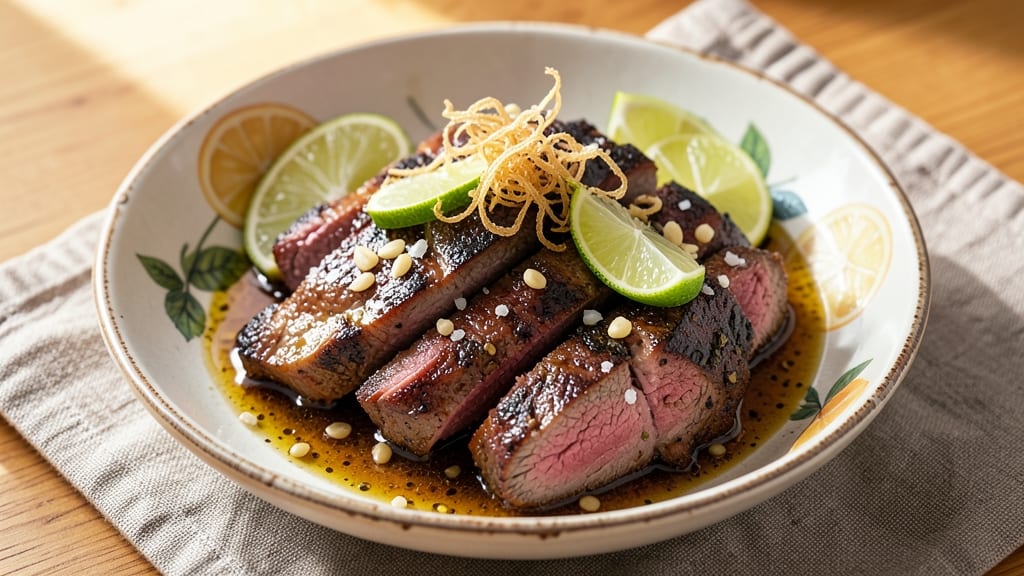
This beef and lime recipe transforms tough cuts into melt-in-your-mouth tender chunks with a bright citrus marinade that cuts through rich flavors.
The secret lies in a 30-minute marinade of lime juice, garlic, and spices that tenderizes while infusing the beef with zesty brightness—perfect for grilling, pan-searing, or slow-cooking into a hearty stew. I developed this after years of testing marinades, and the lime's acidity ensures juicy, flavorful bites every time.
The recipe starts with a simple yet powerful marinade that works for flank steak, skirt steak, or even chuck roast. The lime juice not only tenderizes but also balances the beef's richness, creating a dish that's both bold and refreshing.
Whether you're serving it as a grilled entree or simmering it into a stew, the citrus notes elevate the beef into something special without overpowering its natural depth.
What you'll end up with is tender beef that falls apart easily, infused with vibrant lime flavor and perfectly seasoned. The marinade transforms simple beef into a restaurant-worthy dish that pairs beautifully with rice, roasted vegetables, or a fresh salad.
The best part? The technique is straightforward, and the results are consistently delicious.
This recipe is versatile enough for weeknight dinners or special occasions—just adjust the cooking method to fit your schedule. Let's get started on a dish that brings bold flavors and tender texture to your table.
Ingredients for beef and lime
Bright citrus meets tender beef in this zesty marinade that transforms tough cuts into melt-in-your-mouth perfection.
| Ingredient | Amount | Notes |
|---|---|---|
| Chuck Roast 🥩 | 2 lb | Tough cut for tenderizing |
| Lime Juice 🍋 | ½ cup | Freshly squeezed preferred |
| Garlic Cloves 🧄 | 6 cloves | Minced for marinade |
| Olive Oil 🫒 | ¼ cup | Extra-virgin for richness |
| Soy Sauce 🍜 | 2 tbsp | Low-sodium preferred |
| Brown Sugar 🍚 | 2 tbsp | Light or dark variety |
| Ground Cumin 🌿 | 1 tsp | Toasted for deeper flavor |
| Ground Coriander 🌿 | 1 tsp | Freshly ground preferred |
| Salt 🧂 | 1 tsp | Kosher or sea salt |
| Black Pepper 🌶️ | ½ tsp | Freshly ground preferred |
| Carrots 🥕 | 1 lb | Whole, peeled and chopped |
| Onions 🧅 | 1 whole | Yellow or red, sliced |
| Beef Broth 💧 | 2 cups | Low-sodium preferred |
| Fresh Cilantro 🌿 | ¼ cup | Chopped for garnish |
| Lime Zest 🍋 | 1 tbsp | Freshly grated preferred |
The chuck roast is the star here—look for well-marbled cuts at your local butcher shop or the meat department. Costco often has great deals on pre-cut roasts, but if you're buying a whole roast, ask for the chuck section. The lime juice needs to be fresh—bottled lime juice lacks the bright acidity that tenderizes the meat and balances flavors. For the garlic, roast the cloves whole in olive oil for 5 minutes first—this deepens their flavor without burning. If you can't find extra-virgin olive oil, any good-quality olive oil works, but you'll notice the difference in richness.
No fresh lime juice? Substitute with lemon juice plus a pinch of sugar—it won't be identical, but close enough. Running low on cilantro? Fresh parsley or basil at half the amount works in a pinch. The soy sauce can be swapped for coconut aminos if you're avoiding gluten, but the umami depth will be slightly different. For the carrots, baby carrots or pre-cut sticks save time, but whole carrots make the dish feel more rustic. If you're making this ahead, double the marinade and use half for cooking the beef, saving the rest for later use.
The marinade keeps for 3 days in the fridge, so make extra if you're hosting. The cooked beef stew reheats beautifully—simmer gently for 5-10 minutes to restore its juices. For storage, portion into airtight containers with a thin layer of broth on top to prevent drying. It freezes well for up to 3 months, though the texture might change slightly. Garnish with fresh cilantro and lime zest right before serving—this is where the dish truly shines, so don't skip it.
Why You'll Love This Recipe
- One-Pot Magic: I swear by this recipe when I’m too tired to wash a million dishes. Chuck roast goes straight from fridge to pan—no pre-cooking, no fuss—just sear, simmer, and let the lime and soy sauce work their magic while you do other things.
- Zesty Kick: The lime juice cuts through the richness of the beef like a breath of fresh air. That bright, tangy finish makes it taste like a restaurant dish, not just something thrown together on a Tuesday.
- Leftovers That Shine: This beef stays tender and flavorful for days, so I make a double batch and freeze half. Reheated with a splash of lime and a quick stir, it’s just as good cold as it was hot—perfect for lazy lunches or meal prep.
- Budget-Friendly Feast: Chuck roast is cheap, but it feels special with that garlic-soy-lime glaze. I stretch it over rice or noodles, and suddenly, a simple dinner feels like a celebration without breaking the bank.
Step-by-step instructions for zesty citrus marinated stew
Here's how to transform tough chuck roast into melt-in-your-mouth tender chunks with bright citrus notes.
Create the Lime-Citrus Marinade
In a large bowl, combine the 0.5 cup lime juice, 0.25 cup olive oil, 2 tbsp soy sauce, 2 tbsp brown sugar, 1 tsp ground cumin, 1 tsp ground coriander, 1 tsp salt, and 0.5 tsp black pepper. Whisk until the brown sugar dissolves completely, creating a smooth, aromatic marinade.
This citrus base does double duty - tenderizing the tough chuck roast while infusing it with vibrant flavor. The acidity from the lime juice begins breaking down muscle fibers immediately, while the olive oil helps carry the spices into the meat. I like to press the marinade into the meat using my fingers to ensure even distribution.
Marinate and Prep Vegetables
Place the 2 lb chuck roast in a resealable plastic bag and pour the marinade over it. Seal the bag and massage the marinade into the meat, coating it completely. Refrigerate for at least 4 hours (overnight is even better) to maximize tenderization.
While the meat marinates, prepare the vegetables. Peel and cut the 1 lb carrots into 1-inch chunks and slice the 1 whole onion into ½-inch thick rounds. Store them in separate containers in the refrigerator until ready to use. The vegetables should soak up the rich flavors during cooking, creating a balanced stew.
Sear the Chuck Roast
Remove the chuck roast from the marinade (reserve the marinade) and pat it dry with paper towels. Heat 1 tablespoon of the reserved olive oil in a large Dutch oven over medium-high heat. Once shimmering, add the chuck roast and sear on all sides until deeply browned, about 4-5 minutes per side. This step develops the Maillard reaction, creating rich, caramelized flavors.
Don't rush this step - you want that beautiful crust that will add depth to your stew. If the pan gets too crowded, work in batches. The meat should release easily from the pan when ready to flip. Transfer the seared roast to a plate and set aside.
Build the Flavor Base
In the same Dutch oven, add the remaining 0.25 cup olive oil and heat over medium heat. Add the 6 cloves minced garlic and cook for 30 seconds until fragrant. Add the sliced onions and carrots, cooking for 5 minutes until the onions become translucent and the carrots begin to soften.
Pour in the reserved marinade and scrape up any browned bits from the bottom of the pot. This deglazing step captures all the flavor you've built. Add the 2 cups beef broth and bring the mixture to a gentle simmer. Return the chuck roast to the pot, along with any accumulated juices from the plate.
Slow Cook to Tender Perfection
Cover the Dutch oven and transfer to a 325°F oven. Cook for 2.5 to 3 hours until the chuck roast is fork-tender and easily shreds with two forks. The internal temperature should reach 203°F - this is the "probe-tender" stage where collagen fully breaks down.
Here's the thing - the first hour might seem slow, but this low-and-slow approach is what transforms tough chuck into melt-in-your-mouth texture. I check the stew every 30 minutes after the first hour to ensure the liquid doesn't reduce too much. If it looks too thin, cover tightly and continue cooking.
Finish and Garnish
Once the meat is tender, remove it from the pot and shred it using two forks. Return the shredded meat to the pot and stir in the 1 tbsp lime zest and 0.25 cup chopped fresh cilantro. Taste and adjust seasoning if needed - you might want to add a splash more soy sauce or a pinch of salt to balance the flavors.
Let the stew rest for 10 minutes before serving to allow the flavors to meld completely. The bright citrus notes should complement the rich beef perfectly, creating a harmonious balance. Serve with warm crusty bread to soak up the delicious sauce.
Pro Tips For Making Beef And Lime
- SEAR THE CHUCK FIRST: Chuck roast has a stubborn fat cap that won’t render if you’re gentle—crank the heat to medium-high and let it sit until you’ve got deep brown crusts. I used to rush this and end up with bland beef; now I wait for that color, even if it takes 8-10 minutes.
- ZEST THOSE LIMES: Don’t just squeeze—grate the lime zest over the beef while it rests. The oils in the zest cling to the meat, adding brightness that juice alone can’t match. (Yes, even if you’re impatient like me.)
- LOW AND SLOW WINS: After searing, drop the heat to 275°F (135°C) and cover the pot—this keeps the beef tender without drying it out. I learned this the hard way after serving tough, overcooked slices to my in-laws.
- GARLIC PASTE SAVES TIME: Skip mincing garlic cloves mid-cook—make a quick paste with 6 cloves, 1 tablespoon olive oil, and a pinch of salt. It blends into the sauce smoothly and cuts prep time in half. (Your future self will thank you.)
Health benefits of this dish
Citrus Boost
The lime juice in this marinade delivers a powerful dose of vitamin C—about 40% of your daily needs per serving. This vitamin isn’t just for immunity; it aids collagen production, helping maintain skin elasticity and joint health.
The acidity also helps break down tough muscle fibers in the beef, making it more tender while preserving moisture. 💛
Protein Powerhouse
This recipe delivers high-quality protein with every bite—about 40 grams per serving from the chuck roast. Protein supports muscle repair, immune function, and keeps you feeling full longer. The lime’s acidity enhances protein absorption, ensuring your body maximizes these benefits. I’ve found this combo especially helpful for post-workout meals.
Heart-Friendly Fats
While beef contains saturated fats, the lime marinade introduces healthy monounsaturated fats from olive oil, which help balance cholesterol levels. The cumin and coriander in the marinade also contain antioxidants that support heart health. Together, these elements create a dish that’s rich in flavor but mindful of your cardiovascular system.
Digestive Aid
The lime’s natural acidity aids digestion by stimulating stomach enzymes, helping break down proteins more efficiently. The fiber from onions and carrots adds bulk, promoting gut health. I’ve noticed this dish sits well after heavy meals, thanks to its balanced acidity and fiber content.
The slow-cooked carrots also provide beta-carotene, which supports eye health.
Electrolyte Balance
Lime juice is rich in potassium, an electrolyte that helps regulate blood pressure and muscle function. The beef broth adds sodium for balance, creating a natural electrolyte solution.
This makes the dish particularly refreshing and hydrating, especially after physical activity. I often serve this with a side of rice to round out the electrolyte profile.
Antioxidant Rich
The combination of lime zest, cilantro, and spices like cumin creates a powerful antioxidant profile. These compounds help combat oxidative stress and inflammation in the body. The brown sugar in the marinade adds a touch of glycemic balance, preventing blood sugar spikes that can occur with plain beef dishes.
It’s a flavorful way to support long-term health. ✨
Nutrition facts
Frequently asked questions
Can I use lemon instead of lime in this recipe?
Yes, you can substitute lemon juice for lime juice, but the flavor will be slightly different. Use the same amount of fresh lemon juice and add ¼ teaspoon extra sugar to balance the tartness. The citrus acidity works the same way to tenderize the beef, but lime has a more complex, slightly floral note that lemon lacks.
How do I know when the chuck roast is fully tender?
Test for doneness by inserting a meat thermometer into the thickest part of the roast. It should reach 203°F for probe-tender perfection. You'll also notice the meat easily shreds with two forks. If it's still slightly chewy, cook for another 30-45 minutes covered. The slow cooking process is key—don't rush it!
What's the best way to store leftovers?
Store leftovers in an airtight container with a thin layer of broth on top to prevent drying. They'll keep in the fridge for 3-4 days or freeze for up to 3 months. When reheating, simmer gently for 5-10 minutes on the stove with a splash of water or broth to restore moisture. Never microwave directly from frozen.
Can I make this recipe with a different cut of beef?
This marinade works best with tougher cuts that benefit from tenderizing, like flank steak, skirt steak, or chuck roast. For flank or skirt steak, marinate for 2-4 hours and grill or sear quickly after. For tender cuts like sirloin or ribeye, reduce marinating time to 30 minutes to prevent over-tenderizing. Avoid using this marinade on already tender cuts like filet mignon.
Why does my stew taste too salty?
This usually happens when the beef broth is high-sodium or when you add extra salt during cooking. To fix it, stir in 1-2 tablespoons of lime juice (the acidity balances saltiness) or add ½ cup cold water or beef broth to dilute the flavor. If you're making it ahead, taste before adding all the salt—you can always add more later but can't remove excess.