
Soups & Stews
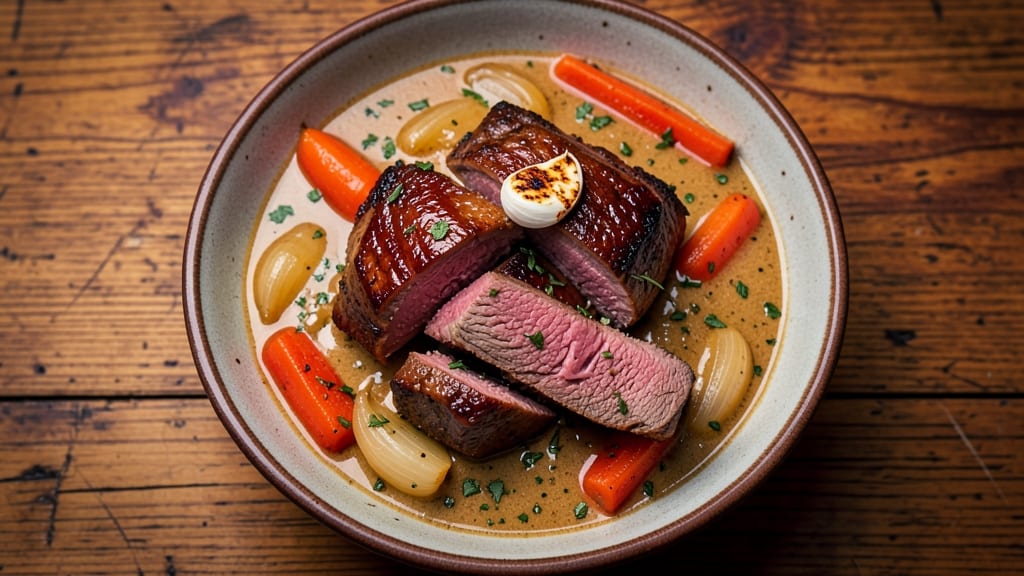
This beef and horseradish stew recipe delivers tender beef and a bold horseradish kick that transforms a simple pot of stew into a restaurant-worthy centerpiece. The secret lies in slow-cooked beef that practically melts in your mouth, balanced by the sharp, refreshing bite of horseradish that cuts through the richness.
What starts as tough chuck roast becomes fork-tender after hours of simmering, while the aromatic vegetables and spices build layers of flavor that make every spoonful irresistible.
The beauty of this recipe is its foolproof method—no fancy techniques required, just time and patience. You'll begin by searing the beef to lock in juices, then build a rich foundation of sautéed onions, garlic, and carrots before adding the horseradish and letting everything meld into a deeply flavorful broth.
The slow cooking process ensures the beef stays moist and tender, while the horseradish adds just the right amount of heat to keep things exciting.
By the time you're done, you'll have a steaming pot of stew that smells like comfort food at its finest—deep, savory, and just spicy enough to linger on your palate.
The beef will pull apart easily, the vegetables will be tender but still hold their shape, and the horseradish will add that signature kick that makes this stew unforgettable.
Serve it with crusty bread to soak up every last drop, or pair it with roasted potatoes for a hearty meal that feels like a hug in a bowl.
This recipe works beautifully in a slow cooker for hands-off cooking, or on the stovetop for a more traditional approach. The versatility makes it perfect for weeknight dinners or special occasions—just adjust the horseradish to taste for a milder or more intense flavor.
Whether you're feeding a family or treating yourself to a cozy meal, this beef and horseradish stew is the ultimate one-pot wonder.
Ingredients for beef and horseradish stew
Pantry staples meet bold flavors for this hearty beef stew that's all about tender meat and horseradish heat.
| Ingredient | Amount | Notes |
|---|---|---|
| Chuck Roast 🥩 | 2 lb | Well-marbled for tenderness |
| Yellow Onions 🧅 | 2 whole | Diced into small pieces |
| Carrots 🥕 | 4 medium | Peeled and cut into chunks |
| Garlic Cloves 🧄 | 4 cloves | Minced for aromatic base |
| Fresh Horseradish Root 🌶️ | 2 tbsp | Grated, adjust for heat |
| Beef Broth 💧 | 4 cups | Low-sodium preferred |
| Red Wine 🍷 | 1 cup | Bold dry red like Cabernet |
| Tomato Paste 🍅 | 2 tbsp | For depth of flavor |
| All-Purpose Flour 🌾 | 2 tbsp | For thickening broth |
| Black Peppercorns 🌶️ | 1 tsp | Freshly cracked preferred |
| Bay Leaves 🍃 | 2 whole | For subtle earthy flavor |
| Thyme Sprigs 🌿 | 2 whole | Fresh preferred, dried works |
| Salt 🧂 | 1 ½ tsp | Kosher or sea salt |
| Butter 🧈 | 2 tbsp | For finishing richness |
The chuck roast is non-negotiable here—look for good marbling at Costco or Whole Foods for the best texture. If you're buying pre-cut, check for uniform size pieces. The horseradish is where the magic happens: fresh root from the produce section (not the jarred stuff) gives that signature sharp kick. For the red wine, Cabernet Sauvignon or Merlot work perfectly—whatever's open in your fridge. The beef broth? Low-sodium is key so you control the salt level. Pro tip: if you can't find fresh thyme, dried works at one-third the amount.
No horseradish root? Jarred horseradish sauce at half the amount gets you close, but you'll lose some freshness. Out of red wine? Beef broth with a splash of balsamic vinegar mimics the depth. For the carrots, baby carrots work fine—just trim the ends. The tomato paste can be from a tube or a can, but San Marzano is ideal if you want to splurge. The flour is just for thickening—if you're watching carbs, skip it and let the stew simmer longer to reduce naturally. The butter at the end? Full-fat is worth it for that restaurant-quality finish.
This stew tastes even better the next day—make a double batch and freeze half for lazy weeknights. Store in the fridge for 4-5 days or freeze for 3 months. I like to portion it into containers so lunches are ready to grab. The horseradish flavor actually mellows slightly after a day in the fridge, so it's perfect for picky eaters. For reheating, low heat is key—just warm through, don't boil, or the horseradish can get bitter.
Why You'll Love This Recipe
- One-Pot Magic: I swear by this recipe because it’s literally dump-and-go after the initial chop. Chuck roast? Just sear it, then toss it in with the onions and carrots—no fancy prep, no stress. That horseradish root? Grate it fresh, simmer it down, and boom: instant depth without the fuss.
- Spicy-Sweet Magic: The horseradish cuts through the richness of the beef like a knife, but don’t worry—it’s balanced by the caramelized onions and garlic. That first bite? A perfect punch of heat and sweetness that lingers without overpowering. (Yes, even my horseradish-averse husband asks for seconds.)
- Leftovers That Win: This stew tastes better the next day—honestly, the flavors meld into something deeper and richer. I make a double batch on Sundays, freeze half, and pull it out for lazy nights or when company drops by. Zero guilt, all satisfaction.
- Budget Beef Boost: A chuck roast is cheap, and this recipe stretches it into a meal that feels special. The horseradish adds a gourmet twist without breaking the bank, and the veggies bulk it up so it fills you up. My wallet and my family thank me every time.
Step-by-step instructions for beef and horseradish stew
Here's how to create a rich, spicy stew with melt-in-your-mouth beef and vibrant horseradish flavor.
Sear the Chuck Roast for Deep Flavor
Pat the 2 lb chuck roast dry with paper towels and season generously with 1.5 tsp salt and 1 tsp freshly cracked black peppercorns. Heat a large Dutch oven over medium-high heat and add 2 tbsp butter. Once melted and foaming, add the roast and sear on all sides until deeply browned—about 4-5 minutes per side. This step builds incredible flavor through the Maillard reaction.
Remove the roast and set it aside. In the same pot, add 2 whole yellow onions and 4 medium carrots cut into chunks. Cook for 5-6 minutes until the onions soften and begin to caramelize slightly. This creates a flavorful base for your stew. Transfer these vegetables to a plate and set aside with the roast.
Build the Aromatic Base
In the same Dutch oven, add 2 tbsp tomato paste and cook for 1 minute until it darkens slightly. This deepens the stew's color and flavor. Add 4 cloves minced garlic cloves and 2 tbsp grated fresh horseradish root (adjust for heat preference), cooking for 30 seconds until fragrant. The horseradish will release its signature kick while the garlic adds sweetness.
Pour in 1 cup red wine and scrape up any browned bits from the bottom of the pot. Let it simmer for 3-4 minutes until reduced by half. This step develops the stew's complexity and removes the alcohol's sharpness. Return the roast and vegetables to the pot.
Simmer the Stew to Tender Perfection
Add 4 cups beef broth, 2 whole bay leaves, and 2 whole thyme sprigs to the Dutch oven. Bring to a gentle boil, then reduce heat to low and cover partially. Let it simmer for 2.5-3 hours until the beef is fork-tender. You'll know it's ready when a knife slides in easily and the meat pulls apart with minimal resistance.
About 30 minutes before the stew is done, sprinkle 2 tbsp all-purpose flour over the top and stir gently. This helps thicken the stew slightly without making it gluey. The flour should blend seamlessly into the liquid, creating a velvety texture.
Finish with Richness and Serve
Once the beef is tender, remove the roast from the pot and let it rest for 5 minutes. Skim off any excess fat from the surface of the stew. Return the beef to the pot and stir in 2 tbsp butter, allowing it to melt and create a glossy finish. The butter adds richness and helps balance the horseradish's heat.
Taste and adjust seasoning with additional salt or horseradish if needed. Serve the stew hot, with crusty bread to soak up every last drop of that flavorful broth. The result should be a hearty, comforting dish where the beef falls apart at the touch and the horseradish adds just the right amount of spicy kick.
Pro Tips For Making Beef And Horseradish Stew
- SEAR THE ROAST HARD: I learned this the hard way—skipping the deep brown crust means flavorless stew. Use 2 tablespoons of oil in a heavy pot and let the chuck roast sit undisturbed for 4-5 minutes per side until it’s dark golden, not just lightly browned. That crust locks in all the horseradish punch later.
- PEEL AND GRATE HORSERADISH FRESH: Store-bought horseradish paste won’t cut it here. Peel the root with a paring knife (the skin’s bitter), then grate it fine—like you’re making zesty snow. Add it raw at the end, not cooked, so the heat stays sharp. (Yes, even if you’re impatient like me.)
- DON’T CROWD THE POT: After searing, resist the urge to dump everything in at once. Let the onions and carrots sizzle in the same pot for 5 minutes before adding liquid—this builds depth. If the pot’s too full, the veggies steam instead of caramelize, and your stew tastes bland.
- SAVE TIME WITH PARBOILED CARROTS: I skip this when I’m lazy, but the dish is noticeably better when I don’t: Cut carrots into even chunks, boil them for 3 minutes, then drain. They’ll soften faster in the stew without turning to mush. (Pro move: Use a mandoline for consistent slices.)
Troubleshooting great beef and horseradish stew
Stew Too Thin?
If your stew ends up watery, don’t panic—simmering longer is your first fix. Remove the lid and let it reduce on medium-low heat for 15-20 minutes, stirring occasionally.
For a quicker fix, mix 1 tbsp cornstarch with 2 tbsp cold water, stir into the stew, and simmer for 5 more minutes. The flour you already have works too, but add it 1 hour earlier for better thickening.
Meat Still Tough?
Overcooking is the usual culprit here. If your beef isn’t tender after 3 hours, it’s time to rescue it. Remove the roast, shred it with two forks, then return it to the pot.
The long simmer will break down the fibers further. For next time, start with a slightly smaller cut (like 1.5 lbs) or add ½ cup extra broth to keep it moist.
Horseradish Overpowering?
Too much horseradish can dominate the dish. Balance it by adding 1 tbsp honey or maple syrup to sweeten the heat, or stir in 2 tbsp sour cream at the end to cool things down.
If you’re starting fresh, reduce the horseradish to 1 tbsp and taste as you go—you can always add more later.
Broth Too Salty?
Salty broth is a common issue, especially with store-bought broth. If yours tastes too strong, add ½ cup cold water or beef broth to dilute it. For a more natural fix, stir in 1 small peeled potato while simmering—it absorbs excess salt.
If all else fails, a splash of tomato paste adds acidity to balance the saltiness.
Vegetables Mushy?
Overcooked veggies ruin the texture. To prevent this, add carrots and onions only in the last 30 minutes of cooking. For a crispier bite, blanch them first by boiling for 2 minutes, then draining before adding to the stew.
If they’re already too soft, remove them and replace with fresh ones in the final 15 minutes.
Fat Floating on Top?
Excess fat can make your stew look unappetizing. Skim it off with a spoon while the stew is hot, or chill it in the fridge overnight—the fat will solidify on top, making it easy to remove.
For a leaner stew, use leaner cuts of beef (like chuck shoulder) or trim visible fat before searing.
Nutrition facts
Frequently asked questions
Can I substitute horseradish root with jarred horseradish?
Yes, but you'll lose some freshness and complexity. Use 1 tablespoon jarred horseradish for every 2 tablespoons grated fresh root. Fresh root gives a brighter, sharper kick that mellows beautifully in stew, while jarred versions can taste slightly vinegary. For best results, reduce the amount by half and taste as you go.
How do I make this stew in a slow cooker?
Follow the same steps for searing the beef and building the base, then transfer everything to your slow cooker. Cook on low for 7-8 hours or high for 4-5 hours until the beef is tender. The slow cooker's gentle heat helps the horseradish flavor meld perfectly without overpowering. Add flour in the last 30 minutes if you need thickening.
What's the best way to store leftovers?
Let the stew cool completely, then store in an airtight container in the fridge for up to 4-5 days. For longer storage, freeze portions for up to 3 months. The horseradish flavor actually improves after a day in the fridge—it becomes more balanced and less intense. Reheat gently on the stove or microwave until steaming hot.
Can I use a different cut of beef?
Chuck roast is ideal for its marbling and tenderness, but you can use chuck shoulder or stew meat as substitutes. Avoid leaner cuts like sirloin—they won't become tender. If using a different cut, reduce cooking time by 30-45 minutes and check for doneness earlier. The horseradish pairs especially well with beef's natural richness.
How can I adjust the heat level?
For a milder version, reduce fresh horseradish to 1 tablespoon and add it later in cooking. For extra heat, increase to 3 tablespoons or add a pinch of cayenne pepper. Remember: horseradish's heat mellows during cooking. Always taste before serving—you can add more, but you can't remove it once it's in!