
Soups & Stews
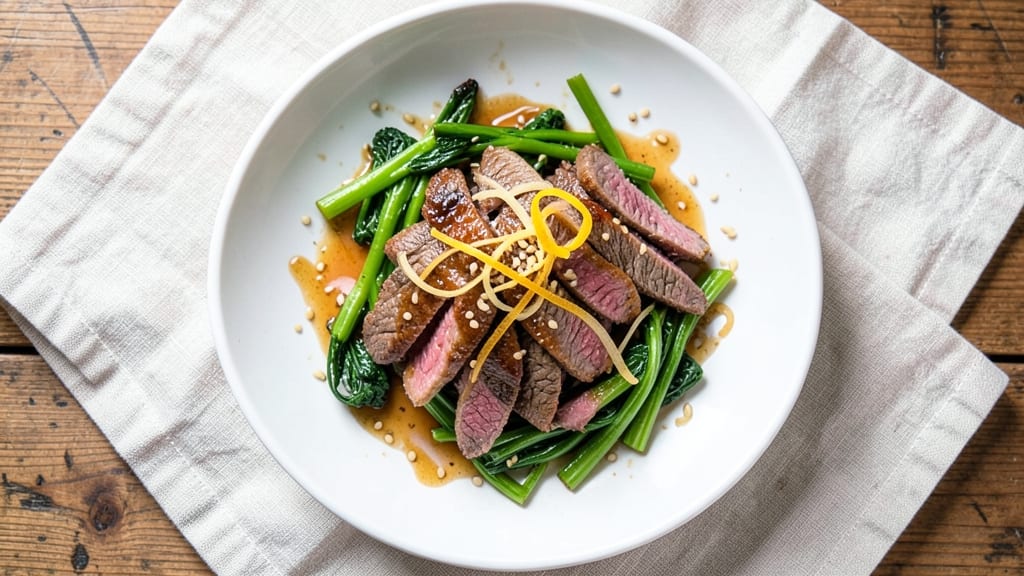
This beef and gai lan recipe delivers the perfect balance of wok-seared tenderness and silky green bean texture in every bite. The secret lies in high-heat searing for crisp edges while keeping the beef juicy, then finishing with a velvety sauce that coats both components.
I developed this dish after years of experimenting with stir-fry techniques, and it never fails to impress—whether for a weeknight dinner or special occasions.
The recipe begins with thinly sliced beef marinated in soy sauce and cornstarch, which creates that signature crispy exterior when wok-seared. Gai lan (Chinese broccoli) gets a quick blanch to soften slightly before being tossed in the same pan, absorbing the beef's rich flavors.
A simple sauce made from oyster sauce, ginger, and a touch of sugar ties everything together with deep umami notes and just the right amount of sweetness.
What you'll end up with is a restaurant-quality dish that's balanced, flavorful, and visually striking—golden-brown beef alongside bright green gai lan, all glistening with that glossy sauce. The texture contrast alone makes this dish unforgettable: crispy beef, tender gai lan, and a silky sauce that coats every bite.
It's the kind of meal that feels special without requiring hours in the kitchen.
Serve this dish over steamed jasmine rice for a complete meal, or pair it with a side of garlic fried rice to stretch it into a full spread. The recipe scales easily for crowds, and leftovers reheat beautifully—though I've never had any last that long. Let's get cooking!
Ingredients for beef and gai lan
Thinly sliced beef and blanched gai lan transform into restaurant-quality wok-seared perfection with this precise ingredient lineup.
| Ingredient | Amount | Notes |
|---|---|---|
| Flank Steak 🥩 | 1 lb | Thinly sliced against grain |
| Gai Lan (Chinese Broccoli) 🥬 | 1 lb | Stems cut into 2-inch pieces |
| Light Soy Sauce 🍶 | ½ cup | Kikkoman preferred for balance |
| Cornstarch 🌾 | 2 tbsp | For crisp-tender beef coating |
| Oyster Sauce 🍲 | ¼ cup | High-quality, no additives |
| Fresh Ginger 🧄 | 1 ½ tbsp | Finely minced, peeled |
| Garlic Cloves 🧄 | 4 cloves | Minced, not pressed |
| Granulated Sugar 🍚 | 1 tbsp | Balances umami flavors |
| Sesame Oil 🫒 | 1 tbsp | Toasted, for finishing |
| Vegetable Oil 🫒 | ½ cup | High smoke point preferred |
| Jasmine Rice 🍚 | 2 cups | Uncooked, long-grain |
| Green Onions 🧅 | 4 whole | Thinly sliced, for garnish |
| Salt 🧂 | 1 ½ tsp | Diamond Crystal preferred |
| White Pepper 🌶️ | ½ tsp | Freshly ground for heat |
The flank steak is non-negotiable here—its lean yet tender texture holds up perfectly to high-heat searing. Look for USDA Choice grade with visible marbling at Whole Foods or your local butcher. Slice it thin against the grain (about 1/8-inch thick) using a sharp knife or meat slicer. Costco often carries pre-sliced versions if you're short on time, but homemade gives the best texture. For gai lan, choose stalks with vibrant green leaves and crisp stems—avoid any with yellowing or wilted ends. The stems should snap cleanly when bent, not bend like rubber. If you can't find gai lan, substitute regular broccoli but increase the cooking time by 30 seconds.
No oyster sauce? Hoisin sauce plus a splash of soy sauce works in a pinch, though the umami depth won't be identical. The ginger and garlic should be freshly minced—pre-minced jars lose potency fast. For the sugar, coconut sugar or brown sugar add subtle caramel notes. Sesame oil is purely for finishing here, so toasted at the end rather than cooking with it. If you're avoiding gluten, swap the soy sauce for tamari and ensure your oyster sauce is certified gluten-free. The vegetable oil can be avocado or canola oil—just avoid anything with strong flavors like peanut oil.
Prep the beef and ginger mixture ahead and refrigerate for up to 2 hours, but no longer. Gai lan should be blanched just until tender-crisp (about 1 minute) and kept in ice water until ready to cook. This dish reheats beautifully—stir-fry over high heat for 2 minutes to restore the crisp edges. Store leftovers in an airtight container for 3 days in the fridge or 2 months frozen. For freezing, portion into single servings before sealing—this prevents soggy gai lan when reheating. The rice should be cooked separately and kept warm in a rice steamer or covered pot.
Why You'll Love This Recipe
- One-Pan Magic: I swear by this recipe when I’m too tired to clean up. Sear the flank steak, toss in the gai lan, and let the soy and oyster sauce work their magic—no extra dishes, just one pan to scrub. Honestly, that’s my kind of cooking.
- Umami Bomb: The combo of light soy and oyster sauce on that tender flank steak? It’s like a flavor explosion in your mouth. The gai lan soaks up the sauce just enough to stay crisp-tender, and that cornstarch coating gives the beef a satisfying bite.
- Leftover Hero: This dish tastes even better the next day—yes, really. I make a double batch on Sundays, and by Wednesday, it’s still the star of my lunch. The steak stays juicy, and the gai lan holds its texture, so it reheats like a dream.
- Budget Flex: Flank steak is affordable, and gai lan lasts longer than regular broccoli. A single cut of beef feeds four, and the sauce stretches across multiple meals. Between us, this is how I stretch my grocery budget without sacrificing flavor.
Step-by-step instructions for wok-sear crispness with silky green bean sauce
Master this technique for restaurant-quality texture contrast—crisp-tender beef meets velvety gai lan in minutes.
Prepare the Flank Steak for Maximum Crisp-Tenderness
Slice the 1 lb flank steak thinly against the grain into ¼-inch strips. This is critical—thin slices cook faster and stay tender. Place the sliced beef in a bowl and add 2 tbsp cornstarch and 1.5 tsp salt. Toss gently with your hands until every strip is evenly coated. The cornstarch creates a crisp-tender crust when seared.
Let the coated beef rest for 10 minutes at room temperature. This ensures even cooking and prevents overcrowding the wok later. While waiting, prepare the gai lan by cutting the stems into 2-inch pieces and slicing the florets into 1-inch lengths. Keep them separate until ready to cook.
Build the Silky Green Bean Sauce
In a small bowl, whisk together 0.5 cup light soy sauce, 0.25 cup oyster sauce, 1 tbsp granulated sugar, 1.5 tbsp finely minced fresh ginger, and 4 cloves minced garlic. This sauce will transform into a glossy, umami-rich coating for the gai lan. Set aside while you prepare the wok.
Heat 0.5 cup vegetable oil in a wok over medium-high heat until shimmering. The oil should be hot enough to sizzle when a drop of water is added—this is your signal to start cooking. Keep the heat steady; too low will steam the beef instead of searing it.
Wok-Sear the Beef to Perfect Crispness
Working in batches to avoid overcrowding, add the cornstarch-coated beef to the wok. Stir-fry for 1-2 minutes until the edges turn deep golden brown and the beef is 80% cooked. Remove the beef and set aside on a plate. The residual heat will finish cooking it slightly when combined with the sauce later.
In the same wok, add the gai lan stems and cook for 2 minutes until slightly softened. Add the gai lan florets and stir-fry for another 1 minute until bright green and just tender-crisp. Pour the prepared sauce over the gai lan and toss immediately. The heat will thicken the sauce into a glossy coating. Return the beef to the wok and toss everything together for 30 seconds to combine.
Finish with Toasted Sesame Oil and Garnish
Drizzle 1 tbsp toasted sesame oil over the wok-seared beef and gai lan. Toss gently to distribute the oil evenly—this adds a nutty aroma and rich depth of flavor. The dish should now have a glossy sheen from the sauce and a crisp-tender texture from the wok-searing.
Garnish with thinly sliced green onions and serve immediately over 2 cups cooked jasmine rice. The contrast of crisp-tender beef, silky gai lan, and fragrant rice creates a harmonious balance of textures and flavors in every bite. For best results, serve while the beef is still slightly warm and the gai lan retains its vibrant color.
Pro Tips For Making Beef And Gai Lan
- Slice Steak Against the Grain: Flank steak’s fibers run long—cutting them short makes every bite tender. Grab a sharp knife and slice at a 45-degree angle before cooking, then freeze the strips for 20 minutes. This keeps them from curling up when you stir-fry, and the cold shock makes them easier to handle.
- Blanch Gai Lan First: I learned this the hard way—raw gai lan turns mushy when tossed with beef. Blanch the stems and florets in boiling water for 30 seconds, then shock in ice water. This crisps the stems and keeps the florets bright green, so they hold up during the stir-fry instead of turning limp.
- Use Cornstarch Like Glue: Dusting the beef with cornstarch isn’t just for coating—it’s for adhesion. Mix 1 tablespoon cornstarch with 2 tablespoons water, then toss the sliced steak in it. Let it sit for 5 minutes before cooking; this creates a thicker, glossier sauce that clings to the beef instead of pooling at the bottom.
- Finish with High Heat: Low and slow ruins the crust. After adding the sauce, crank the heat to maximum for the last 30 seconds. The high heat caramelizes the soy and oyster sauce, giving it that restaurant-style sheen and depth—no, it won’t burn if you’re paying attention.
Best sauces and condiments for this beef and gai lan
Silky Green Bean Sauce
This velvety sauce is the heart of the dish, blending umami richness from oyster sauce with a touch of sweetness from granulated sugar.
I start with ½ cup light soy sauce and ¼ cup oyster sauce—the combination creates a glossy, balanced coating that clings beautifully to the gai lan.
The 1.5 tbsp minced fresh ginger and 4 cloves minced garlic add aromatic depth, while the 1 tbsp sugar prevents the sauce from becoming too salty. 🌟
For extra depth, I sometimes add 1 tsp Shaoxing wine to the sauce mixture—it enhances the umami without overpowering. If you're avoiding gluten, swap the soy sauce for tamari and ensure your oyster sauce is certified gluten-free.
The sauce should coat the back of a spoon when finished, creating that signature silky texture. Trust me, this is where the magic happens!
Toasted Sesame Oil
The finishing touch is 1 tbsp toasted sesame oil, which adds a nutty aroma and rich depth of flavor. I always toast the oil separately before adding it to the wok—heat 1 tbsp sesame oil in a small pan over low heat for 30 seconds until fragrant.
Then, drizzle it over the finished dish just before serving. This step is non-negotiable for that authentic restaurant-quality taste. 🫒
If you can't find toasted sesame oil, you can lightly toast 1 tbsp regular sesame oil in a dry pan over low heat for 1-2 minutes until it smells nutty.
Just don’t overheat it, or it’ll burn and turn bitter. A little goes a long way—too much can overpower the dish, so measure carefully.
Garlic Fried Rice
For a heartier meal, serve this beef and gai lan over garlic fried rice instead of plain jasmine rice.
I use 2 cups day-old jasmine rice (fresh rice is too moist), broken into small pieces, and stir-fry with 2 tbsp vegetable oil, 3 minced garlic cloves, and 1 tbsp light soy sauce. The garlic adds another layer of flavor that complements the dish perfectly.
This is my go-to when feeding a crowd—it stretches the meal and adds extra texture. 🍚
For extra richness, add 1 beaten egg to the rice mixture and scramble it in the wok before adding the remaining ingredients. The egg adds protein and a creamy texture that pairs beautifully with the crisp-tender beef.
Just be sure to cook it quickly over high heat to keep it tender.
Spicy Chili Oil
If you love a little heat, drizzle the finished dish with 1 tsp chili oil for a fiery kick. I make my own by simmering ½ cup neutral oil with 2 tbsp dried chili flakes and 1 tsp Sichuan peppercorns over low heat for 10 minutes.
Strain and cool before using. The chili oil adds a smoky, spicy contrast that cuts through the richness of the beef and sauce. 🌶️
For a milder version, reduce the chili flakes to 1 tbsp and add ½ tsp sugar to balance the heat. Store homemade chili oil in an airtight container in the fridge for up to 2 weeks.
It’s a versatile condiment that elevates so many dishes—this beef and gai lan recipe is just one of them.
Nutrition facts
Frequently asked questions
Why does the beef need to be sliced against the grain?
Slicing flank steak against the grain creates shorter muscle fibers, which break down faster during cooking. This results in tender, melt-in-your-mouth beef instead of chewy strips. For this recipe, aim for ¼-inch thick slices—any thicker and they won't cook evenly in the quick stir-fry.
Can I use regular broccoli instead of gai lan?
Yes, but you'll need to adjust the cooking time. Gai lan's stems are thicker and need 2 minutes of pre-cooking before stir-frying, while broccoli florets should only cook for 1 minute to avoid mushiness. The flavor will be similar, though gai lan has a slightly sweeter, nuttier taste.
How do I prevent the beef from becoming tough?
Three key factors: thin slicing against the grain, high heat for quick cooking, and resting after marinating. Never overcrowd the wok—cook in batches if needed. Also, remove the beef when it's 80% cooked and let the residual heat finish it in the sauce.
Can I make this recipe without a wok?
Use a large skillet or cast-iron pan with high sides. The key is maintaining medium-high heat and working in batches. A wok distributes heat better, but a good skillet will still give you crisp-tender beef if you keep the heat up and stir frequently.
What's the best way to reheat leftovers?
Reheat over high heat for 2 minutes in a wok or skillet with 1 tsp oil to restore crispness. Add a splash of water or soy sauce to prevent drying. Store leftovers in an airtight container for up to 3 days—the flavors actually improve overnight!