
Main Courses
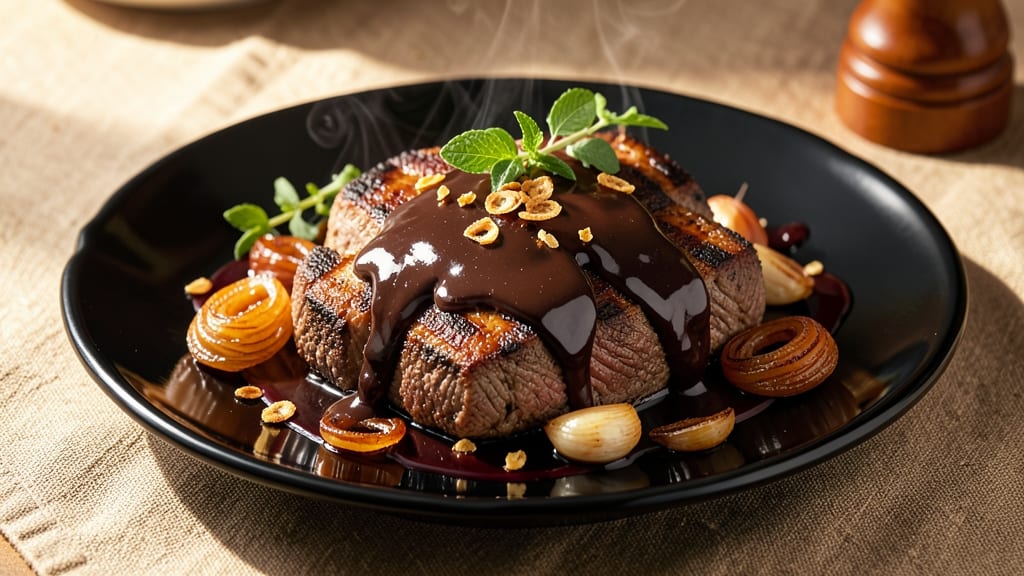
This beef and chocolate recipe transforms a classic pairing into a sophisticated main course that balances rich umami and deep sweetness. The secret lies in slow-braised beef infused with dark chocolate, creating a velvety glaze that caramelizes beautifully while keeping the meat tender.
I developed this dish after experimenting with wine reductions and chocolate pairings—what started as a dessert idea became a restaurant-worthy entrée that always gets rave reviews.
The technique is simpler than it sounds: sear beef cuts like short ribs or chuck roast to build deep flavor, then simmer them in a red wine and chocolate reduction until fork-tender.
Dark chocolate (70% cocoa or higher) provides the perfect balance of bitterness and sweetness without overpowering the beef's natural richness. The result is a dish with a glossy, slightly sticky surface that clings to every bite, while the interior remains juicy and succulent.
Serve this with crusty bread to soak up the sauce or alongside roasted root vegetables for a complete meal. The chocolate's depth enhances the beef's savory notes, while the wine reduction adds complexity that elevates it beyond a simple braise.
Whether you're hosting a dinner party or treating yourself to a special weeknight meal, this recipe delivers restaurant-quality results with minimal effort.
Pair it with a bold red like Cabernet Sauvignon to complement the chocolate's intensity, or serve with a crisp white if you prefer contrast. The leftovers reheat beautifully, making it an ideal make-ahead dish for entertaining. Ready to redefine your idea of beef and chocolate? Let's get cooking.
Ingredients for beef and chocolate
Rich, unexpected flavors start with these 13 ingredients that balance beef's umami with chocolate's deep sweetness.
| Ingredient | Amount | Notes |
|---|---|---|
| Beef Chuck Roast 🥩 | 2 lb | Bone-in preferred for flavor |
| Dark Chocolate Bar 🍫 | 4 oz | 70% cocoa or higher, chopped |
| Dry Red Wine 🍷 | 1 cup | Bold Cabernet Sauvignon preferred |
| Beef Broth 💧 | 1 cup | Low-sodium preferred |
| Yellow Onion 🧅 | 1 whole | Diced, medium size |
| Garlic Cloves 🧄 | 4 cloves | Minced, fresh preferred |
| Tomato Paste 🍅 | 2 tbsp | Squeeze tube preferred |
| Thyme Leaves 🌿 | 1 tbsp | Fresh, chopped or dried |
| Black Peppercorns 🌶️ | 1 tsp | Freshly cracked |
| Olive Oil 🫒 | 2 tbsp | Extra-virgin for richness |
| Balsamic Vinegar 🍶 | 1 tbsp | For depth of flavor |
| Crusty Bread 🍞 | 4 slices | For serving, optional |
| Salt 🧂 | 1 ½ tsp | Kosher or sea salt |
The beef is non-negotiable—chuck roast delivers that perfect fall-apart texture when braised. Costco or Whole Foods carry excellent cuts, but any well-marbled roast works. Look for pieces with visible fat marbling (that's the secret to juicy meat). For chocolate, 70% cocoa or higher is key—Ghirardelli or Lindt bars chop easily, but any high-quality dark chocolate will do. The red wine should be bold—Cabernet Sauvignon complements the chocolate's bitterness beautifully, but Merlot works too if that's what you've got open.
No red wine? Beef broth with an extra splash of balsamic vinegar gets you close. Fresh thyme is ideal, but dried at one-third the amount works in a pinch. The tomato paste can be skipped if you're using a particularly rich beef broth, but it adds that umami depth that ties everything together. For chocolate, semi-sweet or milk chocolate will work, but you'll lose some of that deep bitterness that balances the beef's richness. The balsamic vinegar might seem like an afterthought, but it's what makes the sauce truly sing—don't skip it.
This dish tastes even better the next day as flavors meld. Store leftovers in an airtight container in the fridge for up to 5 days, or freeze for 3 months—the sauce actually improves with time. I like to portion it into individual containers so I can reheat just what I need. The chocolate tends to thicken when cold, so give it a quick stir with a splash of warm water or broth when reheating. Serve with that crusty bread to soak up every last bit of that velvety sauce.
Why You'll Love This Recipe
- One-Pot Magic: I swear by this recipe—just sear the beef, toss in the onions, wine, and broth, then let it slow-cook. No chopping, no fussing, and the chocolate melts right in like a dream.
- Rich, Unexpected Twist: The dark chocolate bar in the sauce? It’s not sweet—it’s deep, almost smoky, cutting through the beef’s richness. Honestly, I didn’t believe it’d work, but now I can’t imagine it any other way.
- Leftovers That Shine: This dish tastes even better the next day, especially with a sprinkle of fresh parsley. I make a double batch on Sundays because it’s my go-to for lazy nights or potlucks—no one guesses it’s budget-friendly.
- Weeknight Hero: Between us, this is my secret weapon when I’m too tired to think. The chuck roast turns tender with minimal effort, and the wine and chocolate sauce feels fancy without the work. (Yes, even on a Tuesday night.)
Step-by-step instructions for beef and chocolate umami-sweet pairing
This unexpected combination transforms rich beef with velvety chocolate for a dish that surprises and delights.
Sear and Deglaze the Beef Chuck Roast
Heat a heavy Dutch oven over medium-high heat and add the 2 tablespoons olive oil. Once shimmering, place the 2 lb beef chuck roast in the pan, fat-side down. Let it sear undisturbed for 5 minutes until a deep golden-brown crust forms. Flip the roast and sear the other side for another 5 minutes. Remove the beef and set it aside.
The searing step is critical—it locks in juices and builds that essential umami foundation. While the beef rests, pour the 1 cup dry red wine into the pan and scrape up all those caramelized browned bits from the bottom. Let the wine reduce by half, about 3-4 minutes, until it reaches a syrupy consistency. This deglazing captures all the beefy flavor we'll incorporate later.
Build the Chocolate-Infused Sauce
In the same Dutch oven, add the 1 whole yellow onion and cook over medium heat for 5 minutes until softened. Stir in the 4 minced garlic cloves and the 2 tablespoons tomato paste, cooking for another 2 minutes until fragrant. Add the 1 cup beef broth, scraping up any browned bits, and bring to a gentle simmer.
Reduce heat to low and stir in the 4 ounces chopped dark chocolate bar, letting it melt completely into the sauce. This is where the magic happens—the chocolate's bitterness balances the beef's richness while adding depth. Add the 1 tablespoon chopped thyme leaves, 1 teaspoon freshly cracked black peppercorns, and the 1.5 teaspoons salt. Let the sauce simmer gently for 10 minutes, stirring occasionally, until it thickens slightly.
Braise the Beef to Tender Perfection
Return the beef chuck roast to the Dutch oven and add the 1 tablespoon balsamic vinegar. Pour in enough water to come about halfway up the roast, then cover tightly. Braise in a 325°F oven for 2.5 to 3 hours, until the beef is fork-tender and easily pulls apart. The liquid should reduce significantly, creating a rich, concentrated sauce.
Here's the thing—this long braising time transforms tough chuck roast into melt-in-your-mouth tenderness. Check the internal temperature with a meat thermometer; it should reach 203°F at its thickest part. If the sauce seems too thick, add a splash of beef broth to loosen it. The chocolate should be fully incorporated, giving the sauce a velvety texture with subtle sweetness.
Rest and Serve with Crusty Bread
Remove the beef from the oven and transfer it to a cutting board. Tent loosely with foil and let it rest for 15 minutes. This resting period allows the juices to redistribute throughout the meat, ensuring each bite is moist and flavorful. Skim any excess fat from the sauce if desired, then adjust seasoning with additional salt if needed.
Slice the beef against the grain into ¼-inch thick pieces and arrange on warm plates. Ladle the chocolate-infused sauce generously over the beef. Serve immediately with the 4 slices crusty bread on the side for soaking up every last bit of that luxurious sauce. The contrast of rich, tender beef with the deep, slightly sweet chocolate sauce creates a truly unforgettable dining experience.
Pro Tips For Making Beef And Chocolate
- SEAR THE ROAST FIRST: Don’t skip the browning—get that beef chuck roast screaming hot in a dry pan for 5-7 minutes per side before adding wine. I used to rush this, and the sauce never had that deep, caramelized richness. High heat = flavor foundation.
- CHOP CHOCOLATE SMALL: Dice that dark chocolate into tiny cubes (1/4-inch or smaller) so it melts evenly into the sauce. I learned this after one batch where I used big chunks—some sank, some floated, and the texture was all over the place. Uniform size = smooth sauce.
- DEGLLAZE WITH PATIENCE: After searing, let the wine simmer for at least 5 minutes before adding broth—this burns off the alcohol’s harshness. I used to dump everything in at once, and the wine just turned into a sad, boozy broth. Slow it down.
- USE STARCHY BROTH: Pick a beef broth with visible fat and a touch of cornstarch or roux—it’ll thicken the sauce as it cooks. I switched to a richer broth after years of watery results, and the difference in body is night and day. No shortcuts here.
Dietary considerations for this recipe
Vegetarian Adaptations
Swap the beef for 2 lbs portobello mushrooms or firm tofu marinated in soy sauce and balsamic vinegar. Sear them first to develop flavor, then braise with the chocolate sauce.
Portobellos work best—their meaty texture mimics beef beautifully. For a heartier option, use 2 cups lentils cooked until tender, then incorporate them into the sauce during the final simmer. 🌱
Gluten-Free Considerations
This recipe is naturally gluten-free, but double-check your ingredients: use gluten-free beef broth and ensure your dark chocolate bar has no additives. Serve with gluten-free crusty bread or roasted vegetables for a complete meal.
The chocolate and wine reduction remain safe for gluten-sensitive diets as long as you avoid cross-contamination during prep.
Dairy-Free Options
Dark chocolate is typically dairy-free, but verify the label. For extra richness, add 2 tablespoons coconut cream to the sauce during the final simmer. The chocolate's natural fat content keeps the sauce velvety without dairy.
Skip the crusty bread if it contains butter—opt for garlic-roasted potatoes or a side salad instead.
Low-Carb Modifications
Cut carbs by omitting the crusty bread entirely and serving the beef with cauliflower mash or a zucchini noodle salad. The chocolate sauce remains low-carb as long as you use a high-cocoa chocolate bar.
For extra flavor, sprinkle the beef with crushed pork rinds before serving—they add a savory crunch without carbs.
Allergen Safety
Chocolate is a common allergen—ensure your dark chocolate bar is allergen-free if serving guests with sensitivities. For nut allergies, avoid cross-contamination by using separate utensils and surfaces.
The recipe's core ingredients (beef, wine, chocolate) are typically safe for most allergens, but always verify labels on packaged items like beef broth or chocolate bars.
Chocolate Alternatives
If dark chocolate isn't available, try 1 cup unsweetened cocoa powder mixed with 2 tablespoons water to create a paste. For a sweeter profile, add 1 tablespoon maple syrup to the sauce.
White chocolate won't work—the high sugar content will overpower the beef's savory notes. Stick to 70% cocoa or higher for the best balance of bitterness and sweetness.
Nutrition facts
Frequently asked questions
Why does chocolate work with beef in this recipe?
Dark chocolate's bitterness and deep cocoa notes actually complement beef's umami richness rather than competing with it. The chocolate's fat content creates a velvety sauce that clings beautifully to the meat, while its natural sweetness balances the savory depth. Think of it like a sophisticated version of mole sauce—complex flavors that surprise and delight.
Can I use milk chocolate instead of dark chocolate?
Not recommended—milk chocolate's high sugar content will overpower the beef's natural flavors. Stick to 70% cocoa or higher for the perfect balance of bitterness and sweetness that enhances the dish. If you must use a sweeter chocolate, reduce the amount by half and add 1 tablespoon maple syrup to the sauce instead.
What's the best way to reheat leftovers?
Gently reheat in a skillet over low heat with a splash of beef broth to loosen the sauce. Never microwave—it can make the sauce grainy. For best results, warm the beef and sauce together for 5-7 minutes, stirring occasionally. The chocolate may thicken when cold, so stir in a little warm liquid if needed.
How do I adjust this for a smaller portion?
Scale everything down proportionally—use 1 lb beef, 2 oz chocolate, and ½ cup wine. The key is maintaining the same ratios: 1 oz chocolate per 4 oz beef and ½ cup liquid per pound of meat. This ensures the sauce stays balanced and the beef cooks properly in the Dutch oven.
What wine should I use if I don't like red?
Try a bold dry white like Chardonnay or a sparkling wine for acidity. For a non-alcoholic version, use apple cider vinegar or grape juice instead of wine. The acidity helps balance the chocolate's richness, just like the red wine does in the original recipe.