
Soups & Stews
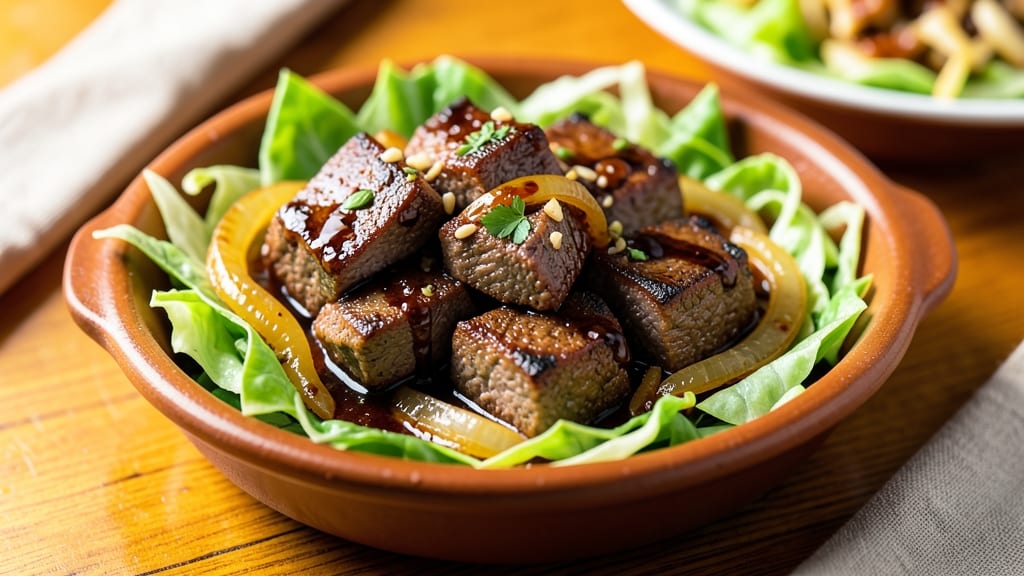
This beef and cabbage Filipino recipe delivers the comforting, garlicky depth of home-style Filipino cooking in every bite. The secret lies in slow-braising tender beef with cabbage until the meat falls apart and the cabbage softens into sweet, savory perfection.
I first made this during a family gathering when we needed a hearty dish that would feed everyone without fuss—it became an instant favorite.
The magic happens in the sauce: a balance of soy sauce, vinegar, and aromatic spices that create layers of umami and tang. Garlic and ginger form the flavor base, while bay leaves and black pepper add warmth.
The beef cooks low and slow until fork-tender, while the cabbage absorbs all those rich flavors, transforming into something far more exciting than plain steamed greens.
What you'll end up with is a steaming bowl of restaurant-quality Filipino beef and cabbage—rich, savory, and packed with texture. The beef stays juicy despite hours of cooking, and the cabbage becomes just tender enough to eat with every bite of meat.
This is the kind of dish that tastes even better the next day, making it perfect for meal prep or feeding a crowd.
Serve it with steamed white rice to soak up every last drop of that garlicky, soy-braised sauce. The combination is pure comfort food, and the leftovers reheat beautifully. Here's how to make it—your taste buds will thank you.
Ingredients for beef and cabbage filipino
Heartier than stew, richer than soup—this Filipino classic brings beef and cabbage together in perfect harmony.
| Ingredient | Amount | Notes |
|---|---|---|
| Beef Chuck Roast 🥩 | 2 lb | Cut into 1.5-inch cubes |
| Green Cabbage 🥬 | 1 whole | Cut into wedges, core removed |
| Yellow Onion 🧅 | 2 whole | Thinly sliced, about 2 cups |
| Garlic Cloves 🧄 | 8 cloves | Minced, about 2 tbsp |
| Fresh Ginger 🌿 | 2 tbsp | Finely grated, about 1 oz |
| Soy Sauce 🍶 | ½ cup | Regular or light soy |
| White Vinegar 🍋 | ¼ cup | Distilled preferred |
| Bay Leaves 🌿 | 2 whole | Dried, standard size |
| Black Peppercorns 🌶️ | 1 tsp | Coarsely crushed |
| Salt 🧂 | 1 ½ tsp | Kosher or sea salt |
| Olive Oil 🫒 | 2 tbsp | For searing beef |
| Water 💧 | 2 cups | Or substitute with beef broth |
| White Rice 🍚 | 3 cups | Uncooked, for serving |
The beef is everything here. Chuck roast is the gold standard—it's got the right amount of fat to stay juicy while braising. Most grocery stores carry it pre-cut, but if you're buying a whole roast, ask the butcher to cube it for you. Costco or Walmart usually have it on sale in the freezer section, which is perfect for making a big batch. The cabbage should be firm and heavy for its size—those light, flimsy heads won't hold up to the long cooking time. Look for green cabbage specifically, not red or savoy varieties, unless you want a slightly different texture. And don't skip the ginger—freshly grated makes all the difference, but if you're in a pinch, powdered ginger at half the amount works okay.
No soy sauce? Coconut aminos in a 1:1 ratio gets you close, though the flavor won't be identical. Short on vinegar? Lemon juice works in a bind, but it'll make the dish slightly more acidic. The bay leaves are non-negotiable—they add that subtle earthy depth that makes this dish taste authentically Filipino. If you can't find fresh ginger, substitute with 1 tsp ground ginger, but it won't have the same complexity. For the cabbage, you can use Napa cabbage if that's what's available, but it'll cook faster and get mushy if you're not careful. And if you're making this for a crowd, double the cabbage—people will go back for seconds.
This dish tastes even better the next day, so make extra if you can. Store it in the fridge for up to 5 days, or freeze portions for 3 months. The sauce thickens as it cools, so you might want to add a splash of water when reheating. For serving, I always cook up a big batch of jasmine rice—it absorbs the sauce perfectly. And if you've got any leftover cabbage, toss it with a little soy sauce and olive oil for a quick side salad. The leftovers reheat beautifully in a pot with a splash of water or even straight from the fridge if you're in a hurry.
Why You'll Love This Recipe
- One-Pot Magic: I swear by this recipe when I’m too tired to wash pots. The chuck roast and cabbage simmer together—no separate pans, no fuss—just rich, savory broth and tender beef that practically falls apart.
- Ginger-Garlic Bomb: That first bite? Pure flavor payoff. The ginger and garlic mingle with the beef’s deep umami, while the cabbage softens into something almost caramelized—like a hug in a bowl.
- Leftovers That Win: Honestly, I make this on Sundays because the second day is even better. The flavors meld into something heartier, and reheating it with a splash of water keeps the cabbage from drying out.
- Budget Feast: A whole chuck roast and a head of cabbage stretch for days. My family begs for seconds, and I’m left with minimal grocery costs—plus, the leftovers make packed lunches feel special.
Step-by-step instructions for savory beef and cabbage stew
This Filipino classic delivers deep, garlicky flavors and tender beef in just one pot.
Sear the Beef for Rich Flavor
Heat a large Dutch oven over medium-high heat and add the 2 tablespoons olive oil. Once shimmering, add the 2 lb beef chuck roast cut into 1.5-inch cubes in a single layer. Let them sear undisturbed for 3-4 minutes until a deep golden-brown crust forms—this creates the stew's foundation of flavor.
Don't overcrowd the pan or the beef will steam instead of sear. Work in batches if needed, adding the second batch only after the first has developed color. Once all beef is browned, transfer it to a plate and set aside. Here's where the magic begins—those browned bits will dissolve into the sauce later, adding incredible depth.
Build the Aromatic Base
In the same Dutch oven, add the 2 whole yellow onion sliced into 2 cups of thin strips. Cook for 4-5 minutes until softened and just beginning to color. Add the 8 cloves garlic cloves (minced) and 2 tablespoons fresh ginger (finely grated), cooking for 1 minute until fragrant—this should take just seconds, as garlic burns quickly.
Stir in the 1.5 teaspoons salt and 1 teaspoon black peppercorns (coarsely crushed). Pour in the 0.5 cup soy sauce and 0.25 cup white vinegar, scraping up any browned bits from the bottom. Add the 2 whole bay leaves and the 2 cups water, then return the beef to the pot. Bring to a gentle simmer, uncovered, for 20 minutes to let the flavors meld.
Add Cabbage and Simmer Slowly
Cut the 1 whole green cabbage into wedges, removing the core. Add the cabbage to the stew and stir gently to submerge. Return to a simmer, then reduce heat to low. Cover partially (leave a small gap for steam to escape) and cook for 1 hour, stirring occasionally. The cabbage should be tender when pierced with a fork, and the beef should be fork-tender with minimal resistance.
If the stew appears too thin after an hour, uncover and simmer for another 10-15 minutes to thicken slightly. The sauce should coat the back of a spoon but still be light enough to let the beef and cabbage shine. Taste and adjust seasoning—add a splash more soy sauce if it needs more umami, or a pinch of salt if needed.
Serve with Steamed Rice
While the stew simmers, prepare the 3 cups white rice according to package instructions for perfectly fluffy grains. Once the stew is ready, remove the bay leaves and discard them. Ladle the stew over the steamed rice, ensuring each serving gets a generous portion of beef, cabbage, and flavorful sauce.
This dish tastes best when served immediately while the rice is still warm. The combination of tender beef, slightly sweet cabbage, and the garlicky soy sauce creates a harmonious balance of flavors that's both comforting and satisfying. Enjoy with extra rice on the side for soaking up every last bit of that delicious sauce!
Pro Tips For Making Beef And Cabbage Filipino
- Sear the Chuck Hard: After years of making this dish, I finally realized the beef needs a proper sear—think deep golden-brown crust, not just a light color. Use a heavy pan, high heat, and let it sit undisturbed for 3-4 minutes per side. This isn’t just for looks; it locks in flavor and keeps the meat tender when it slow-cooks later.
- Shred the Cabbage Right: I used to chop cabbage into big chunks, thinking it’d soften nicely. Wrong. For this dish, tear the leaves into rough 2-inch pieces—big enough to stay intact but small enough to cook through without turning to mush. (Yes, even if it looks messy at first.)
- Bloom the Ginger First: Skip the urge to toss everything in at once. Finely mince the ginger and fry it in oil for 30 seconds until fragrant—this releases its heat and depth before adding onions and garlic. I learned this the hard way when my dish tasted flat because I rushed this step.
- Deglaze Like a Pro: After searing the beef, don’t just splash in liquid and stir. Scrape up those browned bits with a wooden spoon—those are flavor bombs. Add a splash of soy sauce or water, let it bubble, then pour in the rest. It’s the difference between good and really good.
Essential equipment for great beef and cabbage filipino
Dutch Oven Essentials
Your Dutch oven is the workhorse of this recipe—it distributes heat evenly and locks in moisture for perfectly tender beef. I recommend a 5-6 quart Lodge Dutch oven with its cast-iron construction, which retains heat beautifully and develops a natural non-stick patina over time.
If you don't own one, a heavy-bottomed stainless steel pot (like All-Clad) works too, though it may require slightly more attention to prevent scorching. 🔥
Measuring Tools
Precision matters when balancing flavors, so invest in a stainless steel measuring spoons set (like OXO Good Grips) for accurate soy sauce and vinegar measurements. A digital kitchen scale (I use the Escali Primo) helps when measuring the beef—aim for 2 lbs of cubed chuck roast.
For mincing garlic and grating ginger, a microplane is a game-changer over a knife, ensuring fine, even textures that blend seamlessly into the sauce.
Knife and Cutting Board
A sharp 8-inch chef's knife (like Wüsthof) is essential for efficiently cutting the 2 lbs beef chuck roast into 1.5-inch cubes and slicing the 2 whole yellow onions into thin strips. Pair it with a non-slip cutting board (I love the John Boos Maple) to prevent accidents.
For the whole green cabbage, a serrated knife works best to cut through the core cleanly without crushing the wedges.
Thermometer for Perfect Doneness
While this recipe relies on timing, a meat thermometer ensures the beef reaches 195°F for fork-tender perfection. The ThermoWorks Smoke is my go-to—it’s durable and accurate.
Insert the probe into the thickest piece of beef; if it’s not tender enough after 1 hour of simmering, extend the time by 15-20 minutes. The cabbage should reach 165°F when fork-tender, but it’s better slightly undercooked than mushy. 🌡️
Optional: Immersion Blender
For a smoother sauce (if you prefer it less chunky), an immersion blender (like Hamilton Beach Multi-Speed) lets you blend directly in the pot after removing the beef and cabbage.
Pulse for 10-15 seconds to emulsify the sauce while keeping the texture slightly rustic. Skip this step if you love the hearty, textured stew—it’s just as delicious as-is!
Nutrition facts
Frequently asked questions about Filipino beef and cabbage stew
Can I use a different cut of beef for this recipe?
While chuck roast is ideal for its fat content and tenderness, you can substitute with brisket or stew beef—just increase cooking time by 15-20 minutes since these cuts are tougher. Avoid lean cuts like sirloin, as they'll dry out. For extra flavor, marinate the beef in soy sauce and vinegar for 30 minutes before cooking.
Why does my cabbage turn mushy?
Overcooking is the most common issue. Cabbage should be tender but still hold its shape—aim for 1 hour of simmering at low heat. If using Napa cabbage, reduce time to 45 minutes as it cooks faster. Always cut into wedges (not shredded) to maintain texture. For extra firmness, add cabbage only in the last 30 minutes of cooking.
Can I make this dish in an Instant Pot?
Yes! Sear the beef first, then add all ingredients except water. Cook on high pressure for 30 minutes, followed by a 10-minute natural release. The cabbage may be slightly underdone—finish cooking it uncovered for 5 minutes on sauté mode. The sauce will be thinner, so reduce it on the stovetop afterward if needed.
What's the secret to making the sauce extra flavorful?
Don't skip the browned beef bits—they're packed with flavor! Deglaze the pot with 1 tablespoon soy sauce after removing the beef, scraping up all the fond. For deeper umami, add 1 teaspoon fish sauce or 1/2 teaspoon MSG (optional). A splash of calamansi juice (or lemon) brightens the dish too.
How do I store and reheat leftovers?
Store in an airtight container for up to 5 days in the fridge. Reheat gently on the stove with 1/4 cup water to prevent drying. For freezing, portion into 1-2 day servings and freeze for up to 3 months. Thaw overnight in the fridge—never reheat from frozen without thawing first.