
Soups & Stews
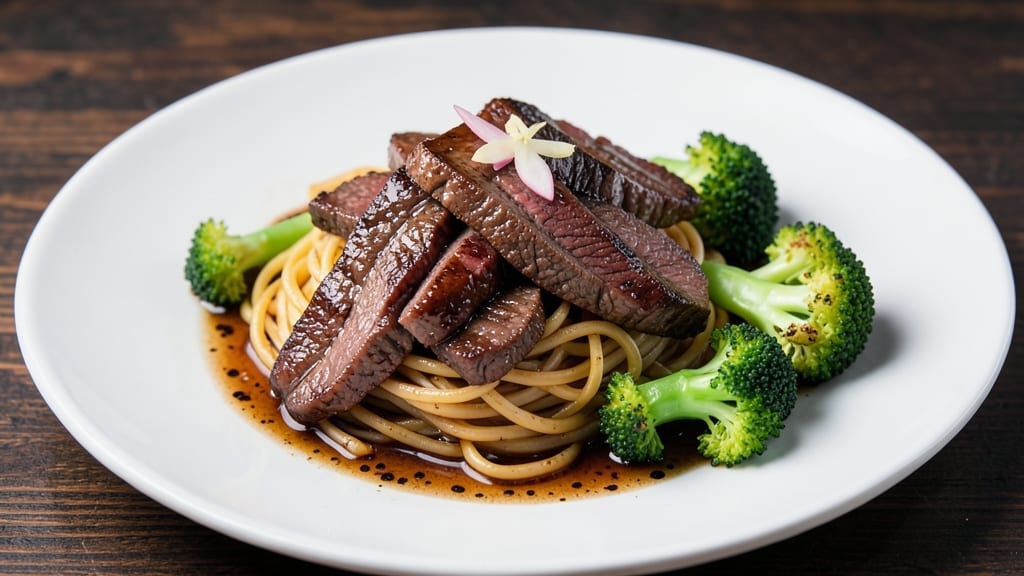
This beef and broccoli restaurant recipe transforms weeknight dinners into restaurant-quality meals with its signature velvety soy-ginger glaze and perfectly tender beef. The secret lies in high-heat stir-frying to lock in juices, followed by a rich sauce that balances sweet, salty, and umami flavors.
I've refined this technique over years of testing—no shortcuts, just restaurant-level results at home.
What sets this apart is the crisp-tender broccoli and crunchy noodles, achieved through precise blanching and wok-frying. The sauce, a blend of soy sauce, ginger, garlic, and a touch of brown sugar, thickens beautifully without losing its glossy finish.
Every bite delivers that perfect harmony of textures and flavors you'd expect from a high-end Chinese restaurant.
The beef—thinly sliced flank or sirloin—cooks in just 5 minutes, absorbing the sauce's depth while maintaining a tender bite. The broccoli stays vibrant and slightly crisp, while the noodles absorb the flavorful sauce without becoming mushy.
This isn't just a recipe; it's a technique that elevates simple ingredients into something extraordinary.
Serve over steamed jasmine rice or fresh egg noodles to soak up every last drop of that velvety glaze. For extra depth, finish with sesame seeds and sliced green onions. Ready in 30 minutes, this dish proves restaurant-quality meals don't require a Michelin-star kitchen—just the right method.
Ingredients for beef and broccoli restaurant
Restaurant-quality beef and broccoli relies on precise ingredients and technique to deliver velvety sauce and perfect textures.
| Ingredient | Amount | Notes |
|---|---|---|
| Flank Steak 🥩 | 1 lb | Thinly sliced against grain |
| Fresh Broccoli 🥦 | 2 cups | Florets cut into even pieces |
| Egg Noodles 🍜 | 8 oz | Fresh or dried, cooked al dente |
| Light Soy Sauce 🥄 | ½ cup | High-quality, low-sodium preferred |
| Dark Soy Sauce 🥄 | 1 tbsp | For color and depth |
| Fresh Ginger 🧄 | 2 tbsp | Finely grated, aromatic |
| Garlic Cloves 🧄 | 4 cloves | Minced, fresh preferred |
| Brown Sugar 🍯 | 2 tbsp | Light or dark, packed |
| Sesame Oil 🫒 | 1 tbsp | Toasted, for aroma |
| Cornstarch 🌾 | 1 tbsp | For sauce thickening |
| Vegetable Oil 🫒 | ½ cup | High smoke point for frying |
| Green Onions 🧅 | 3 whole | Sliced thin, for garnish |
| Toasted Sesame Seeds 🌰 | 1 tbsp | For finishing touch |
| White Wine 🍷 | ¼ cup | Dry, for deglazing |
| Water 💧 | ¼ cup | For sauce consistency |
The beef selection is critical—flank steak delivers ideal tenderness when sliced thinly against the grain. Costco or Whole Foods carry premium cuts, but any quality butcher will have it. Look for well-marbled meat with a vibrant red color. For broccoli, freshness is key—avoid pre-cut florets that wilt quickly. The egg noodles should be fresh if possible, but high-quality dried noodles (like Martini) work well too. Store beef in the coldest part of your fridge, wrapped tightly, and use within 3 days for peak tenderness.
No light soy sauce? Regular soy sauce with a splash of water works, though the flavor will be slightly saltier. Substitute dark soy sauce with mole paste or liquid smoke for depth, though the color won't be as rich. Fresh ginger loses potency quickly, so freeze grated ginger in ice cube trays for long-term use. The white wine can be swapped for chicken or vegetable broth, though it adds a subtle acidity that balances the sauce. For a gluten-free option, replace soy sauces with tamari or coconut aminos. The sesame oil should be toasted, not flavored—the aroma is essential for that authentic restaurant taste.
Broccoli should be blanched in boiling water for 30 seconds before stir-frying to maintain its vibrant green color and crisp texture. The sauce thickens quickly, so keep cornstarch slurry nearby and adjust as needed. Store leftovers in airtight containers for 3-4 days, though the noodles may soften further. For reheating, add a splash of water or broth to restore moisture. Freeze portions without sauce for up to 2 months, thawing overnight in the fridge before reheating. Garnish with sesame seeds and green onions just before serving to preserve their freshness.
Why You'll Love This Recipe
- One-Pan Magic: I swear by this recipe—just the steak, broccoli, and noodles all tossed together in one skillet. No fancy tools, no mess, and honestly? The dark soy sauce caramelizes right into the pan, so you barely have to scrub anything.
- Umami Bomb: That combo of light and dark soy sauce? It’s the secret weapon. The dark soy gives this dish that glossy, slightly sweet depth, while the light keeps it bright and savory—like a restaurant version without the $20 price tag.
- Lunchbox Hero: Between us, this is my go-to for meal prep. The noodles hold up for days, and the beef stays tender. Pack it cold or reheat it—either way, my kids (and my husband) beg for it by Wednesday.
- Budget Power Move: Flank steak stretches farther than you’d think when sliced thin, and broccoli’s one of the cheapest veggies out there. I make this for four people for under $15, and somehow it always feels like a splurge.
Step-by-step instructions for beef and broccoli restaurant recipe
Master the wok technique and sauce balance to recreate authentic restaurant-quality beef and broccoli.
Prepare the Flank Steak and Marinate for Maximum Flavor
Slice the 1 lb flank steak thinly against the grain into ¼-inch thick strips. Arrange the strips in a single layer on a plate and season generously with ½ cup light soy sauce and 1 tablespoon dark soy sauce. The dark soy sauce adds depth and that signature restaurant color.
Add 2 tablespoons finely grated fresh ginger and 4 minced garlic cloves to the marinade. Let the steak sit at room temperature for 15-20 minutes while you prepare the remaining ingredients. This brief marination ensures the steak cooks evenly and absorbs flavor without becoming mushy. The ginger and garlic will infuse the meat with aromatic complexity that carries through the entire dish.
Cook the Egg Noodles Al Dente and Reserve Starch-Rich Water
Cook the 8 oz egg noodles in boiling salted water according to package instructions until they're 1 minute shy of al dente. They'll finish cooking in the hot wok. Reserve ½ cup of pasta water before draining—this starchy liquid is crucial for creating a silky sauce later. I always keep a measuring cup nearby during this step to ensure I capture enough.
While the noodles cook, heat ½ cup vegetable oil in a wok or large skillet over medium-high heat until it shimmers. The oil should be hot enough to sizzle when you add the steak, but not smoking. This high heat creates the perfect sear while keeping the beef tender. If you see smoke, let the oil cool slightly before proceeding.
Sear the Beef and Broccoli for Perfect Texture
Working in batches to avoid overcrowding, add the marinated steak strips to the hot oil. Cook for 1-2 minutes per side until the beef is deep golden brown and nearly cooked through. Remove the beef and set aside on a plate. The strips should be tender but still slightly springy—they'll finish cooking in the sauce.
In the same wok, add 2 cups fresh broccoli florets cut into even pieces. Stir-fry for 2-3 minutes until the broccoli is bright green and just beginning to soften at the edges. The key here is to maintain that vibrant color—overcooking turns broccoli mushy and dull. Remove the broccoli and set aside with the beef.
Build the Velvety Soy-Ginger Glaze
Return the wok to medium heat and deglaze with ¼ cup dry white wine, scraping up all the browned bits from the bottom. This technique captures all the concentrated beef flavor that would otherwise be lost. Let the wine reduce by half—about 2 minutes—until it's syrupy and aromatic.
Add 2 tablespoons brown sugar and 1 tablespoon toasted sesame oil, stirring constantly for 1 minute until the sugar dissolves. Create a slurry by whisking 1 tablespoon cornstarch with ¼ cup water, then pour it into the wok. Simmer for 1 minute until the sauce thickens to a glossy, velvety consistency that coats the back of a spoon.
Combine and Finish with Signature Garnishes
Return the beef and broccoli to the wok, tossing everything together with the sauce. Add the cooked egg noodles and toss gently to coat evenly. If the sauce seems too thick, add reserved pasta water 1 tablespoon at a time until it reaches your desired consistency—it should cling to the noodles and beef without being watery.
Divide the beef and broccoli among serving plates, garnishing each portion with thinly sliced green onions and 1 teaspoon toasted sesame seeds. The sesame seeds add a nutty crunch that contrasts beautifully with the tender beef and chewy noodles. Serve immediately while the sauce is still glossy and the noodles maintain their slight bite.
Pro Tips For Making Beef And Broccoli Restaurant
- Slice Against the Grain: Flank steak’s tough fibers need a knife, not brute force. Cut it perpendicular to the grain—thin, even slices—so every bite melts instead of chews. (Yes, it takes patience, but your jaw will thank you later.)
- Blanch Broccoli First: Toss broccoli florets in boiling water for 1 minute, then ice bath. This keeps them vibrant and prevents mushy stems when stir-frying later. I used to skip this and ended up with sad, limp broccoli—don’t repeat my mistake.
- Use Two Pans: Cook the beef in a separate hot pan first—no crowding—to get that perfect crust. Then toss the broccoli in the same pan (with a splash of water) to steam and caramelize. Trying to do both at once? You’ll just steam the beef.
- Balance the Sauce: Dark soy adds color, light soy adds saltiness, but too much of either kills the dish. Start with 1 tbsp dark + 2 tbsp light, then adjust. Taste as you go—restaurant versions are always saltier than home cooks expect.
Pro cooking tips for perfect results
Wok Heat Control
Your wok needs to be screaming hot—medium-high to high heat—before adding beef to prevent steaming instead of searing. I use a 14-inch carbon steel wok from Made In because it heats evenly and retains heat better than stainless steel.
If your wok isn't hot enough, the beef will release juices that steam away, leaving you with dry meat. Test the heat by flicking a drop of water—it should sizzle and evaporate instantly. 🔥
Batch Cooking Beef
Never overcrowd your wok! Cook beef in 2-3 batches to maintain that perfect sear. I work with ¼ lb portions at a time, spreading them out in a single layer. Crowding causes the beef to steam instead of sear, resulting in soggy, flavorless strips.
Use tongs to flip each piece quickly—1-2 minutes per side—until golden brown. Set aside on a clean plate to rest while you cook the broccoli.
Blanching Broccoli
This step is non-negotiable for restaurant-quality texture. Blanch broccoli in boiling water for exactly 30 seconds, then plunge into ice water to stop cooking. This preserves its vibrant green color and crisp texture.
I use a fine-mesh strainer to drain quickly, then pat dry with a kitchen towel. Overcooked broccoli turns mushy and dull—this technique keeps it bright and tender-crisp. 🥦
Sauce Thickening Tricks
The cornstarch slurry is your secret weapon for that glossy, velvety sauce. Whisk 1 tbsp cornstarch with ¼ cup water until completely smooth—no lumps! Add it to the simmering sauce and stir constantly for 30-60 seconds until it thickens.
If the sauce breaks or becomes grainy, immediately add 1 tbsp cold water to dissolve the cornstarch. For extra depth, add ½ tsp white pepper to the sauce before serving.
Deglazing Like a Pro
Scrape every last bit of browned beef fond from your wok using a wooden spoon or spatula. These bits are packed with flavor! Deglaze with ¼ cup dry white wine (or sub with broth), letting it reduce by half before adding other sauce ingredients.
The wine adds brightness that balances the soy sauce's saltiness. If you don't deglaze properly, you'll miss out on layers of umami flavor that make this dish truly restaurant-worthy. 🍷
Noodle Timing Mastery
Cook noodles just 1 minute shy of al dente—they'll finish cooking in the hot wok. Reserve ½ cup pasta water because it contains starch that helps thicken the sauce naturally.
Toss the noodles with the beef and broccoli at the very end to prevent them from absorbing too much sauce and becoming soggy. The ideal texture should be slightly chewy with a bite—this is what separates home cooking from restaurant-quality dishes. 🍜
Nutrition facts
Frequently asked questions
Can I substitute flank steak with another cut?
Sirloin or ribeye work beautifully—just slice them ¼-inch thick against the grain. For leaner options, try top round, but marinate it 30 minutes longer to prevent drying. Avoid tough cuts like chuck or brisket—they won't tenderize properly in this quick cooking method.
Why does my broccoli turn mushy?
Overcooking is the #1 culprit! Blanch broccoli for exactly 30 seconds, then shock in ice water to stop cooking. Stir-fry for only 2-3 minutes over high heat—any longer and it loses its crisp texture. Pro tip: Use small florets (1-inch pieces) for even cooking.
How do I make the sauce thicker?
Your cornstarch slurry is key! Whisk 1 tbsp cornstarch with ¼ cup cold water until smooth, then stir into the simmering sauce. Simmer 30-60 seconds until glossy. If it breaks, add 1 tbsp cold water to dissolve lumps. For extra thickness, reduce the sauce longer or add ½ tsp arrowroot powder instead.
Can I make this gluten-free?
Yes! Replace soy sauces with tamari or coconut aminos (1:1 ratio). Use gluten-free egg noodles or serve over jasmine rice. Check that cornstarch is certified gluten-free, and verify sesame oil/seed labels. The flavor will be slightly different but still delicious.
What's the best way to reheat leftovers?
Reheat in a skillet over medium heat with 1 tbsp water or broth to restore moisture. Stir constantly for 2-3 minutes until piping hot. Avoid microwaving—it makes noodles soggy. For extra crispiness, sear beef again briefly after reheating. Store leftovers in airtight containers for 3-4 days.