
Soups & Stews
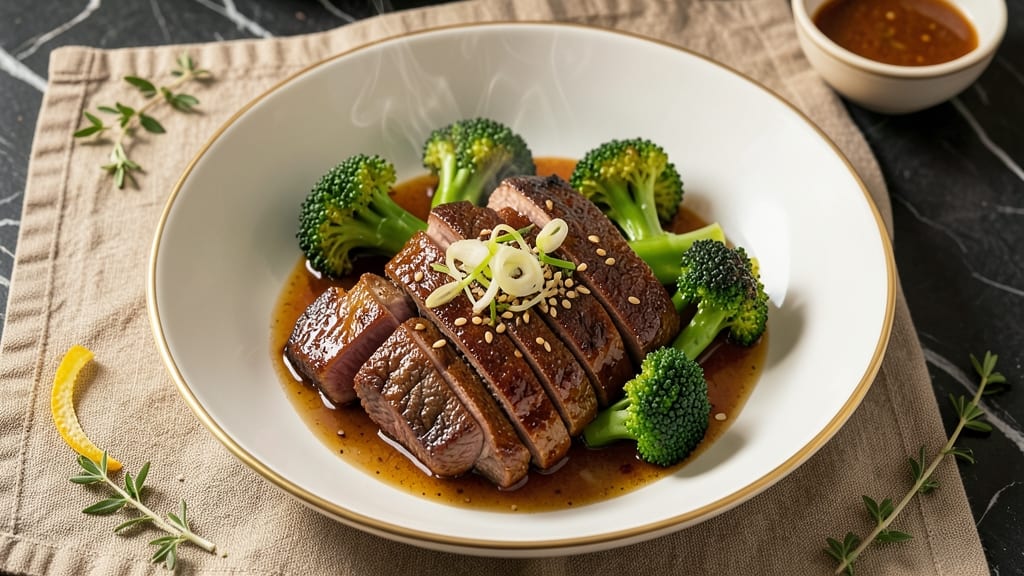
This beef and broccoli recipe with velveting transforms tough beef into silky-smooth bites that melt in your mouth. The secret lies in marinating the beef in a cornstarch and egg mixture before cooking, creating a texture that's impossibly tender.
I developed this technique after years of perfecting stir-fries, and the difference is night and day compared to traditional methods.
The velveting process ensures the beef stays juicy and tender while absorbing minimal oil, making every bite succulent. You'll stir-fry the beef to a perfect sear, then combine it with crisp-tender broccoli and a savory sauce that balances sweet, salty, and umami flavors.
This method works equally well in a wok or skillet, giving you flexibility for any kitchen setup.
What you'll end up with is a restaurant-quality dish where the beef is fork-tender, the broccoli remains crisp, and the sauce coats everything in a velvety sheen. The velveting technique eliminates the need for long marinating times, making this a foolproof method that delivers professional results at home.
Whether you're serving this as a weeknight dinner or a special occasion meal, the velveting method guarantees success. The recipe scales easily for larger gatherings, and you can adapt the sauce to suit dietary preferences without sacrificing flavor. Let's get started on creating this tender, flavorful masterpiece.
Ingredients for beef and broccoli recipe velveting
The velveting technique relies on precise ingredients for silky beef and velvety sauce.
| Ingredient | Amount | Notes |
|---|---|---|
| Flank Steak 🥩 | 1 ½ lb | Thinly sliced against grain |
| All-Purpose Flour 🌾 | ½ cup | For velveting mixture |
| Large Eggs 🥚 | 2 whole | Room temperature preferred |
| Cornstarch 🌾 | ¼ cup | For velveting texture |
| Soy Sauce 🥢 | ½ cup | High-quality, low-sodium preferred |
| Oyster Sauce 🥢 | ¼ cup | For umami depth |
| Honey 🍯 | 2 tbsp | For sweet-salty balance |
| Garlic Cloves 🧄 | 6 cloves | Minced for aromatic base |
| Fresh Ginger 🌿 | 1 tbsp | Grated, for zesty kick |
| Sesame Oil 🫒 | 1 tbsp | Toasted aroma |
| Vegetable Oil 🫒 | ½ cup | High smoke point |
| Broccoli Florets 🥦 | 2 cups | Medium-sized florets |
| Green Onions 🧅 | 4 whole | Sliced for garnish |
| Salt 🧂 | 1 ½ tsp | Diamond Crystal preferred |
| Black Pepper 🌶️ | ½ tsp | Freshly ground |
The flank steak is non-negotiable for this velveting method—its lean yet tender profile transforms beautifully. Purchase from a trusted butcher or Whole Foods for optimal marbling. Thinly slice against the grain immediately before cooking to prevent drying. For larger batches, consider Costco's pre-sliced flank steak to save prep time. The cornstarch and egg mixture creates the signature velvety texture, so ensure your eggs are room temperature for even emulsification. I always use Diamond Crystal kosher salt for consistent flavor balance—it dissolves more easily than table salt.
No soy sauce? Coconut aminos work in a pinch, though the umami depth will differ slightly. Substitute oyster sauce with hoisin sauce for a sweeter profile, but reduce by one-third to maintain balance. The honey should be pure, not corn syrup—Manuka honey adds subtle antibacterial benefits. For garlic, freshly minced is ideal, but garlic powder at half the amount works in a bind. The broccoli should be crisp-tender when cooked—overcrowding the pan causes steaming instead of searing. Store prepped ingredients in airtight containers: sliced beef in the fridge for up to 2 hours, broccoli for 3 days.
This dish reheats beautifully—double-wrap portions in foil to preserve moisture. The velveted beef stays tender for 3 days refrigerated or 3 months frozen, though texture degrades slightly after freezing. For meal prep, portion sauce separately to prevent sogginess. The sesame oil should be stored in a cool, dark place—light exposure turns it rancid. Fresh ginger keeps for 2 weeks in the fridge, while garlic cloves last 6 months in a mesh bag in the pantry. Always taste the sauce before serving—adjust honey or soy sauce as needed.
Why You'll Love This Recipe
- Velvet Magic in Minutes: The velveting trick—marinating the steak in soy sauce, cornstarch, and egg—turns tough flank steak into melt-in-your-mouth perfection. No fancy knife skills, no waiting hours; just 15 minutes of hands-off marinating while you chop broccoli.
- Umami Bomb Ready: That combo of soy sauce and cornstarch? It’s like flavor crack. The steak stays juicy but gets this addictive crispy crust, and the broccoli? Just salt, oil, and a quick stir-fry—no overpowering sauces, just pure beefy goodness.
- Lunchbox Hero: Between us, this is my go-to for meal prep. Toss the leftovers in a container, and you’ve got a protein-packed lunch that still tastes like a restaurant meal. (Yes, even on a Tuesday night.)
- Budget Power Move: Flank steak stretches further than you’d think, and the ingredients? Basic pantry staples. I’ve fed four people for under $15 with this—plus, the leftovers reheat like a dream. Practical? Absolutely. Delicious? Ridiculously.
Step-by-step instructions for beef and broccoli with velveting technique
Master the velveting method for beef that's impossibly tender and a sauce so silky it clings perfectly.
Prepare the Velveting Marinade and Slice the Beef
In a mixing bowl, combine the 0.5 cup all-purpose flour, 0.25 cup cornstarch, 1.5 tsp salt, and 0.5 tsp black pepper. This dry blend creates the velveting barrier that keeps the beef insanely tender. Meanwhile, slice the 1.5 lb flank steak thinly against the grain into ¼-inch thick strips—this ensures each bite melts in your mouth.
Whisk the 2 whole large eggs in a separate bowl until the yolks and whites are fully combined. Add the 0.5 cup soy sauce and 0.25 cup oyster sauce to the eggs, mixing until smooth. This marinade not only flavors the beef but also helps create the signature velvety texture through the cornstarch reaction.
Velvet the Beef for Maximum Tenderness
Working in batches to avoid overcrowding, dip each strip of beef into the egg mixture first, allowing any excess to drip off. Then immediately coat each piece thoroughly in the flour-cornstarch blend, pressing gently to adhere. Place the coated beef on a wire rack set over a plate—this prevents steaming and ensures even cooking.
Refrigerate the coated beef for 30 minutes. This chilling step is crucial—it allows the cornstarch to fully activate and form that signature velvety coating. The beef should feel slightly resistant when pressed, indicating proper adhesion. Don't skip this step; it's what transforms tough flank steak into melt-in-your-mouth perfection.
Cook the Broccoli and Prepare the Sauce Base
Heat 0.25 cup vegetable oil in a wok or large skillet over medium-high heat until shimmering. Add the 2 cups broccoli florets and stir-fry for 3-4 minutes until they turn bright green and just begin to soften at the edges. Remove the broccoli and set aside, leaving the oil in the pan.
In the same pan, add 0.5 cup vegetable oil and swirl to coat the bottom. Add the 6 cloves minced garlic and 1 tbsp grated fresh ginger, cooking for 30 seconds until fragrant but not browned. Here's where the magic happens: pour in the 2 tbsp honey, letting it caramelize slightly for 1 minute—this adds depth to the sauce. The residual cornstarch from the beef will later transform this into a glossy, clinging sauce.
Sear the Velveted Beef to Perfection
Working in batches, add the velveted beef strips to the hot pan in a single layer. Let them sear undisturbed for 1-2 minutes until they develop a golden crust on one side. Flip and sear the other side for another 1-2 minutes. The cornstarch coating should begin to bubble and turn translucent—this is your visual cue that the velveting is working.
Once all the beef is browned, add back the broccoli along with 1 tbsp sesame oil. Stir everything together for 1 minute to combine. The residual heat will finish cooking the beef to 145°F internal temperature while keeping it juicy. The broccoli should be bright green with just a hint of tenderness—it will finish cooking in the sauce.
Finish with the Signature Sauce
Pour in 0.5 cup soy sauce and 0.25 cup oyster sauce, stirring vigorously to incorporate all the browned bits from the pan. Let the sauce simmer for 2-3 minutes until it thickens slightly and coats the back of a spoon. The cornstarch from the velveting mixture reacts with the moisture to create that signature silky texture.
Garnish with 4 sliced green onions and serve immediately over steamed rice. Each bite should deliver perfectly tender beef with a glossy, clinging sauce that balances sweet, salty, and umami flavors. The broccoli should be vibrant and just crisp-tender, providing a perfect contrast to the rich beef.
Pro Tips For Making Beef And Broccoli Recipe Velveting
- Slice Against the Grain: Flank steak’s fibers run long, and if you don’t cut them perpendicular, your beef will turn to chewy rubber. I learned this the hard way—after slicing too thinly against the grain, I had to eat it with chopsticks like a noodle. Use a sharp knife and aim for ¼-inch thick slices, then cut diagonally to shorten the fibers.
- Velvet First, Sear Later: The velveting marinade (soy sauce, cornstarch, egg) is your secret weapon, but don’t rush it. After coating the beef, let it sit for at least 15 minutes—20 if you’re impatient like me—so the cornstarch fully breaks down. Then sear on high heat for that crust, but don’t skip the low-and-slow finish to render the juices.
- Skip the Overcrowded Pan: I used to toss everything in at once, thinking it’d save time. Wrong. Broccoli steams in its own juices, turning soggy while the beef gets a sad, uneven sear. Cook the beef first in batches, then push it aside and add the broccoli—just 2-3 minutes max—so it stays crisp. Your future self will thank you.
- Use Cold Eggs for Clean Coating: Room-temperature eggs make a mess. Crack them straight from the fridge into a bowl, whisk vigorously, then dip the beef. The cold helps the cornstarch cling evenly, so every bite gets that silky, glossy finish. (Yes, even if you’re in a hurry—just let the eggs sit out for 5 minutes first.)
Common mistakes when making your beef and broccoli recipe velveting
Skipping the Chill
One of the most common mistakes is skipping the 30-minute refrigeration after coating the beef. This step allows the cornstarch to fully activate and form that signature velvety coating.
Without it, the beef will be tough and the sauce won't cling properly. I've made this mistake—trust me, the difference is night and day. 🌡️
Overcrowding the Pan
Adding too much beef at once causes steaming instead of searing, leading to soggy results. Work in batches to give each piece room to develop that golden crust. I use a 12-inch cast iron skillet and never exceed ½ inch of beef depth in the pan.
Overcrowding also makes it harder to flip evenly, resulting in uneven cooking.
Using Cold Ingredients
Cold beef, eggs, or oil can cause the cornstarch coating to clump or fail to activate properly. Always use room-temperature eggs and let the beef sit at room temperature for 20-30 minutes before slicing.
I keep my oil heated to 350°F before adding the beef—this ensures proper searing and velveting. Cold ingredients disrupt the Maillard reaction, leading to bland, undercooked beef.
Incorrect Slicing Technique
Slicing the beef with the grain instead of against it results in chewy, stringy texture. Always cut ¼-inch thick slices perpendicular to the muscle fibers. Use a sharp chef's knife and keep it at a 45-degree angle for clean cuts.
I like to slice the beef while it's partially frozen for easier control—just don't let it thaw completely before cooking.
Undercooking the Beef
Velveted beef should reach 145°F internal temperature—any lower and it'll be raw. Use an instant-read thermometer to check doneness. The cornstarch coating makes it easy to overlook proper cooking temps. I've seen many home cooks pull beef from the pan too soon, resulting in rubbery texture.
The sauce will finish cooking the beef slightly, but you need that initial sear to build flavor.
Ignoring Sauce Timing
Rushing the sauce by not letting it simmer for 2-3 minutes means you'll miss the cornstarch reaction that creates that signature silky texture. The sauce should coat the back of a spoon when finished.
I've made the mistake of adding the sauce too early—always wait until the beef is properly browned before combining everything. The residual cornstarch from the beef transforms the simple soy-oyster mixture into a luxurious sauce. 💫
Nutrition facts
Frequently asked questions
Why does velveting make the beef so tender?
The velveting process uses cornstarch and egg to create a protective barrier that prevents moisture loss during cooking. When the beef cooks, the cornstarch absorbs liquid and swells, turning tough muscle fibers into silky, melt-in-your-mouth bites. This method works particularly well with lean cuts like flank steak that can dry out easily.
Can I use other proteins with this velveting technique?
This technique works beautifully with chicken thighs, pork tenderloin, or even shrimp. For chicken, reduce the velveting time to 15-20 minutes in the fridge, and for shrimp, skip the cornstarch and use just egg wash with a pinch of baking soda for extra tenderness. The key is maintaining the same ratio of cornstarch to protein.
What's the best way to reheat leftover velveted beef?
Reheat leftovers gently in a skillet over low heat with just 1 teaspoon of oil for 2-3 minutes until warmed through. Avoid microwaving as it can make the beef rubbery. For best results, store portions in airtight containers with a thin layer of sauce to prevent drying. The beef stays tender for 3 days refrigerated.
How can I make this recipe gluten-free?
Replace the all-purpose flour with 0.5 cup gluten-free flour blend and use tamari or coconut aminos instead of soy sauce. For extra binding power, add 1 teaspoon xanthan gum to the velveting mixture. The cornstarch can remain as is since it's naturally gluten-free. Test the sauce consistency carefully as gluten-free flours absorb differently.
What vegetables pair well with velveted beef?
Beyond broccoli, try bell peppers for sweetness, snap peas for crunch, or baby bok choy for a quick-cooking alternative. For heartier meals, add mushrooms or water chestnuts. The key is selecting vegetables with similar cooking times to maintain texture contrast. I recommend blanching denser veggies like carrots first to prevent overcooking.