
Soups & Stews
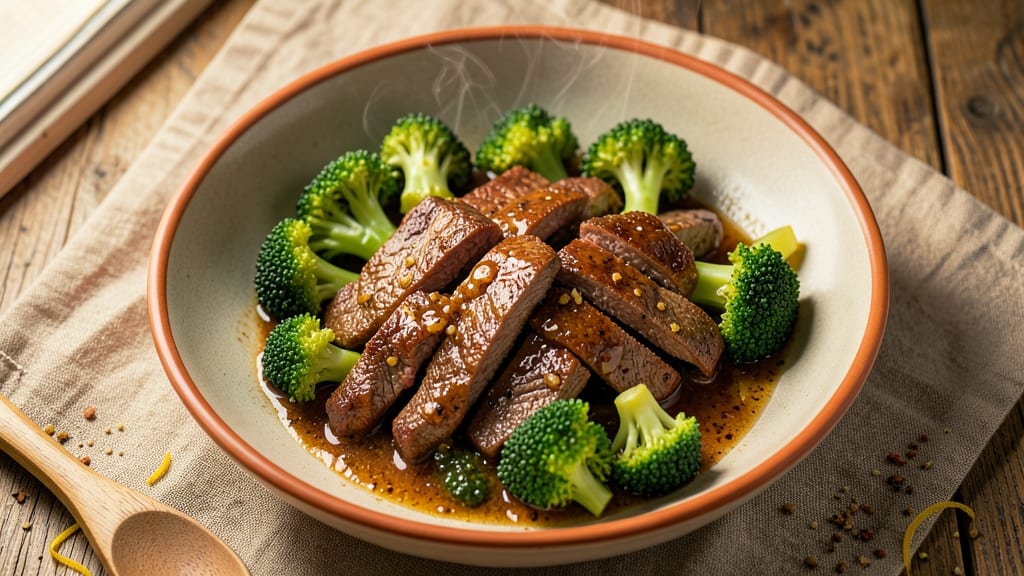
This Filipino beef and broccoli recipe delivers restaurant-quality crispy edges and savory depth in just 30 minutes. The secret lies in a perfect balance of soy sauce, vinegar, and oyster sauce that creates a glossy, umami-rich glaze while keeping the beef tender and the broccoli vibrant.
I developed this version after years of experimenting with Filipino comfort food, and it never fails to impress—whether you're feeding a crowd or treating yourself to a weeknight meal.
The dish starts with a quick marinade of soy sauce, vinegar, and a touch of sugar to tenderize the beef, followed by a fast sear in a hot wok or skillet.
The garlic and ginger toasted in the same pan infuse the oil with aromatic depth before the beef joins, ensuring every bite is packed with flavor. Broccoli florets are added later to maintain their crisp-tender texture, while a splash of vinegar brightens the sauce just before serving.
What sets this apart is the crispy garlic crunch topping, which adds a satisfying textural contrast to the silky sauce and tender beef. The dish comes together in one pan, making cleanup effortless while delivering restaurant-quality results at home.
Serve it over steamed rice to soak up every last drop of that flavorful sauce.
The beauty of this recipe is its versatility—it works as a main dish or a hearty side, and the flavors only improve as leftovers sit overnight. Garnish with extra fried garlic and sesame seeds for an authentic touch that elevates the dish from good to unforgettable. Let's get cooking!
Ingredients for beef and broccoli filipino
This Filipino beef and broccoli brings restaurant-quality crispy edges and umami depth to your home kitchen.
| Ingredient | Amount | Notes |
|---|---|---|
| Flank Steak 🥩 | 1 ½ lb | Thinly sliced against grain |
| Broccoli Florets 🥦 | 2 cups | Medium florets, stems trimmed |
| Garlic Cloves 🧄 | 6 cloves | Minced for marinade and topping |
| Fresh Ginger 🌿 | 1 tbsp | Finely grated, peeled |
| Soy Sauce 🍶 | ½ cup | High-quality, like Kikkoman |
| Cane Vinegar 🍋 | 2 tbsp | White vinegar works too |
| Oyster Sauce 🍲 | 2 tbsp | Authentic Filipino brand preferred |
| Granulated Sugar 🍚 | 1 tbsp | Brown sugar adds depth |
| Vegetable Oil 🫒 | 3 tbsp | High smoke point preferred |
| Sesame Oil 🫒 | 1 tsp | For finishing aroma |
| Toasted Sesame Seeds 🌾 | 1 tbsp | For garnish |
| Salt 🧂 | 1 tsp | Kosher or sea salt |
| Ground Black Pepper 🌶️ | ½ tsp | Freshly ground preferred |
| Cornstarch 🌾 | 1 tbsp | For sauce thickening |
| Water 💧 | 2 tbsp | For cornstarch slurry |
The flank steak is non-negotiable for this dish—its lean texture slices beautifully when cut against the grain, delivering tender bites. Grab a pound or so from the butcher counter (they'll slice it for you) or ask for pre-sliced beef at Filipino markets—they often carry it ready to cook. For the broccoli, smaller florets stay crispier, so trim the stems and cut into even-sized pieces. The garlic? Freshly minced is a must—pre-minced garlic lacks the aromatic punch this dish needs. Toast your sesame seeds in a dry pan for 30 seconds until fragrant; they'll add that nutty crunch that sets this apart from other beef and broccoli recipes.
No oyster sauce? Hoisin sauce or soy sauce with a splash of fish sauce works in a pinch, though the umami depth won't be identical. Running short on cane vinegar? Rice vinegar is a decent swap, but add an extra teaspoon of sugar to balance the flavor. The cornstarch slurry is key for that glossy, restaurant-quality sauce—mix it well to avoid clumps. For the crispy garlic topping, fry the minced garlic in 1 tbsp of oil until golden (about 2 minutes), then drain on paper towels. The broccoli can be lightly blanched first if you prefer it extra tender, but I like it just crisp-tender to cut through the rich sauce.
This dish reheats beautifully—double the sauce if you're making leftovers, as it thickens when chilled. Store in an airtight container for up to 3 days in the fridge, or freeze for 3 months (the sauce actually improves overnight). For serving, steamed jasmine rice is traditional, but cauliflower rice works for a lower-carb option. Garnish with extra fried garlic and sesame seeds right before eating—they lose their crunch when stored. The sauce clings perfectly to rice, so make extra for dipping!
Why You'll Love This Recipe
- One-Pan Magic: I swear by this recipe—just sear the steak, toss in the broccoli and aromatics, then let the soy and ginger work their magic. No fancy gadgets, no extra pots, and the cleanup is ridiculously fast.
- Umami Bomb: That combo of garlic, ginger, and soy sauce? It’s like a flavor explosion in your mouth. The steak stays tender with just the right chew, while the broccoli gets that perfect crisp-tender bite—no soggy florets here.
- Meal Prep MVP: Between us, this is my go-to for busy weeks. Double the batch, and you’ve got lunch for days. The flavors actually improve the next day—yes, even on a Tuesday night—so it’s perfect for leftovers.
- Budget-Friendly Powerhouse: Flank steak stretches far, broccoli’s cheap, and a few cloves of garlic and ginger go a long way. I feed my whole family well without breaking the bank, and honestly? Nobody ever complains about the leftovers.
Step-by-step instructions for soy-sauce glazed beef and broccoli
Here's the method for achieving that signature Filipino restaurant texture—crispy steak, glossy sauce, and tender broccoli.
Marinate and Prep the Flank Steak
Slice the 1.5 lb flank steak thinly against the grain into ¼-inch strips. Place them in a bowl and add the 0.5 cup soy sauce, 2 tbsp cane vinegar, 1 tbsp finely grated fresh ginger, 1 tsp salt, and 0.5 tsp ground black pepper. Mix well to coat completely. Let it marinate for at least 30 minutes—this tenderizes the meat and infuses it with flavor. For best results, marinate up to 2 hours in the refrigerator.
While the steak marinates, trim the stems from the 2 cups broccoli florets and cut them into even-sized pieces. This ensures they cook uniformly. Keep both the steak and broccoli at room temperature before cooking—cold ingredients can cause uneven cooking.
Sear the Steak for Crispy Edges
Heat 2 tbsp of the 3 tbsp vegetable oil in a large skillet or wok over medium-high heat until shimmering. Add half of the marinated steak strips in a single layer, leaving space between pieces. Cook undisturbed for 1-2 minutes until the edges turn golden brown and crispy. This is crucial for that restaurant-quality texture.
Flip the steak and cook for another 30 seconds, then transfer to a plate. Repeat with the remaining steak, adding more oil if needed. The steak should be cooked through but still tender—it will finish cooking in the sauce. If the steak releases easily from the pan, it's ready. If not, cook for another 30 seconds.
Cook the Broccoli Until Bright Green
In the same skillet, add the remaining 1 tbsp vegetable oil and the 2 cups broccoli florets. Stir-fry over medium-high heat for 3-4 minutes until the broccoli turns bright green and just begins to soften. Overcooking will turn it mushy—this is the moment to remove it from the pan. Transfer to a plate and set aside.
While the broccoli cooks, mince the 6 cloves garlic cloves and set aside. The broccoli should retain its vibrant color and slight crunch—this indicates it's perfectly cooked. If you notice any stems that take longer to cook, remove them first and add the florets later.
Build the Glossy Soy-Glaze Sauce
Reduce the heat to medium and add the minced garlic to the skillet. Cook for 30 seconds until fragrant—this prevents the garlic from burning and adds depth to the sauce. Pour in the 2 tbsp oyster sauce, 1 tbsp granulated sugar, and the remaining marinated steak. Stir to combine, allowing the sauce to coat the steak evenly.
In a small bowl, whisk together the 1 tbsp cornstarch and 2 tbsp water to create a slurry. Slowly pour this into the skillet while stirring constantly. The sauce will begin to thicken immediately—this is the key to achieving that glossy, restaurant-style finish. Simmer for 1-2 minutes until the sauce coats the back of a spoon.
Finish and Serve with Crispy Garlic
Return the broccoli to the skillet and toss everything together. Drizzle with the 1 tsp sesame oil and sprinkle with the 1 tbsp toasted sesame seeds. Stir gently to combine, allowing the sesame oil to infuse into the dish. The sauce should now have a glossy sheen and cling to the steak and broccoli.
Taste and adjust seasoning if needed—add a splash of soy sauce for saltiness or a touch of sugar for balance. Serve immediately over steamed rice, garnished with extra sesame seeds. The steak should be tender with crispy edges, the broccoli bright green and slightly crisp, and the sauce glossy and flavorful.
Pro Tips For Making Beef And Broccoli Filipino
- Slice Thin, Cook Fast: Flank steak’s chewy reputation is real, but thin slices (¼-inch max) and a screaming-hot wok or skillet cut through it. I used to overcook it trying to tenderize—now I sear strips for 30 seconds per side, then pull them out early to finish in the sauce. The meat stays juicy, and the edges get that perfect caramelized bite.
- Blanch Broccoli First: Skip the mushy florets by blanching broccoli in boiling water for 30 seconds before stir-frying. Drain and shock in ice water—this keeps the color vibrant and texture crisp. I learned this the hard way after serving sad, limp broccoli that looked like it’d been boiled for 10 minutes.
- Toast Garlic, Don’t Burn It: Low heat is your friend here. Sauté minced garlic in oil until it’s golden (not browned)—that’s the sweet spot for flavor without bitterness. I was skeptical until I tried it: the aroma alone makes the dish smell like a Filipino comfort-food hug.
- Deglaze with Soy Sauce: After searing the beef, don’t just dump sauce in—deglaze the pan with a splash of water or white wine first. Scrape up those browned bits (they’re flavor bombs) before adding soy sauce. This isn’t the prettiest method, but it’s the tastiest—every spoonful packs more depth.
Pro cooking tips for this recipe
Pan Prep Matters
Use a heavy-bottomed skillet or wok (I recommend Made In stainless steel) to distribute heat evenly and prevent hot spots. Heat the oil until it shimmers but doesn't smoke—this ensures the beef gets that perfect golden-brown crust without burning.
A 14-inch cast iron skillet works best for this recipe, but a nonstick pan with a lid can help retain moisture if you're short on cookware. 🔥
Steak Slice Precision
Slice the flank steak thinly against the grain—about ¼-inch thick—for maximum tenderness. Use a sharp chef's knife and cut at a 45-degree angle to create uniform strips.
If your butcher doesn't slice it for you, ask for pre-sliced beef at a Filipino market—they often carry it ready for stir-frying. Freezing the steak for 30 minutes before slicing makes it easier to cut thinly. ⚡
Sauce Thickening Tricks
The cornstarch slurry is your secret weapon for that glossy, restaurant-style sauce. Whisk it smoothly to avoid lumps, then pour it in a slow stream while stirring constantly. If the sauce thickens too quickly, add 1 tbsp water to loosen it.
For extra depth, add ½ tsp fish sauce to the slurry—it enhances the umami without overpowering. Taste as you go and adjust with soy sauce or sugar as needed. 💫
Broccoli Timing
Broccoli cooks fast—remove it from the pan the second it turns bright green (about 3-4 minutes). Overcooking turns it mushy, which kills the dish's texture contrast. If using larger florets, cut them smaller or blanch them for 30 seconds in boiling water first to ensure even cooking.
Keep the broccoli separate until the very end to maintain its crisp-tender bite. 🥦
Garlic Crunch Hack
For extra-crispy garlic, fry the minced cloves in 1 tbsp oil until golden brown (about 2 minutes). Drain on a paper towel to remove excess oil, then sprinkle over the dish right before serving.
This adds a textural contrast that makes the dish feel restaurant-quality. If you're short on time, use pre-minced garlic but toast it in the pan for 1 minute to develop flavor. 🧄
Heat Control Secrets
Start with medium-high heat for searing, then reduce to medium when building the sauce. High heat burns the garlic and sugar, while low heat won't thicken the sauce properly. If your pan isn't hot enough, the steak will steam instead of sear—this is why preheating the pan is non-negotiable.
A thermometer helps, but trust your instincts: the oil should ripple when a drop of water sizzles on the surface. 🌡️
Nutrition facts
Frequently asked questions
Can I substitute flank steak with another cut?
Yes! Flank steak is ideal for its tenderness, but you can use sirloin or ribeye instead. For tougher cuts like chuck roast, slice thinner and marinate for 4-6 hours to ensure tenderness. Avoid fatty cuts like ribeye—they release too much fat and can make the sauce greasy.
What if I don't have oyster sauce?
No problem! Mix 1 tbsp soy sauce + ½ tsp fish sauce + ½ tsp sugar as a substitute. For a vegetarian version, use 1 tbsp hoisin sauce + ½ tsp soy sauce. The dish will still taste delicious, though oyster sauce adds that signature Filipino umami depth.
How do I make this dish spicier?
Add ½ tsp chili flakes or 1 tbsp sriracha to the sauce, or stir in 1-2 tbsp chopped fresh chili peppers during the final toss. For heat without spice, add ½ tsp ground Sichuan peppercorns to the marinade. Adjust to taste—Filipino cuisine often balances sweet, sour, and spicy flavors.
Can I make this ahead of time?
Store leftovers in an airtight container for 3-4 days in the fridge. The sauce actually improves overnight. Reheat gently in a pan with a splash of water to restore moisture. For freezing, portion the dish (without rice) and freeze for up to 3 months. Thaw overnight in the fridge before reheating.
Why is my sauce too thin?
This usually happens if the cornstarch slurry wasn't whisked smooth or if you added too much liquid. For a quick fix, mix ½ tsp cornstarch + 1 tsp water and stir into the sauce. Simmer for 1-2 minutes** until thickened. Always whisk the slurry vigorously to prevent clumps—this is the #1 reason sauces fail!