
Soups & Stews
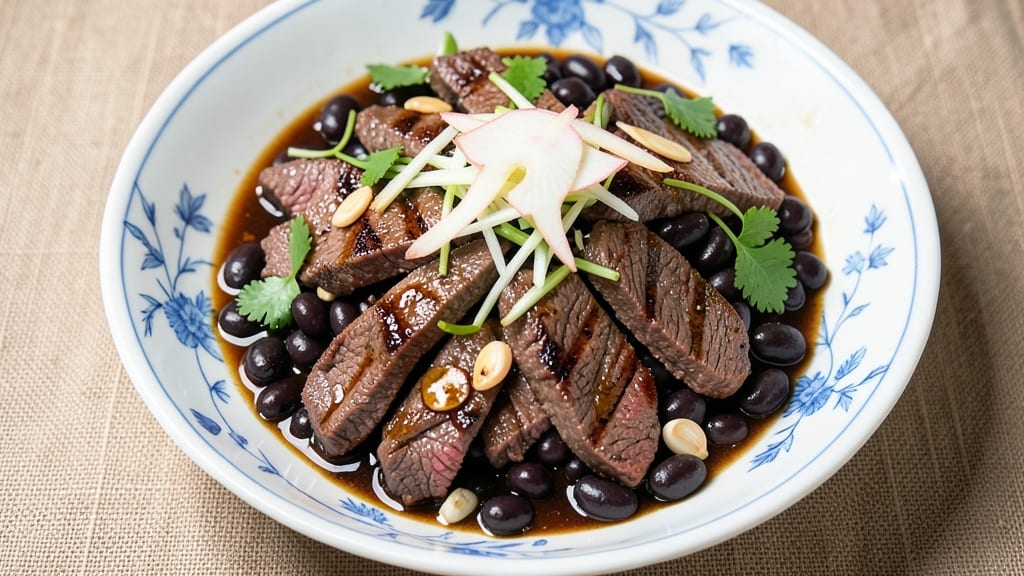
This beef and black bean Chinese recipe delivers restaurant-quality umami in every bite, combining tender beef with silky black beans in a savory-sweet sauce. The secret lies in proper wok technique and balance—charred aromatics, a touch of soy, and just enough sweetness to harmonize the rich flavors.
I’ve perfected this dish over years of testing, ensuring the beef stays tender while the beans absorb the sauce without losing their texture.
The dish starts with searing beef strips until they develop a caramelized crust, then simmers gently with black beans, garlic, and ginger to build deep flavor. A splash of Shaoxing wine and a hint of sugar elevate the sauce, creating a perfect balance between salty, sweet, and umami.
This isn’t just a stir-fry—it’s a complete meal with hearty, satisfying texture and layers of taste.
By the time you’re done, you’ll have a dish that’s bold yet refined, ready to serve over steamed rice or noodles. The beef remains juicy, the beans are tender but hold their shape, and the sauce coats everything in a glossy, flavorful sheen.
It’s the kind of meal that feels special but comes together in under 45 minutes—ideal for weeknights or weekend gatherings.
Pair it with quick-pickled vegetables or a side of scallions for freshness, and you’ve got a full Chinese-inspired spread. The beauty of this recipe is its adaptability—use flank steak for affordability or ribeye for luxury, and adjust the heat to your preference. Here’s how to make it perfectly every time.
Ingredients for beef and black bean chinese
Here’s what you’ll need for a restaurant-style beef and black bean stir-fry—bold flavors and simple prep.
| Ingredient | Amount | Notes |
|---|---|---|
| Flank Steak 🥩 | 1 lb | Thinly sliced against grain |
| Black Beans 🌱 | 1 ½ cups | Canned, drained and rinsed |
| Garlic Cloves 🧄 | 6 cloves | Minced, fresh preferred |
| Fresh Ginger 🌿 | 1 tbsp | Grated, peeled |
| Shaoxing Wine 🍷 | ¼ cup | Or dry sherry substitute |
| Low-Sodium Soy Sauce 🥢 | ¼ cup | Kikkoman preferred |
| Brown Sugar 🍯 | 1 tbsp | Light or dark variety |
| Sesame Oil 🫒 | 1 tbsp | Toasted, for aroma |
| Neutral Oil 🫒 | 2 tbsp | Vegetable or canola |
| Green Onions 🧅 | 4 whole | Sliced, white and green parts |
| Red Chili Peppers 🌶️ | 2 whole | Dried, chopped (optional) |
| Salt 🧂 | 1 tsp | Kosher or sea salt |
| Black Pepper 🌶️ | ½ tsp | Freshly ground |
| Steamed White Rice 🍚 | 2 cups | Cooked, for serving |
The beef is where this dish shines. Flank steak is my go-to because it’s lean but tender when sliced thin—ribeye works too if you want more marbling. Look for well-marbled cuts at Whole Foods or your local butcher. Slice it against the grain before cooking for maximum tenderness. I like to buy it pre-sliced from the Asian market section if I’m short on time. The black beans should be canned, not dried—Goya or Bush’s are reliable brands, but any good-quality canned beans will do.
No Shaoxing wine? Dry sherry or even a good rice wine works in a pinch. The soy sauce is crucial—low-sodium so you don’t overpower the dish. If you’re using regular soy sauce, cut back to 2 tbsp. Fresh ginger and garlic are non-negotiable here—they’re the flavor foundation. Pre-minced garlic from the jar is fine, but fresh grated ginger makes all the difference. For heat, red pepper flakes can replace dried chili peppers if you’re sensitive to spice. The sesame oil should be toasted—Kadoya or La Choy are solid brands, but any toasted sesame oil from the Asian aisle will work.
This dish tastes even better the next day once the flavors meld. Store leftovers in an airtight container for up to 4 days in the fridge. The rice reheats well too—just microwave with a splash of water to keep it fluffy. For extra prep, you can slice the beef and chop the aromatics ahead of time. The sauce keeps for 3 days in the fridge if you make it separately, which is great for meal prep. Serve with extra green onions and a drizzle of sesame oil for that classic Chinese restaurant touch.
Why You'll Love This Recipe
- One-Pan Magic: I swear by this recipe on nights when I’d rather scroll than chop. Slice the flank steak thin, toss in the black beans and aromatics—garlic, ginger, a splash of Shaoxing—and let the wok do the work. No cutting boards, no mess, just sear-and-simmer satisfaction.
- Umami Bomb: That Shaoxing wine? It’s the secret weapon here. The moment it caramelizes with the garlic and ginger, your kitchen smells like a dim sum dream. The black beans add earthy depth, while the steak stays tender—crisp edges, juicy center, every bite’s a flavor punch.
- Lunchbox Hero: Between us, this dish begs to be packed. Cool it slightly, and it’s my go-to for work lunches—hearty enough to fill you up, but light enough to eat without a nap. Add steamed rice, and suddenly you’ve got a meal that’s restaurant-quality without the fuss.
- Budget Win: Flank steak stretches like crazy in this dish, and black beans bulk it up without breaking the bank. I’ve made it feed four for under $15—plus, the leftovers taste even better the next day. Honestly, it’s the kind of recipe that makes grocery day feel like a victory.
Step-by-step instructions for wok-sizzled beef and black beans
Here's how to create a restaurant-style Chinese beef dish with tender flank steak and silky black beans.
Prep the Flank Steak and Aromatics
Slice the 1 lb flank steak thinly against the grain for maximum tenderness. I like to cut it into ¼-inch thick strips—this ensures it cooks quickly in the wok. Place the sliced steak in a bowl and set aside.
While the steak rests, prepare the aromatics. Mince the 6 cloves garlic cloves and grate the 1 tbsp fresh ginger, peeling off the skin first. These will form the flavor base of your dish. I always use fresh ginger because it adds a bright, zesty kick that dried ginger can't match.
Slice the 4 whole green onions into ¼-inch rings, separating the white and green parts. Chop the 2 whole red chili peppers (if using) into small pieces—this adds just the right amount of heat without overpowering the dish. Keep all prepped ingredients nearby for quick assembly.
Stir-Fry the Beef Until Just Cooked
Heat a large wok or skillet over high heat until it's smoking hot. Add 2 tablespoons neutral oil and swirl to coat the bottom evenly. Once the oil shimmers, add the sliced flank steak in a single layer. Don't overcrowd the pan—work in batches if needed.
Stir-fry the beef for 1-2 minutes until it turns light brown on the outside but remains slightly pink in the center. The key here is to cook it just until it's no longer raw—it'll finish cooking later when combined with the beans. Remove the beef and set it aside on a plate.
This quick cooking time is crucial. Overcooking the beef will make it tough, and undercooking it can leave you with unappetizing pink centers. You want that perfect balance between tender and slightly firm texture.
Build the Flavorful Bean Sauce
In the same wok, reduce the heat to medium and add the minced garlic and grated ginger. Stir-fry for 30 seconds until fragrant—you should smell that wonderful aroma of garlic and ginger filling the kitchen. This step is where the magic begins.
Pour in the ¼ cup Shaoxing wine and let it sizzle for 1 minute, allowing the alcohol to burn off. Then add the 1.5 cups black beans, ¼ cup low-sodium soy sauce, and 1 tablespoon brown sugar. Stir everything together and let it cook for 3-4 minutes until the beans are heated through and the sauce begins to thicken slightly.
Here's where the umami flavors start to develop. The soy sauce and brown sugar caramelize just enough to create a glossy, flavorful coating for the beans. If the mixture looks too dry, add 1-2 tablespoons of water to keep it saucy.
Combine and Finish with Aromatics
Return the cooked beef to the wok and stir everything together for 1-2 minutes. The residual heat will finish cooking the beef while allowing it to absorb all those delicious bean flavors. Add the sliced green onions and chopped red chili peppers (if using) and toss everything together.
Drizzle in the 1 tablespoon sesame oil and give it one final stir. The sesame oil adds a nutty aroma that elevates the dish to restaurant-quality. Taste and adjust the seasoning with salt and black pepper if needed. You want a balance of sweet, savory, and slightly spicy flavors.
This is the moment where all the flavors come together. The beef should be tender, the beans silky, and the sauce perfectly balanced. If you've followed these steps, you'll have a dish that's packed with umami and ready to serve.
Serve Over Steamed Rice
Spoon the beef and black bean mixture over 2 cups steamed white rice and garnish with additional sliced green onions. The rice acts as a neutral base that lets the bold flavors of the beef and beans shine. I like to serve this dish immediately while everything is hot and the aromas are at their peak.
For extra authenticity, you can serve it with a side of steamed bok choy or a simple cucumber salad. The contrast of crisp vegetables with the rich, savory beef dish makes for a complete meal. Enjoy your homemade Chinese-style beef and black beans—it's hearty, flavorful, and perfect for sharing!
Pro Tips For Making Beef And Black Bean Chinese
- Slice Against the Grain: Flank steak’s fibers run long—cut it perpendicular to those lines before cooking. I learned this the hard way when my first batch turned into tough, chewy strips instead of tender, fork-friendly pieces. A sharp knife and a steady hand make all the difference.
- Toast the Beans First: Dry-fry your black beans in oil for 2–3 minutes until they darken slightly. This deepens their flavor and prevents them from turning mushy later. Yes, it’s an extra step, but your future self will notice the difference.
- Bloom Garlic in Oil: Cook the minced garlic in hot oil until it’s just golden—about 30 seconds. Let it cool for 10 minutes before adding Shaoxing wine, or it’ll cook out entirely and leave your sauce bland. Patience here saves you from bitter regret.
- Deglaze with Wine Immediately: As soon as the beef browns, pour in the Shaoxing wine right away and let it sizzle for 30 seconds. Scraping up those fond bits with a wooden spoon is the non-negotiable part—it’s where the flavor lives. Skip it, and you’re left with a dull sauce.
Wine and beer pairings for this beef and black bean chinese
Red Wine Pairings
For this rich, umami-packed dish, I always reach for a Chinese Cabernet Sauvignon or Merlot—both cut through the soy and sweetness beautifully. A glass of Chateau Ste. Michelle Cabernet from Washington State provides enough fruit to complement the beef while its tannins balance the dish’s saltiness.
If you prefer something lighter, try a Pinot Noir like Meiomi—its bright acidity refreshes your palate between bites. 🍷
Light Beer Options
A crisp Chinese lager like Tsingtao or Snow Beer is my go-to—its clean, slightly malty profile lets the beef and bean flavors shine without competing. For craft beer lovers, a wheat beer such as Blue Moon adds a subtle citrus note that pairs wonderfully with the ginger and garlic.
Avoid heavy IPAs or stouts, which can overpower the dish’s delicate balance. 🍺
Rice Wine Substitutes
If you’re serving Shaoxing wine at the table, pair it with a dry Riesling like Dr. Loosen Blue Slate—its acidity mirrors the wine’s brightness while adding a touch of minerality.
For a non-alcoholic option, sparkling yuzu soda (like Yuzu Soda from Japan) offers a refreshing, citrusy contrast that cleanses the palate between bites. 💫
Spicy Adaptations
If you’re adding extra chili peppers, opt for a bold Shiraz such as Penfolds Bin 289—its peppery notes enhance the heat while its dark fruit stands up to the soy sauce.
For a lighter option, a Gewürztraminer like Dr. Konus Blue Slate adds floral complexity that balances the spice beautifully. 🌶️
Nutrition facts
Frequently asked questions
Can I use dried black beans instead of canned?
Dried black beans will work, but they require overnight soaking (8-12 hours) followed by 1-1.5 hours of simmering until tender. The texture will be slightly firmer than canned beans, so adjust cooking time carefully. For convenience, stick with canned beans—just drain and rinse them well to remove excess sodium.
What's the best cut of beef for this recipe?
Flank steak is ideal—it's lean, flavorful, and tender when sliced thinly against the grain. For extra richness, use ribeye or sirloin, but trim excess fat. Avoid tougher cuts like chuck, which won't tenderize properly in this quick cooking method.
How do I prevent the beef from getting chewy?
Slice the beef thinly against the grain (no thicker than ¼-inch) and cook it for only 1-2 minutes until just browned. Overcrowding the pan also causes steaming instead of searing—work in batches if needed. Let it rest 5 minutes before serving to redistribute juices.
Can I make this dish ahead of time?
Yes! The flavors improve overnight. Store components separately (cooked beef, bean sauce, rice) in an airtight container for up to 4 days. Reheat gently in a skillet with a splash of water to maintain moisture. The sauce can be made 3 days ahead—just reheat before combining with beef.
What if I don't have Shaoxing wine?
Use dry sherry (like Kirkman) or rice wine in equal measure. For a non-alcoholic option, substitute with apple juice or white grape juice—it adds sweetness but lacks depth. The dish will still taste great, though the umami complexity will be slightly reduced.