
Soups & Stews
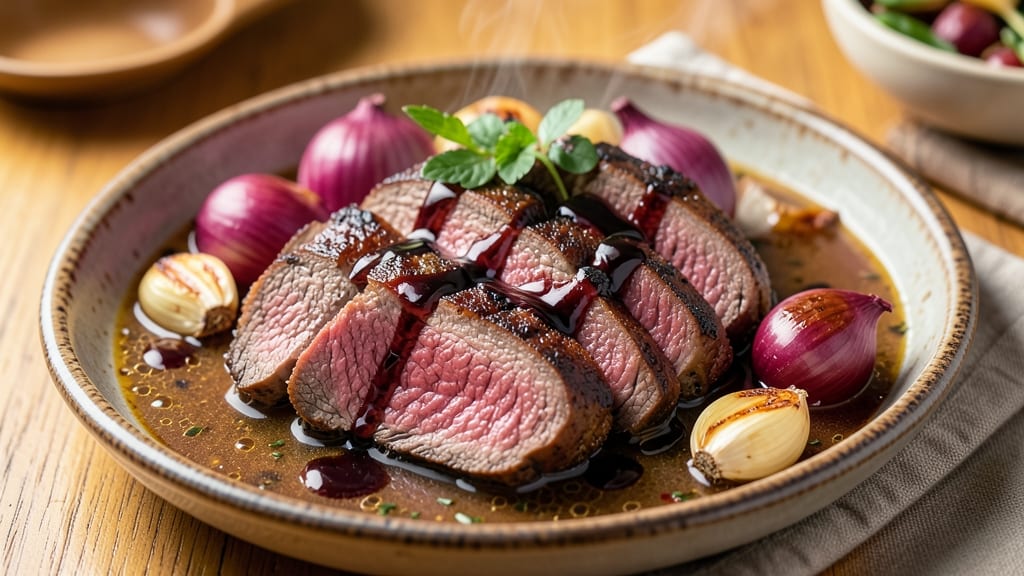
This beef and balsamic vinegar recipe transforms tough cuts into melt-in-your-mouth tender pieces with a rich, caramelized sauce that's worth every minute. The key lies in slow braising—where red wine and balsamic vinegar work together to create a deep, complex flavor profile that balances sweetness and acidity perfectly.
I developed this recipe during a particularly chilly winter evening when I wanted a dish that would feed a crowd without requiring constant attention.
The process begins with searing beef chuck roast to develop a deep, meaty crust before it's submerged in a fragrant liquid of red wine, balsamic vinegar, and aromatic vegetables.
As it simmers for hours, the beef becomes fork-tender while the onions caramelize into sweet, golden threads that thicken the sauce naturally. This isn't just a stew—it's a restaurant-quality braise that deserves to be served on fine china.
By the time you're ready to serve, you'll have perfectly tender beef that falls apart at the touch of a fork, swimming in a glossy sauce that's rich from the beef's natural juices and brightened by the balsamic's tang.
The caramelized onions add layers of sweetness that cut through the richness, creating a balance that's both comforting and sophisticated. This dish pairs beautifully with creamy mashed potatoes or crusty bread to soak up every last drop of that precious sauce.
What makes this recipe particularly special is its versatility—it works equally well as a weeknight family dinner or an impressive centerpiece for a dinner party. The balsamic vinegar isn't just an ingredient; it's the secret weapon that transforms this braise from ordinary to extraordinary.
Let's get started on creating this deeply satisfying meal that will have everyone asking for seconds.
Ingredients for beef and balsamic vinegar
Six ingredients make this deep, wine-infused braise sing with caramelized onions and rich balsamic notes.
| Ingredient | Amount | Notes |
|---|---|---|
| Beef Chuck Roast 🥩 | 3 lb | With good marbling, cut into 2-inch pieces |
| Yellow Onions 🧅 | 3 whole | Sliced into 1/2-inch rounds |
| Garlic Cloves 🧄 | 6 cloves | Smashed, not minced |
| Red Wine 🍷 | 1 ½ cups | Bold dry variety like Cabernet Sauvignon |
| Balsamic Vinegar 🍶 | ½ cup | Aged 25 years or more for depth |
| Beef Broth 💧 | 2 cups | Low-sodium preferred |
| Tomato Paste 🍅 | 2 tbsp | Squeeze tube preferred for convenience |
| Olive Oil 🫒 | ¼ cup | Extra-virgin for richness |
| Fresh Thyme 🌿 | ¼ cup | Leaves only, stems removed |
| Fresh Rosemary 🌿 | 1 tbsp | Chopped, about 1 sprig |
| Salt 🧂 | 2 tsp | Diamond Crystal preferred |
| Black Pepper 🌶️ | 1 tsp | Freshly cracked |
| Brown Sugar 🍚 | 1 tbsp | Light variety |
| Flour 🌾 | 1 tbsp | All-purpose, for thickening |
The beef is everything here—chuck roast with visible marbling melts into tender perfection. I grab mine from Costco when I'm feeding a crowd, but your regular grocery store's pre-cut version works just fine. Look for pieces that are roughly 2 inches thick—they'll sear better and stay juicy. The onions? Yellow onions from the store's bulk bin are my go-to—they're cheaper and sweeter than the fancy reds. If you're feeling fancy, swap in pear or Vidalia onions for even more caramelization, but regular yellows get the job done.
No aged balsamic? Regular balsamic vinegar plus 1 tbsp maple syrup mimics that depth. Short on red wine? Beef broth with 1 tbsp balsamic vinegar works in a pinch, though it won't have the same complexity. Fresh thyme is ideal, but dried thyme at half the amount saves you a trip to the store. The tomato paste? Those little squeeze tubes from Trader Joe's are perfect—no waste, and they keep for months. For the flour, Bob's Red Mill all-purpose is my secret weapon when I need to thicken sauces fast, but any basic flour will do.
This braise tastes even better the next day—seriously, the flavors meld into something magical. Store leftovers in an airtight container in the fridge for up to 5 days, or freeze for 3 months. I always make a double batch because it reheats beautifully for lunches. The sauce thickens as it cools, so add a splash of beef broth if it feels too stiff when reheating. Serve with crusty bread to soak up every last drop of that precious sauce—trust me, you'll want to.
Why You'll Love This Recipe
- One-Pot Magic: I swear by this recipe when I’m too tired to wash a million dishes—just dump everything in one pot, let it simmer, and walk away. The onions caramelize right into the sauce, so you don’t even notice the cleanup.
- Deep Umami Bomb: That beef chuck roast? It gets so tender it falls apart, but the real star is the balsamic glaze cutting through the richness with a tangy, almost sweet finish. Honestly, the first time I tasted it, I poured myself seconds without thinking.
- Weeknight to Weekend: Make a double batch on Sunday—it’s just as good reheated as it is fresh, and the flavors deepen overnight. I pack it for lunches or serve it at dinner parties when I don’t want to stress over complicated dishes.
- Budget Stretch: A chuck roast is cheap, and this recipe makes enough to feed four for two meals. Between us, I’ve turned $15 worth of ingredients into a dish that feels like a restaurant splurge—without the guilt.
Step-by-step instructions for deep-red wine braise with caramelized onions
Here's how to transform simple ingredients into a rich, velvety braise with tender beef and sweet caramelized onions.
Sear the Beef Chuck Roast for Maximum Flavor
Heat the 0.25 cup olive oil in a large Dutch oven over medium-high heat until shimmering. Pat the 3 lb beef chuck roast dry with paper towels—this ensures a perfect sear. Working in batches if needed, add the beef and sear on all sides until deeply browned, about 4-5 minutes per side. You'll see those beautiful Maillard reaction spots forming—this is where all the flavor develops.
Remove the beef and set it aside. Don't drain the Dutch oven yet—those browned bits are pure flavor gold. If you have more than one piece, sear them all now. Once seared, you'll have a head start on building layers of rich, complex taste in your braise.
Caramelize the Onions and Build the Sauce Base
Add the 3 whole yellow onions to the Dutch oven and cook over medium heat for 15-20 minutes, stirring occasionally. You're looking for deep golden caramelization—this should take patience. The onions will break down and release their natural sweetness, creating a luscious base for your braise.
After the onions are caramelized, add the 6 smashed garlic cloves and cook for 1 minute until fragrant. Then stir in the 2 tbsp tomato paste and cook for another 2 minutes, stirring constantly. This step develops the umami foundation of your braise. The tomato paste will deepen the color and add a subtle sweetness that balances the acidity.
Deglaze and Simmer the Braise
Pour in the 1.5 cups red wine and scrape up all those delicious browned bits from the bottom of the pan—this is called deglazing. Let the wine simmer for 5 minutes until reduced by half. Then add the 0.5 cup balsamic vinegar, 2 cups beef broth, 0.25 cup fresh thyme, 1 tbsp fresh rosemary, 2 tsp salt, 1 tsp black pepper, and 1 tbsp brown sugar. Stir everything together and bring to a gentle boil.
Return the beef to the Dutch oven, along with any accumulated juices. The liquid should come about halfway up the sides of the beef. Cover the pot and transfer it to a 325°F oven. Here's the thing—low and slow is your friend. Braising at this temperature ensures tender beef without drying it out.
Braise Until Tender and Glossy
Let the beef braise uncovered for 3 hours, then add the 1 tbsp flour and stir to combine. This helps thicken the sauce slightly. Continue braising for another 1-2 hours until the beef is fork-tender and pulls apart easily. The sauce should be rich and glossy, with a deep red hue from the wine and balsamic.
Check the beef's doneness by inserting a meat thermometer into the thickest part—it should read 200-205°F. If the sauce is too thin, uncover the pot and simmer for 10-15 minutes to reduce it to your desired consistency. The onions should be completely tender, almost melting into the sauce.
Rest and Serve with Perfect Texture
Remove the beef from the braising liquid and let it rest on a cutting board for 10 minutes. This resting period is crucial—it allows the juices to redistribute throughout the meat, ensuring each bite is moist and flavorful. Meanwhile, strain the braising liquid through a fine-mesh sieve to remove any herb stems or onion bits, then return it to the pot.
Slice the beef against the grain into ½-inch thick slices and serve it with the rich, caramelized onions and sauce spooned over the top. The contrast of tender beef with the sweet, tangy sauce and caramelized onions makes this dish truly special. Serve with crusty bread to soak up every last drop of that luxurious braising liquid.
Pro Tips For Making Beef And Balsamic Vinegar
- Sear the Roast First: I learned this the hard way—skipping the sear means flavor hiding in plain sight. Hit that chuck roast with a hot pan (no oil needed if you pat it dry first) until it’s deep brown on all sides before adding anything else. That crust is what turns a good dish into a great one.
- Deglaze Like a Pro: Don’t just splash in the wine and vinegar after browning. After searing the onions and garlic, scrape up those stuck-on bits with a wooden spoon—every single one—before adding the red wine. Let it reduce by half, then stir in the balsamic. This builds depth faster than just dumping everything in at once.
- Use Aged Balsamic: The cheap stuff won’t cut it here. Splurge on a 10-year or older aged balsamic—it’s syrupy, complex, and won’t taste like vinegar punch. Add it late in the cooking process (after the wine’s reduced) so its sweetness shines without turning bitter.
- Low and Slow Wins: Resist the urge to rush the simmer. After adding the liquid, cover the pot and cook on low heat for at least 2.5 hours, turning the roast occasionally. The meat needs time to break down—high heat now means tough, chewy beef later. (Yes, even if you’re impatient like me.)
Creative variations of beef and balsamic vinegar
Sweet & Spicy Twist
Add 1 tbsp chili flakes and 1 tbsp brown sugar to the braising liquid for a sweet-spicy kick. The caramelized onions will deepen in flavor, while the chili flakes bring heat that balances the balsamic's tang.
I like to finish with a drizzle of hot honey right before serving—just 1 tsp adds a smoky depth that ties everything together. 🌶️
Mushroom & Thyme Infusion
Sauté 1 lb cremini mushrooms with the onions for extra umami. After the onions caramelize, add the mushrooms and cook until golden, about 8-10 minutes. The earthy mushrooms pair beautifully with the balsamic and beef, adding a meaty texture.
Boost the thyme to 0.5 cup for an aromatic punch that complements the mushrooms perfectly.
White Wine & Herb Variation
Swap the red wine for 1.5 cups dry white wine and add 2 sprigs fresh rosemary to the braising liquid. The white wine brightens the dish with citrus notes, while the rosemary adds a piney freshness.
Reduce the balsamic to 0.25 cup to balance the acidity. This version works wonderfully with lemon wedges on the side for extra zing.
Slow-Cooker Adaptation
For hands-off cooking, sear the beef as directed, then transfer everything to a 6-quart slow cooker. Cook on low for 8 hours or high for 5 hours, stirring once halfway.
The slow cooker’s gentle heat ensures tender beef without drying it out. Finish by simmering the sauce on the stovetop for 10 minutes to thicken it slightly before serving.
Balsamic Glaze Finish
For a restaurant-style touch, reduce 0.5 cup balsamic vinegar with 1 tbsp brown sugar until syrupy (about 10 minutes on medium heat). Drizzle this glossy glaze over sliced beef just before serving. The concentrated balsamic adds a glossy sheen and intense flavor that elevates the dish to new heights. 🍷
Nutrition facts
Frequently asked questions
Can I use a different cut of beef for this recipe?
Yes! While chuck roast is ideal for its marbling and tenderness, you can substitute with brisket or short ribs—both work beautifully in braises. For leaner cuts like sirloin, marinate them first in balsamic vinegar and olive oil for 2-4 hours to prevent drying out. Adjust cooking time based on size: brisket needs 3-4 hours, while short ribs may require 2-3 hours.
How do I know when the beef is fully tender?
Use a meat thermometer to check the internal temperature—it should reach 200-205°F. The beef should also pull apart easily with a fork when pierced. If it's still tough after 4 hours, extend the cooking time by 30 minutes and check again. Pro tip: The sauce should coat the back of a spoon, indicating it's reduced enough for perfect texture.
Can I make this recipe without red wine?
Replace the red wine with 2 cups beef broth plus 1 tbsp balsamic vinegar for depth. For extra richness, add 1 tbsp soy sauce or 1 tsp Worcestershire sauce. The dish will still be flavorful, though the wine's complexity will be missing. The balsamic vinegar remains key—don't skip it!
What’s the best way to reheat leftovers?
Transfer the beef and sauce to a skillet over medium-low heat and warm gently for 5-7 minutes, stirring occasionally. Avoid high heat to prevent the sauce from breaking. If the sauce thickens too much, add 1-2 tbsp beef broth to restore consistency. Leftovers reheat beautifully—this dish tastes even better the next day!
Why did my onions burn before caramelizing?
This happens when the heat is too high or the onions aren’t stirred often enough. Keep the heat at medium and stir every 3-5 minutes to distribute heat evenly. For extra insurance, add 1 tbsp water if the onions start sticking. Patience is key—rushed caramelization leads to burnt bits instead of sweet, golden onions.