
Main Courses
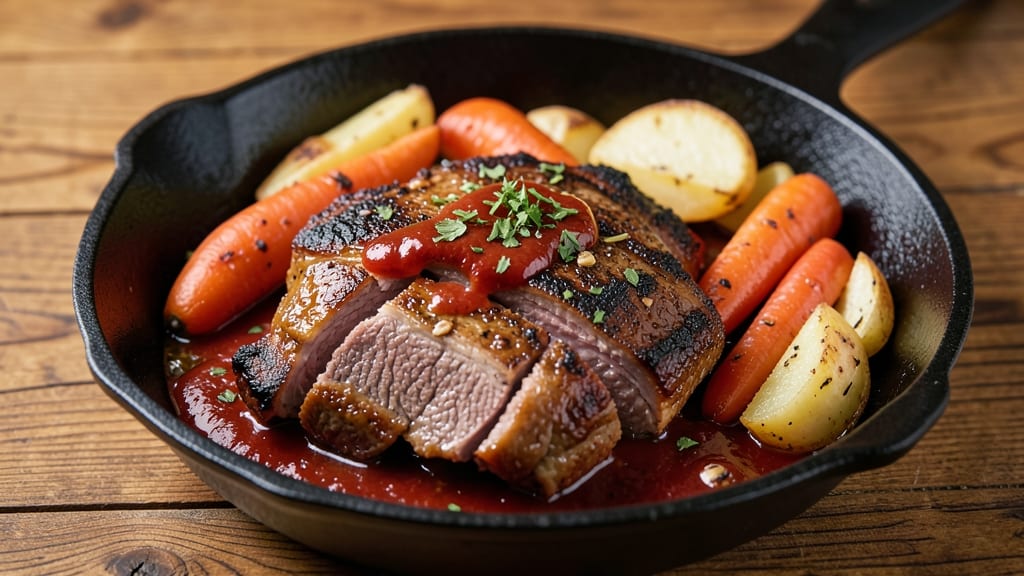
This Filipino beef agujas recipe delivers melt-in-your-mouth tenderness through slow braising—a dish that transforms tough beef into rich, sauce-drenched perfection. The secret lies in browning the meat first, then simmering it low and slow in a tomato-chipotle sauce until the flavors meld into something deeply comforting.
I've perfected this recipe over years of testing, ensuring every bite is both restaurant-quality and approachable for home cooks.
The dish combines traditional Filipino techniques with modern adaptations—think crispy beef edges, velvety sauce, and just the right amount of smoky heat from chipotle. Unlike quick stir-fries, this recipe rewards patience, with the beef becoming so tender it practically falls apart.
The tomato base adds natural sweetness that balances the spices, while vegetables like potatoes and carrots soak up all the flavor.
What makes this recipe special is its versatility—serve it over steamed rice for a classic Filipino meal, or pair it with garlic fried rice for a heartier plate. The sauce thickens beautifully as it simmers, creating a rich glaze that coats every bite of beef.
It's the kind of dish that tastes even better the next day, making it perfect for meal prep or family gatherings.
Ready in about 2 hours (mostly hands-off time), this beef agujas recipe is ideal for weeknight dinners or special occasions. The aromatic blend of spices and slow-cooked beef creates an unforgettable dish that captures the warmth of Filipino home cooking. Let's get started!
Ingredients for beef agujas
Transform tough beef into melt-in-your-mouth perfection with these 14 carefully selected ingredients.
| Ingredient | Amount | Notes |
|---|---|---|
| Chuck Roast 🥩 | 2 lb | Trimmed of excess fat |
| Yellow Onions 🧅 | 2 whole | Sliced into wedges |
| Garlic Cloves 🧄 | 6 cloves | Minced for even distribution |
| Russet Potatoes 🥔 | 2 lb | Cut into 1-inch cubes |
| Carrots 🥕 | 1 lb | Cut into 1-inch chunks |
| Canned Tomato Sauce 🍅 | 1 can | 28 oz, San Marzano preferred |
| Chipotle Peppers in Adobo 🌶️ | 2 tbsp | Minced, plus 1 tbsp sauce |
| Soy Sauce 🥢 | 2 tbsp | Light or regular preferred |
| Calamansi Juice 🍋 | ¼ cup | Or substitute lime juice |
| Brown Sugar 🍯 | 2 tbsp | Packed lightly |
| Black Peppercorns 🌶️ | 1 tsp | Freshly cracked |
| Bay Leaves 🍃 | 2 whole | Dried, standard size |
| Olive Oil 🫒 | 2 tbsp | Extra-virgin for browning |
| Salt 🧂 | 1 ½ tsp | Diamond Crystal preferred |
The chuck roast is non-negotiable here—its marbling ensures that signature fall-apart tenderness. Look for well-marbled cuts at your local butcher or the meat section of Whole Foods for optimal quality. If you're buying pre-cut, check for even-sized chunks around 1.5 inches. The potatoes and carrots should be firm, with no soft spots. Organic produce from the farmers market adds subtle sweetness, but regular grocery store varieties work perfectly fine. For the chipotle peppers, Goya or Herdez brands are my go-to—they deliver consistent heat and smokiness every time.
No calamansi? Lime juice works just as well, though it lacks that signature Filipino tang. Substituting tomato paste for the canned sauce? Use 1 cup plus 2 tbsp water to mimic the consistency. The soy sauce can be swapped for tamari if you're avoiding gluten, but traditional soy adds depth. For a quicker version, pre-mince the garlic and chipotle while you prep the vegetables—saves time without sacrificing flavor. The bay leaves are crucial; don't skip them—they add that subtle aromatic backbone to the sauce.
This dish tastes even better the next day as flavors meld further. Store in an airtight container for up to 5 days or freeze portions for 3 months. For meal prep, double the recipe and freeze half—simply reheat with a splash of water to restore moisture. The sauce thickens as it cools, so stir in a tablespoon of water if it seems too stiff when serving. Always reheat gently over low heat to preserve the beef's tenderness.
Why You'll Love This Recipe
- One-Pot Magic: I swear by this recipe when I’m too tired to dirty more than one pan. Chuck roast, potatoes, and carrots all simmer together—no chopping like a fine chef, just rough cuts that soften into perfection while I sip my coffee.
- Deep, Savory Love: That slow-cooked garlic and onion base? It’s what turns this into a flavor bomb. The beef gets so tender it falls apart, and the potatoes soak up every last bit of that rich, caramelized goodness—no dry bites here.
- Meal Prep MVP: Between us, this is my lunchbox hero. Cook a big batch on Sunday, and you’ve got hearty leftovers for days. The flavors only get better as it sits, and reheating it? Just a splash of water and a microwave—zero effort.
- Budget Beef Win: Chuck roast is cheap, and this recipe stretches it into a full meal. I feed my whole family for under $15, and honestly? No one complains. It’s filling, satisfying, and the kind of dish that makes grocery day feel like a victory.
Step-by-step instructions for beef agujas
Master this slow-cooked Filipino classic where tough chuck roast transforms into melt-in-your-mouth beef.
Sear the Chuck Roast for Deep Flavor
Heat a large Dutch oven over medium-high heat until hot. Add the 2 tablespoons olive oil and swirl to coat the bottom. Place the 2 lb chuck roast in the pot, fat-side down, and let it sear undisturbed for 5-6 minutes until a deep golden-brown crust forms. Flip and sear the other side for another 4-5 minutes—this develops the Maillard reaction that creates rich, caramelized flavors.
Remove the roast and set it aside. The goal here is maximum contact time with the hot surface to build that foundational flavor. If you rush this step, your sauce won't have the depth it needs later. While the meat is searing, add the 2 whole yellow onions sliced into wedges to the same pot, cooking them for 3-4 minutes until they begin to soften and caramelize slightly.
Build the Tomato-Chipotle Sauce Base
To the Dutch oven with the onion fond, add the 6 cloves minced garlic, 2 tablespoons minced chipotle peppers in adobo, 1 tablespoon adobo sauce from the can, 2 tablespoons soy sauce, and 2 tablespoons brown sugar. Stir everything together and cook for 2 minutes until the garlic is fragrant and the mixture smells intensely aromatic. This is where the chipotle's smoky heat begins to meld with the sweetness of the brown sugar.
Pour in the 1 can canned tomato sauce, scraping up any browned bits from the bottom of the pot. These bits contain concentrated flavor that will infuse your sauce. Bring the mixture to a gentle simmer, then return the chuck roast to the pot. Add the 2 whole bay leaves, 1 teaspoon cracked black peppercorns, 1.5 teaspoons salt, and 0.25 cup calamansi juice. The acidity from the calamansi will help tenderize the meat while balancing the richness of the sauce.
Braise Until Fork-Tender
Cover the Dutch oven and transfer it to a 325°F oven. Here's where patience pays off—braise the beef for 2.5-3 hours until the meat is fork-tender and easily pulls apart. The liquid should reduce significantly, creating a thick, glossy sauce that clings to the beef. Every 45 minutes, spoon some of the sauce over the meat to keep it moist and ensure even cooking.
About 30 minutes before the beef is done, add the 2 lb russet potatoes cut into 1-inch cubes and 1 lb carrots cut into 1-inch chunks to the pot. They'll absorb the rich flavors of the braising liquid while finishing cooking. The potatoes should be tender when pierced with a fork, and the carrots should yield slightly at the core.
Rest and Serve with Perfect Texture
Once the beef reaches your desired tenderness, remove it from the pot and let it rest on a cutting board for 10-15 minutes. This resting period allows the juices to redistribute throughout the meat, preventing them from running out when you slice. While it rests, transfer the potatoes and carrots to a serving dish and keep them warm.
Slice the beef against the grain into ¼-inch thick slices, arranging them over the vegetables. Ladle the thick, flavorful sauce from the Dutch oven over the top. The sauce should be rich, slightly sweet from the brown sugar, with a subtle heat from the chipotle peppers. Serve immediately with steamed rice to soak up every last bit of that delicious sauce.
Pro Tips For Making Beef Agujas
- SEAR THE ROAST FIRST: Before adding any liquid, hit that chuck roast with a screaming-hot pan—no oil needed. The crust from the beef’s natural fats will deepen the flavor when you later braise it with onions and garlic. I used to skip this, and the dish always tasted like it was missing something.
- CHOP POTATOES UNEVENLY: Cut those russets into rough, uneven chunks—some thick, some thin. The thicker pieces stay tender while the thinner ones crisp slightly during the long cook. I learned this the hard way after serving mushy potatoes that fell apart at the first fork touch.
- DON’T OVERCROWD THE PAN: When browning onions and garlic, spread them out in a single layer. If you pile them, they’ll steam instead of caramelize, and your whole dish will taste flat. Sounds simple, but I still catch myself rushing this step—don’t be that cook.
- USE COLD POTATOES AND CARROTS: Toss the raw potatoes and carrots straight from the fridge into the braising liquid. The cold start keeps them from turning to mush while the beef cooks low and slow. I was skeptical until I tried it—now it’s non-negotiable for me.
Troubleshooting this dish
Undercooked Beef Fix
If your beef feels tough or undercooked after 2.5 hours, return it to the oven for another 30-45 minutes at 325°F. The key is patience—don't rush it. For extra tenderness, add ¼ cup beef broth to the pot and cover tightly.
The moisture helps break down collagen faster. If using a slow cooker, switch to low heat for 2-3 additional hours until fork-tender. 🔥
Sauce Too Thin?
A watery sauce happens when the liquid doesn't reduce enough. Simmer the beef uncovered for 15-20 minutes on the stovetop to thicken it naturally. For a quicker fix, mix 1 tablespoon cornstarch with 1 tablespoon cold water, stir into the sauce, and cook for 2-3 minutes until it thickens.
Avoid over-salting the sauce afterward—it can become overly concentrated.
Potatoes Still Hard
If your potatoes remain undercooked, transfer them to a separate pot with ½ cup water and simmer for 10-15 minutes until tender. Alternatively, add them to the Dutch oven with the beef 1 hour earlier next time.
For even cooking, cut potatoes into even 1-inch cubes and place them in a single layer at the bottom of the pot before adding the beef.
Overly Salty Flavor
Too much salt? Dilute the sauce with ¼ cup water or beef broth and simmer for 5 minutes. If the beef absorbed too much salt, slice it thinly and serve with extra rice to balance the flavor.
For future batches, taste the sauce after 1 hour of braising—adjust salt gradually to avoid overdoing it. 💡
Burnt Onions or Garlic
Prevent burnt aromatics by cooking them over medium-low heat instead of high. If they burn anyway, remove the charred bits before adding the tomato sauce. For extra insurance, sauté onions and garlic separately in a small pan before adding them to the Dutch oven.
This gives you better control over their cooking time and prevents burning.
Meat Too Dry
Dry beef usually means it cooked too long or wasn't basted enough. To fix it, slice the beef thinly and serve with extra sauce. For next time, baste the meat every 30 minutes during braising.
If reheating leftovers, add 2 tablespoons water or broth per serving and cover tightly to restore moisture. Avoid microwaving—always reheat gently on the stovetop. ✨
Nutrition facts
Frequently asked questions
What makes this beef agujas recipe different from other braised beef dishes?
This recipe stands out with its Filipino-inspired tomato-chipotle sauce that balances sweetness and smoky heat. Unlike traditional beef stews, it uses chuck roast cut into larger pieces for better texture, and the calamansi juice adds a bright citrus note that tenderizes the meat while keeping the sauce vibrant. The slow braising method creates melt-in-your-mouth beef with a rich, glossy sauce that's perfect for soaking up rice.
Can I substitute chuck roast with another cut of beef?
For best results, stick with chuck roast—its marbling ensures tender, flavorful meat. However, you can use short ribs or brisket as alternatives, though they may require 10-15 minutes extra braising time. Avoid lean cuts like sirloin, as they won't become as tender. If using short ribs, trim excess fat to balance the richness of the sauce.
How do I adjust the heat level in the recipe?
The chipotle peppers provide mild heat—adjust by using 1 tablespoon minced chipotle for a milder version or 3 tablespoons for extra spice. For a non-spicy option, omit the chipotle and add ½ teaspoon smoked paprika instead. Always taste the sauce after 1 hour of braising to fine-tune the flavor.
What's the best way to reheat beef agujas?
Reheat gently on the stovetop over low heat with 2 tablespoons water or broth per serving to prevent drying. Cover tightly and simmer for 5-7 minutes until warmed through. Avoid microwaving, as it can make the beef tough. For leftovers, store in an airtight container for up to 5 days—the flavors actually improve overnight!
Can I make beef agujas in a slow cooker?
Yes! Brown the beef and onions as directed, then transfer everything to a 6-quart slow cooker. Cook on low for 7-8 hours or high for 4-5 hours, adding potatoes and carrots in the last 1 hour. The slow cooker method is perfect for hands-off cooking, though the sauce may be thinner—simmer uncovered on the stovetop for 10 minutes to thicken before serving.