
Main Courses
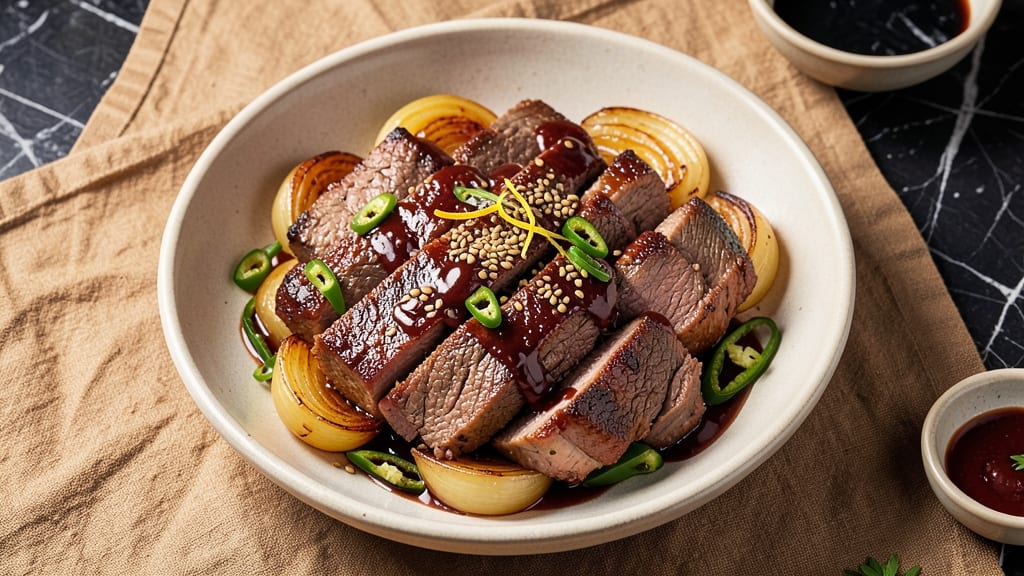
Tangy tamarind-spiced beef achar transforms tough cuts into restaurant-quality bites with just 30 minutes of active time. The secret lies in tamarind's tangy depth and traditional spices that tenderize while building complex flavors—no long marinating required. This recipe delivers the bold, slightly sweet-spicy profile that makes beef achar a standout dish in Indian cuisine.
What sets this recipe apart is the balance of acidity and heat, achieved through careful spice toasting and tamarind reduction. The beef develops a tender, almost melt-in-your-mouth texture while absorbing the vibrant marinade. Unlike many versions that require fermentation, this method delivers restaurant-quality results in a single cooking session.
By the end, you'll have perfectly spiced beef with a glossy sheen and a flavor profile that's both familiar and elevated. The tangy-sweet-spicy balance makes it versatile—serve as a standalone dish, with rice, or as a bold topping for sandwiches. Each bite carries layers of flavor that linger.
The key to success is patience during the spice toasting and proper tamarind reduction—these steps ensure the marinade penetrates deeply. This recipe stays true to tradition while making it accessible for home cooks. Let's create this flavorful masterpiece.
Ingredients for beef achar
Traditional spices and tamarind create this restaurant-quality beef achar with tender, tangy bites.
| Ingredient | Amount | Notes |
|---|---|---|
| Beef Chuck Roast 🥩 | 1 ½ lb | Cut into 1-inch cubes, trimmed of fat |
| Tamarind Paste 🍈 | ½ cup | High-quality, unsweetened preferred |
| Yellow Onions 🧅 | 1 whole | Finely chopped, about 1.5 cups |
| Ginger Root 🌿 | 2 tbsp | Freshly grated, aromatic |
| Garlic Cloves 🧄 | 6 cloves | Minced, for deep flavor |
| Green Chilies 🌶️ | 4 whole | Slit lengthwise, seeds removed |
| Cumin Seeds 🌿 | 1 tbsp | Toasted until fragrant |
| Coriander Seeds 🌿 | 1 tbsp | Toasted lightly for aroma |
| Mustard Seeds 🌿 | ½ tbsp | Toasted until popping |
| Turmeric Powder 🌶️ | ½ tsp | Bright yellow, vibrant |
| Red Chili Powder 🌶️ | 1 tbsp | Adjust for heat preference |
| Garam Masala Powder 🌿 | 1 tsp | Freshly ground preferred |
| Sugar 🍚 | 1 tbsp | Balances acidity, white preferred |
| Salt 🧂 | 1 ½ tsp | Diamond Crystal kosher preferred |
| Fresh Cilantro 🌿 | ¼ cup | Chopped, for garnish |
The beef selection is crucial—chuck roast delivers the ideal texture when cut into even cubes. Most Indian grocery stores carry pre-cut beef, but if buying whole, look for well-marbled cuts with visible fat. Whole Foods or Patel Brothers typically stock high-quality options. Tamarind paste can be found in the international aisle (or sub with 0.5 cup lime juice + 1 tsp sugar if unavailable). For the spices, MDH or Everest brands are reliable, but toast your own cumin and coriander seeds—the aroma difference is noticeable. Fresh ginger and garlic should smell pungent, not musty.
No tamarind? Lime juice plus sugar works in a pinch, though the flavor won't be identical. Substitute green chilies with jalapeños (remove seeds for less heat) or red chilies for smoky depth. The sugar can be swapped with date syrup for a caramel note. For heat control, reduce red chili powder to 0.5 tbsp if sensitive. Toasting spices is non-negotiable—popping mustard seeds and nutty cumin form the achar's foundation. If short on time, use pre-ground garam masala, but freshly ground delivers superior complexity. The onions should caramelize slightly during cooking for natural sweetness.
This achar develops deeper flavor over time—reheat gently with a splash of water to restore moisture. Stores 4-5 days in the fridge, sealed in an airtight container. For longer storage, freeze portions for up to 3 months. Garnish with fresh cilantro right before serving to preserve its bright flavor. The dish pairs beautifully with basmati rice or naan, and the leftovers make excellent sandwich fillings. Double the recipe for meal prep—it reheats like a dream.
Why You'll Love This Recipe
- Tamarind Magic Simmer: I swear by that first tangy hit of tamarind paste—it’s the secret weapon here. Just a spoonful dissolved in warm water, and suddenly you’ve got this rich, complex base that transforms tough chuck roast into something tender and ridiculously flavorful. No fancy techniques, just let the acid work its magic while you chop onions.
- One-Pot Wonder: Honestly, this recipe is my go-to when I’m too tired to deal with multiple pans. Sear the beef, toss in the onions, ginger, and garlic, then let the tamarind sauce do the heavy lifting. By the time the beef is fork-tender, your kitchen’s cleaner than if I’d made a curry with five sides.
- Leftovers That Beg for More: Between us, the second day is often the best. The beef gets even more fall-apart tender, and the sauce thickens into this glossy, sticky glaze that clings to every bite. I’ll pack it for lunch, and my coworkers always ask for the recipe—no exaggeration.
- Budget Beef Stretch: A chuck roast is cheap, and a little goes a long way when you’re braising it low and slow. The tamarind and onions add depth without cost, so you’re basically turning a $10 cut into a meal that feeds four for half that. Plus, the leftovers? Free dinner the next night. Winning.
Step-by-step instructions for tangy tamarind-spiced beef achar
This method delivers restaurant-quality achar with a perfect balance of tangy, spicy, and aromatic flavors.
Prepare the Spice Base
In a heavy-bottomed pot, dry-toast the cumin seeds and coriander seeds over medium heat for 1-2 minutes until fragrant. The seeds should release their aroma but not burn—watch closely as they darken quickly. Immediately transfer them to a small bowl and let cool.
In the same pot, add mustard seeds and toast for 30 seconds until they begin to pop. Add the finely chopped yellow onions and cook for 3-4 minutes until softened and golden. Stir in the freshly grated ginger root and minced garlic cloves, cooking for another 2 minutes until the raw aroma disappears and the mixture becomes fragrant. This aromatic base forms the flavor foundation of your achar.
Cook the Beef and Build the Sauce
Add the 1.5 lb beef chuck roast (cut into 1-inch cubes) to the pot and sear for 5 minutes on medium-high heat, stirring occasionally, until the beef develops a light brown crust. This step ensures the beef retains its texture while absorbing the spices.
Pour in 0.5 cup tamarind paste and 1 cup water, stirring to dissolve the tamarind completely. Add 0.5 tsp turmeric powder, 1 tbsp red chili powder, 1 tbsp sugar, and 1.5 tsp salt. Bring to a boil, then reduce heat to medium-low and simmer uncovered for 15 minutes, stirring occasionally. The sauce should thicken slightly and coat the beef pieces.
Incorporate Heat and Aromatics
Add the 4 slit green chilies (seeds removed) and the toasted cumin-coriander mixture to the pot. Stir well and simmer for another 5 minutes to allow the flavors to meld. The green chilies will add a bright, subtle heat that balances the tangy tamarind.
Finally, sprinkle in 1 tsp garam masala powder and stir gently. Remove from heat and let the achar rest for 5 minutes to allow the spices to bloom fully. The sauce should be glossy with a thick, jam-like consistency that clings beautifully to the beef.
Finish and Garnish
Taste and adjust seasoning—add more salt if needed or a touch of tamarind paste if the tang isn't pronounced enough. The achar should balance sweet, spicy, tangy, and umami flavors in perfect harmony.
Garnish with 0.25 cup chopped fresh cilantro just before serving. The cilantro adds a fresh contrast to the rich, spiced beef. Serve warm or at room temperature with steamed rice, naan, or as a flavorful accompaniment to grilled meats. The achar will keep well in the refrigerator for up to 5 days and tastes even better the next day as the flavors deepen.
Pro Tips For Making Beef Achar
- Sear the Chuck Hard: Get that roast screaming hot in a dry pan first—no oil needed. I learned this the hard way when my first batch turned out mushy; the crust from the sear locks in flavor and keeps the meat from falling apart during the long cook.
- Balance the Tamarind: Start with half the tamarind paste called for, taste, then adjust. Tamarind’s sourness sneaks up on you, and I’ve ruined more batches by overdoing it. A splash of vinegar or sugar can fix it if you go too far.
- Don’t Rush the Onions: Caramelize those onions until they’re deep golden, not just soft. I skipped this once and ended up with a dish that tasted more like a quick stir-fry than a rich achar. Patience here makes a real difference.
- Grate Ginger Fresh: Jarred ginger paste is fine, but freshly grated packs more punch. I was skeptical until I tried it—I now keep a microplane handy just for this. The texture and flavor are noticeably brighter.
Dietary considerations for this dish
Vegetarian Substitutes
For a vegetarian version, swap beef with extra-firm tofu or hearts of palm—both absorb flavors beautifully. Press tofu for 20 minutes to remove excess water, then cut into 1-inch cubes and pan-fry until golden before adding to the tamarind-spice marinade.
Hearts of palm add a meaty texture and work well when sliced into similar-sized pieces. 🌱
Gluten-Free Adaptations
This recipe is naturally gluten-free, but always double-check spice blends like garam masala for hidden additives. Use certified gluten-free tamarind paste (like Annie's or Frontier) and ensure mustard seeds are pure—some brands mix with fillers. The original spices are safe, but verify if you're highly sensitive. 🌾
Lower-Carb Options
To reduce carbs, skip the sugar entirely and use 1 tbsp erythritol or monk fruit sweetener instead. For extra thickness, add 1 tbsp coconut flour to the sauce during simmering.
The tamarind's natural sweetness will still shine, and you'll cut 15-20g net carbs per serving while keeping the tangy-spicy profile intact. 🥥
Spice Sensitivity Adjustments
If heat is a concern, reduce red chili powder to ½ tbsp and replace green chilies with mild banana peppers (seeds removed). For warmth without heat, add ½ tsp ground fennel seeds or 1 tsp asafoetida (hing)—both add depth without spiciness.
Always toast spices lightly to mellow their intensity. 🌶️
Allergen Considerations
This recipe contains mustard seeds, a common allergen. For those with sensitivities, omit them entirely—they primarily add aroma, not flavor. If avoiding tamarind (a citrus fruit), substitute with 1 cup lime juice + 1 tsp sugar (though texture may differ slightly).
Always check labels on garam masala for tree nut cross-contamination. 🚫
Nutrition facts
Frequently asked questions
Can I use a different cut of beef for achar?
While chuck roast is ideal for its tenderizing qualities, you can use brisket or shoulder clod instead. Cut into 1-inch cubes and trim excess fat to prevent greasiness. Avoid lean cuts like sirloin—they won't absorb the marinade as well and may dry out. For tougher cuts, simmer 5 minutes longer to ensure tenderness.
How do I make this recipe less spicy?
Start by reducing red chili powder to ½ tbsp and replace green chilies with mild banana peppers (seeds removed). For warmth without heat, add ½ tsp ground fennel seeds or 1 tsp asafoetida (hing)—these add depth without spiciness. Toasting spices lightly also mellows their intensity. Always taste as you go!
Can I prepare beef achar ahead of time?
This dish actually tastes better the next day! Store in an airtight container in the fridge for up to 5 days. The flavors deepen as the tamarind and spices meld. To reheat, warm gently in a pan with 1-2 tbsp water over medium-low heat for 3-4 minutes, stirring occasionally. Avoid microwaving—it can make the sauce watery.
What's the best way to serve beef achar?
Serve warm or at room temperature with steamed basmati rice or garlic naan for the full experience. It also makes an amazing sandwich filling—layer with lettuce, tomato, and pickles on crusty bread. For a restaurant-style presentation, garnish with extra cilantro and serve with a side of raita to balance the heat.
Why did my tamarind paste not dissolve properly?
Tamarind paste can be stubborn—always use warm water (not hot) to dissolve it completely before adding to the pot. Stir vigorously while heating to prevent clumping. If using tamarind pulp, strain it first to remove fibrous strings. For extra insurance, mix the paste with 2 tbsp water before adding to the beef mixture.