
Main Courses
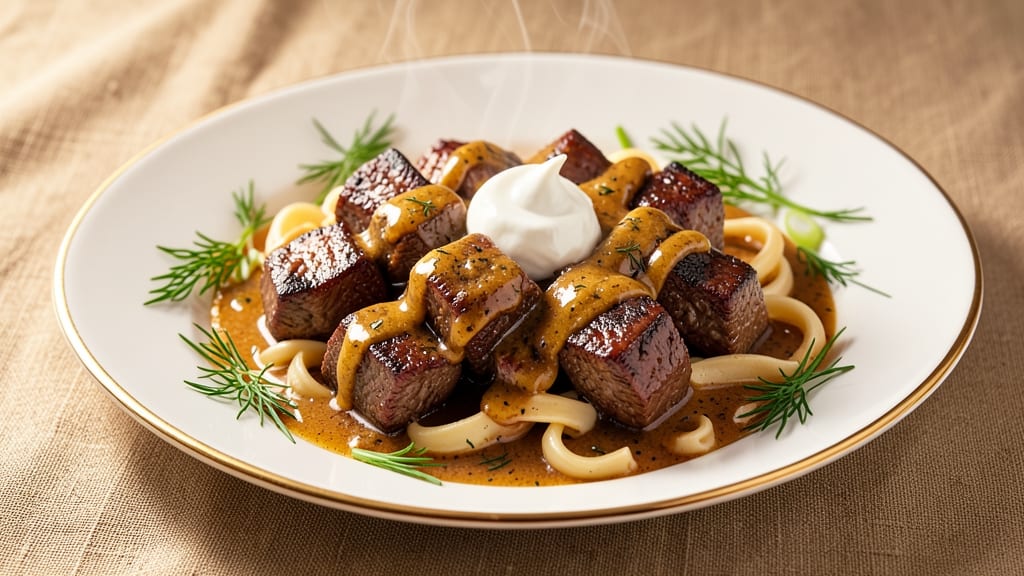
Beat Bobby Flay’s beef stroganoff recipe and deliver restaurant-quality results with a wine-infused sauce that’s rich, velvety, and perfectly balanced—no shortcuts, just technique. The secret lies in searing beef to a deep brown crust before deglazing with white wine, a step that unlocks layers of flavor most home versions miss. This isn’t just stroganoff; it’s a tender, deeply savory dish where every bite feels like a home-cooked masterpiece.
What sets this apart is the sauce: a harmonious blend of sour cream, Dijon mustard, and a splash of heavy cream, simmered just until thickened without breaking. The key is patience—letting the wine reduce fully before adding cream ensures a sauce that’s luscious, not greasy.
Meanwhile, the beef stays fork-tender, thanks to a quick sear followed by low-and-slow braising in the same pan. It’s the kind of dish that transforms a weeknight into a special occasion.
Pair it with egg noodles—their slight chew contrasts beautifully with the creamy sauce—or serve over buttery mashed potatoes for extra comfort. The acidity from the wine and mustard cuts through the richness, making every forkful balanced.
For a drink pairing, a crisp Chardonnay or a vodka martini complements the dish’s depth without overpowering it. This is stroganoff the way it should be made: bold, technique-driven, and impossible to resist.
The best part? It’s foolproof once you master the sear and sauce reduction. No fancy equipment, just a cast-iron skillet and a little attention to timing. Ready to elevate your stroganoff game? Let’s get started.
Ingredients for beat bobby flay beef stroganoff
Master Bobby Flay’s technique with these restaurant-quality ingredients for velvety stroganoff.
| Ingredient | Amount | Notes |
|---|---|---|
| Beef Chuck Roast 🥩 | 1 ½ lb | Trimmed of excess fat, cut into 1-inch cubes |
| All-Purpose Flour 🌾 | 1 tbsp | For dredging beef |
| Kosher Salt 🧂 | 1 ½ tsp | Diamond Crystal preferred |
| Freshly Ground Black Pepper 🌶️ | 1 tsp | Cracked peppercorns |
| Unsalted Butter 🧈 | ½ cup | European-style preferred |
| Dry White Wine 🍷 | 1 cup | Sauvignon Blanc or Chardonnay |
| Beef Stock 🥫 | 1 ½ cups | Homemade or high-quality store-bought |
| Sour Cream 🥛 | 1 cup | Full-fat for optimal texture |
| Dijon Mustard 🍯 | 1 ½ tbsp | High-quality, no additives |
| Heavy Cream 🥛 | ½ cup | Cold, full-fat |
| Fresh Garlic Cloves 🧄 | 4 cloves | Minced, not pre-minced |
| Shallots 🧅 | 2 whole | Minced, or sub with onions |
| Egg Noodles 🍝 | 12 oz | Fresh or high-quality dried |
| Fresh Parsley 🌿 | ¼ cup | Chopped, for garnish |
The beef selection is non-negotiable for this dish. Chuck roast delivers the perfect balance of tenderness and flavor—sirloin or ribeye will overcook and turn tough. Trim excess fat before cubing to ensure a clean sear. For the best results, source your beef from a trusted butcher or Whole Foods—look for vibrant color and marbling. If using pre-cut beef, check for even-sized pieces to ensure consistent cooking. The wine should be dry and crisp, like a Louis Martini Sauvignon Blanc, to cut through the richness without overpowering. Avoid sweet wines, as they’ll throw off the sauce’s balance.
No white wine? Substitute with beef stock and a splash of apple cider vinegar—the acidity mimics wine’s brightening effect. For the mustard, Maille Dijon is ideal, but any high-quality Dijon works. If you’re avoiding dairy, coconut cream can replace the heavy cream, though texture will differ slightly. The parsley is purely decorative, but fresh basil or dill can add an extra layer of brightness if you’re feeling adventurous. For the noodles, fresh egg noodles are best, but high-quality dried like Barilla work in a pinch. Just cook them al dente—they’ll finish in the sauce.
Beef can be prepped ahead: cube and season up to 2 days in advance, stored in an airtight container in the fridge. The sauce components keep separately for 3 days—assemble just before serving to prevent curdling. For leftovers, store the sauce and noodles separately; reheat the sauce gently over low heat, stirring constantly, and toss with noodles. This dish reheats beautifully, with flavors deepening overnight. If freezing, portion the sauce in ice cube trays for easy single-serving use later.
Why You'll Love This Recipe
- One-Pan Magic: I swear by this recipe when I’m too tired to dirty a million dishes. The beef chuck roast browns right in the same pot where the stroganoff simmers—no extra pans, no stress. Just flour, butter, and a quick sear, then let it melt into creamy perfection while you toss a salad or open a bottle of wine.
- Rich Without Effort: That butter-braised beef? It’s ridiculously tender, with a crust so good you’ll want to eat it straight from the pan. The flour coating gives it just enough grip to hold onto the sauce, while the black pepper and salt make every bite feel like a little flavor bomb. (Yes, even on a Tuesday night.)
- Budget-Friendly Feast: A chuck roast stretches further than you’d think, and this recipe serves four easily—meaning leftovers for lunch the next day. I’ll be real: my wallet thanks me every time I make this instead of ordering takeout. Plus, the ingredients won’t break the bank, but the taste sure will.
- Weeknight Workhorse: This is my go-to when friends drop by or I need something hearty for game day. Serve it over egg noodles, with crusty bread, or even stuffed into a baked potato—it’s that versatile. Honestly, I’ve made it for date nights, family dinners, and lazy Sundays, and it never lets me down.
Step-by-step instructions for wine-infused beef stroganoff
Here's the method for achieving restaurant-quality stroganoff with perfectly tender beef and a velvety wine sauce.
Prepare and Sear the Beef Chuck Roast
Pat the 1.5 lb beef chuck roast dry with paper towels and cut it into 1-inch cubes. Season each piece generously with 1.5 teaspoons kosher salt and 1 teaspoon freshly ground black pepper, pressing the seasoning into the meat to ensure even distribution. This step is crucial for both flavor penetration and creating a good sear.
Heat 0.25 cup unsalted butter in a large Dutch oven over medium-high heat until it foams. Working in batches to avoid overcrowding, add the seasoned beef and sear for 2-3 minutes per side until deep golden brown and cooked to medium-rare (145°F internal temperature). Remove the beef and set aside on a plate, leaving the browned bits in the pot. These flavorful bits will form the foundation of your sauce.
Build the Wine and Aromatic Base
Reduce the heat to medium and add the 2 minced shallots and 4 minced garlic cloves to the Dutch oven. Sauté for 1-2 minutes until the shallots soften and become translucent, but don't let them brown. This step develops their natural sweetness without bitterness.
Pour in the 1 cup dry white wine and scrape up all the browned bits from the bottom of the pot with a wooden spoon. This deglazing technique captures all the meaty flavor that would otherwise be lost. Let the wine simmer for 3-4 minutes until reduced by half, creating a concentrated base for your sauce.
Develop the Sauce with Stock and Mustard
Add the 1.5 cups beef stock and bring the mixture to a gentle simmer. Stir in the 1.5 tablespoons Dijon mustard and let it cook for 8-10 minutes until the liquid reduces by about one-third, creating a thick, glossy consistency. The mustard adds depth and helps emulsify the sauce later.
While the sauce simmers, return the seared beef to the pot. Spoon some of the sauce over the beef to help it finish cooking and absorb the flavors. Cover and let it cook on low heat for 10-15 minutes, stirring occasionally, until the beef reaches 160°F internal temperature and is fork-tender. This ensures the meat remains juicy without becoming dry.
Finish with Cream and Sour Cream
Reduce the heat to low and stir in the 0.5 cup heavy cream and 1 cup sour cream. Cook for 2-3 minutes just until the sauce thickens slightly and becomes velvety. Be careful not to boil the sauce as this can cause the cream to curdle. The sauce should coat the back of a spoon and cling to the beef.
Taste and adjust the seasoning with additional kosher salt and black pepper if needed. The sauce should be rich, slightly tangy from the sour cream, and well-balanced with the wine's acidity. If the sauce is too thick, add 1-2 tablespoons beef stock to reach your desired consistency.
Cook the Noodles and Assemble
While the stroganoff finishes, cook the 12 oz egg noodles in a separate pot of salted boiling water according to package directions until al dente. Drain and set aside, reserving 0.5 cup pasta water. The noodles should be tender but still have a slight bite.
To serve, toss the cooked noodles with the beef stroganoff mixture, adding pasta water as needed to loosen the sauce. Garnish with 0.25 cup chopped fresh parsley and serve immediately. The combination of tender beef, rich sauce, and egg noodles creates a harmonious balance of textures and flavors that will impress even the most discerning diners.
Pro Tips For Making Beat Bobby Flay Beef Stroganoff
- Sear the Chuck First: Bobby Flay’s version relies on deep flavor, and that starts with a proper sear. Cut the roast into 1-inch cubes, then hit them with a hot skillet—no crowding—until they’re golden brown on all sides. I used to skip this, thinking it was extra work, but those caramelized edges make the difference when the sauce comes together.
- Use Cold Butter for Sauce: The stroganoff sauce needs to coat the beef without breaking, and cold butter is your friend here. Melt the butter for the roux, then let it cool slightly before adding flour—this prevents a greasy mess. I learned this after the first batch turned into a gloppy disaster.
- Deglaze with Beer, Not Water: The recipe calls for beer, and it’s not just for flavor—it cuts through the fond (those brown bits) better than water ever could. Use a full ½ cup, scrape every last bit from the pan, and let it simmer until reduced by half. Skimp here, and your sauce will taste flat.
- Rest the Beef Before Slicing: Chuck roast is tough when hot, and forcing it into slices too soon leads to stringy, sad results. After cooking, transfer the beef to a plate, tent loosely with foil, and let it rest for 10 minutes. I know, it’s tempting to dive in, but patience here keeps the meat tender.
Pro cooking tips for beat bobby flay beef stroganoff
Master the Sear
Bobby Flay’s signature technique starts with a deep golden-brown crust on your beef. Use a cast-iron Dutch oven for even heat distribution—it’s non-negotiable for this dish. Sear the beef in batches to avoid crowding, which steams instead of sears.
I swear by medium-high heat and 2-3 minutes per side—any less, and you’ll miss the flavor-packed crust. Let the beef rest for 5 minutes after searing before returning it to the pot. This resting time keeps it juicy when it finishes cooking. 🔥
Wine Reduction Magic
The wine isn’t just flavor—it’s the secret to a balanced sauce. After deglazing with 1 cup dry white wine, let it reduce by half before adding stock. This step concentrates the wine’s acidity, which cuts through the richness of the cream and beef.
I use a Sauvignon Blanc for its crisp brightness, but Chardonnay works too. If you’re short on wine, apple cider vinegar in the stock mimics the acidity. Stir constantly during reduction to prevent scorching.
Sauce Thickening Hacks
Thickening the sauce is where many home cooks fail. After adding cream and sour cream, simmer gently—never boil. The sauce should thicken in 2-3 minutes, not curdle. If it breaks, whisk in 1 tablespoon cold butter to rescue it.
For extra body, mix 1 teaspoon cornstarch with 2 tablespoons water and stir it in at the end. Taste as you go: the sauce should coat the back of a spoon and cling to the beef without being gluey. ✨
Noodle Timing Trick
Cook your egg noodles al dente—they’ll finish cooking in the sauce. Reserve ½ cup pasta water to loosen the sauce if needed. I like to toss the noodles with the stroganoff off the heat to prevent overcooking.
For a restaurant touch, finish with a sprinkle of fresh parsley and a crack of black pepper. Pro tip: If your sauce is too thick, add pasta water a splash at a time until it reaches a silky consistency.
Low-and-Slow Beef Finish
After searing, the beef needs gentle heat to finish cooking. Return it to the pot with the sauce and simmer on low heat for 10-15 minutes. This ensures the meat stays fork-tender without drying out.
Use a meat thermometer to check—160°F internal temperature is perfect. If your beef is tough, it’s overcooked. The goal is melting tenderness, not chewiness. Trust the thermometer, not guesswork. 💪
Bobby’s Garnish Game
Don’t skip the finishing touches! Bobby Flay swears by fresh parsley for brightness, but chopped dill or basil adds a fresh twist. A drizzle of sour cream on top adds a creamy contrast. For extra flair, toast 1 teaspoon breadcrumbs in butter and sprinkle them over the dish.
These details elevate stroganoff from weeknight dinner to restaurant-worthy meal. Serve with a crusty baguette on the side for soaking up every last bit of sauce.
Nutrition facts
Frequently asked questions
Why does Bobby Flay use white wine in stroganoff?
The white wine adds essential acidity that cuts through the richness of the cream and beef, balancing flavors perfectly. A dry Sauvignon Blanc or Chardonnay works best—its crispness brightens the dish while reducing to create a concentrated flavor base. Without it, the sauce can taste flat or overly heavy.
Can I make this stroganoff ahead of time?
The beef and sauce can be prepped 2 days ahead—just store them separately in airtight containers. Reheat the sauce gently on low heat, stirring constantly, and toss with cooked noodles just before serving. The flavors actually deepen overnight, making it even more delicious.
What if my sauce curdles when adding cream?
This happens if the sauce gets too hot. Remove from heat immediately and whisk in 1 tablespoon cold butter to rescue it. For prevention, always add cream and sour cream over low heat and stir constantly. If it still breaks, a splash of pasta water can help restore smoothness.
What’s the best way to cook the beef for maximum tenderness?
Use chuck roast cut into 1-inch cubes and sear in batches until deeply browned. After searing, let it rest 5 minutes before returning to the pot. The key is finishing on low heat until it reaches 160°F—this keeps it juicy without drying out. Never skip the resting step!
Can I substitute egg noodles with another pasta?
Egg noodles are ideal for their slight chew, but fettuccine or tagliatelle work well too. Avoid thin noodles like spaghetti—they’ll overcook in the sauce. For a gluten-free option, use rice noodles, but they’ll need less cooking time. Always cook pasta al dente—it finishes in the stroganoff.