
Main Courses
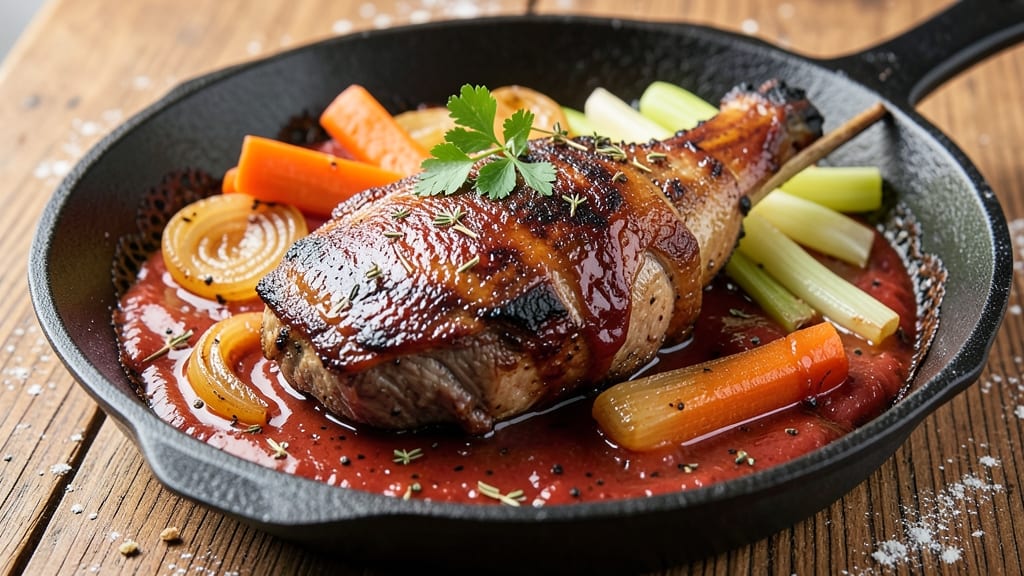
This BBQ beef shank recipe transforms tough cuts into melt-in-your-mouth perfection through slow braising—exactly the technique I perfected after years of experimenting with French slow-cooked meats and smokehouse traditions. The key lies in patience: letting collagen break down over hours until the meat practically falls apart at the touch of a fork. My family still talks about the first time I served this at a coastal cookout, where the rich, smoky aroma drew everyone to the table before the meal even began.
The magic happens in the marinade—a blend of bold spices and tangy vinegar that penetrates deep into the meat, while the slow braise in liquid creates a sauce so rich it deserves its own bowl.
We're talking tender beef that clings to the bone, with a surface that's caramelized to deep brown perfection. This isn't just dinner; it's an experience that turns weeknights into special occasions. The best part?
You can start it in the morning and have dinner ready by evening, with minimal effort after the initial setup.
What makes this recipe truly special is how it balances tradition with simplicity. No fancy equipment needed—just a heavy pot (Dutch oven works perfectly) and time. The slow cooking process develops flavors that store-bought sauces can't match, while the final resting period ensures every bite is juicy and flavorful.
Whether you're feeding a crowd or treating yourself to a Sunday feast, this beef shank delivers restaurant-quality results that'll have everyone asking for seconds.
Pair it with crusty bread to soak up that rich braising liquid, or serve alongside roasted vegetables for a complete meal. The leftovers? Even better the next day as sandwiches or tacos. This is comfort food at its finest—where technique meets tradition to create something truly memorable.
Ingredients for bbq beef shank
Six ingredients transform tough shank into melt-in-your-mouth perfection—just time and patience needed.
| Ingredient | Amount | Notes |
|---|---|---|
| Beef Shank 🥩 | 3 lb | Bone-in for maximum flavor |
| Yellow Onion 🧅 | 1 whole | Chopped into large chunks |
| Carrots 🥕 | 4 whole | Cut into 2-inch pieces |
| Celery Stalks 🥬 | 3 whole | Cut into 2-inch pieces |
| Garlic Cloves 🧄 | 8 cloves | Smashed with side of knife |
| Tomato Paste 🍅 | ½ cup | Squeeze tube works perfectly |
| Apple Cider Vinegar 🍎 | ½ cup | For tangy depth |
| Beef Broth 🥄 | 3 cups | Homemade or high-quality store-bought |
| Dark Brown Sugar 🍚 | ¼ cup | Packed for richness |
| Smoked Paprika 🌶️ | 2 tbsp | For smoky depth |
| Ground Black Pepper 🌶️ | 1 tbsp | Freshly cracked |
| Salt 🧂 | 1 ½ tsp | Kosher or sea salt |
| Fresh Thyme 🌿 | ¼ cup | Leaves only, stems removed |
| Olive Oil 🫒 | 2 tbsp | For searing |
The beef shank is the star here, and bone-in cuts are non-negotiable—they add incredible depth of flavor. Grab the thickest shanks you can find at Costco or your local butcher shop; they're often cheaper per pound and have better marbling. If you're buying pre-cut, look for pieces that are roughly 2-3 inches thick—they'll braise more evenly. For the broth, homemade is ideal, but Annie's or Pacific Foods brands are solid store-bought options. The tomato paste? Don't bother with the can—those little squeeze tubes at Trader Joe's are perfect for this recipe (no waste, lasts forever).
No fresh thyme? Dried works at one-third the amount, but honestly, it's worth tracking down fresh for this dish. Running low on beef broth? Chicken broth plus a splash of soy sauce gets you close, though the flavor won't be identical. Short on apple cider vinegar? Red wine vinegar or balsamic both work, but the apple cider gives that classic BBQ tang. The carrots and celery can be swapped for any root vegetable you've got—turnips or parsnips add nice texture. And if you're feeling fancy, add a bay leaf or two to the pot for extra aroma (just remove before serving).
This dish tastes even better the next day, so make extra—it keeps for 4-5 days in the fridge and freezes beautifully for up to 3 months. For freezing, portion into individual containers with some of the braising liquid. When reheating, add a splash of water or broth to prevent drying out. The leftovers? Game-changers for sandwiches—just pile on crusty bread with pickles and mustard. And if you're serving a crowd, double the recipe—it's worth the effort.
Why You'll Love This Recipe
- One-Pot Magic: I swear by this for lazy nights—just toss the shank, onions, carrots, and celery into a Dutch oven with the garlic, add some BBQ sauce, and let it slow-cook. No chopping boards to clean, no extra pots, just hands-off perfection.
- Deep Umami Bomb: That beef shank? It melts into tender, rich strands that soak up the smoky-sweet BBQ sauce like a sponge. The garlic and onions caramelize into a glossy, flavor-packed base that makes every bite taste like a hug from your grandma’s kitchen.
- Leftovers That Shine: Between us, this dish begs for seconds—and then thirds. The flavors only get better after a day or two, so I always make extra. Reheat it for sandwiches, toss it into pasta, or serve it over mashed potatoes. It’s the ultimate lazy-day lifesaver.
- Budget-Friendly Feast: Shanks are cheap, but they feel like a splurge. Honestly, this recipe stretches a single cut into four or five meals without breaking the bank. Plus, the veggies (onions, carrots, celery) are pantry staples—minimal cost, maximum flavor. My wallet thanks me every time.
Step-by-step instructions for slow-braised beef shank
Here's how to turn tough beef shank into melt-in-your-mouth perfection through slow braising.
Sear the Beef Shank for Maximum Flavor
Heat a large Dutch oven over medium-high heat and add the 2 tablespoons olive oil. Once shimmering, carefully place the 3 lb beef shank in the pot, fat-side down. Let it sear undisturbed for 8-10 minutes until a deep golden brown crust forms on all sides. This step develops the rich, caramelized flavor that carries through the entire braise.
Flip the shank and sear the other sides for another 4-5 minutes. I like to press down gently on the shank during the first minute—this prevents it from curling and ensures even contact with the pan. Once properly seared on all sides, remove the shank and set it aside on a plate.
Build the Flavorful Braising Base
In the same Dutch oven, add the chopped 1 whole yellow onion, 4 whole carrots cut into 2-inch pieces, and 3 whole celery stalks cut into 2-inch pieces. Cook over medium heat for 5 minutes, stirring occasionally, until the vegetables begin to soften and release their juices.
Add the 8 smashed garlic cloves, 2 tablespoons smoked paprika, 1 tablespoon ground black pepper, and 1.5 teaspoons salt. Stir for 30 seconds to toast the spices and release their aromatic oils. Then pour in the 0.5 cup apple cider vinegar and scrape up any browned bits from the bottom of the pot with a wooden spoon. These bits are packed with flavor—don't miss them!
Create the Braising Liquid
Add the 0.5 cup tomato paste and stir to combine with the vegetables and spices. Cook for 1 minute until the tomato paste darkens slightly. Pour in the 3 cups beef broth and scrape up any remaining bits from the bottom of the pot. Stir in the 0.25 cup dark brown sugar and 0.25 cup fresh thyme leaves.
Bring the liquid to a gentle simmer over medium heat. You want small bubbles forming around the edges, but not a rolling boil. The liquid should be enough to come about halfway up the sides of the shank when you return it to the pot. If it's too thin, reduce it slightly by simmering uncovered for 2-3 minutes.
Braise Until Fork-Tender
Return the seared beef shank to the Dutch oven, placing it in the liquid. Bring the liquid back to a gentle simmer, then reduce heat to low. Cover the pot with a tight-fitting lid and transfer to the oven preheated to 300°F. Braise for 3 hours, then check for doneness.
To test, use a fork or meat thermometer to check the internal temperature. The shank is ready when it reaches 200-205°F and the meat should be fork-tender with no resistance. If it's not quite there, return it to the oven for another 30-60 minutes. The longer it braises, the more tender and flavorful it becomes, but don't exceed 4 hours total braising time.
Rest and Serve with Pan Sauce
Once the beef shank is perfectly tender, remove it from the pot and transfer to a cutting board. Tent loosely with foil and let it rest for 15-20 minutes. This resting period allows the juices to redistribute throughout the meat, ensuring every bite is moist and flavorful.
While the shank rests, remove the lid from the Dutch oven and increase heat to medium-high. Simmer the braising liquid uncovered for 5-7 minutes to reduce it slightly and thicken the sauce. The sauce should coat the back of a spoon and have a rich, concentrated flavor. Slice the beef shank against the grain into ½-inch thick slices and serve with the pan sauce spooned over the top. The vegetables can be served alongside or mixed into the sauce for a hearty stew.
Pro Tips For Making Bbq Beef Shank
- SEAR IN TWO BATCHES: Beef shanks are heavy—crowding the pan drops the temperature and turns your crust into sad, greasy sludge. Sear the first shank until deep brown (5-6 minutes per side), then move it to a plate. Repeat with the second. The extra heat makes the difference between "meh" and "wow."
- CUT ONIONS IN HALVES: Whole onions caramelize unevenly and clump into a mushy mess. Halve them lengthwise first, then slice—this exposes more surface area and keeps them crisp-tender. (Yes, even if you’re impatient like me.)
- DON’T SKIP THE FOIL REST: After browning, tent the shanks with foil for 5 minutes. This traps steam and keeps them from drying out while you prep the mirepoix. I learned this the hard way—skipping it means tougher meat by the time you add liquid.
- USE CARROTS IN CHUNKS: Thin slices turn to mush; big chunks stay intact but get rubbery. Cut them into ½-inch batons instead. They’ll soften just enough to melt into the sauce without falling apart. (Your future self will notice the difference.)
Flavor customization for this recipe
Smoky Heat Boost
Crank up the smokiness by adding 1 tablespoon chipotle powder to the marinade or braising liquid. For extra depth, I like to steep 2 chipotle peppers in adobo sauce in the broth for 10 minutes before adding it to the pot.
This gives the dish a slow-building heat that lingers. 🌶️
Want even more smoke? Swap the smoked paprika for 1 tablespoon each of ancho and guajillo chili powders. Toast them lightly in a dry pan for 30 seconds to release their aromas before adding to the braising liquid. This adds complexity and a deeper, earthier smoke flavor.
Sweet & Tangy Twist
Balance the richness with a sweet-tangy glaze by adding ¼ cup molasses or honey to the braising liquid during the last 30 minutes of cooking. The molasses gives a deep, caramelized finish while cutting through the fat. For extra brightness, stir in 1 tablespoon Dijon mustard at the end.
For a fruity twist, add ½ cup cranberry sauce (homemade or store-bought) during the final 20 minutes of braising. The tartness pairs beautifully with the beef and adds a festive touch—perfect for holiday meals. 🍇
Herb & Garlic Infusion
Amplify the herbaceous notes by adding 1 tablespoon fresh rosemary and 2 extra garlic cloves to the braising liquid. The rosemary adds piney depth, while the extra garlic enhances the savory profile.
I also like to infuse the broth with 1 whole star anise pod for 10 minutes before adding it to the pot.
For a coastal-inspired variation, add ½ cup white wine and 1 sprig fresh thyme to the braising liquid. The wine deglazes the pot beautifully and adds a subtle acidity that brightens the dish. This works especially well if you're serving it with crusty bread or roasted potatoes.
Spicy Kick Variations
If you love heat, add 1-2 fresh jalapeños, sliced, to the braising liquid during the last 30 minutes of cooking. For a smoky heat, include the seeds and ribs for extra intensity. Remove them before serving if you prefer less heat but still want the flavor.
For a sweet-spicy balance, stir in 1 tablespoon gochujang (Korean chili paste) during the final 15 minutes of braising. The fermented heat adds a unique depth that pairs perfectly with the rich beef. This variation is inspired by my coastal rides through Korean BBQ spots.
Nutrition facts
Frequently asked questions
How long should I let the beef shank rest before slicing?
Always let the beef shank rest for 15-20 minutes after braising. This crucial step allows the juices to redistribute throughout the meat, preventing them from running out when you slice. Trust me, skipping this step means dry, less flavorful meat—worth the wait!
Can I use a slow cooker instead of an oven for this recipe?
Transfer the seared shank and braising liquid to a slow cooker and cook on low for 8-10 hours or high for 5-6 hours. The low-and-slow method works perfectly, though the oven gives slightly better caramelization. Just add ½ cup extra broth since slow cookers evaporate more liquid.
What's the best way to store and reheat leftovers?
Store leftovers in an airtight container with some of the braising liquid for 4-5 days in the fridge or 3 months in the freezer. To reheat, warm in a saucepan over medium-low heat with a splash of water or broth until heated through. Never microwave—it makes the meat tough.
Why does my beef shank turn out tough instead of tender?
Tough beef shank usually means either not enough braising time (200-205°F internal temp is key) or too much liquid. Use a tight-fitting lid and maintain a gentle simmer—never a boil. If the liquid level drops too low, add more broth. Patience is everything!
What are the best sides to serve with BBQ beef shank?
Crusty sourdough bread is perfect for soaking up the rich sauce, while roasted root vegetables (carrots, parsnips) complement the hearty meat. For a complete meal, add a simple green salad with a tangy vinaigrette to cut through the richness. My favorite? Buttery mashed potatoes with a sprinkle of smoked paprika!