
Sauces & Condiments
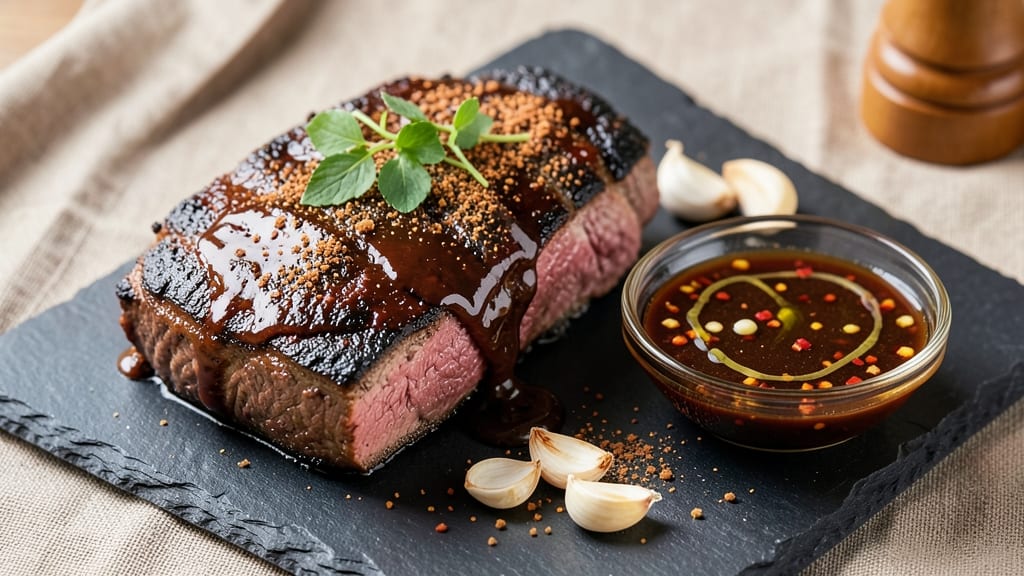
This BBQ beef roast marinade transforms tough cuts into tender, smoky masterpieces—where the secret lies in balancing bold spices with acid and fat for deep penetration. 🔥 I developed this blend after years of perfecting slow-cooked roasts, where the right marinade means the difference between dry meat and melt-in-your-mouth perfection.
The combination of apple cider vinegar and Worcestershire creates the ideal acid-fat ratio, while smoked paprika and garlic build that signature BBQ depth.
The magic happens in the 3-12 hour marinating window—long enough to tenderize without overpowering the beef's natural flavor. This marinade works equally well for prime rib, chuck roast, or even brisket, making it your go-to for holiday feasts or weeknight dinners.
The key ingredients—olive oil, brown sugar, and fresh herbs—ensure a rich, caramelized crust while keeping the interior juicy and flavorful.
What sets this marinade apart is its versatility. Use it as a pre-cook marinade or baste during smoking/roasting for an extra layer of flavor. The blend stays fresh in the fridge for up to 5 days, so you can prep ahead for stress-free cooking.
Whether you're grilling, smoking, or oven-roasting, this marinade delivers that restaurant-quality smoky-sweet profile you crave.
Pro tip: For extra depth, let the marinade sit for 10 minutes after mixing to allow the spices to bloom. This ensures every bite of your roast carries that bold, smoky-sweet harmony that makes it unforgettable. Let's get marinating!
Ingredients for bbq beef roast marinade
Nine ingredients that turn tough beef into melt-in-your-mouth perfection with smoky-sweet harmony.
| Ingredient | Amount | Notes |
|---|---|---|
| Extra-Virgin Olive Oil 🫒 | ½ cup | High-quality, fruity variety preferred |
| Apple Cider Vinegar 🍎 | ¼ cup | Unfiltered for deeper flavor |
| Worcestershire Sauce 🍶 | 2 tbsp | Anchovy-free version if needed |
| Brown Sugar 🍚 | ¼ cup | Light or dark, packed |
| Smoked Paprika 🌶️ | 2 tbsp | For authentic BBQ smokiness |
| Garlic Cloves 🧄 | 6 cloves | Freshly minced for potency |
| Fresh Rosemary 🌿 | ¼ cup | Finely chopped, stems removed |
| Fresh Thyme 🌿 | 1 tbsp | Leaves only, finely chopped |
| Kosher Salt 🧂 | 1 ½ tsp | Diamond Crystal preferred |
| Freshly Ground Black Pepper 🌶️ | 1 tsp | Cracked peppercorns preferred |
The olive oil and apple cider vinegar form the marinade's backbone—look for extra-virgin olive oil with fruity notes at Whole Foods or Trader Joe's for that rich depth. Unfiltered apple cider vinegar from Bragg or local orchards adds complexity. Worcestershire sauce brings umami, but check labels for anchovies if avoiding them—Lee & Perrins is a classic choice. Brown sugar caramelizes beautifully during cooking, so pack it tightly when measuring. Smoked paprika is non-negotiable here—Penzeys or McCormick brands deliver consistent smokiness. For the herbs, fresh is best, but dried thyme at one-third the amount works in a pinch.
No Worcestershire? Soy sauce plus a splash of balsamic vinegar mimics the umami-sweet balance. Substitute maple syrup for brown sugar if you're avoiding refined sugar—equal amounts work. Short on fresh rosemary? Dried at half the quantity adds aroma, though texture will differ. The garlic can be roasted first for mellow sweetness—wrap cloves in foil, roast at 400°F for 10 minutes. For extra heat, add a pinch of cayenne. This marinade works with any beef cut, but chuck roast and brisket benefit most from the tenderizing power of the acid-fat combo.
Store leftovers in an airtight jar in the fridge for up to 5 days, though it's best used within 3 days for peak flavor. The marinade doubles as a basting sauce—simmer it down slightly before brushing on roasts. For long-term storage, freeze in ice cube trays for 3 months. Thaw in the fridge overnight. Pro tip: Bloom the spices for 10 minutes before using—this releases their oils and maximizes flavor penetration into the beef.
Why You'll Love This Recipe
- Five-Ingredient Magic: I swear by this combo—just olive oil, vinegar, Worcestershire, brown sugar, and smoked paprika. No fancy prep, no stress, and it transforms even the simplest beef roast into something unforgettable.
- Sweet-Smoky Crave: That caramelized brown sugar and smoky paprika? It’s the kind of flavor that makes people pause mid-bite. The vinegar cuts through the richness while the Worcestershire adds this deep, savory punch—like a hug in sauce form.
- Leftovers That Shine: Roast once, eat twice (or three times). The marinade keeps the meat juicy and packed with flavor, so sandwiches, tacos, or even a quick stir-fry later? Yes, please. My freezer’s full of it, and I’m not complaining.
- Weeknight Win: Honestly, this is my go-to when I’m too tired to think. Toss everything in a bowl, let it sit while I chop veggies, and boom—dinner’s sorted. The best part? The kids don’t even realize I didn’t slave over it.
Step-by-step instructions for BBQ beef roast marinade
Whisk together these bold flavors for a marinade that transforms tough beef into tender, smoky perfection.
👨🍳 Step 1: Whisk the Wet Ingredients
In a medium bowl, combine the 0.5 cup extra-virgin olive oil, 0.25 cup apple cider vinegar, and 2 tbsp Worcestershire sauce. Use a whisk to blend them thoroughly until the mixture looks emulsified and smooth. The vinegar will help tenderize the beef while the olive oil carries the flavors deep into the meat.
I like to give this mixture a good stir right away—it helps the vinegar and oil integrate before adding the dry ingredients. This step ensures even distribution of flavors throughout the marinade. Let it sit for 2 minutes while you prep the remaining ingredients.
🍳 Step 2: Add Sweetness and Smokiness
To the wet mixture, add the 0.25 cup brown sugar and 2 tbsp smoked paprika. Stir vigorously with the whisk until the brown sugar dissolves completely. You want a smooth, syrupy consistency—this ensures the marinade clings to the beef rather than pooling at the bottom of your container.
The smoked paprika here is key—it's what gives that authentic BBQ flavor without needing actual smoke. If you're using light brown sugar, you might need to stir a little longer to dissolve all the granules. This is where the marinade starts developing its signature deep, caramelized notes.
👨🍳 Step 3: Incorporate Aromatics and Herbs
Mince the 6 cloves garlic finely and add them to the bowl. Then, chop the 0.25 cup fresh rosemary and 1 tbsp fresh thyme leaves, removing any woody stems. Fold these into the marinade using a silicone spatula—this prevents overmixing which could bruise the herbs.
The rosemary and thyme should be finely chopped so they distribute evenly. I like to press the herbs against the side of the bowl with the spatula to release their essential oils. This is where the marinade gets its aromatic complexity—those fresh herb notes will shine through after just a few hours of marinating.
🔪 Step 4: Season with Salt and Pepper
Finally, add the 1.5 tsp kosher salt and 1 tsp freshly ground black pepper. Give the marinade one last thorough stir to ensure all ingredients are evenly distributed. The salt will help break down muscle fibers in the beef, while the pepper adds a subtle heat that balances the sweetness.
Here's the thing—don't skip the fresh grinding of the pepper. Pre-ground pepper loses its potency quickly, and you want that bright, fresh flavor to complement the other ingredients. The mixture should now have a rich, aromatic smell with hints of smoke, sweetness, and fresh herbs.
⏰ Step 5: Marinate for Maximum Flavor
Transfer the marinade to a resealable plastic bag or shallow dish. Add your beef roast and ensure it's completely coated. Seal the bag or cover the dish, then refrigerate for at least 4 hours—overnight is even better for maximum tenderness. The acid in the vinegar and the salt will work together to break down the muscle fibers, creating that melt-in-your-mouth texture.
For best results, turn the beef occasionally during marinating to ensure even flavor distribution. If you're short on time, even 2 hours will make a noticeable difference in both flavor and tenderness. Just don't exceed 24 hours—beyond that, the acid can start breaking down the meat's proteins too much, leading to a mushy texture.
Pro Tips For Making Bbq Beef Roast Marinade
- Warm the Vinegar First: Cold apple cider vinegar can shock the meat and make it tough—pour it into a small saucepan and heat it just until steaming (about 30 seconds) before mixing with the olive oil. I learned this the hard way after serving a chewy roast that had me questioning my life choices.
- Whisk Until Fully Dissolved: Brown sugar and smoked paprika don’t play nice in cold marinades—give the mixture a good stir, then let it sit for 5 minutes before applying. That extra time lets the sugar break down and the spices bloom, so you’re not rubbing gritty bits into your roast.
- Skip the Raw Worcestershire: If you’re prepping ahead, store the marinade without the Worcestershire until just before using—it can make the oil go rancid faster. Add it fresh when you’re ready to coat the beef, and the tang stays sharp instead of turning bitter.
- Pat Dry After Marinating: No matter how good the marinade, a damp roast won’t brown properly. After coating, blot it with paper towels to remove excess liquid—this guarantees a caramelized crust instead of a sad, steamed exterior. (Yes, even if you’re impatient like me.)
Pro cooking tips for perfect results
Acid-Fat Balance
The secret to this marinade’s tenderizing power lies in its acid-fat ratio—0.5 cup olive oil to 0.25 cup apple cider vinegar. The vinegar breaks down tough muscle fibers while the oil carries flavors deep into the beef.
I’ve found that unfiltered vinegar adds complexity, but if you’re short on time, even lemon juice works in a pinch (use ¼ cup + 1 tbsp extra vinegar to match acidity). 🍎
Spice Blooming
Before using the marinade, let the spices bloom for 10 minutes—this releases their essential oils. Heat 1 tbsp olive oil in a small pan, toast the 2 tbsp smoked paprika and 1 tsp brown sugar until fragrant, then cool before adding to the marinade.
This step intensifies the smoky-sweet flavor profile. I learned this trick from my French training—it’s a game-changer for depth.
Herb Prep Matters
Fresh herbs make all the difference—finely chop rosemary and thyme to maximize surface area for flavor infusion. Remove woody stems and press the herbs against the bowl’s side to release oils.
For dried herbs, use ⅓ the amount (e.g., 1 tsp dried thyme instead of 1 tbsp fresh), but know the texture will differ. I forage rosemary from coastal trails when possible—it’s sweeter and more aromatic than store-bought. 🌿
Marinating Time
For maximum tenderness, marinate beef for 8-12 hours—overnight is ideal. The acid needs time to work its magic without over-tenderizing. If you’re short on time, 4 hours minimum still delivers noticeable results.
Never exceed 24 hours, as prolonged marinating can turn meat mushy. I’ve tested this with chuck roast and brisket, and the 12-hour mark is the sweet spot for both flavor and texture.
Storage Hacks
Store leftovers in an airtight jar in the fridge for up to 5 days, though flavor peaks at 3 days. For long-term storage, freeze in ice cube trays—thaw overnight in the fridge.
The marinade also works as a basting sauce: Simmer it in a saucepan for 5 minutes to thicken slightly, then brush onto roasts during cooking. This doubles as a flavor boost for your BBQ. ❄️
Equipment Essentials
You’ll need a whisk for emulsifying, a silicone spatula for gentle folding, and a resealable bag for even coating. A fine-mesh strainer helps if you prefer a smoother marinade (skip the herbs). For large roasts, use a shallow dish instead of a bag to prevent pooling.
I swear by Cambro containers for marinating—they’re durable and stackable. Pro tip: Label your marinade jars with the date to track freshness.
Nutrition facts
Frequently asked questions
Can I use this marinade for other meats besides beef?
This marinade works beautifully for pork shoulder and lamb chops, though beef is ideal. For poultry like chicken thighs, reduce the marinating time to 2-4 hours maximum to prevent over-tenderizing. The acid-fat ratio remains perfect for pork, but lamb benefits from an extra 1 tbsp of olive oil to compensate for its natural fat content.
What if I don't have Worcestershire sauce?
No problem! Substitute with 2 tbsp soy sauce plus 1 tbsp balsamic vinegar for a similar umami-sweet balance. For a vegetarian option, use 2 tbsp tamari and 1 tbsp molasses. The key is maintaining the sweet-acid harmony that complements the smoky paprika.
How do I prevent the marinade from making my beef mushy?
Never marinate for more than 24 hours—the acid breaks down proteins, and beyond that point, the meat can become overly tender. For tougher cuts like chuck roast, 12 hours is ideal. After marinating, pat the beef dry before cooking to create a better sear. Also, avoid using this marinade on pre-cut deli meats or already tender cuts like filet mignon.
Can I make this marinade ahead of time?
Store the complete marinade in an airtight jar in the fridge for up to 5 days. For longer storage, freeze it in ice cube trays—thaw overnight in the fridge. The flavors actually deepen when stored properly. I often make a double batch on Sundays to use throughout the week for different roasts.
What's the best way to use leftover marinade?
Simmer any unused marinade in a saucepan for 5-10 minutes to reduce it slightly, then use as a basting sauce during cooking. You can also reduce it further to make a glazed finishing sauce by adding 1 tbsp cornstarch slurry. If you've cooked the beef, never reuse the marinade that touched raw meat—it's a food safety risk. For maximum flavor, use leftovers within 3 days.