
Main Courses
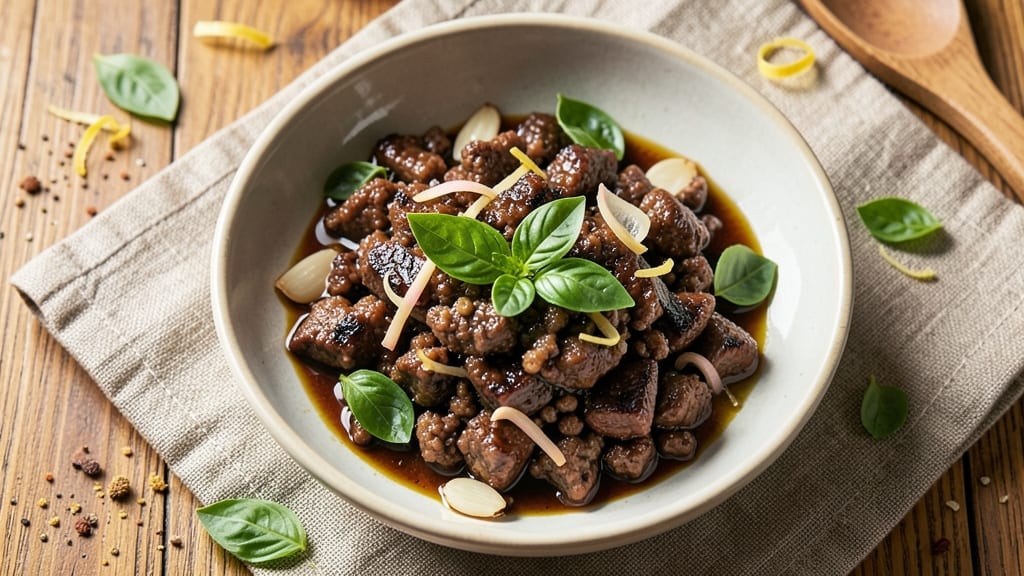
This basil minced beef recipe transforms simple ingredients into a fragrant, herb-packed stir-fry that delivers restaurant-quality flavor in just 25 minutes. The secret lies in finely mincing the beef and infusing it with fresh basil during cooking, creating a dish that's both aromatic and deeply satisfying.
I developed this recipe during a busy week when I needed a quick, flavorful meal that still felt special—no shortcuts, just smart techniques.
The process is straightforward: start with thinly sliced beef that cooks quickly over high heat, then fold in fresh basil at the end to preserve its bright, peppery flavor. A simple soy-ginger sauce ties everything together, balancing the richness of the beef with bright, tangy notes.
The result is tender, flavorful beef with vibrant green basil flecks throughout—each bite is packed with herbaceous aroma and savory depth.
What makes this recipe stand out is how it elevates basic ingredients into something extraordinary. The beef remains tender yet develops a slight char from high-heat cooking, while the basil adds freshness that cuts through the richness.
Serve it over steamed rice or noodles for a complete meal, or pair with a crisp salad for balance. This dish is perfect for weeknight dinners or meal prep—it reheats beautifully while maintaining its vibrant flavors.
For those watching their gluten intake, simply swap the soy sauce for a tamari or coconut aminos. The technique remains the same, ensuring the same delicious results without compromising on flavor. Let's get started—your taste buds will thank you.
Ingredients for basil minced beef
Thinly sliced beef, fragrant herbs, and aromatic oils combine for a restaurant-worthy stir-fry in record time.
| Ingredient | Amount | Notes |
|---|---|---|
| Top-Quality Beef Tenderloin 🥩 | 1 ¼ lb | Thinly sliced against grain |
| Fresh Basil Leaves 🌿 | 1 ½ cups | Packed, stems removed |
| Extra-Virgin Olive Oil 🫒 | 2 tbsp | High-quality, fruity variety |
| Low-Sodium Soy Sauce 🥢 | 3 tbsp | Or tamari for gluten-free |
| Fresh Ginger 🌿 | 2 tbsp | Finely grated, aromatic |
| Garlic Cloves 🧄 | 4 cloves | Minced, pungent flavor |
| Sesame Oil 🫒 | 1 tbsp | Toasted for nutty aroma |
| Brown Sugar 🍯 | 1 tbsp | Lightly packed |
| Diamond Crystal Kosher Salt 🧂 | ¾ tsp | For seasoning balance |
| Freshly Ground Black Pepper 🌶️ | ½ tsp | Cracked peppercorns preferred |
| Cornstarch 🌾 | 1 tbsp | For tenderizing beef |
| Sesame Seeds 🥜 | 1 tsp | Toasted for garnish |
| Jasmine Rice 🍚 | 1 ½ cups | Uncooked, long-grain |
| Water 💧 | 3 cups | For rice cooking |
| Lime Juice 🍋 | 1 tbsp | Freshly squeezed |
The beef quality makes all the difference here—tenderloin stays tender while developing a satisfying char. Look for well-marbled cuts at Whole Foods or your local butcher, and ask for it sliced against the grain for maximum tenderness. If using pre-sliced beef, check for even thickness—1/8-inch slices cook perfectly. Fresh basil should be vibrant green with no wilting; local farmers markets often carry the freshest varieties. The ginger and garlic should be freshly grated and minced for maximum flavor impact—pre-minced or jarred versions lack the same punch.
No fresh basil? Dried basil at one-third the amount works in a pinch, though the texture won't be the same. Substitute tamari for soy sauce to make this gluten-free without sacrificing flavor. For the ginger, if you only have powdered, reduce to half the amount and add a pinch of cinnamon for depth. The sesame oil is non-negotiable for that nutty aroma—Kadoya brand is widely available and excellent. If you're watching sugar, reduce brown sugar to 1 tsp and boost lime juice to 2 tbsp for brightness. The cornstarch helps tenderize the beef but can be omitted if you prefer a more rustic texture, though the beef may be slightly chewier.
Prep the rice first—it takes the longest. While it cooks, slice the beef and marinate it briefly with soy sauce and cornstarch. The dish reheats beautifully—store in airtight containers for up to 3 days or freeze for 2 months. For meal prep, portion the beef and sauce separately to maintain texture. The basil wilts quickly when reheated, so always add fresh basil at the end when serving. Garnish with toasted sesame seeds and lime zest just before eating to preserve that vibrant aroma. This dish pairs perfectly with steamed greens or a simple cucumber salad for a complete meal.
Why You'll Love This Recipe
- One-Pan Magic: Between us, this dish is that recipe—mince the beef, toss in the basil and ginger, and let the pan do the work. No chopping boards, no extra pots, just a single sheet pan that smells like a five-star dinner by the time you’re done.
- Herb-Packed Punch: The basil isn’t just garnish here—it’s the star, bright and peppery, cutting through the richness of the tenderloin. That first bite? The tender beef, the zing of fresh ginger, and the soy sauce’s umami all hitting your tongue at once. Ridiculously good.
- Weeknight to Dinner Party: Same prep, totally different vibes. Serve it over rice for a quick Tuesday night, or plate it on toasted baguette slices with a drizzle of olive oil for a fancy-ish appetizer. Honestly, I’ve pulled it off for both—and no one’s ever questioned my menu planning.
- Leftovers That Don’t Suck: Most minced beef dries out by day two. Not this one. The olive oil keeps it moist, and the basil stays fragrant even reheated. Pack it for lunches or freeze half—it’s my go-to for lazy mornings when I’m too tired to cook. (Yes, even on a Tuesday.)
Step-by-step instructions for basil minced beef stir-fry
This method transforms tender beef into a fragrant herb-packed dish with precise timing and technique.
Prepare the Beef for Maximum Tenderization
Begin by slicing the 1.25 lb top-quality beef tenderloin against the grain into ¼-inch thick strips. This cut ensures each piece remains tender. Transfer the sliced beef to a bowl and add the 1 tbsp cornstarch, tossing to coat evenly. Let it sit for 10 minutes—this creates a delicate barrier that locks in juices and prevents overcooking.
While the beef marinates, prepare the aromatics. Finely grate the 2 tbsp fresh ginger and mince the 4 cloves garlic cloves until you can barely see the pieces. Set these aside—they'll form the flavor base of your stir-fry. The reason for this prep now is to streamline the cooking process later, ensuring nothing burns while you're focused on the beef.
Cook the Jasmine Rice to Perfect Texture
Rinse the 1.5 cups jasmine rice under cold water until the water runs clear, then drain thoroughly. In a medium saucepan, combine the rice with 3 cups water and bring to a boil over high heat. Once boiling, reduce to low heat, cover tightly, and simmer for 15 minutes. Remove from heat and let it steam, covered, for another 10 minutes. This resting period allows the rice to absorb all the moisture, resulting in fluffy, separate grains.
I always use a tight-fitting lid here—any gaps let steam escape, leading to dry rice. If you're short on time, you can use a rice cooker, but stovetop gives you better control over texture. The rice should be ready to serve by the time your beef finishes cooking, creating a complete meal in 25 minutes total.
Sear the Beef in Stages for Optimal Texture
Heat 1 tbsp extra-virgin olive oil in a wok or large skillet over high heat until shimmering. Working in batches if needed, add the cornstarch-coated beef and sear for 1-2 minutes per side until deep golden brown and cooked to 160°F internally. Remove the beef and set aside, keeping it warm. The high heat is crucial here—it creates that signature wok-hei flavor while keeping the beef tender.
If your pan isn't hot enough, the beef will steam instead of sear. You'll know it's ready when you see a crust form almost immediately upon contact. Don't overcrowd the pan, or the beef will release moisture and steam instead of developing that beautiful caramelized exterior.
Build the Fragrant Herb Sauce
In the same pan, reduce heat to medium and add the remaining 1 tbsp extra-virgin olive oil. Add the grated ginger and minced garlic, cooking for 30 seconds until fragrant but not browned. Pour in the 3 tbsp low-sodium soy sauce, 1 tbsp brown sugar, and 1 tbsp lime juice, stirring constantly for 1 minute until the sauce thickens slightly.
Here's where the basil transforms this into something extraordinary. Add the 1.5 cups packed fresh basil leaves and stir vigorously for 30 seconds—just enough to wilt the leaves without pulverizing them. The basil should brighten the sauce with its fresh, slightly peppery notes. If the sauce seems too thick, add 1-2 tablespoons water to reach your desired consistency.
Combine and Finish with Sesame Oil
Return the seared beef to the pan along with any accumulated juices. Add the 1 tbsp sesame oil and toss everything together for 1-2 minutes until the beef is evenly coated and heated through. The sesame oil adds a nutty depth that complements the bright basil and savory soy sauce. Taste and adjust seasoning with the 0.75 tsp diamond crystal kosher salt and 0.5 tsp freshly ground black pepper if needed.
Serve the basil minced beef immediately over the jasmine rice, garnished with 1 tsp toasted sesame seeds. The contrast between the fragrant herb-packed beef and fluffy rice creates a harmonious balance of textures and flavors. Each bite should deliver tender beef, aromatic basil, and a perfect sauce-to-rice ratio that makes this dish truly special.
Pro Tips For Making Basil Minced Beef
- PULSE THE BEEF: Start with a quick sear in a screaming-hot pan—just 30 seconds per side—before adding any liquid. This locks in juices and builds flavor faster than slow simmering. (Yes, even tenderloin needs that initial shock.)
- SALT THE BASIL: Toss your fresh basil leaves in a pinch of flaky salt and a drizzle of olive oil 10 minutes before using. It softens the leaves and keeps them from turning bitter when cooked—no more sad, wilted herbs at the end.
- STOP STIRRING: Let that minced beef sit undisturbed for 2 full minutes after adding the soy sauce and ginger. Crowding the pan or poking it too soon turns your tenderloin into mush. (I learned this the hard way with my first batch.)
- GINGER MATTERS: Use a microplane, not a knife, for the ginger—it releases more flavor without the bitter fibers. A teaspoon of finely grated ginger (not chopped) makes a real difference in this dish. (Your future self will notice.)
Regional styles of this recipe
Italian Basil Beef
In Italy, this dish transforms into Bistecca alla Basilicata, where minced beef is cooked with fresh basil, garlic, and olive oil. The key difference is the use of San Marzano tomatoes—add ½ cup crushed tomatoes to the sauce for a tangy twist.
Cook the beef with 1 tsp dried oregano and finish with ¼ cup grated Parmesan for a rich, umami depth. Serve with crusty ciabatta bread to soak up the sauce. 🌿
Thai Basil Beef
For a Thai-inspired version, swap soy sauce for fish sauce and add Thai basil (holy basil) instead of Italian basil. Toss in 1 tbsp red curry paste with the ginger and garlic, then finish with lime zest and cilantro.
Garnish with crushed peanuts and Thai bird’s eye chilies for heat. Pair with jasmine rice or rice noodles for an authentic street-food vibe. 🌶️
Korean Kimchi Beef
This Korean adaptation replaces basil with 1 cup chopped kimchi and adds Gochujang for spice. Cook the beef with 1 tbsp gochujang and 1 tsp sesame paste, then stir in 1 tbsp rice vinegar at the end.
Top with sesame seeds and sliced green onions. Serve with steamed short-grain rice and a side of quick-pickled cucumbers for balance. The tangy, spicy kick elevates the dish to new heights. 🔥
Mediterranean Lemon-Herb Beef
Inspired by Greek flavors, this version swaps soy sauce for lemon juice and adds fresh oregano and rosemary. Cook the beef with 1 tbsp olive oil, then deglaze the pan with 2 tbsp white wine.
Finish with zested lemon peel and crumbled feta cheese. Serve with roasted potatoes and a Greek salad for a bright, herbaceous meal. The lemon cuts through the richness beautifully. 🍋
Japanese Shiso Beef
For a Japanese twist, replace basil with shiso leaves (or sub with mint if unavailable). Use mirin instead of brown sugar and add 1 tsp grated ginger and 1 tsp sake to the sauce.
Garnish with toasted sesame seeds and sliced scallions. Serve with steamed white rice and miso soup for a comforting, umami-rich dish. The shiso adds a unique citrusy aroma that’s distinct from basil. 🍜
Nutrition facts
Frequently asked questions
Can I use ground beef instead of thinly sliced beef?
Ground beef works but will change the texture significantly. The recipe relies on quick-searing thin slices to maintain tenderness and achieve that signature wok-hei flavor. If you must use ground beef, form it into small patties (1-inch thick) and cook them for 2-3 minutes per side until browned and cooked to 160°F. The result will be heartier but less delicate than the original stir-fry.
How do I prevent the basil from turning bitter?
Add fresh basil only at the very end of cooking—just 30 seconds before serving. Overcooking basil releases bitter compounds. Also, use vibrant green leaves (no yellowing) and avoid stems. If your basil tastes bitter, it may be old—replace with fresh leaves from your garden or market. The key is timing and quality!
Can I make this recipe ahead of time?
Yes, but with some adjustments. Cook the beef and sauce as directed, then cool completely. Store in an airtight container for up to 3 days in the fridge or 2 months in the freezer. Reheat gently on low heat with 1 tsp water to prevent drying. Always add fresh basil when reheating to preserve its bright flavor.
What's the best way to slice beef against the grain?
First, freeze the beef for 20 minutes to firm up, then slice thinly (1/8-inch) perpendicular to the muscle fibers. Use a sharp knife and work quickly to maintain even thickness. For extra tenderness, slice the beef while partially frozen—this prevents tearing. The goal is uniform thickness so all pieces cook evenly.
Can I substitute dried basil?
Use one-third the amount of dried basil (about ½ tsp instead of 1.5 cups fresh) and add it with the other aromatics. Dried basil lacks the bright, peppery notes of fresh, but it still adds flavor. For best results, crush the dried leaves between your fingers to release oils before adding to the pan.