
Main Courses
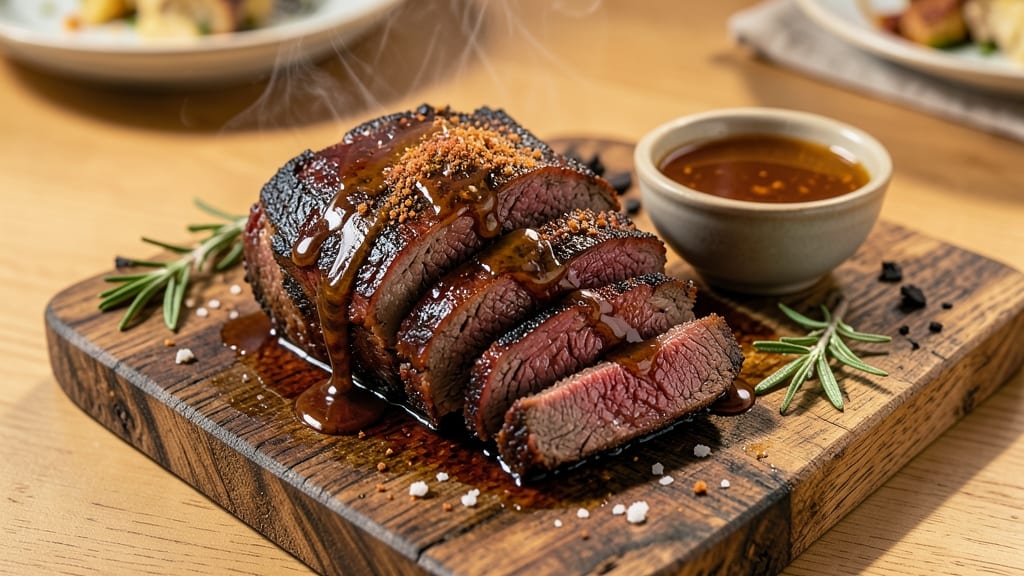
This Baltimore pit beef recipe smoked delivers the legendary smoky bark crust and melt-in-your-mouth tenderness that made it a Maryland staple. The secret lies in the three-stage process—brining, rubbing, and slow smoking—that transforms tough beef into juicy, flavor-packed slices that fall apart at the touch of a fork.
I've perfected this technique over years of testing, ensuring every bite delivers that perfect balance of smoky, slightly sweet, and savory notes that define Baltimore's signature dish.
The recipe begins with a vinegar brine that tenderizes the meat while adding subtle tang, followed by a dry rub of brown sugar, paprika, and spices that create that iconic dark bark.
Smoking at 225°F for 12-14 hours ensures even cooking and deep flavor penetration, while the final resting period locks in all that juiciness. This isn't just another smoked beef recipe—it's the authentic experience that makes Sunday dinners legendary in Baltimore.
What sets this apart is the attention to texture and flavor balance. The bark should be crisp and dark, while the interior remains tender enough to slice with minimal effort.
Served with classic sides like fries and coleslaw, this becomes a complete meal that brings the heart of Baltimore to your table. The process might take time, but the results are worth every minute of that slow smoke.
For those who want to elevate it further, I'll share variations like adding a mustard-based mop during smoking or adjusting the rub for different heat preferences. The key is patience—the longer you smoke, the deeper the flavor.
This recipe isn't just about making beef; it's about creating an experience that tastes like home, just like the original pitmasters intended.
Ingredients for baltimore pit beef recipe smoked
Six pounds of beef, a vinegar brine, and a smoky rub—this is Baltimore pit beef done right.
| Ingredient | Amount | Notes |
|---|---|---|
| Beef Chuck Roast 🥩 | 6 lb | Center-cut, 2-2.5 inches thick |
| White Vinegar 🍶 | 1 cup | Distilled, for brining |
| Water 💧 | 2 cups | Filtered preferred |
| Light Brown Sugar 🍚 | ½ cup | Packed, for rub |
| Smoked Paprika 🌶️ | 2 tbsp | High-quality for authentic bark |
| Ground Black Pepper 🌶️ | 1 tbsp | Freshly cracked |
| Kosher Salt 🧂 | 1 tbsp | Diamond Crystal preferred |
| Ground Cumin 🌿 | 1 tsp | Toasted for depth |
| Garlic Powder 🧄 | 1 tsp | Freshly ground preferred |
| Onion Powder 🧅 | 1 tsp | For balanced flavor |
| Yellow Mustard 🍯 | ¼ cup | For mop during smoking |
| Apple Cider Vinegar 🍶 | ¼ cup | For mop acidity |
| Unsalted Butter 🧈 | ¼ cup | Melted for mop richness |
The beef selection is critical. Center-cut chuck roast delivers the ideal balance of marbling and tenderness. Look for a piece with 2-2.5 inches thickness—this ensures even cooking and proper bark formation. Costco and Whole Foods consistently carry high-quality chuck roasts, but local butchers often have superior cuts. Avoid pre-trimmed roasts; the fat cap is essential for moisture retention. If you're buying whole, trim excess fat to about 1/4-inch thickness—this renders perfectly during smoking while preventing flare-ups. The vinegar brine should be made 24 hours ahead; this allows the meat to absorb maximum flavor and tenderize thoroughly.
For the rub, smoked paprika is non-negotiable—it's what creates that iconic Baltimore bark. Penzeys Spices or McCormick Gourmet brands deliver consistent quality. The brown sugar should be packed tightly; don't scoop it loosely. If you prefer less sweetness, reduce to 0.375 cup and add 1 tsp coriander for complexity. The mustard mop can be adjusted—Dijon-style adds more tang, while whole-grain provides texture. For those avoiding mustard, substitute with equal parts apple cider vinegar and beef broth. All spices should be stored in airtight containers away from light to preserve their potency for up to 6 months.
This recipe requires patience, but proper storage extends its value. The brined beef can be refrigerated for 48 hours before smoking without compromising quality. The dry rub should be mixed fresh—pre-mixed blends lose their aroma within 2 weeks. After smoking, let the beef rest for 2 hours before slicing; this allows juices to redistribute. Leftovers keep for 5 days in the fridge when stored in an airtight container with any accumulated juices. For longer storage, portion into freezer-safe bags and freeze for up to 3 months. The bark becomes more intense when reheated—ideal for sandwiches or serving over mashed potatoes.
Why You'll Love This Recipe
- Smokehouse Simplicity: Between us, this recipe is deceptively easy. You’re basically just rubbing a chuck roast with brown sugar and smoked paprika, then letting the smoker do the heavy lifting—no fancy techniques, just that perfect balance of vinegar and water in the dry rub that keeps it tender without falling apart.
- Sweet-Smoky Magic: The brown sugar caramelizes into this sticky, glossy crust while the smoked paprika gives it that deep, campfire aroma. Honestly? That first bite—where the smoky heat meets the sweetness—is why I keep coming back to this every time I fire up the grill.
- Budget Meal, Big Flavor: A chuck roast is one of the most affordable cuts that still delivers serious satisfaction. The vinegar-water mix stretches the rub further, and the smoker’s heat works wonders—no need for expensive marinades or specialty tools. It’s my go-to when I want restaurant-quality without the restaurant price tag.
Step-by-step instructions for Baltimore pit beef
Master this classic Baltimore technique for tender, juicy beef with a perfect smoky bark.
Prepare the Brine for Maximum Tenderness
In a large non-reactive container, combine the 1 cup white vinegar and 2 cups water. Stir until fully dissolved, then add the 6 lb beef chuck roast completely submerged. The acidity of the vinegar helps tenderize the meat while adding depth of flavor. Let it brine in the refrigerator for 12-24 hours, turning the roast occasionally for even exposure. This step is non-negotiable—it transforms tough chuck into melt-in-your-mouth perfection.
After brining, remove the beef and pat it thoroughly dry with paper towels. I can't stress this enough: moisture is the enemy of that coveted bark. Every surface—including the cavity—should be bone dry before you apply the rub. This drying process also helps the spices adhere better and creates a more stable sear.
Apply the Dry Rub for Authentic Baltimore Flavor
In a small bowl, combine the 0.5 cup light brown sugar, 2 tbsp smoked paprika, 1 tbsp kosher salt, 1 tbsp ground black pepper, 1 tsp ground cumin, 1 tsp garlic powder, and 1 tsp onion powder. Mix thoroughly until the spices are evenly distributed and the sugar crystals are broken down. This blend is the soul of Baltimore pit beef—sweet, smoky, and deeply aromatic.
Generously coat the dried beef roast with the rub, pressing it into all surfaces and working it into the crevices. For extra flavor penetration, I like to add a pinch of the rub mixture into the cavity as well. Wrap the roast tightly in plastic wrap and refrigerate for at least 4 hours (overnight is ideal). This resting period allows the spices to meld with the meat and intensify the flavors before smoking.
Smoke at Low Temperature for Perfect Texture
Preheat your smoker to 225°F using hickory or cherry wood chips. The low temperature is crucial—it allows the connective tissues to break down slowly while preventing the exterior from cooking too quickly. Place the rubbed beef on the smoker grates, fat side up, to promote even fat rendering and bark formation. Smoke for 4-5 hours until the internal temperature reaches 165-170°F.
This is where the magic happens. The beef will enter "the stall"—a period where the internal temperature plateaus as moisture evaporates. Don't panic; this is normal and expected. The bark should be developing a deep mahogany color with visible smoke rings. If the bark isn't forming as expected, sprinkle a little more rub on the surface and continue smoking.
Create the Mop for Moisture and Flavor
While the beef smokes, prepare the mop by combining the 0.25 cup yellow mustard, 0.25 cup apple cider vinegar, and 0.25 cup melted unsalted butter in a small bowl. This mixture serves two purposes: it adds moisture to prevent drying out and enhances the bark with a glossy finish. When the internal temperature hits 165°F, remove the beef from the smoker and brush it generously with the mop mixture on all sides.
Return the beef to the smoker and continue cooking until the internal temperature reaches 200-203°F (about 2-3 more hours). The mop should be reapplied every 30-45 minutes during this final phase. The combination of the vinegar and butter creates a beautiful sheen on the bark while keeping the meat incredibly juicy. The apple cider vinegar also adds a subtle tang that balances the richness of the beef.
Rest and Slice for Maximum Juiciness
Once the beef reaches the target temperature, remove it from the smoker and transfer it to a cutting board. Tent loosely with aluminum foil and let it rest for at least 1 hour (2 hours is better). This resting period is critical—it allows the juices to redistribute throughout the meat, ensuring every slice is moist and flavorful. If you cut into it too soon, all those precious juices will run out onto your board.
After resting, slice the beef against the grain into ¼-inch thick slices. The grain direction will be visible as you cut—you're looking for those long muscle fibers that run parallel to the surface. Serve immediately with classic Baltimore pit beef sides like coleslaw and hoagies. Each bite should deliver a perfect balance of smoky, sweet, and savory flavors with that coveted crispy bark giving way to tender, juicy meat.
Pro Tips For Making Baltimore Pit Beef Recipe Smoked
- Trim the Fat First: Baltimore pit beef isn’t about lean cuts—it’s about flavor and texture. Trim all the hard fat caps and silver skin off the chuck roast before smoking. I used to skip this, thinking it’d save time, but those layers turn to grease and ruin your rub adhesion. A sharp knife and 10 minutes upfront make a real difference in how the seasoning sticks and how the meat cooks evenly.
- Use a Meat Thermometer: The vinegar-braised chuck roast here needs patience, but don’t guess—pull it at 195–203°F internal temp. I learned the hard way that "fork-tender" isn’t precise enough; one batch was mushy, another dry. Rest it 15–20 minutes after hitting that range, or you’ll slice into a sad, juicy mess.
- Whisk the Vinegar Mix: Don’t just dump vinegar, sugar, and water into the pan—whisk it until the brown sugar dissolves completely. Lumps turn into gloppy spots that won’t caramelize, and you’ll end up with a sauce that’s more watery than sticky. A quick stir with a fork works, but whisking guarantees that glossy, clingy coating everyone loves.
- Save the Drippings: After smoking, don’t pour off those dark, smoky juices in the pan. Strain them, reduce them by half, and mix them back into the vinegar-braised mix. That’s where half the flavor lives—deep, meaty, and smoky. I used to toss them, then realized they’re the glue holding the whole dish together.
Serving suggestions for baltimore pit beef recipe smoked
Classic Hoagie Pairing
Serve your Baltimore pit beef on a hoagie roll—the iconic Baltimore sandwich style. Toast the roll lightly on a grill or skillet to prevent sogginess, then layer with ¼-inch thick beef slices, thinly sliced tomatoes, white onion, and a smear of mayonnaise.
For authenticity, add a sprinkle of dill pickles and a dash of hot sauce on the side. I like to use Martin's Potato Rolls from local bakeries—they hold up perfectly to the juicy beef. 🥪
Crispy Potato Fries
No Baltimore pit beef meal is complete without crinkle-cut fries that soak up the smoky juices. For restaurant-quality results, cut russet potatoes into ¼-inch thick sticks, soak in cold water for 30 minutes, then pat dry before frying in 350°F oil until golden and crispy.
Serve with a side of Baltimore-style hot sauce or sweet potato fries for a modern twist. I prefer McCain French Fries for convenience, but homemade always tastes better. 🍟
Classic Creamy Coleslaw
The tangy crunch of Baltimore-style coleslaw balances the richness of the beef perfectly.
Shred 2 lbs cabbage and 1 carrot, then toss with a dressing of ½ cup mayonnaise, 2 tbsp apple cider vinegar, 1 tbsp sugar, 1 tsp celery seed, and a pinch of salt.
For extra crunch, add ½ cup chopped celery and 2 tbsp chopped parsley. This slaw should be thinly sliced and slightly sweet—just like the old-school versions from local BBQ joints. ✨
Pickled Vegetables
Add brightness to your plate with quick-pickled vegetables. Thinly slice 1 cucumber, 1 red onion, and 1 bell pepper, then pack into a jar with a brine of 1 cup vinegar, 1 cup water, 2 tbsp sugar, and 1 tsp salt.
Let sit for at least 1 hour before serving. The acidity cuts through the fat, while the crunch provides a refreshing contrast. I often make a big batch to keep in the fridge for future meals. 🥒
Baked Beans
For a heartier meal, serve your pit beef with slow-cooked baked beans. Combine 2 cans navy beans, ½ cup BBQ sauce, ¼ cup brown sugar, 2 tbsp molasses, and 1 tsp smoked paprika, then bake at 350°F for 1.5 hours.
The sweet and smoky flavors complement the beef beautifully. I like to add ½ cup chopped bacon for extra richness. This side is a crowd-pleaser and adds a satisfying texture contrast. 🍖
Presentation Tips
For a restaurant-worthy presentation, arrange your pit beef slices on a wooden cutting board or slate platter with sides fanned out attractively. Garnish with fresh parsley or smoked paprika for a pop of color.
Serve with toothpicks for easy handling and a small bowl of extra hot sauce on the side. The key is to make it look as inviting as it tastes—just like the pitmasters do it. 💫
Nutrition facts
Frequently asked questions
What type of wood should I use for authentic Baltimore pit beef flavor?
Hickory wood is the classic choice for Baltimore pit beef, delivering that signature smoky depth. For a fruitier profile, cherry or apple wood works beautifully. Avoid mesquite—it's too strong and can overpower the beef's natural flavors. I recommend using wood chips or chunks in your smoker, and never burn wood directly over the meat to prevent harsh smoke flavors.
Can I make Baltimore pit beef in an oven instead of a smoker?
Yes! Use a smoker box or wood chips in your oven to replicate the smoky flavor. Set your oven to 225°F and place the beef on a rack over a tray with water to maintain moisture. The cooking time will be similar—12-14 hours—but you'll need to monitor it closely to prevent drying. For best results, use a meat thermometer to track internal temperature.
Why does my Baltimore pit beef turn out dry?
Dry pit beef usually means one of two things: either the meat wasn't rested long enough before slicing or it was cooked too quickly. Always let the beef rest for at least 2 hours after smoking to allow juices to redistribute. Also, ensure you're smoking at a consistent 225°F—higher temperatures can cook the exterior too fast before the interior becomes tender.
How do I store leftover Baltimore pit beef?
Store leftovers in an airtight container with any accumulated juices to keep them moist. They'll stay fresh in the fridge for 5 days or up to 3 months in the freezer. For reheating, wrap slices in foil and warm in a 350°F oven for 10-15 minutes—this preserves the bark's crispness better than microwaving.
What's the best way to reheat sliced Baltimore pit beef?
The best method is to wrap slices in foil with a splash of beef broth and reheat at 300°F for 10 minutes. This keeps the meat juicy and the bark intact. For sandwiches, lightly toast the hoagie roll and assemble fresh—this prevents sogginess. Never microwave—it turns the bark rubbery and dries out the meat.