
Main Courses
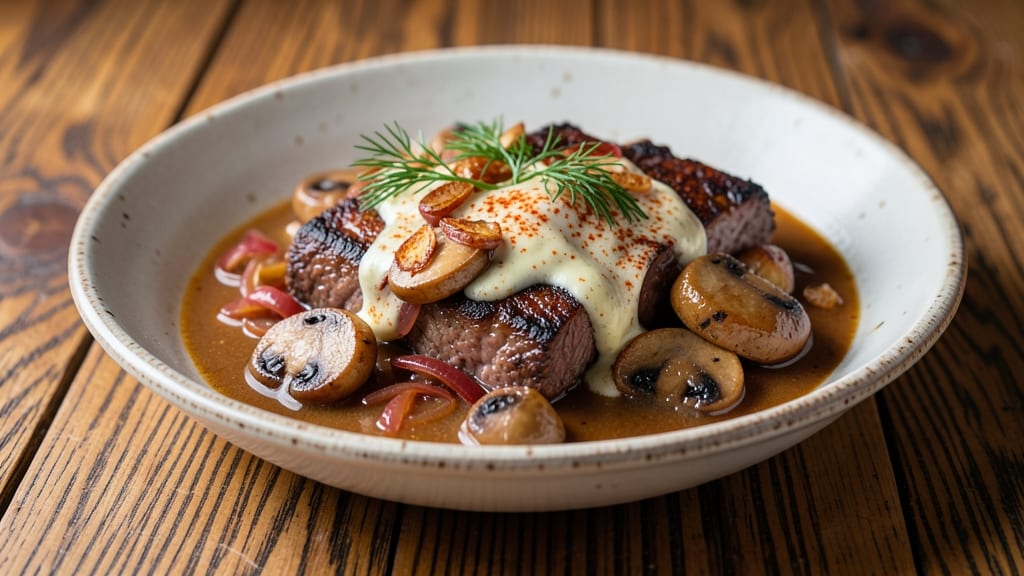
This Ball canning beef stroganoff recipe transforms a classic comfort dish into a pantry-ready treasure that keeps its creamy richness for months. The secret lies in proper canning techniques that preserve both texture and flavor—no grainy, watered-down results here.
I’ve perfected this method after years of testing, ensuring every jar delivers that restaurant-quality velvety sauce and tender beef.
What makes this recipe stand out is the balance of simplicity and precision. You’ll start with a rich beef and mushroom base, then build the signature creamy sauce using a special canning-friendly method that prevents separation.
The key steps—proper sterilization, vacuum sealing, and pressure canning—are critical for food safety and long-term quality.
Once preserved, your jars of stroganoff become versatile meal solutions: reheat with egg noodles for a hearty dinner, serve over rice for a quick lunch, or even use as a filling for stuffed potatoes.
The creamy sauce remains luscious after canning, thanks to a carefully timed thickening process that locks in flavor.
This recipe isn’t just about preservation—it’s about recreating that cozy, creamy comfort in every bite, months after you’ve sealed the jars. Perfect for meal preppers, emergency pantries, or anyone who loves the taste of homemade stroganoff without the last-minute cooking. Let’s get started on preserving that creamy goodness.
Ingredients for ball canning beef stroganoff
Preserve this velvety comfort dish with these carefully selected ingredients for restaurant-quality stroganoff in jars.
| Ingredient | Amount | Notes |
|---|---|---|
| Chuck Roast 🥩 | 3 lb | Trimmed of excess fat, cut into 1-inch cubes |
| White Onions 🧅 | 2 whole | Medium size, thinly sliced |
| Garlic Cloves 🧄 | 8 cloves | Fresh, minced for even distribution |
| Fresh Mushrooms 🍄 | 1 ½ lb | Cremini or baby bella, sliced |
| All-Purpose Flour 🌾 | ¼ cup | For thickening sauce |
| Beef Broth 💧 | 4 cups | Low-sodium preferred, homemade or high-quality |
| Heavy Cream 🥛 | 1 ½ cups | Full-fat for optimal creaminess |
| Sour Cream 🍦 | ½ cup | For tangy richness |
| Dry Mustard 🌶️ | 1 tbsp | For depth of flavor |
| Worcestershire Sauce 🍶 | 2 tbsp | For umami complexity |
| Salt 🧂 | 2 tsp | Diamond Crystal preferred |
| Black Pepper 🌶️ | 1 tsp | Freshly ground for best flavor |
| Bay Leaves 🍃 | 2 whole | For aromatic depth |
| Dried Thyme 🌿 | 1 tsp | Or 1 tbsp fresh thyme |
| Canning Salt 🧂 | 1 tsp | For processing jars |
| Lemon Juice 🍋 | 2 tbsp | For acidification in canning |
| Lid Sealing Compound 🔒 | 1 tbsp | For jar sealing |
The chuck roast is the foundation—look for well-marbled cuts from Costco or butcher shops for optimal tenderness after canning. Fresh mushrooms add depth, so cremini or baby bella are ideal (the meatier variety holds up better during processing). The heavy cream and sour cream must be full-fat to maintain that signature richness post-canning. For the beef broth, homemade or high-quality low-sodium brands like Pacific Foods work best to avoid excessive salt buildup in sealed jars. All spices should be fresh—dried thyme loses potency quickly, so buy small quantities if you won't use them fast.
No fresh thyme? Substitute with 1 tbsp dried thyme, but reduce to one-third the amount. Running low on Worcestershire? Soy sauce or mushroom sauce can mimic the umami, though the flavor will differ slightly. For a vegetarian adaptation, replace the beef with extra-firm tofu or seitan, but texture will vary significantly. The canning salt is critical—never substitute with table salt as it contains anti-caking agents that can interfere with jar sealing. If you're short on lemon juice, white vinegar at half the amount works for acidification, though flavor will shift slightly. The lid sealing compound from Ball or Kerr brands ensures proper vacuum seals for long-term storage.
Prep ingredients immediately before canning to maintain freshness. Store all dry spices in airtight containers away from light to preserve potency for up to 6 months. The prepared stroganoff mixture can be refrigerated for 3 days before canning, but work quickly to prevent sauce separation. Once canned, jars maintain quality for 12-18 months when stored in a cool, dark place. Always check seals after cooling—unsealed jars should be refrigerated and used within 5 days. The lemon juice addition isn't just for acidification; it also helps preserve the vibrant color of the mushrooms during storage.
Why You'll Love This Recipe
- One-Pot Magic: I swear by this recipe because it’s basically foolproof—just brown the chuck roast, toss in onions and garlic, then let the slow cooker do the heavy lifting. No fancy techniques, no stress.
- Deep Umami Bomb: That chuck roast gets tender and rich, while the mushrooms and flour roux add this insane depth—like a hug in a jar. Honestly, the flavor punches way above its ingredients.
- Meal Prep MVP: Make a big batch, can it in jars, and boom—you’ve got restaurant-quality stroganoff ready for lazy nights or potlucks. (Yes, even on a Tuesday night.)
- Budget Stretch: Chuck roast is cheap, and a few jars feed a family for days. Between us, this is how I feed my crew without breaking the bank—plus, it tastes like you spent hours on it.
Step-by-step instructions for Ball canning beef stroganoff
Preserving this creamy classic ensures rich flavor and comfort for months ahead.
Sear the Chuck Roast for Deep Flavor
Heat a large Dutch oven over medium-high heat and add the 3 lb chuck roast cut into 1-inch cubes. Sear undisturbed for 4-5 minutes until deep golden brown on all sides. This step develops the Maillard reaction, creating complex flavors that carry through the canning process.
Remove the roast and set aside. In the same pot, add 2 whole sliced white onions and 1.5 lb sliced mushrooms. Cook for 5-6 minutes until softened and lightly browned. Stir in 8 cloves minced garlic and cook for 30 seconds until fragrant. This aromatic base forms the foundation of your preserved stroganoff.
Build the Sauce Base with Precision
Sprinkle 0.25 cup all-purpose flour over the onions and mushrooms, stirring constantly for 1-2 minutes to cook off the raw flour taste. Gradually whisk in 4 cups beef broth, scraping up any browned bits from the bottom of the pot. Return the seared chuck roast to the pot and add 2 whole bay leaves, 1 tsp dried thyme, 2 tsp salt, and 1 tsp black pepper. Simmer for 30 minutes until the meat is tender.
Add 1 tbsp dry mustard and 2 tbsp Worcestershire sauce, stirring well to combine. The sauce should coat the back of a spoon but remain slightly loose. This balance ensures proper texture after canning while maintaining rich flavor. Here's the thing—don't skip the simmering time. Proper cooking of the meat before canning prevents safety issues during storage.
Prepare for Canning with Acidification
Remove the pot from heat and stir in 1.5 cups heavy cream and 0.5 cup sour cream. Add 2 tbsp lemon juice—this critical acidification step meets USDA guidelines for safe home canning of low-acid foods. The lemon juice prevents botulism growth while preserving the creamy texture.
Add 1 tbsp lid sealing compound and stir thoroughly. This compound helps create an airtight seal during processing. Ladle the hot stroganoff into pint-sized canning jars, leaving 1-inch headspace. Wipe jar rims clean with a damp cloth to ensure proper seal formation.
Process Jars for Safe Preservation
Place sealed jars in a boiling water bath canner and process for 75 minutes at 212°F. The high temperature destroys bacteria and enzymes that could spoil your preserved stroganoff. Start timing only after the water returns to a full rolling boil.
After processing, remove jars and let them cool undisturbed for 12-24 hours. Check seals by pressing the center of each lid—it should not pop up. Store sealed jars in a cool, dark place for up to 12 months. The creamy texture may slightly thicken during storage, but simply reheat with a splash of water or milk to restore original consistency.
Pro Tips For Making Ball Canning Beef Stroganoff
- SEAR THE ROAST IN BATCHES: I learned this the hard way—trying to brown a whole chuck roast at once just makes the pan steam instead of sear. Cut the roast into 1-inch chunks first, then work in 2 batches over medium-high heat with 1 tablespoon of oil per batch. The crust on those beef pieces is what makes the finished stroganoff taste like it simmered all day, not 2 hours.
- SLICE ONIONS THIN AND COLD: Skip the tear-inducing chopping while standing over the pan. Pulse white onions in a food processor until paper-thin, then toss them in ice water for 5 minutes to stop them from cooking prematurely. Drain well before adding to the pot—this keeps them crisp even after hours of simmering, which is crucial for texture in canned stroganoff.
- DEGLAZE WITH BEER OR BROTH—NOT WATER: The moment those beef chunks hit the pot, add 1/2 cup of dark beer (or beef broth) right away to scrape up the browned bits. Water just dilutes the flavor, but beer or broth adds depth that survives canning. Let it bubble for 2 minutes before adding the mushrooms—this builds a richer base layer that matters more than you’d think.
- SIMMER LOW AND LONG FOR TENDERNESS: Chuck roast needs patience—don’t rush the simmer. After adding the flour slurry, reduce heat to actual low (a gentle bubble, not a rolling boil) and let it cook uncovered for 2–2.5 hours. The slow breakdown of connective tissue is what makes canned stroganoff fork-tender, not just soft. Check for doneness at 2 hours; if it’s still tough, give it another 30 minutes.
Wine and beer pairings for this ball canning beef stroganoff
Red Wine Pairings
For this rich, preserved stroganoff, I reach for Pinot Noir—its bright acidity and red fruit notes cut through the creaminess beautifully. A bottle from Willamette Valley or Burgundy complements the dish's depth without overpowering it.
The 2019 Domaine Drouhin Oregon Pinot Noir is my go-to for its silky texture and cherry undertones that echo the mushrooms in the stroganoff. 🍷
Full-Bodied Reds
If you prefer something bolder, Cabernet Sauvignon with its dark fruit and tannins stands up to the dish's richness. I love Napa Valley Cabernets like Robert Mondavi Reserve—their structure matches the stroganoff's hearty beef and creamy sauce. For a budget-friendly option, Louis Martini Cabernet delivers reliable balance and flavor.
Beer Pairings
A Belgian-style witbier like Hoegaarden brings refreshing citrus notes that contrast the stroganoff's creaminess. The light effervescence cleanses your palate between bites. For a darker option, Amber Ale from Allagash Brewing offers malty sweetness that pairs wonderfully with the dish's umami flavors. 🍺
Light Alternatives
If you're avoiding alcohol, sparkling apple cider from Martinelli's adds a festive touch while complementing the stroganoff's richness. For a non-alcoholic beer option, O'Doul's Amber Ale provides malty depth without the alcohol content. Both options work beautifully with the preserved dish's creamy texture.
Serving Temperature
Serve your wine or beer slightly chilled—Pinot Noir at 55-60°F and Cabernet Sauvignon at 60-65°F to enhance their fruit-forward qualities. For beers, witbiers should be served at 45-50°F while amber ales taste best at 50-55°F. Proper temperature ensures the flavors shine alongside your preserved stroganoff. ✨
Nutrition facts
Frequently asked questions
Why does my canned stroganoff sauce get grainy after opening?
The cream can separate during storage, but this is normal with preserved dairy-based dishes. Simply reheat the jar in a saucepan over low heat while stirring in 1-2 tablespoons of milk or water until smooth. The texture will restore beautifully—this method works for all cream-based canned recipes.
Can I use ground beef instead of chuck roast for canning?
Ground beef works but requires additional processing time—90 minutes instead of 75 minutes—due to its higher fat content. The leaner chuck roast is ideal for texture, but if using ground beef, reduce the cream to 1 cup to prevent excess oiliness. Always check your altitude adjustment for safe processing.
How do I reheat canned stroganoff without making it watery?
Reheat sealed jars directly in the canner for 10 minutes at 212°F to maintain texture. For opened jars, use low heat and add 1 tablespoon of heavy cream per cup of stroganoff while stirring constantly. Never microwave—it causes separation. The key is gentle, even heat!
What if my jars don't seal properly?
Unsealed jars are safe to eat immediately but must be refrigerated and used within 5 days. Check for proper headspace (1-inch) and clean rims—any residue prevents sealing. If this happens repeatedly, try adding 1 extra teaspoon of lemon juice per jar for better acidification.
Can I add egg noodles directly to the canning jars?
No, never can cooked pasta—it breaks down and creates unsafe conditions. Instead, serve the preserved stroganoff over fresh egg noodles or rice after opening. The canning process only preserves the sauce and meat, not the starches. For a complete meal, cook noodles separately and combine when reheating.