
Main Courses
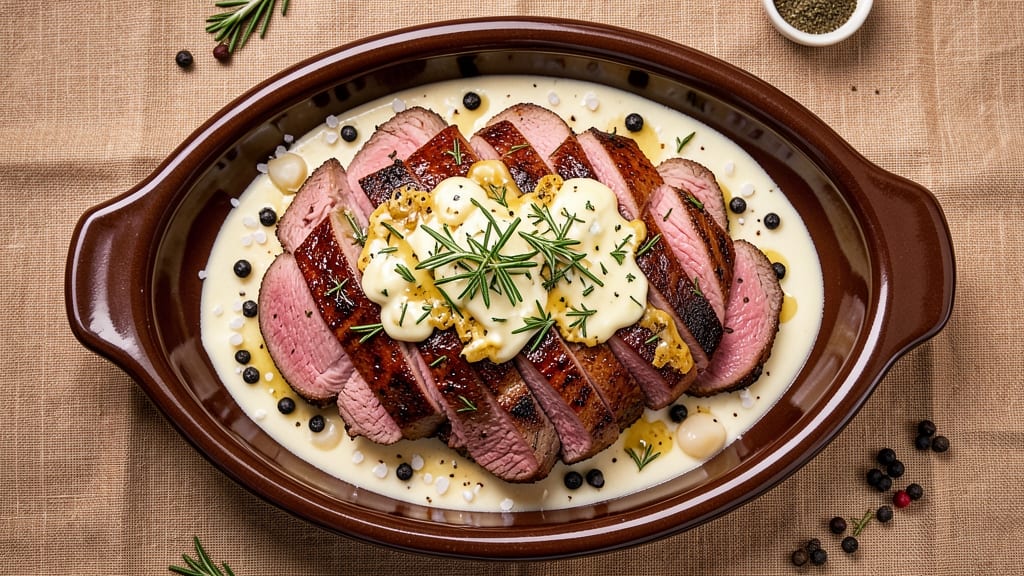
This baked beef tenderloin steak recipe delivers melt-in-your-mouth tenderness with a fragrant rosemary crust and a perfectly pink center—no grill required. After years of perfecting this technique, I’ve cracked the code for achieving restaurant-quality results at home, where every slice reveals juicy, buttery perfection with a crisp, herb-infused exterior.
The secret lies in precise temperature control and a hands-off approach that ensures even cooking without overworking the meat.
What sets this method apart is the balance between high heat for a golden crust and gentle baking to preserve moisture. You’ll start with a simple seasoning blend of coarse salt, black pepper, and fresh rosemary, then let the oven work its magic while you prepare sides—no stress, no guesswork.
The key is patience: letting the steak rest before slicing ensures each bite stays tender and succulent, not tough or dry.
By the time you’re done, you’ll have a juicy pink heart surrounded by a fragrant, caramelized crust that’s impossible to resist. This recipe serves 4-6 and pairs beautifully with roasted garlic mashed potatoes or a crisp green salad, making it ideal for special occasions or weekend dinners.
The best part? It’s foolproof for home cooks who want to impress without the complexity of grilling.
Whether you’re cooking for a crowd or treating yourself to a luxurious meal, this tenderloin delivers restaurant-quality results with minimal effort. Let’s get started—your taste buds will thank you.
Ingredients for baked beef tenderloin steak
Restaurant-quality beef tenderloin starts with these simple yet transformative ingredients—juicy, fragrant, and foolproof.
| Ingredient | Amount | Notes |
|---|---|---|
| Beef Tenderloin 🥩 | 3 lb | Center-cut, trimmed of silver skin |
| Fresh Rosemary 🌿 | ½ cup | Finely chopped, stems removed |
| Coarse Kosher Salt 🧂 | 1 ½ tbsp | Diamond Crystal preferred |
| Freshly Ground Black Pepper 🌶️ | 1 tsp | Freshly cracked for best flavor |
| Unsalted Butter 🧈 | ½ cup | Cold, cubed for crust |
| Garlic Cloves 🧄 | 4 cloves | Smashed, not minced |
| Extra-Virgin Olive Oil 🫒 | 2 tbsp | For basting and crust |
| All-Purpose Flour 🌾 | 1 tbsp | For dusting |
| Fresh Thyme Leaves 🌿 | ¼ cup | Optional, for extra aroma |
| Red Wine 🍷 | ½ cup | Dry, like Cabernet Sauvignon |
| Beef Bone Broth 🍲 | ½ cup | Low-sodium for balance |
| Balsamic Vinegar 🍶 | 1 tbsp | For deglazing |
The beef tenderloin is your star—center-cut and trimmed for perfect tenderness. Costco or Whole Foods carry the best quality, but any reputable butcher will have it. Look for vibrant color and good marbling. Fresh rosemary matters here: pick sprigs with needle-like leaves, not the woody stems. I always buy extra because it keeps for months in the freezer. The butter needs to be cold when you cube it—take it out of the fridge 10 minutes before seasoning so it's workable but not melted.
No fresh rosemary? Dried works at one-third the amount, but it won’t have the same punch. Short on red wine? Substitute beef broth with a splash of balsamic vinegar—it’s a game-changer for depth. The bone broth should be low-sodium; Pacific Foods or Imagine brands are my go-to. For the crust, if you’re feeling fancy, add a pinch of smoked paprika to the butter mixture. And trust me on the flour—dusting the steak before searing prevents sticking and helps that crust form like magic.
Let the steak rest at room temperature for 30-45 minutes before cooking—this ensures even doneness. The butter mixture can be prepped ahead and stored in the fridge for up to 2 days, but bring it to room temp before using. Leftover steak? Slices beautifully for sandwiches or reheats wonderfully in a 350°F oven for 10 minutes. The crust hardens as it cools, so serve it within 2 hours of coming out of the oven for maximum crispiness.
Why You'll Love This Recipe
- One-Pan Magic: I swear by this recipe because it’s that simple—just salt, pepper, rosemary, and butter. No fancy gadgets, no stressing over searing or basting. Toss the steak on a sheet pan, pop it in the oven, and walk away. (Yes, even on a Tuesday night.)
- Rosemary Butter Bliss: That crispy butter crust? Chef’s kiss. The rosemary infuses into the beef while the butter melts into a golden, savory blanket—no sauce needed. It’s the kind of flavor that makes you close your eyes mid-bite.
- Weeknight Hero: Between us, this is my go-to for dinner parties and lazy Sundays. Slice it thin for sandwiches, cube it for salads, or serve it whole for a showstopper. The leftovers? Still delicious days later—no sad, dry steak here.
- Budget-Friendly Luxury: Tenderloin feels fancy, but a single roast feeds a crowd. The rosemary and butter stretch the cost, and the rich flavor means you’ll use every last bite. Honestly, it’s the most impressive meal I can make without breaking the bank.
Step-by-step instructions for rosemary-kissed beef tenderloin
Here's how to transform a simple beef tenderloin into a showstopping centerpiece with a fragrant herb crust and melt-in-your-mouth tenderness.
Prepare the Beef with Herb Butter Rub
Remove the beef tenderloin from the refrigerator and let it sit at room temperature for 30 minutes while you prepare the rub. In a small bowl, combine the 0.5 cup unsalted butter with the 0.5 cup finely chopped fresh rosemary, 0.25 cup fresh thyme leaves, 1.5 tablespoons coarse kosher salt, and 1 teaspoon freshly ground black pepper. Use your fingers to work the butter into a coarse paste—you'll see the herbs distribute evenly throughout.
Pat the beef dry with paper towels (this is crucial for that perfect crust) and rub the herb butter mixture all over the surface, pressing firmly so it adheres. Let it sit at room temperature for another 15 minutes while you preheat the oven. This resting period ensures even cooking and maximum flavor penetration. The beef should feel slightly tacky from the butter—this guarantees a flavorful crust when it hits the hot oven.
Sear for Color and Flavor
Preheat your oven to 425°F with the rack positioned in the lower third. Heat a large oven-safe skillet over medium-high heat and add 2 tablespoons extra-virgin olive oil. Once the oil shimmers, carefully add the beef tenderloin and sear on all sides for 3-4 minutes per side until it develops a deep golden-brown crust. You'll know it's ready when it releases easily from the pan—this means the surface proteins have set.
Transfer the seared beef to a plate and tent loosely with foil. Here's where the magic happens: while the beef rests, sprinkle 1 tablespoon all-purpose flour evenly over the bottom of the skillet. This creates a light dusting that will help thicken our pan sauce later. The residual heat from the searing will toast the flour slightly, adding nutty depth to the final sauce.
Roast to Perfect Medium-Rare
Place the seared beef tenderloin in the preheated oven and roast for 20-25 minutes for medium-rare (internal temperature 125-130°F). The key here is patience—resist the urge to check the temperature early. The beef needs time to develop that beautiful pink center while the exterior maintains its crust. I like to use a meat thermometer inserted into the thickest part of the roast to monitor progress.
About 10 minutes before the beef reaches your target temperature, prepare a pan sauce. Add 4 smashed garlic cloves to the skillet with the flour and cook for 30 seconds until fragrant. Pour in 0.5 cup dry red wine and scrape up all the browned bits from the bottom (this is called deglazing). Let it simmer for 2 minutes until reduced by half, then add 0.5 cup beef bone broth and 1 tablespoon balsamic vinegar. Simmer for another 3 minutes until slightly thickened.
Rest and Serve with Pan Sauce
Remove the beef from the oven and let it rest on a cutting board for 15-20 minutes before slicing. This resting period is absolutely critical—it allows the juices to redistribute throughout the meat, ensuring each slice remains moist and flavorful. The internal temperature will rise about 5°F during this time, so don't worry if it's not quite at your target when you remove it.
While the beef rests, strain the pan sauce through a fine-mesh sieve to remove any garlic bits. Return it to the skillet and keep it warm over low heat. When ready to serve, slice the beef tenderloin into 1-inch thick medallions against the grain. The center should be beautifully pink with a juicy, tender texture that practically melts in your mouth. Spoon the fragrant herb-infused sauce over the top and serve immediately with your favorite sides.
Pro Tips For Making Baked Beef Tenderloin Steak
- Dry the Meat First: Pat that tenderloin thoroughly with paper towels—no wet spots—before salting. I learned this the hard way: skipping this step means butter slides off instead of forming that golden crust you want. Trust me, it’s worth the extra 30 seconds of elbow grease.
- Start with a Hot Pan: Sear the rosemary-salted butter crust in a screaming-hot cast-iron for 2-3 minutes before transferring to the oven. After burning three batches, I finally figured out: high heat upfront locks in flavor and prevents the butter from turning into a sad, greasy pool.
- Salt the Butter Generously: Don’t be shy—mix 1 teaspoon kosher salt into that pat of butter before spreading it on the steak. The butter’s flavor gets lost if you’re stingy; this is the thing that makes the crust actually taste like something.
- Rest Under Foil: After baking, tent the steak with foil for 5-10 minutes before slicing—yes, even if you’re impatient like me. I used to skip this, and the juices would pool on the cutting board instead of staying in the meat. Your future self will thank you.
Regional styles of this dish
Classic French Style
In France, beef tenderloin is often prepared with a duxelles—a finely chopped mixture of mushrooms, shallots, and herbs. For this regional take, replace the rosemary butter rub with 1 cup finely chopped cremini mushrooms, 3 minced shallots, and 2 tbsp fresh thyme.
Sear the steak as directed, then roast in a 400°F oven for 25-30 minutes until medium-rare. Deglaze the pan with 1 cup dry white wine and a splash of beef stock instead of red wine, creating a rich, earthy sauce.
Serve with crème fraîche and buttered egg noodles for a true bistro experience. 🍷
Texas BBQ Twist
Southern Texas chefs love their tenderloin with a smoky, spicy kick. After searing, coat the steak in a mix of 1 tbsp smoked paprika, 1 tsp cayenne pepper, and 1 tbsp brown sugar. Roast at 375°F for 30-35 minutes until medium-rare.
For the sauce, swap the red wine for 1 cup beef broth and add 2 tbsp Texas-style BBQ sauce (like Stubb’s) during deglazing. Serve with cornbread and pickled jalapeños for a bold, flavorful meal. 🌶️
Italian Herb Crust
For an Italian-inspired version, replace rosemary with 0.5 cup finely chopped fresh sage and 0.25 cup fresh parsley. Add 2 tbsp minced garlic and 1 tsp red pepper flakes to the butter rub. Sear the steak in extra-virgin olive oil, then roast at 425°F for 20-25 minutes.
Deglaze with 0.5 cup dry white wine and 0.5 cup chicken broth, finishing with 1 tbsp lemon zest. Serve with roasted garlic mashed potatoes and sautéed spinach for a hearty, herb-forward dish. 🌿
Japanese Yakiniku Style
In Japan, tenderloin is often thinly sliced and grilled over charcoal, but you can adapt this recipe for a baked version.
After searing, marinate the steak in a mix of 2 tbsp soy sauce, 1 tbsp mirin, 1 tbsp sake, and 1 tsp grated ginger for 10 minutes before roasting at 350°F for 25-30 minutes.
Slice thinly against the grain and serve with steamed rice, miso soup, and quick-pickled cucumbers. The sauce can be simplified to a soy-ginger reduction for an authentic touch. 🍱
Nutrition facts
Frequently asked questions
How do I know when my beef tenderloin is done?
Use a meat thermometer for perfect results! For medium-rare, aim for an internal temperature of 125-130°F. Insert the probe into the thickest part of the steak, avoiding the bone. The temperature will rise about 5°F while resting, so remove it just before reaching your target. Never rely on visual cues alone—color varies with cut and cooking method.
Can I cook a beef tenderloin without searing first?
Technically yes, but searing creates that beautiful crust and adds depth of flavor. If you skip it, pat the steak dry and rub it with extra olive oil before baking. The crust will be softer, but still delicious. For best results, sear for 3-4 minutes per side in a hot skillet—it makes all the difference!
Why does my beef tenderloin turn out dry?
Overcooking is the #1 cause of dry beef tenderloin. Always use a meat thermometer and remove it 5°F before your target temperature. Let it rest for 15-20 minutes before slicing—this redistributes juices. Also, avoid cutting into it too soon, and don't overcrowd the pan during searing. Patience is key!
How far ahead can I prepare the herb butter?
The herb butter can be made up to 2 days ahead and stored in the fridge. Bring it to room temperature before using so it's soft but not melted. For the steak itself, remove it from the fridge 30-45 minutes before cooking to ensure even cooking. Never cook frozen beef tenderloin—it won't cook evenly.
What's the best way to reheat leftover beef tenderloin?
Slice the steak into 1-inch medallions and reheat in a 350°F oven for 10-12 minutes until warmed through. Avoid microwaving—it makes the meat tough. For extra flavor, brush with a little olive oil and a splash of beef broth before reheating. Leftovers keep well in the fridge for 3-4 days.