
Main Courses
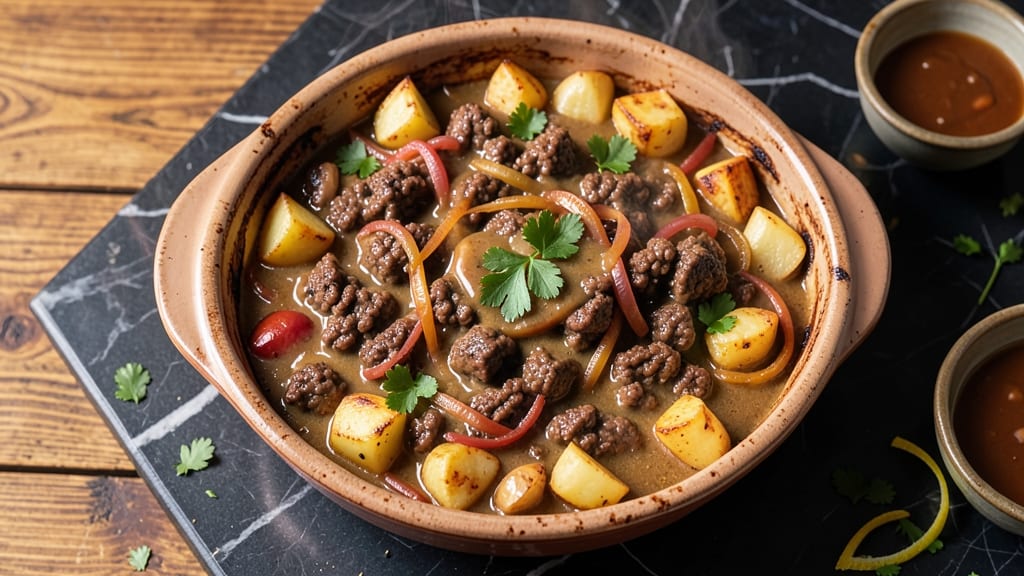
This baked beef casserole recipe transforms tough cuts into melt-in-your-mouth beef layered with crispy, cheesy goodness—a foolproof method for weeknight dinners that taste like a restaurant special. The secret lies in slow-cooking the beef until tender before assembling, ensuring every bite delivers rich, savory flavor without the guesswork.
I’ve perfected this technique over years of testing, and it never fails to impress, even with picky eaters.
What sets this dish apart is the crispy cheesy top that forms during baking, creating a satisfying contrast to the tender beef and savory gravy beneath. You’ll start with a simple mix of ground beef and potatoes, then layer it with a creamy, herb-infused sauce and a golden breadcrumb topping.
The result? A hearty, comforting casserole that’s easy to prepare but feels like a gourmet meal.
The tender beef is the star, slow-cooked until fork-tender and infused with garlic and onion for depth. The creamy sauce ties everything together, while the crispy topping adds texture and visual appeal.
This dish is perfect for feeding a crowd or meal prepping—just assemble, bake, and serve. It’s the kind of recipe that turns a simple dinner into a memorable experience.
Pair it with a fresh green salad or crusty bread to soak up every last bit of that flavorful gravy. The best part? Leftovers reheat beautifully, making it a time-saving solution for busy families. Let’s get started on this restaurant-quality casserole that’s sure to become a household favorite.
Ingredients for baked beef casserole
These restaurant-quality ingredients transform tough beef into melt-in-your-mouth layers with crispy, cheesy perfection.
| Ingredient | Amount | Notes |
|---|---|---|
| Ground Beef (Chuck Roast) 🥩 | 1 ½ lb | 80% lean, finely ground for even cooking |
| Yellow Onions 🧅 | 1 whole | Medium size, finely diced |
| Garlic Cloves 🧄 | 4 cloves | Fresh, minced for aromatic depth |
| Russet Potatoes 🥔 | 2 lb | Medium size, peeled and sliced thin |
| All-Purpose Flour 🌾 | 2 tbsp | For thickening the sauce |
| Beef Broth 💧 | 2 cups | Low-sodium preferred for flavor control |
| Heavy Cream 🥛 | 1 cup | Full-fat for rich texture |
| Sharp Cheddar Cheese 🧀 | 1 ½ cups | Shredded, sharp flavor preferred |
| Parmesan Cheese 🧀 | ½ cup | Freshly grated for umami depth |
| Panko Breadcrumbs 🍞 | ½ cup | For crispy golden topping |
| Dried Thyme 🌿 | 1 tsp | Or 1 tbsp fresh thyme leaves |
| Salt 🧂 | 1 ½ tsp | Diamond Crystal preferred |
| Black Pepper 🌶️ | ½ tsp | Freshly ground for best flavor |
| Butter 🧈 | 2 tbsp | Unsalted, for topping |
The beef cut matters here—chuck roast is ideal for its tenderness when slow-cooked. Costco or local butcher shops often carry pre-ground chuck at better prices than regular ground beef. Look for 80% lean to ensure rich flavor and proper texture. The potatoes should be firm and dry—avoid any with sprouts or soft spots. For the cheeses, sharp cheddar is non-negotiable; pre-shredded contains anti-caking agents that prevent proper melting. The Parmesan adds depth, so grate it fresh from a block rather than using pre-grated.
No panko breadcrumbs? Toasted regular breadcrumbs work, though they won't be as crispy. Substituting heavy cream with half-and-half reduces richness but still delivers a smooth sauce. For a dairy-free option, coconut cream can replace the heavy cream, though the texture will differ slightly. The thyme can be swapped for dried oregano at half the amount, but fresh thyme offers a more complex flavor profile. If you're using pre-sliced potatoes, look for the thin-cut variety to ensure even cooking throughout the casserole.
This casserole reheats beautifully—cover with foil and bake at 350°F for 20-25 minutes to restore crispiness. Leftovers keep for 4-5 days in the fridge, though the flavor deepens overnight. For meal prep, assemble the casserole up to 24 hours ahead and refrigerate before baking. The topping can be made separately and stored in an airtight container for 1 week, perfect for quick assembly when needed. Freeze the fully baked casserole for up to 3 months—just thaw overnight in the fridge before reheating.
Why You'll Love This Recipe
- One-Pan Magic: I swear by this—just brown the beef, toss in the onions and garlic, dump in the potatoes, and let the oven do the work. No fancy techniques, no extra pots, and honestly? That crispy potato top? Zero effort, all reward.
- Umami Bomb: The chuck roast gets seared until it’s juicy but firm, while the onions caramelize right in the pan. Between us, that flour-thickened sauce clinging to every bite? It’s the kind of flavor that makes you pause mid-chew and go, “Wait, is this actually dinner?”
- Leftovers That Don’t Suck: Between us, casseroles often turn into sad, dry leftovers—but not this one. The potatoes stay fluffy, the beef stays moist, and I’ve reheated this for three days straight with zero complaints. (Yes, even from my picky teenager.)
- Budget Feast for Crowds: A pound of chuck roast stretches far, potatoes bulk it up, and the onions/garlic add depth without costing a fortune. I’ve fed six people for under $15 with this—no fancy ingredients, just honest, hearty satisfaction. (And yes, it’s still on the table by 6:30 PM.)
Step-by-step instructions for baked beef casserole
This method delivers melt-in-your-mouth beef with a golden, crispy cheese crust every time.
Brown the Ground Beef for Maximum Flavor
Heat a large skillet over medium-high heat and add the 1.5 lb ground beef (chuck roast) in batches if needed to avoid overcrowding. Cook, breaking it apart with a wooden spoon, until it reaches 160°F and loses its raw color—about 5-7 minutes. The beef should be well browned, not just pink.
As it cooks, you'll notice the fat render out. Use a slotted spoon to transfer the cooked beef to a bowl, leaving the fat behind in the skillet. This step creates deep, meaty flavor that forms the foundation of your casserole. Don't drain all the fat—about 1 tablespoon remains, which adds richness to your sauce.
Sauté Onions and Garlic to Build Aromatics
In the same skillet (no need to clean it—the browned bits add flavor), add the 1 whole yellow onion and 4 cloves garlic cloves (minced). Cook over medium heat for 5-6 minutes until the onions soften and turn translucent, and the garlic releases its fragrant aroma.
Here's where it gets important: the onions should caramelize slightly at the edges—that's your signal they're ready. If they start to brown too quickly, reduce the heat slightly. Add 1.5 tsp salt and 0.5 tsp black pepper now to season the aromatics while they cook.
Create the Sauce Base with Flour and Broth
Sprinkle the 2 tbsp all-purpose flour over the onions and garlic, stirring constantly for 1-2 minutes until the flour turns golden and you smell a toasty aroma. This process, called roux-building, thickens your sauce and adds body.
Gradually pour in the 2 cups beef broth while whisking vigorously to prevent lumps. Bring the mixture to a gentle simmer and cook for 3-4 minutes until it thickens slightly. The sauce should coat the back of a spoon but still flow freely. This is your velvety foundation layer.
Layer Potatoes and Beef for Even Cooking
In a 9x13-inch baking dish, begin by spreading half of the sliced 2 lb russet potatoes (about 1 inch thick slices) evenly across the bottom. Pour half of the beef mixture over the potatoes, then add the cooked ground beef. Sprinkle with 0.75 cups sharp cheddar cheese and 0.25 cup parmesan cheese.
Complete the layers by adding the remaining potatoes, then the remaining beef mixture. The potatoes should be arranged in a single layer with no gaps—this ensures even cooking. The cheese will melt into the beef mixture, creating that signature creamy texture we're after.
Top with Crispy Breadcrumbs and Bake
In a small bowl, mix the 0.5 cup panko breadcrumbs, 1 tsp dried thyme, and the 2 tbsp butter, cutting the butter into the breadcrumbs until evenly distributed. Sprinkle this mixture evenly over the top of the casserole, pressing down gently with your fingers.
Bake uncovered at 375°F for 45-50 minutes until the top is golden brown and the potatoes are fork-tender. You'll know it's done when the edges pull away slightly from the baking dish and the cheese topping is crispy to the touch. The internal temperature of the beef should reach 165°F.
Rest and Serve for Maximum Tenderness
Remove the casserole from the oven and let it rest for 10-15 minutes before serving. This resting period allows the juices to redistribute throughout the beef and potatoes, ensuring each bite is moist and flavorful.
Use a spatula to loosen the edges if needed, then serve directly from the baking dish. The crispy breadcrumb topping should contrast beautifully with the creamy cheese sauce and tender beef. Each forkful delivers layers of texture and flavor—crispy top, creamy filling, and tender beef.
Pro Tips For Making Baked Beef Casserole
- Brown the Beef First: Chuck roast ground for casseroles still holds onto moisture—unless you sear it first. Hit a hot skillet with 1 tablespoon of oil, break the beef into 1-inch chunks, and cook until deeply browned (not fully cooked). This step builds flavor that baking alone won’t deliver, and it prevents a mushy final texture. (Yes, it takes 5 extra minutes, but your future self will notice.)
- Slice Potatoes Thinly: Thick potato slices turn to glue in the oven. Use a mandoline or sharp knife to cut them ¼-inch thick—no thicker, no thinner. This ensures even cooking and crispy edges without a gummy center. I learned this the hard way after pulling out a casserole with one side raw and the other falling apart.
- Don’t Skip the Flour Slurry: The flour isn’t just for thickening—it’s the glue holding your casserole together. Mix 2 tablespoons with ¼ cup cold water, whisk until smooth, then stir it into the beef mixture before adding broth. This prevents separation and gives the sauce a velvety finish. (Pro move: Temper the slurry with a splash of hot broth first to avoid lumps.)
- Pre-Cook the Onions: Raw onions stay tough and watery in baked dishes. Sauté them with the garlic until soft and translucent (about 8 minutes) before mixing with the beef. This step caramelizes their sweetness and cuts down on baking time. Skip it, and you’ll end up with a casserole that tastes like a sad, undercooked stew.
Troubleshooting perfect results
Beef Too Dry?
If your beef ends up dry, it likely didn’t cook long enough or was overcrowded in the pan. Use chuck roast ground beef (80% lean) and brown it in batches over medium-high heat until it reaches 160°F.
For extra moisture, add 1-2 tbsp beef broth to the pan with the onions and garlic. This prevents the beef from losing all its juices during browning. 💧
Sauce Too Thin?
A thin sauce usually means the flour didn’t cook long enough or the broth was added too quickly. When making the roux, cook the 2 tbsp flour for 2 minutes until golden before adding the broth. Stir constantly and let it simmer for 3-4 minutes to thicken properly.
If it’s still too thin, mix 1 tbsp cornstarch with 1 tbsp cold water, stir into the sauce, and cook for 1 more minute.
Topping Not Crispy?
For a crispy topping, ensure your breadcrumbs are evenly distributed and pressed down firmly. Use panko (not regular breadcrumbs) and mix with 2 tbsp cold butter to help bind the crumbs.
Bake at 375°F for 45-50 minutes—don’t open the oven door early, as the heat loss will make the topping soggy. Broil for 1-2 minutes at the end if needed for extra crispiness. 🔥
Potatoes Undercooked?
Thinly sliced potatoes (about ¼ inch thick) cook faster, so adjust your baking time accordingly. If using thicker slices, bake for 5-10 minutes longer. To check doneness, insert a fork into the potatoes—they should slide in easily with no resistance.
For extra insurance, add the potatoes to the casserole 15 minutes before the final baking time to ensure they’re fully tender.
Cheese Not Melting?
Pre-shredded cheese contains anti-caking agents that prevent proper melting. Always use freshly shredded sharp cheddar and freshly grated Parmesan. Sprinkle the cheese evenly between layers and avoid pressing it down, as this can prevent it from melting smoothly.
If the cheese looks grainy, cover the casserole with foil and bake for 5 more minutes to help it melt evenly.
Uneven Baking?
Uneven baking often happens when the casserole isn’t level in the oven. Place your baking dish on a cookie sheet to catch any spills and ensure even heat distribution.
Rotate the dish halfway through baking if your oven has hot spots. For extra insurance, preheat your oven for 15 minutes before baking to ensure consistent temperature. 🌡️
Nutrition facts
Frequently asked questions
Can I use stew meat instead of ground beef in this casserole?
For a richer texture, use 1.5 lb chuck roast cut into small cubes instead of ground beef. Brown the pieces thoroughly in batches over medium-high heat until deeply caramelized. The meat will break down beautifully during baking, creating tender chunks. Just increase the baking time by 10-15 minutes to ensure full tenderness.
How do I make this casserole ahead of time?
Assemble the casserole completely (including the breadcrumb topping) and refrigerate uncovered for up to 24 hours before baking. For best results, let it sit at room temperature for 30 minutes before baking to ensure even cooking. If freezing, assemble and bake as directed, then cool completely, cover tightly, and freeze for up to 3 months. Thaw overnight in the fridge and reheat covered at 350°F for 25-30 minutes.
What's the secret to the crispy cheese topping?
The crispy topping comes from three key steps: using panko breadcrumbs (not regular), mixing them with cold butter to bind, and pressing them firmly onto the casserole. Bake uncovered at 375°F for the full 45-50 minutes without opening the oven door. For extra crunch, broil for 1-2 minutes at the very end. The butter helps create a golden, crackly crust that contrasts perfectly with the creamy filling.
Can I substitute potatoes for another vegetable?
Yes! For a lower-carb option, replace potatoes with 2 cups frozen cauliflower florets or 2 cups sliced zucchini. For heartier alternatives, try 2 cups sliced carrots or 2 cups green beans. Just adjust the baking time—vegetables like cauliflower and zucchini cook faster, so they may need only 35-40 minutes total. Root vegetables like carrots will need the full 45-50 minutes.
Why does my casserole get watery after baking?
Watery casseroles usually happen from one of three issues: overcooking the potatoes (which releases excess moisture), using too much broth, or not browning the beef properly. To fix it, ensure your potatoes are thinly sliced and dry before layering, and reduce the beef broth by ½ cup. Always brown the beef to 160°F and drain excess fat. If it still seems watery, bake covered with foil for the first 30 minutes to let moisture evaporate, then uncover for the final 15 minutes to crisp the topping.