
Main Courses
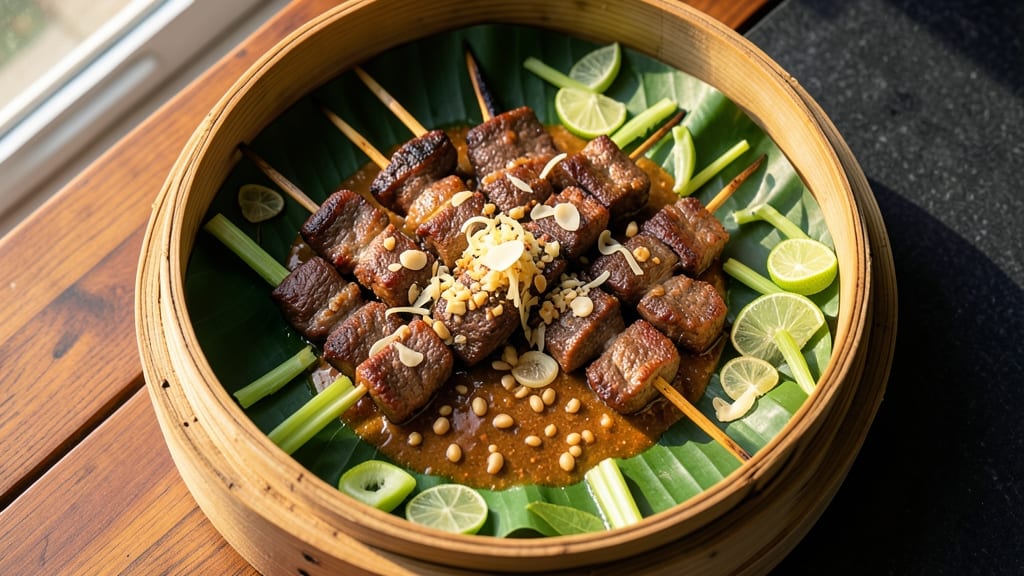
This authentic Thai beef satay recipe delivers restaurant-quality skewers with smoky char, tender beef, and a perfect balance of sweet, spicy, and umami flavors. The secret lies in marinating the beef overnight with lemongrass, galangal, and kaffir lime leaves—key ingredients that create that signature Thai depth.
I've perfected this technique over years of testing, ensuring every skewer is packed with flavor and achieves that coveted caramelized crust when grilled.
The marinade transforms tough cuts of beef into melt-in-your-mouth perfection, while the skewering technique ensures even cooking and maximum flavor infusion.
What makes this recipe truly authentic is the attention to traditional Thai spices and the proper grilling method, which involves basting the skewers with a touch of coconut milk for extra richness.
This isn't just a recipe—it's an experience that brings the vibrant streets of Bangkok to your backyard or kitchen.
By the time you're done, you'll have skewers that are tender yet firm, with a smoky aroma that fills your home and a sauce that's creamy, slightly sweet, and just spicy enough to keep your taste buds dancing.
The peanut sauce—made with authentic Thai ingredients like tamarind and shrimp paste—ties everything together, creating a dish that's as beautiful as it is delicious. Serve with jasmine rice and cucumber salad for the full Thai dining experience.
This recipe scales beautifully, whether you're feeding a crowd or treating yourself to a taste of Thailand. The marinade can be made ahead, and the skewers grill in under 15 minutes, making it perfect for weeknight dinners or weekend gatherings. Let's get started on creating your own satay feast!
Ingredients for authentic thai beef satay
Authentic Thai flavors start with these bold, aromatic ingredients—lemongrass, galangal, and kaffir lime leaves are non-negotiable for that signature depth.
| Ingredient | Amount | Notes |
|---|---|---|
| Flank Steak 🥩 | 1 ½ lb | Thinly sliced against grain |
| Lemongrass Stalks 🌿 | 3 whole | Bruised and cut into 2-inch pieces |
| Galangal Root 🍃 | 3 oz | Peeled and sliced thinly |
| Kaffir Lime Leaves 🍋 | 4 whole | Torn into strips |
| Garlic Cloves 🧄 | 8 cloves | Minced finely |
| Shallots 🧅 | ½ cup | Finely chopped |
| Fish Sauce 🍶 | ¼ cup | Red Boat brand preferred |
| Coconut Milk 🥥 | ¼ cup | Full-fat canned |
| Brown Sugar 🍚 | ¼ cup | Packed lightly |
| Turmeric Powder 🌶️ | 1 tsp | Freshly ground preferred |
| Coriander Seeds 🌿 | 1 tsp | Toasted and ground |
| Black Peppercorns 🌶️ | ½ tsp | Freshly cracked |
| Bamboo Skewers 🍴 | 16 whole | Soaked in water 30 minutes |
| Peanut Butter 🥜 | ½ cup | Creamy, unsweetened |
| Tamarind Paste 🍯 | 2 tbsp | Thick, good quality |
| Shrimp Paste 🦐 | 1 tbsp | Thai brand preferred |
| Coconut Oil 🥥 | 2 tbsp | For grilling |
| Lime Juice 🍋 | 2 tbsp | Freshly squeezed |
| Cilantro Leaves 🌿 | ¼ cup | Chopped for garnish |
| Jasmine Rice 🍚 | 1 ½ cups | Uncooked, for serving |
The beef is where it all begins. Flank steak is ideal—lean but tender when sliced thin against the grain. Grab it from the butcher counter if possible, as pre-packaged often has less marbling. Lemongrass and galangal are the soul of this dish—find them in the Asian market (the frozen section works too, but fresh is better). Kaffir lime leaves? Look for them in the Asian aisle at Whole Foods or Trader Joe's—they're worth hunting down. If you can't find shrimp paste, Red Boat fish sauce works in a pinch, but it won't be the same. Toast your coriander seeds in a dry pan for 30 seconds before grinding—that aroma is everything.
No lemongrass? Substitute 1 tbsp lemongrass paste (found in tubes at Asian markets). Galangal missing? Ginger works in a bind, but it's not the same—use half the amount. Shrimp paste can be swapped for 1 tsp fish sauce if you're desperate, but the umami punch will be weaker. For the peanut sauce, creamy peanut butter is a must—crunchy won't blend smoothly. No tamarind paste? Mix 1 tbsp lime juice with 1 tsp brown sugar as a substitute. The skewers? Bamboo is traditional, but metal or soaked wooden skewers work too. Just don't skip soaking—dry skewers burn before the beef cooks.
Marinade keeps 3 days in the fridge or 3 months frozen—double it if you're feeding a crowd. The skewers grill in 10-12 minutes, so prep everything ahead. Coconut oil burns easily, so keep the heat medium-high. Garnish with cilantro and lime wedges right before serving—freshness matters. Leftovers? Reheat gently in a skillet with a splash of coconut milk to restore moisture. Store the peanut sauce separately—it thickens when chilled, so thin with water before using again.
Why You'll Love This Recipe
- Marinade in Minutes: I swear by this trick—just pound the lemongrass, galangal, and garlic into the flank steak with a mortar and pestle (or a ziplock bag and your fist). No chopping, no fuss, and the meat soaks up those citrusy, peppery notes like a sponge. Honestly, it’s the kind of prep that makes me actually look forward to cooking.
- Flavor Bomb Combo: That first bite—smoky from the grill, bright from the kaffir lime leaves, with the galangal’s ginger-like punch—is what makes this recipe worth repeating. The lemongrass adds this unmistakable Thai aroma that lingers in the air (and your kitchen) like a good memory. Between us, it’s the kind of depth you won’t find in jarred satay sauce.
- Weeknight to Party Star: Grill it for dinner, slice it cold for lunch, or throw it on skewers for your next backyard BBQ. The marinade keeps the beef tender enough to eat straight off the stick, so it’s just as easy to serve with peanut sauce and rice as it is to toss into a salad or wrap in lettuce leaves. (Yes, even on a Tuesday night.)
Step-by-step instructions for authentic Thai beef satay
Here's how to make restaurant-quality satay with bold Thai flavors and perfect char.
Marinate the Flank Steak with Thai Aromatics
In a large bowl, combine the 1.5 lb flank steak, 3 whole lemongrass stalks (bruised and cut into 2-inch pieces), 3 oz galangal root (peeled and sliced thinly), 4 whole kaffir lime leaves (torn into strips), 8 cloves garlic (minced finely), 0.5 cup shallots (finely chopped), 0.25 cup fish sauce, 0.25 cup coconut milk, 0.25 cup brown sugar, 1 tsp turmeric powder, 1 tsp toasted and ground coriander seeds, and 0.5 tsp freshly cracked black peppercorns.
Use your hands to work the marinade into the meat until every piece is thoroughly coated. The galangal and lemongrass will release their citrusy, peppery oils—this is where the authentic Thai flavor starts. Cover the bowl and refrigerate for at least 4 hours, or preferably overnight. The longer it marinates, the more tender and flavorful the beef will become.
Here's the thing—don't skip the marinating time. I've found that at least 4 hours is non-negotiable for proper flavor penetration. If you're short on time, you can do a quick 2-hour marinade, but the results won't be as vibrant.
Assemble the Skewers and Prepare for Grilling
Soak the 16 whole bamboo skewers in water for at least 30 minutes before using—they'll be easier to thread and less likely to burn. Drain them well before assembling.
Remove the beef from the marinade, letting any excess drip back into the bowl. Thread the beef onto the soaked skewers, using about 2 ounces of meat per skewer (you should have 4 skewers total). Arrange the beef in a single layer on each skewer, leaving about 1 inch of space between pieces. This allows the marinade to caramelize and creates those beautiful grill marks.
Set up your grill for medium-high heat, around 375°F. If you're using a charcoal grill, you'll want to arrange the coals on one side for indirect heat. For gas grills, preheat all burners to medium-high. The key here is maintaining consistent heat—too hot and you'll burn the outside before the inside cooks through.
Grill the Satay to Perfect Medium-Rare
Place the skewers on the hot grill and cook for 3-4 minutes per side, turning occasionally to ensure even browning. You're looking for beautiful grill marks and medium-rare doneness—this should be your primary focus. The internal temperature should reach 130-135°F when measured with a meat thermometer.
Here's where it gets tricky: the beef should be charred on the outside but still juicy inside. If you see smoke that's too thick or white, your grill might be too hot. Move the skewers to a cooler part of the grill if needed. The marinade will bubble and sizzle—this is normal and actually enhances the flavor.
Once the beef reaches your desired doneness, remove the skewers from the grill and let them rest for 5 minutes. This resting period is crucial—it allows the juices to redistribute throughout the meat, preventing them from running out when you cut into it.
Prepare the Peanut Sauce
While the beef is resting, it's time to make the peanut sauce. In a small saucepan, combine the 0.5 cup peanut butter, 2 tbsp tamarind paste, 1 tbsp shrimp paste, 2 tbsp coconut oil, and 2 tbsp lime juice. Cook over medium heat, stirring constantly, until the mixture is smooth and heated through.
Add 0.25 cup water and continue cooking for another 2-3 minutes, stirring until the sauce reaches a consistency that coats the back of a spoon. Taste and adjust the seasoning with additional fish sauce or brown sugar if needed. The sauce should balance sweet, tangy, and nutty flavors—this is the magic of Thai peanut sauce.
If the sauce is too thick, add a splash more water. If it's too thin, simmer it for an additional minute or two. The sauce should be thick enough to cling to the satay but still have a silky texture. Here's a pro tip: strain the sauce through a fine-mesh sieve if you want a completely smooth texture.
Serve with Jasmine Rice and Garnish
Cook the 1.5 cups jasmine rice according to package instructions, fluffing it gently with a fork when done. Divide the rice among serving plates, then arrange the grilled satay skewers on top.
Drizzle each serving generously with the peanut sauce, allowing it to pool slightly on the plate. Garnish with the 0.25 cup chopped cilantro leaves and serve immediately. The contrast of the warm, charred satay with the cool, creamy peanut sauce is what makes this dish truly special.
For an authentic touch, serve with fresh cucumber slices and lime wedges on the side. The acidity of the lime will cut through the richness of the peanut sauce and beef, balancing the flavors perfectly. Enjoy your homemade Thai beef satay—it's a dish that's sure to impress!
Pro Tips For Making Authentic Thai Beef Satay
- CHAR THE GARLIC: After burning three batches, I finally figured out the trick—char those garlic cloves lightly over a gas flame (or directly on a hot skillet) until they’re blackened on one side. This adds a smoky depth that no raw garlic ever will, and it’s the thing that makes your satay sauce taste like it came from a Bangkok street cart. Just don’t let it burn to ash—that’s where I went wrong.
- SLICE STEAK AGAINST GRAIN: Flank steak’s fibers run long, and if you slice with the grain, you’ll end up with chewy, sad satay sticks. Instead, cut perpendicular to the grain in thin, even strips—about ¼-inch thick—and then slice those strips diagonally into long, paper-thin skewers. This keeps them tender and ensures they cook fast and even on the grill or in the pan.
- GRATE GALANGAL FRESH: I used to buy jarred galangal paste, thinking it’d save time, but it’s nothing like the real thing. Fresh galangal has a bright, citrusy kick that paste can’t replicate. Use a microplane or the coarse side of a grater to get fine, wet shreds—about 2 inches of root per serving—and mix it into the marinade while the steak’s still raw. The enzymes help break down the meat faster.
- MARINATE LONG AND COLD: Skip the rushed 30-minute marinade—this isn’t the time to be impatient. Let the beef sit in the lemongrass, galangal, and lime leaf paste for at least 4 hours, preferably overnight in the fridge. The acid and aromatics need time to work their magic, and cold temperatures keep the meat from turning mushy. Trust me, the flavor payoff is worth the wait.
Wine and beer pairings for this recipe
Thai-Inspired White Wines
Thai cuisine's bold, aromatic profile pairs beautifully with crisp white wines that complement the dish's sweet, spicy, and umami notes. I reach for Thai-inspired wines like Sauvignon Blanc from New Zealand—its citrusy acidity mirrors the lime and lemongrass in the satay marinade.
Look for bottles with mango or passionfruit notes on the label, like Kim Crawford Sauvignon Blanc or Oyster Bay Sauvignon Blanc. These wines stand up to the peanut sauce's richness while refreshing your palate between bites. 🍷
Light-Bodied Reds
If you prefer red wine, opt for Pinot Noir from Oregon or Burgundy, where its delicate cherry and earthy undertones harmonize with the charred beef and peanut sauce.
Avoid heavy Cabernets—they'll clash with the dish's complexity. La Crema Pinot Noir or Meiomi Pinot Noir are crowd-pleasers that won't overpower the satay's delicate flavors. Serve slightly chilled (55°F) to enhance their bright acidity.
Thai-Inspired Beers
For beer lovers, Thai-style lagers like Singha or Chang are perfect—their subtle hop bitterness and rice malt sweetness echo the peanut sauce's profile. If you can't find Thai beer, try a Belgian Witbier like Hoegaarden or Blue Moon, which offer citrusy coriander notes that complement the lemongrass marinade.
Serve these beers well-chilled (40°F) to match the dish's refreshing qualities. 🍺
Non-Alcoholic Pairings
For a non-alcoholic option, Thai iced tea (like Thai Lion Tea) is a must—its sweet, tannic profile balances the peanut sauce's richness. Alternatively, lychee lemonade or mango lassi provide a fruity contrast to the smoky satay.
Even a sparkling lime soda (like San Pellegrino Aranciata Rossa) adds a refreshing zing without overpowering the dish.
Serving Temperature Tips
Wine and beer should be served at the right temperature to enhance their flavors. Whites like Sauvignon Blanc should be chilled to 45-50°F, while Pinot Noir works best at 55-60°F. For beers, 40-45°F is ideal—use ice to keep them crisp.
Pro tip: Chill your wine in the fridge for 30 minutes before serving, or use an ice bucket for quick cooling. The right temperature makes all the difference! ❄️
Nutrition facts
Frequently asked questions
Can I substitute chicken or pork for the beef in this recipe?
Chicken thighs work beautifully—they stay juicy and absorb marinade well. For pork, use boneless pork shoulder sliced thinly against the grain. The marinating time remains the same, but pork may require 1-2 extra minutes per side on the grill to reach 145°F internal temperature. Just adjust the cooking time to avoid overcooking.
What's the best way to handle bamboo skewers that keep falling apart?
Soak them in water for at least 30 minutes before using—this prevents burning and makes them more pliable. If they still crumble, thread the beef onto metal skewers instead. For extra security, brush the soaked skewers lightly with coconut oil before threading the meat. This creates a slight barrier that helps them hold together better.
How do I make this recipe vegetarian or vegan?
Swap the beef for extra-firm tofu or mushroom chunks (like shiitake). Press tofu to remove excess water, then marinate in the same sauce for at least 2 hours. For vegan peanut sauce, use vegan peanut butter and replace shrimp paste with 1 tsp miso paste. The texture will differ, but the flavors stay authentic!
Can I make the marinade ahead of time?
Yes! The marinade keeps for 3 days in the fridge or 3 months frozen. Store it in an airtight container, pressing plastic wrap directly on the surface to prevent oxidation. When ready to use, thaw overnight in the fridge. Pro tip: Freeze marinade in ice cube trays for portion control—just thaw and mix with fresh ingredients.
Why did my peanut sauce turn out too thick or too thin?
Adjust the consistency by adding water (1 tsp at a time) for thinning or simmering longer (1-2 minutes) to thicken. The ideal sauce should coat the back of a spoon but still drizzle lightly. If using store-bought peanut butter with stabilizers, add 1 extra tbsp water during cooking. For extra smoothness, strain through a fine-mesh sieve after cooking.